The Strategic Role of a Finance Division in Modern Organizations
The finance division serves as the central nervous system of an organization, responsible for managing capital, ensuring regulatory compliance, and providing the data-driven insights necessary for executive decision-making. By overseei...
The finance division serves as the central nervous system of an organization, responsible for managing capital, ensuring regulatory compliance, and providing the data-driven insights necessary for executive decision-making. By overseeing cash flow, financial planning, and risk mitigation, this department transforms raw operational data into a strategic roadmap that ensures long-term fiscal health and institutional sustainability.
Contents
Defining the Finance Division’s Scope
In any established organization, the finance division is more than a simple accounting function. While its historical roots are firmly planted in the "controller" model—recording transactions, managing payroll, and closing books—the modern finance division has evolved into a strategic business partner. The division sits at the intersection of operational efficiency and long-term value creation.
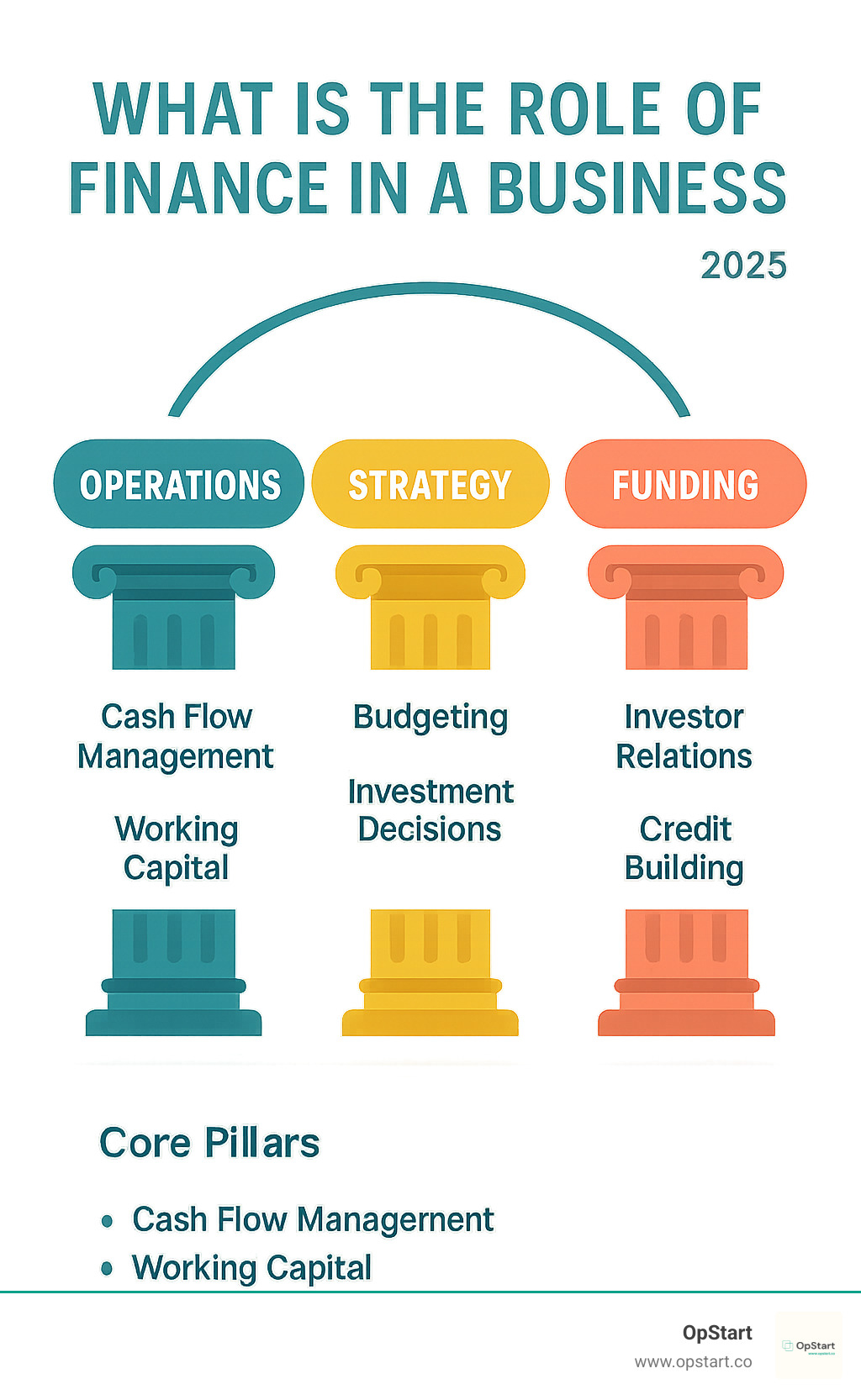
At its core, the division is responsible for three primary pillars: stewardship of assets, effective resource allocation, and the maintenance of transparent reporting structures. Whether an organization is a mid-sized enterprise or a global conglomerate, the finance division must ensure that every dollar spent is tracked, justified, and aligned with the entity's broader mission.
Core Functions and Operational Responsibilities
To understand the depth of the finance division, it is essential to distinguish between the foundational accounting tasks and the high-level financial planning functions.
1. Accounting and Financial Reporting
This is the bedrock of the division. Accountants ensure that every transaction—from raw material procurement to employee benefit payouts—is documented according to local and international financial reporting standards (such as IFRS or GAAP). Accurate reporting is not merely a formality; it is a legal requirement that provides stakeholders, auditors, and regulators with a clear picture of the company’s financial health.
2. Treasury and Cash Management
Treasury functions focus on liquidity. A finance division must ensure that the organization has enough cash on hand to meet immediate obligations—such as debt service, tax payments, and vendor contracts—while simultaneously optimizing the yield on excess cash reserves. This requires sophisticated cash flow forecasting and relationship management with banking institutions.
3. Financial Planning and Analysis (FP&A)
The FP&A team is the "analyst" arm of the department. They look forward rather than backward. By creating budgets, re-forecasting based on market changes, and performing variance analysis (comparing actual performance against budgeted targets), they provide leadership with the foresight to pivot strategies when necessary.
Comparison of Financial Departmental Roles
| Role Category | Primary Focus | Key Deliverables | Strategic Impact |
|---|---|---|---|
| Accounting | Historical accuracy | Financial statements, audits | Compliance, regulatory trust |
| FP&A | Future performance | Budgets, revenue forecasts | Strategic direction, investment |
| Treasury | Liquidity management | Cash flow, credit facility | Operational continuity, solvency |
| Tax/Compliance | Jurisdictional duty | Tax filings, regulatory reports | Risk mitigation, legal safety |
Strategic Decision-Making and Resource Allocation
The finance division acts as the gatekeeper for capital. When a company decides to launch a new product, expand into a new geographic territory, or invest in digital transformation, the finance division performs the cost-benefit analysis. They determine the "hurdle rate"—the minimum rate of return an investment must produce to justify the risk.
Without this objective analysis, organizations risk "scope creep" or over-leveraging their resources on unprofitable ventures. By demanding rigorous documentation and return-on-investment (ROI) projections for all major expenditures, the finance division enforces discipline across all other business units.
Risk Management and Regulatory Compliance
In 2026, the regulatory landscape is increasingly complex. Finance divisions are responsible for maintaining internal controls that prevent fraud, errors, and legal infractions. This involves implementing robust Enterprise Resource Planning (ERP) systems that restrict access to sensitive financial data and ensure that financial oversight is distributed to prevent conflicts of interest.
Furthermore, risk management extends to market factors. The finance team monitors currency fluctuations, interest rate volatility, and commodity price changes. If an organization imports raw materials, the finance division may engage in hedging strategies to lock in prices, thereby protecting the company from sudden, adverse market movements.
Navigating Common Organizational Challenges
Finance divisions often face friction when their role as "gatekeeper" clashes with the ambitious goals of sales or product development teams. This tension is normal and often healthy, but it requires skilled leadership within the finance department to move from a culture of "saying no" to one of "how can we make this financially viable?"
Effective finance divisions adopt a "business partner" mindset. Instead of operating in a silo, finance professionals are increasingly embedded within departmental teams. By attending strategy sessions for marketing or engineering, finance staff can provide real-time budget feedback, helping teams optimize their spending before commitments are made.
Frequently Asked Questions
What is the difference between a CFO and a Comptroller? The Chief Financial Officer (CFO) is a strategic executive focused on long-term growth and capital structure, whereas a Comptroller (or Controller) is the operational head of accounting, focused on the accuracy of ledgers, compliance, and day-to-day financial reporting.
How does the finance division influence long-term stability? By performing stress tests and scenario modeling, the finance division prepares the organization for economic downturns. They ensure that debt levels are sustainable and that capital reserves are sufficient to weather periods of reduced revenue.
What technology is essential for a modern finance division? Modern teams rely on cloud-based ERP systems (such as SAP, Oracle, or Microsoft Dynamics), automated reconciliation software, and data visualization tools that allow them to present complex financial data to non-financial executives in an intuitive format.
Does the finance division handle human resources tasks? Typically, no. While finance manages the payroll budget and may advise on the cost-effectiveness of benefits packages, human resources departments generally handle the administration of personnel, recruitment, and labor relations.
What is the "compliance" role of the finance department? The compliance role involves ensuring that the company adheres to all tax laws, SEC or similar regulatory body requirements, and internal policy guidelines. Failure to comply can result in fines, litigation, or damage to the organization’s reputation.
Ensuring Effective Financial Governance
For an organization to thrive, the finance division must be granted a seat at the executive table. Its function is not merely to track history but to illuminate the future. Organizations that foster strong, transparent, and communicative finance divisions are better positioned to weather volatility and capitalize on emerging opportunities.
If you are evaluating your organization's financial structure, start by auditing your reporting cycles. Ensure that financial information is not just accurate but delivered in time for leaders to make meaningful adjustments. Clear, timely, and actionable financial reporting is the hallmark of a high-performing finance division.
Image Gallery