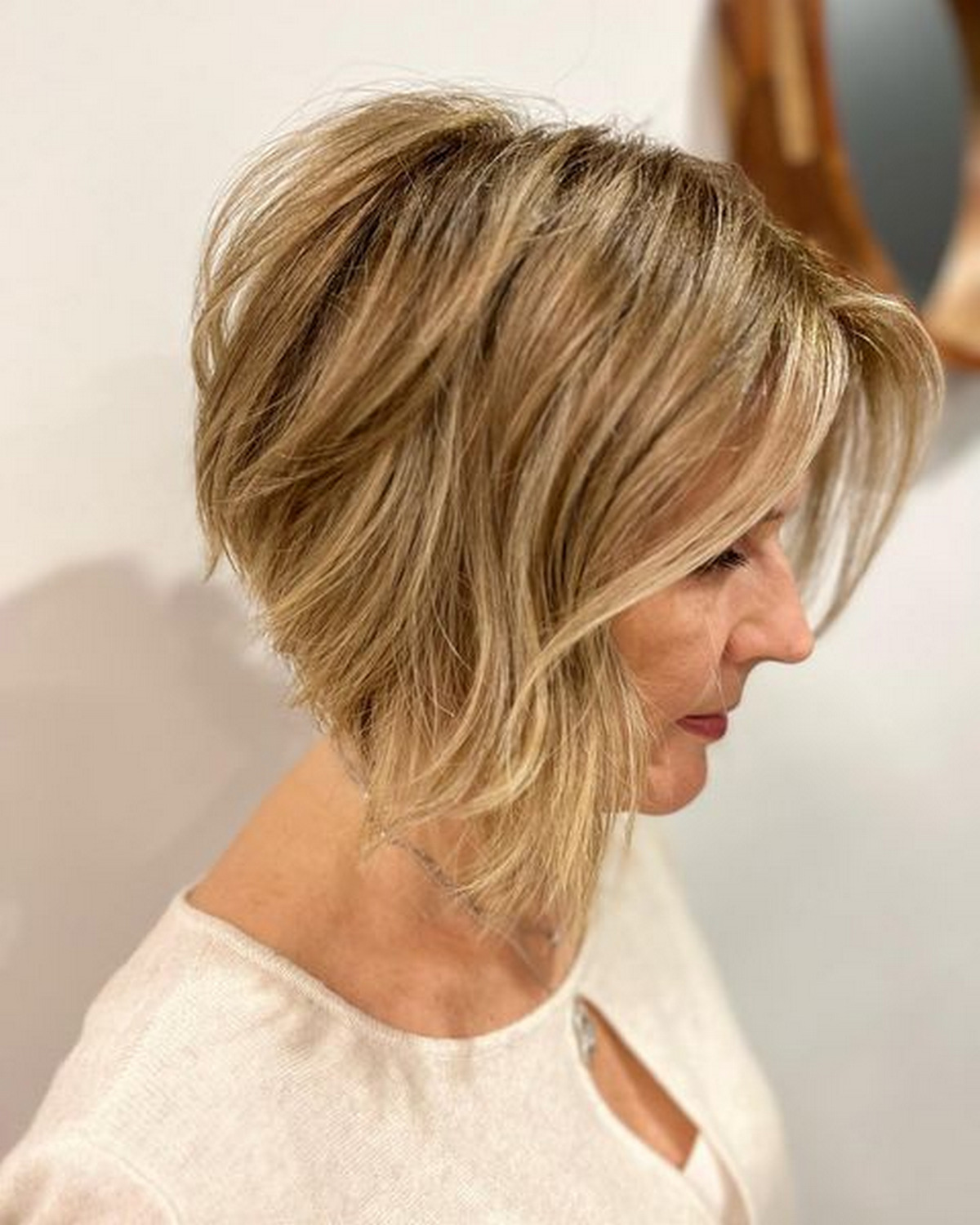
Short Hair Front Long Hair Back: The Complete Guide to the Modern Mullet and V-Cut Styles
The hairstyle featuring short hair in the front and long hair in the back spans iconic historical looks like the traditional mullet to contemporary architectural variations like the modern fringe mullet and V-cut neckline. Mastering th...
The hairstyle featuring short hair in the front and long hair in the back spans iconic historical looks like the traditional mullet to contemporary architectural variations like the modern fringe mullet and V-cut neckline. Mastering this bold silhouette requires precise structural tapering, deliberate texturizing techniques, and a tailored maintenance routine to balance high-contrast lengths.
Contents
Historical Evolution of the Short-Front-Long-Back Silhouette
The aesthetic of wearing short hair in the front and long hair in the back carries a rich cultural lineage. Long before it earned colloquial terminology in the late 20th century, indigenous cultures, ancient warriors, and historical figures utilized functional variations of this cut. The primary advantage was straightforward: keeping hair out of the eyes and off the face while protecting the neck from sun exposure and cold weather.
During the 1970s and 1980s, the style transitioned from a utilitarian choice into a dominant countercultural statement. Musicians, athletes, and actors adopted the cut, pairing micro-fringes or cropped crown layers with cascading length down the spine. In contemporary 2026 hairstyling, the look has shed its dated stigma. High-end fashion runways and modern barbering have reinvented the silhouette into sophisticated geometry, emphasizing seamless blending or intentional disconnection between the crown and the nape.
Anatomy and Technical Variations of the Cut
Achieving a clean short-front-long-back aesthetic relies heavily on understanding head shape, hair density, and growth patterns ( whorls and cowlicks). Professional stylists break the cut down into distinct structural zones: the fringe, the crown, the sides, and the length.
| Variation Name | Crown & Front Structure | Side Profile | Nape & Back Structure | Best Hair Type |
|---|---|---|---|---|
| The Modern Shag Mullet | Textured, choppy short layers; fringe resting above brows | Tapered or faded cleanly | Fully grown, textured, texturized ends | Wavy, curly, or thick straight hair |
| The V-Cut Nape | Short, structured crop or French crop | Skin fade or high taper | Narrow, pointed V-shape tapering down the spine | Straight or fine hair with dense growth |
| The Wolf Cut Hybrid | Voluminous, messy top with short curtain pieces | Softly layered around ears | Shaggy, feathered length resting on shoulders | Medium to thick, textured hair |
| The Deathhawk | Ultra-short buzzed sides with a high central strip | Shaved or tightly faded | Long, disconnected tail or flowing length | Straight or chemically treated hair |
Understanding these variations ensures that you select a silhouette that complements your facial structure. For instance, round faces benefit from height at the crown and narrow sides, whereas square faces look exceptional with softer, textured fringe lines framing the temples.
Step-by-Step Styling and Cutting Guide
Executing or maintaining a short-front-long-back haircut requires precision tools and a strategic approach to sectioning. Whether you are consulting a professional stylist or refining your look at home, following a structured workflow prevents common structural mistakes.
- Sectioning the Hair: Cleanly separate the front and top sections from the sides and the back. Draw a parting from behind the ear across the crown to isolate the front perimeter and crown volume.
- Establishing the Front and Crown: Cut the fringe and crown layers to your desired short length. Use point-cutting or slide-cutting techniques to remove blunt weight, ensuring the front lays flat or stands up with natural texture rather than a heavy shelf.
- Fading or Tapering the Sides: Use clippers with appropriate guards to taper the sideburns and the area above the ears. Decide whether you want a skin fade, a drop fade, or a classic scissor-over-comb taper based on your preferred maintenance level.
- Preserving and Shaping the Back: Leave the back length intact or trim the split ends. If you are opting for a V-cut style, carefully angle the cutting shears inward toward the center of the nape to create a sharp, symmetrical point.
- Texturizing and Thinning: Use thinning shears or a razor on the transition zone where the short front meets the long back. This eliminates the harsh "shelf" effect, creating a cohesive, gradient flow.
Maintenance, Products, and Daily Styling Routine
High-contrast haircuts demand dedicated upkeep to look intentional rather than unkempt. Because the front requires structure or volume while the back requires movement and separation, a versatile product arsenal is essential.
- Pre-Styling Heat Protectant: Apply a lightweight blow-dry spray before styling to protect the hair shaft, especially if you use high heat to sweep the front fringe forward or upward.
- Matte Clay or Pomade: Work a pea-sized amount of matte clay through the short front and crown sections to build strong hold and separation without greasy buildup.
- Sea Salt Spray: Mist the longer back section with sea salt spray while damp to encourage natural waves, piece-definition, and lightweight volume.
- Regular Trims: Schedule edge-ups and side taper maintenance every 2 to 4 weeks, while letting the back grow freely depending on your target terminal length.
Pros and Cons of Wearing Short-Front-Long-Back Hairstyles
Before committing to this distinctive haircut, weigh the stylistic advantages against the practical upkeep requirements.
Pros
- High Versatility: Offers the clean, professional look of a short crop from the front, combined with an edgy, artistic flair from the back.
- Face-Flattering: Can be customized with various fringe styles (curtain, blunt, textured) to balance long, oval, or heart-shaped faces.
- Expressive Identity: Serves as a powerful statement cut that breaks away from monotonous, standard corporate styling.
Cons
- High Maintenance: Requires frequent salon or barbershop visits to keep the short front and side fades looking crisp.
- Awkward Growth Phase: Transitioning away from this cut back to a uniform length involves an uneven growth cycle that requires careful styling to mask.
- Climate Sensitivity: The long back section can trap heat and sweat against the neck during warmer months, requiring adjustments in your daily hair-washing routine.
Troubleshooting Common Styling Challenges
Even with professional execution, high-contrast cuts can present unique daily hurdles. Addressing these issues early prevents frustration and keeps your hair looking sharp.
- The Unwanted Shelf Effect: If a harsh horizontal line appears where the short top meets the long back, visit your stylist to implement heavier blending, feathering, or a graduated taper layer.
- Cowlicks and Swirls in the Back: Long hair at the nape often exposes stubborn growth patterns. Combat cowlicks by blow-drying the back hair downward using a nozzle attachment while applying tension with a flat brush.
- Frizz in the Length: Long back sections are prone to dryness and split ends. Incorporate a weekly hydrating hair mask and a lightweight argan oil serum applied exclusively to the mid-lengths and ends.
Practical Recommendations for Your Next Salon Visit
When visiting a stylist for a short-front-long-back cut, communication is critical. Bring reference photos that clearly showcase both the front profile and the back profile. Explicitly discuss how dramatic you want the transition to be: a seamless, blended shag requires different cutting mechanics than a disconnected mullet with shaved sides. Invest in quality styling tools, establish a consistent trim schedule, and embrace the individuality that this classic yet modern silhouette provides.
Image Gallery