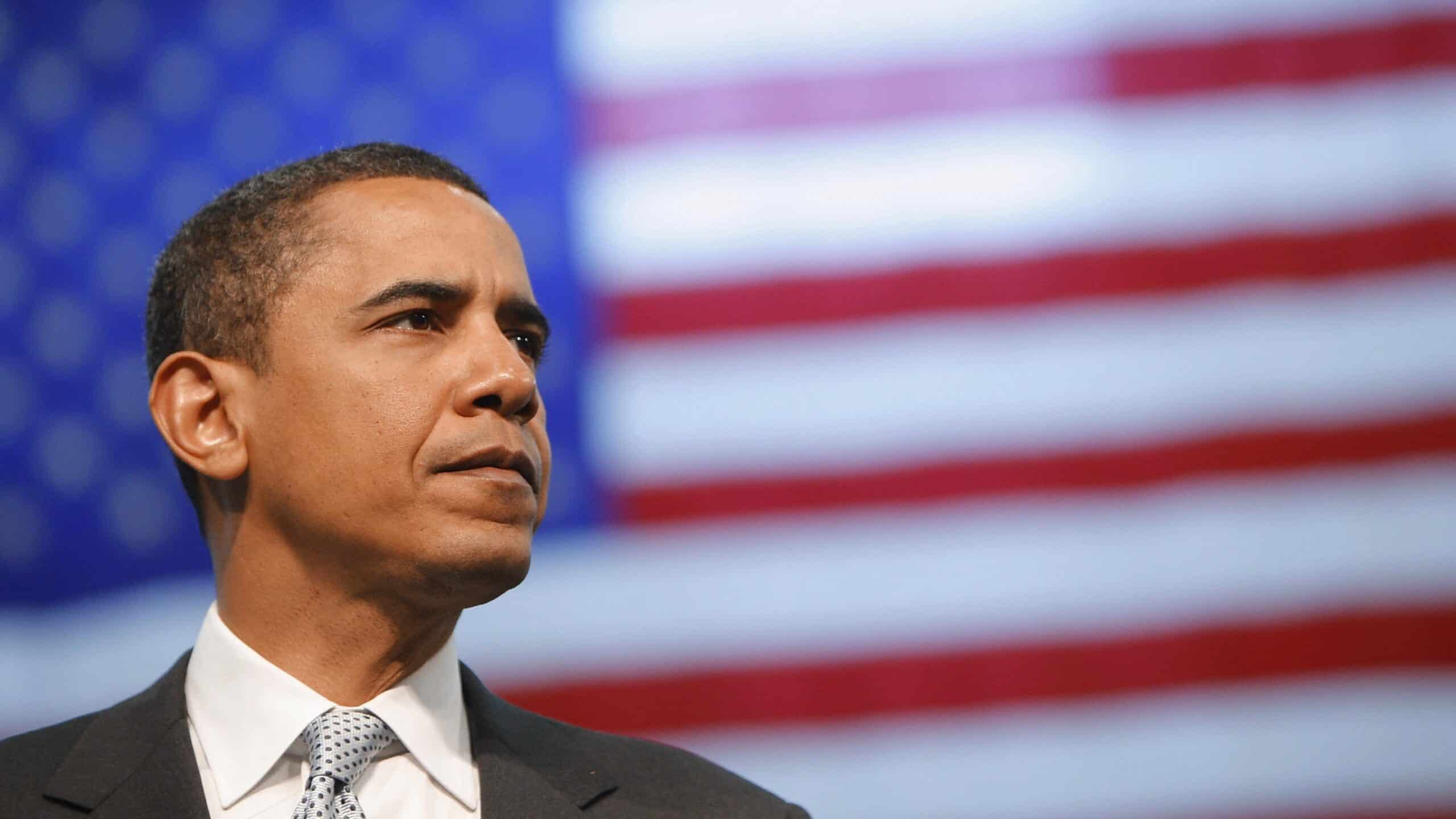
Barack H. Obama: A Comprehensive Profile of the 44th U.S. President and His Legacy
Barack H. Obama served as the 44th President of the United States from 2009 to 2017. As the first African American to hold the office, his tenure was marked by landmark healthcare reform, the recovery from the 2008 financial crisis, an...
Barack H. Obama served as the 44th President of the United States from 2009 to 2017. As the first African American to hold the office, his tenure was marked by landmark healthcare reform, the recovery from the 2008 financial crisis, and significant shifts in American foreign policy and social civil rights.
Contents
The Formative Years and Educational Foundation
Barack Hussein Obama II was born on August 4, 1961, in Honolulu, Hawaii. His early life was characterized by a diverse cultural upbringing that would later inform his "Global Citizen" perspective. His father, Barack Obama Sr., was a Kenyan economist, and his mother, Stanley Ann Dunham, was an American anthropologist. After a brief period living in Indonesia during his childhood, Obama returned to Hawaii to live with his maternal grandparents, where he attended the prestigious Punahou School.
His academic journey was instrumental in shaping his intellectual framework. He began his undergraduate studies at Occidental College in Los Angeles before transferring to Columbia University in New York City, where he majored in political science with a specialty in international relations. After graduating in 1983, Obama worked in the business sector and as a community organizer in Chicago’s South Side. This period was pivotal; it was here that he developed a deep understanding of grassroots mobilization and the complexities of urban poverty.
In 1988, Obama enrolled at Harvard Law School. His time there was historic; he became the first African American president of the Harvard Law Review. This achievement brought him national media attention for the first time and established him as a rising legal mind. Upon graduating magna cum laude in 1991, he returned to Chicago to practice civil rights law and teach constitutional law at the University of Chicago Law School, a position he held for over a decade.
Rising Through the Political Ranks
Obama’s formal political career began in 1996 when he was elected to the Illinois State Senate. Representing the 13th District, he focused on legislation concerning health care, ethics reform, and expanded social services for the poor. While he suffered a setback in 2000 during an unsuccessful run for a U.S. House seat, he quickly pivoted to the national stage.
The turning point in his career occurred at the 2004 Democratic National Convention. As a candidate for the U.S. Senate, Obama delivered a keynote address that emphasized national unity and the "audacity of hope." The speech resonated deeply across the country, propelling him to a landslide victory in the 2004 Senate election. During his brief tenure in the U.S. Senate, he served on the Foreign Relations Committee and the Environment and Public Works Committee, building a profile as a pragmatic progressive.
The 2008 Presidential Campaign and Election
In February 2007, Obama announced his candidacy for the presidency in Springfield, Illinois. His campaign was groundbreaking for its use of social media and grassroots digital organizing to mobilize younger voters and small-dollar donors. Facing a formidable primary opponent in Hillary Clinton, Obama secured the Democratic nomination after a prolonged and highly competitive primary season.
The 2008 general election took place against the backdrop of the Great Recession. Running against Senator John McCain, Obama campaigned on a platform of "Hope and Change." His victory on November 4, 2008, was a watershed moment in American history, as he secured 365 electoral votes and 52.9% of the popular vote. His inauguration on January 20, 2009, drew record-breaking crowds to the National Mall, signaling a new era in American governance.
Domestic Policy: Reform and Recovery
The immediate priority of the Obama administration was the stabilization of the American economy. In February 2009, he signed the American Recovery and Reinvestment Act, a nearly $800 billion stimulus package designed to create jobs and spur economic growth. This was followed by the Dodd-Frank Wall Street Reform and Consumer Protection Act in 2010, which represented the most significant overhaul of financial regulation since the Great Depression.
The Patient Protection and Affordable Care Act (ACA)
Perhaps the most significant legislative achievement of his presidency was the Patient Protection and Affordable Care Act, commonly known as "Obamacare," signed into law in March 2010. The ACA sought to address systemic issues in the U.S. healthcare system by:
- Prohibiting insurance companies from denying coverage based on pre-existing conditions.
- Allowing young adults to remain on their parents' insurance plans until age 26.
- Expanding Medicaid eligibility to lower-income individuals.
- Establishing health insurance marketplaces to increase competition and transparency.
Despite intense political opposition and multiple legal challenges that reached the Supreme Court, the ACA resulted in millions of previously uninsured Americans gaining access to health coverage.
Social Progress and Civil Rights
The Obama administration oversaw a major shift in social policy. In 2010, the president signed the repeal of "Don't Ask, Don't Tell," allowing LGBTQ+ service members to serve openly in the military. In 2012, Obama became the first sitting president to publicly support same-sex marriage, a position that preceded the landmark 2015 Supreme Court ruling in Obergefell v. Hodges. Furthermore, his administration utilized executive actions to implement the Deferred Action for Childhood Arrivals (DACA) program, providing temporary protection from deportation for undocumented individuals brought to the U.S. as children.
Foreign Policy: Diplomacy and Defense
Obama’s foreign policy, often referred to as the "Obama Doctrine," emphasized multilateralism, diplomacy, and a strategic "pivot" to Asia. He sought to wind down the wars in Iraq and Afghanistan while refocusing efforts on counterterrorism.
- The Death of Osama bin Laden: In May 2011, Obama authorized a successful Navy SEAL raid in Abbottabad, Pakistan, which resulted in the death of the Al-Qaeda leader responsible for the September 11 attacks.
- The Iran Nuclear Deal (JCPOA): In 2015, the U.S. and five other world powers reached a historic agreement with Iran to limit its nuclear program in exchange for the lifting of economic sanctions.
- Normalization with Cuba: Breaking decades of Cold War-era policy, Obama moved to restore diplomatic relations with Cuba in 2014, eventually becoming the first sitting president to visit the island since 1928.
- Paris Agreement on Climate Change: Obama was a key architect of the 2015 Paris Agreement, where nearly 200 nations committed to reducing greenhouse gas emissions to combat global warming.
Post-Presidency and Life in 2026
Since leaving the White House in January 2017, Barack H. Obama has remained an influential figure in global public life. Now in 2026, his work is primarily channeled through the Obama Foundation, which focuses on developing the next generation of leaders through fellowships and community programs.
The Obama Presidential Center in Chicago’s Jackson Park has become a cornerstone of his post-presidential legacy. By 2026, the center serves as a vibrant community hub, museum, and forum for civic engagement, attracting visitors from around the world. Additionally, through his production company, Higher Ground Productions, Obama has produced critically acclaimed documentaries and podcasts that explore themes of democracy, labor, and social justice.
His 2020 memoir, A Promised Land, remains a definitive text for understanding the complexities of the modern presidency. In the current political landscape of 2026, he continues to be a sought-after voice for Democratic party strategy and global human rights advocacy.
| Key Milestone | Year | Impact/Significance |
|---|---|---|
| Election to U.S. Senate | 2004 | Established Obama as a national political figure. |
| Inauguration as 44th President | 2009 | First African American to hold the office of the President. |
| Nobel Peace Prize | 2009 | Awarded for "extraordinary efforts to strengthen international diplomacy." |
| Affordable Care Act Signed | 2010 | The largest expansion of the U.S. healthcare safety net in decades. |
| Bin Laden Raid | 2011 | Successful mission to neutralize the leader of Al-Qaeda. |
| Re-election | 2012 | Defeated Mitt Romney to secure a second four-year term. |
| Iran Nuclear Deal (JCPOA) | 2015 | Strategic agreement to prevent Iranian nuclear proliferation. |
| Obama Presidential Center Opening | 2025/26 | Transformation of Chicago's South Side into a global civic center. |
Frequently Asked Questions
Why did Barack Obama receive the Nobel Peace Prize?
Barack Obama was awarded the Nobel Peace Prize in 2009, less than a year into his presidency. The Nobel Committee cited his "extraordinary efforts to strengthen international diplomacy and cooperation between peoples." Specifically, they highlighted his vision of a world without nuclear weapons and his emphasis on multilateral engagement through the United Nations. At the time, the award was seen by some as premature, but the committee intended it as an encouragement for his stated foreign policy goals.
What are the main components of the "Obama Doctrine"?
The Obama Doctrine is generally characterized by a move away from unilateral military intervention and toward diplomatic negotiation. It emphasizes the "rebalance" of American interests toward the Asia-Pacific region and the use of targeted strikes (such as drone operations) rather than large-scale ground invasions. The doctrine also prioritizes working through international coalitions and utilizing economic pressure (sanctions) rather than immediate military force to resolve conflicts.
How did the 2008 financial crisis affect his first term?
The 2008 financial crisis was the defining economic challenge of the Obama presidency. Upon taking office, the administration had to manage the fallout of the subprime mortgage crisis and the collapse of major financial institutions. The response included the American Recovery and Reinvestment Act (the stimulus) and the auto industry bailout, which saved companies like General Motors and Chrysler from bankruptcy. These actions are credited with preventing the recession from turning into a second Great Depression, though the recovery was slower than many had hoped.
What is the current status of the Obama Presidential Center in 2026?
As of 2026, the Obama Presidential Center is fully operational in Chicago. Unlike traditional presidential libraries, it does not house the physical presidential records (which are digitized and managed by the National Archives). Instead, it functions as a modern campus featuring a museum, a library branch, a public park, and a forum for leadership training. It has significantly influenced the local economy of Chicago’s South Side, serving as both a tourist destination and a site for community organizing.
What has Barack Obama done since leaving the White House?
Since 2017, Barack Obama has focused on three main areas: leadership development through the Obama Foundation, media production with Higher Ground Productions, and political advocacy. He has campaigned for Democratic candidates in midterm and presidential cycles and has been an active voice on issues like voting rights and climate change. His media ventures have won several awards, including an Oscar for the documentary American Factory, highlighting his continued cultural influence.
Next Actions for Researchers and Students
To gain a deeper understanding of Barack H. Obama’s legislative impact, individuals should consult the National Archives and Records Administration (NARA), which maintains the official records of his administration. For those interested in his current initiatives, visiting the Obama Foundation's website provides insight into ongoing leadership programs. Additionally, studying the specific judicial opinions of his Supreme Court appointees—Sonia Sotomayor and Elena Kagan—offers a window into his long-term influence on American constitutional law.
Image Gallery