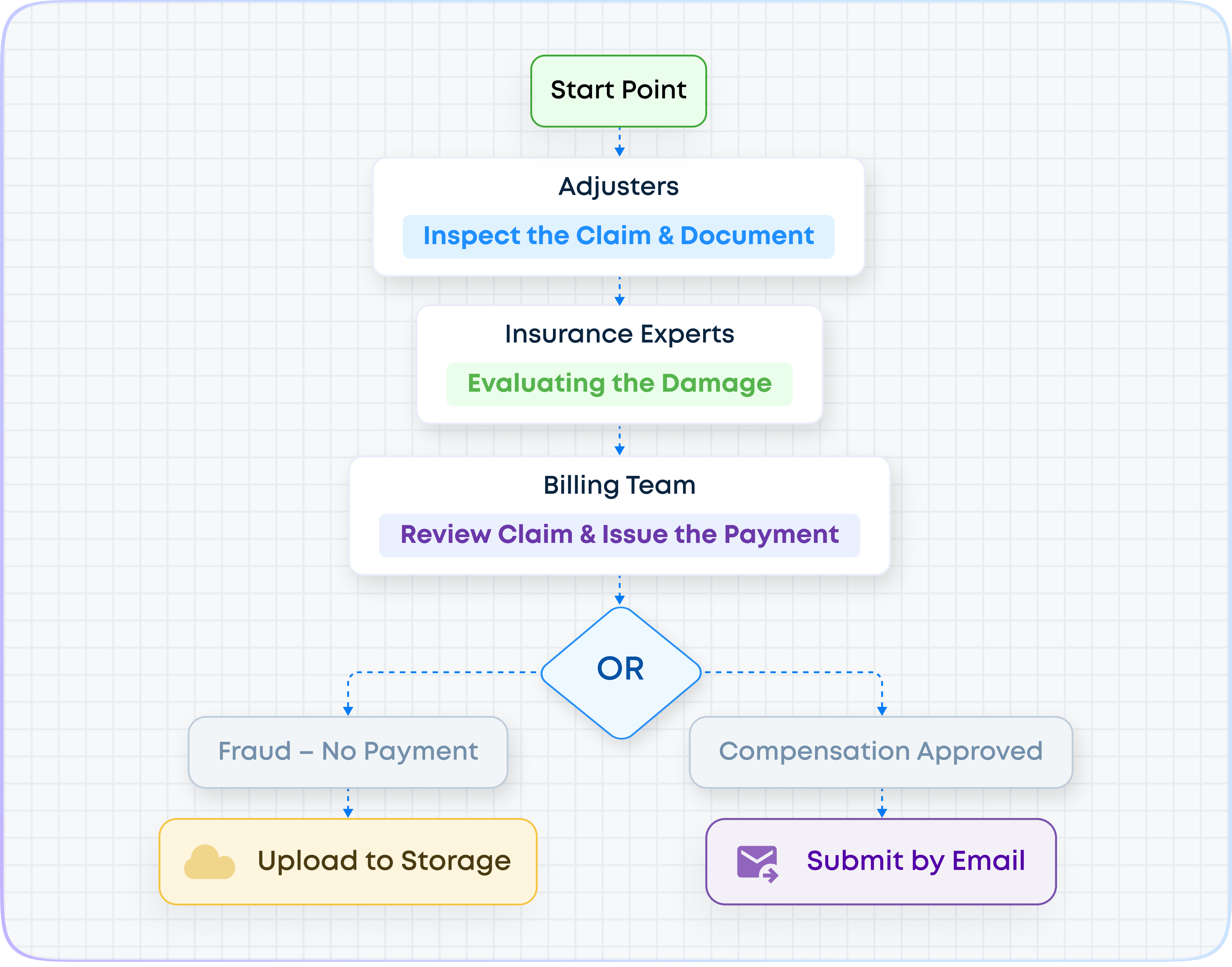
How to Follow the Life Insurance Claim Process Flow Chart
To follow a life insurance claim process flow chart effectively, you must begin by notifying the insurance provider of the policyholder's death and obtaining certified copies of the death certificate. You then complete the "Statement o...
To follow a life insurance claim process flow chart effectively, you must begin by notifying the insurance provider of the policyholder's death and obtaining certified copies of the death certificate. You then complete the "Statement of Claim" forms, select your preferred payout method, and submit the documentation package for carrier review. Most claims are processed and paid within 30 to 60 days, assuming the policy is past its contestability period and all beneficiaries are clearly identified.
Contents
Navigating the aftermath of a loved one's passing is emotionally taxing, and the added weight of financial administrative tasks can feel overwhelming. A life insurance claim flow chart serves as a visual and logical roadmap to ensure that beneficiaries receive the intended financial support without unnecessary delays. In 2026, while many of these processes have been digitized, the underlying legal and contractual requirements remain rigorous. Understanding each node of the flow chart—from initial notification to the final disbursement of funds—is essential for a smooth experience.
Understanding the Logic of a Life Insurance Claim Flow Chart
A life insurance claim flow chart is not merely a list of steps; it is a series of "if-then" scenarios designed to verify the validity of a policy and the identity of the claimants. The process is structured to protect the integrity of the insurance pool while fulfilling the company’s contractual obligation to the policyholder.
The flow chart typically begins at a "Trigger Event" (the death of the insured) and branches out based on several factors:
- Policy Status: Is the policy active, or did it lapse due to non-payment?
- Beneficiary Designation: Are the beneficiaries clearly named, or is the benefit directed to the estate?
- Contestability: Has the policy been in force for more than two years?
- Cause of Death: Does the cause of death fall under any policy exclusions, such as suicide clauses or acts of war?
By understanding these decision points, you can anticipate the questions an insurance adjuster will ask and the documents they will require.
Phase 1: Pre-Claim Verification and Locating the Policy
Before you can engage with the flow chart, you must identify the policy itself. In many cases, family members are aware a policy exists but do not have the physical document or the policy number.
Finding the Policy Information
In 2026, most individuals store digital records, but paper files remain common. Check the deceased’s "Legacy Folder" or digital vault. If these are unavailable, look through bank statements for premium payments made to insurance companies. If you are still unable to locate the policy, the National Association of Insurance Commissioners (NAIC) offers a Life Insurance Policy Locator Service that allows you to submit a request that is forwarded to participating insurance companies.
Identifying the Beneficiaries
The flow chart branches differently depending on who is claiming the benefit.
- Primary Beneficiaries: These individuals are first in line for the payout.
- Contingent Beneficiaries: These individuals receive the payout only if the primary beneficiaries are deceased.
- The Estate: If no living beneficiaries are named, the funds typically move into the deceased's estate, which involves a more complex probate process.
Phase 2: Official Notification and Document Gathering
Once the policy is located, the first active step in the flow chart is Notification. You must contact the insurance company’s claims department to report the death. Most major carriers now provide online portals where you can initiate this process, though a phone call is still an option for those who prefer human interaction.
The Death Certificate
The most critical piece of evidence is the Certified Death Certificate. The insurance company requires an original or a certified copy (usually with a raised seal) rather than a simple photocopy. In 2026, many jurisdictions use Electronic Death Registration Systems (EDRS), which may allow the funeral director to send digital certifications directly to the insurer, significantly accelerating this step.
When ordering death certificates from the vital records office, it is advisable to request several copies. You will need them not just for the life insurance claim, but also for social security, banking, and real estate transitions.
The Statement of Claim
The "Statement of Claim" is the formal application for the death benefit. Each beneficiary must typically fill out their own form. This document requires:
- The policy number.
- The deceased’s full legal name and Social Security number.
- The date and cause of death.
- The beneficiary’s contact information and Social Security number (for tax reporting purposes).
Phase 3: The Insurer’s Review Process (The Decision Nodes)
After you submit your documents, the flow chart enters the "Review Phase." This is where the insurance company verifies that the claim is legitimate. Most claims are "clean" and move quickly, but two specific nodes can cause delays: the Contestability Period and Exclusions.
The Contestability Period
If the policy was purchased less than two years before the death, it enters the Contestability Period. During this time, the insurer has the legal right to investigate the original application for "material misrepresentations." If the policyholder failed to disclose a significant medical condition (like heart disease or cancer) that would have affected the underwriting, the company may deny the claim or adjust the payout.
Policy Exclusions
The flow chart will also check the cause of death against specific exclusions.
- Suicide Clause: Most policies will not pay out if the death is a result of suicide within the first two years of the policy.
- Illegal Acts: If the death occurred during the commission of a felony, the claim might be denied.
- Aviation/Hazardous Activities: Some older or specialized policies exclude deaths resulting from private piloting or extreme sports unless specifically covered by a rider.
Phase 4: Selecting the Payout Method
If the claim is approved, the final major node on the flow chart is the Disbursement Selection. You are often given several choices on how to receive the funds. It is vital to consult with a financial advisor during this step, as the tax implications and long-term utility of the funds vary.
| Payout Option | Description | Best For |
|---|---|---|
| Lump Sum | The entire death benefit is paid in one tax-free check or electronic transfer. | Paying off mortgages, debt, or immediate estate taxes. |
| Installments (Annuity) | The benefit is paid out over a set number of years (e.g., 10 or 20 years). | Providing a steady, long-term replacement for lost income. |
| Interest Income | The company holds the principal and pays the beneficiary only the interest earned. | Beneficiaries who do not need the money immediately and want it to grow. |
| Retained Asset Account | The funds are placed in an interest-bearing account, and the beneficiary gets a checkbook. | Those who need time to decide how to use the funds but want liquidity. |
Common Obstacles and Troubleshooting
Even with a clear flow chart, obstacles can arise. Understanding how to troubleshoot these "red zones" is key to a successful claim.
- Lapsed Policies: If the policyholder stopped paying premiums, the policy may have lapsed. However, check if the policy had "waiver of premium" riders due to disability or if there was "cash value" that the company used to keep the policy in force (Automatic Premium Loan).
- Missing Beneficiaries: If a beneficiary cannot be located, the insurance company will generally hold the funds in an unclaimed property account.
- Homicide Investigations: If a beneficiary is a suspect in the death of the insured, the "Slayer Rule" prevents them from collecting. The flow chart will pause until the legal investigation is resolved or the funds are interpleaded into a court.
- Interpleader: If multiple people claim the same benefit (e.g., an ex-spouse and a current spouse), the insurance company may file an interpleader action. This moves the decision to a court, and the insurance company exits the flow chart by depositing the money with the court clerk.
Frequently Asked Questions
How long does it take for a life insurance claim to be paid?
In most cases, once all paperwork is received, insurers pay within 30 to 60 days. However, modern digital processing in 2026 has pushed many "clean" claims toward a 10-to-15-day window. If the policy is in the contestability period, the investigation can extend the timeline to several months.
Is the life insurance payout taxable?
Generally, the death benefit paid to a beneficiary is not considered taxable income by the IRS. However, any interest earned on the benefit while it was being held by the insurance company is taxable. Additionally, if the payout is made to the estate, it may be subject to federal or state estate taxes if the total estate value exceeds certain thresholds.
What happens if the beneficiary died before the policyholder?
If the primary beneficiary is deceased, the flow chart moves to the Contingent Beneficiaries. If no contingent beneficiaries are listed, the benefit is usually paid to the policyholder's estate. This often triggers the probate process, which can delay the payout by months or even years.
Can a life insurance claim be denied after 10 years?
Denials after the contestability period (usually two years) are rare but possible. The primary reason for a late-stage denial is fraud. For example, if the insured lied about their age or identity to obtain the policy, the contract could be considered void from the beginning. Another reason is the non-payment of premiums (policy lapse).
Do I need a lawyer to file a life insurance claim?
Most people do not need a lawyer to follow a standard claim flow chart. However, if the claim is denied, if there is a dispute between beneficiaries, or if the policy is being contested due to alleged misrepresentation, seeking legal counsel specializing in insurance law is highly recommended.
Final Recommendation
To ensure you follow the life insurance claim process flow chart successfully, prioritize accuracy over speed. Ensure every Social Security number is correct and every signature is witnessed or notarized as required. If you find yourself stuck at a decision node—especially regarding payout options—do not rush. Most insurance companies allow you to keep the funds in a Retained Asset Account while you consult with a certified financial planner. Taking 30 days to make a thoughtful decision is far better than choosing a payout structure that doesn't align with your long-term financial security.
Image Gallery