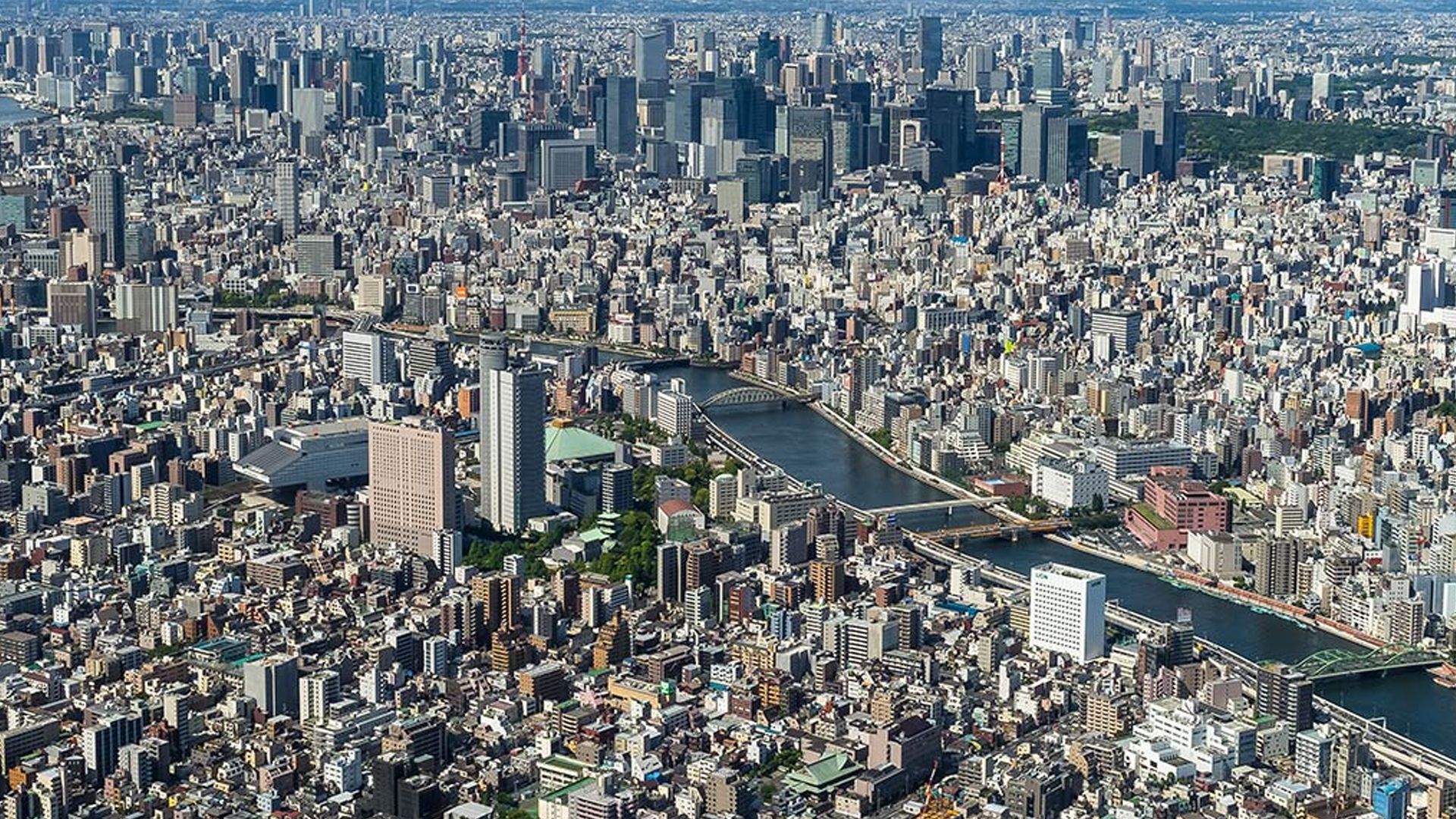
A Comprehensive Analysis of the Top Ten Largest Cities in the World
Determining the largest cities in the world requires defining whether measurement is based on the city proper, which follows administrative boundaries, or the metropolitan area, which reflects the true extent of urban sprawl. Using the...
Determining the largest cities in the world requires defining whether measurement is based on the city proper, which follows administrative boundaries, or the metropolitan area, which reflects the true extent of urban sprawl. Using the most reliable demographic estimates for 2026, the Tokyo-Yokohama region remains the world's most populous metropolitan area, followed by massive urban centers across Asia and Latin America.
Contents
Defining Urban Population Metrics
When discussing the "size" of a city, urban planners and demographers typically rely on two distinct metrics: the city proper and the metropolitan area. The city proper refers to a city according to its administrative boundary, which is often legally defined and does not necessarily account for the suburban growth occurring outside those lines.
The metropolitan area, by contrast, includes the central city and the surrounding economically integrated suburbs. For global rankings, the metropolitan area is generally considered the more accurate reflection of a city's scale, as it captures the daily flow of commerce, labor, and infrastructure. In the following analysis, we utilize metropolitan area population figures, as they provide a more holistic view of human habitation and urban density in 2026.
The Top Ten Most Populous Metropolitan Areas
The global urbanization trend continues to shift toward Asia, where massive infrastructure investment and economic development have fueled the expansion of mega-cities. While some Western cities have seen population plateaus, major hubs in India, China, and Indonesia continue to experience rapid growth.
| Rank | Metropolitan Area | Primary Country | Estimated Population (2026) |
|---|---|---|---|
| 1 | Tokyo-Yokohama | Japan | ~37.1 Million |
| 2 | Delhi | India | ~34.8 Million |
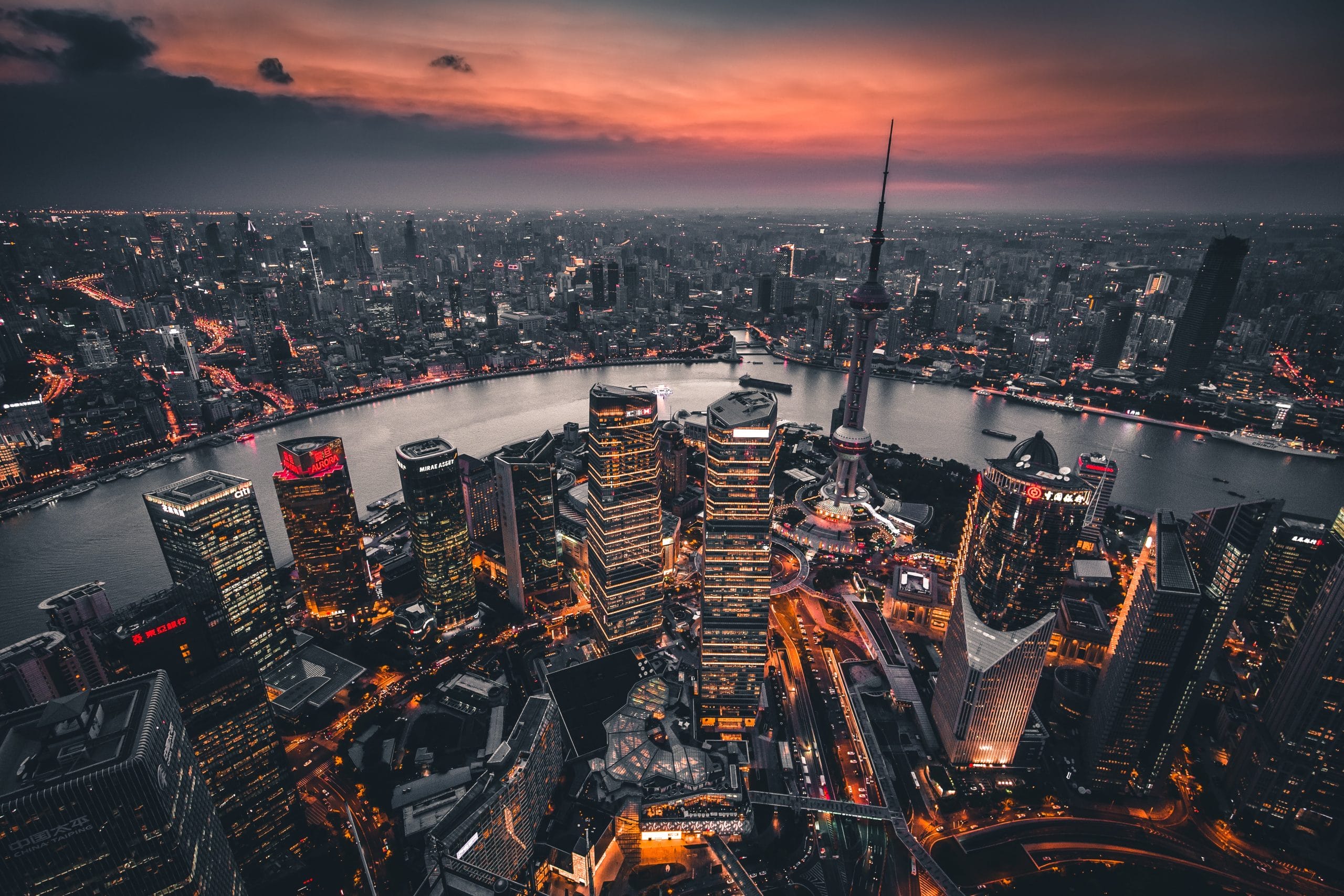
| 3 | Shanghai | China | ~30.2 Million |
| 4 | Dhaka | Bangladesh | ~24.5 Million |
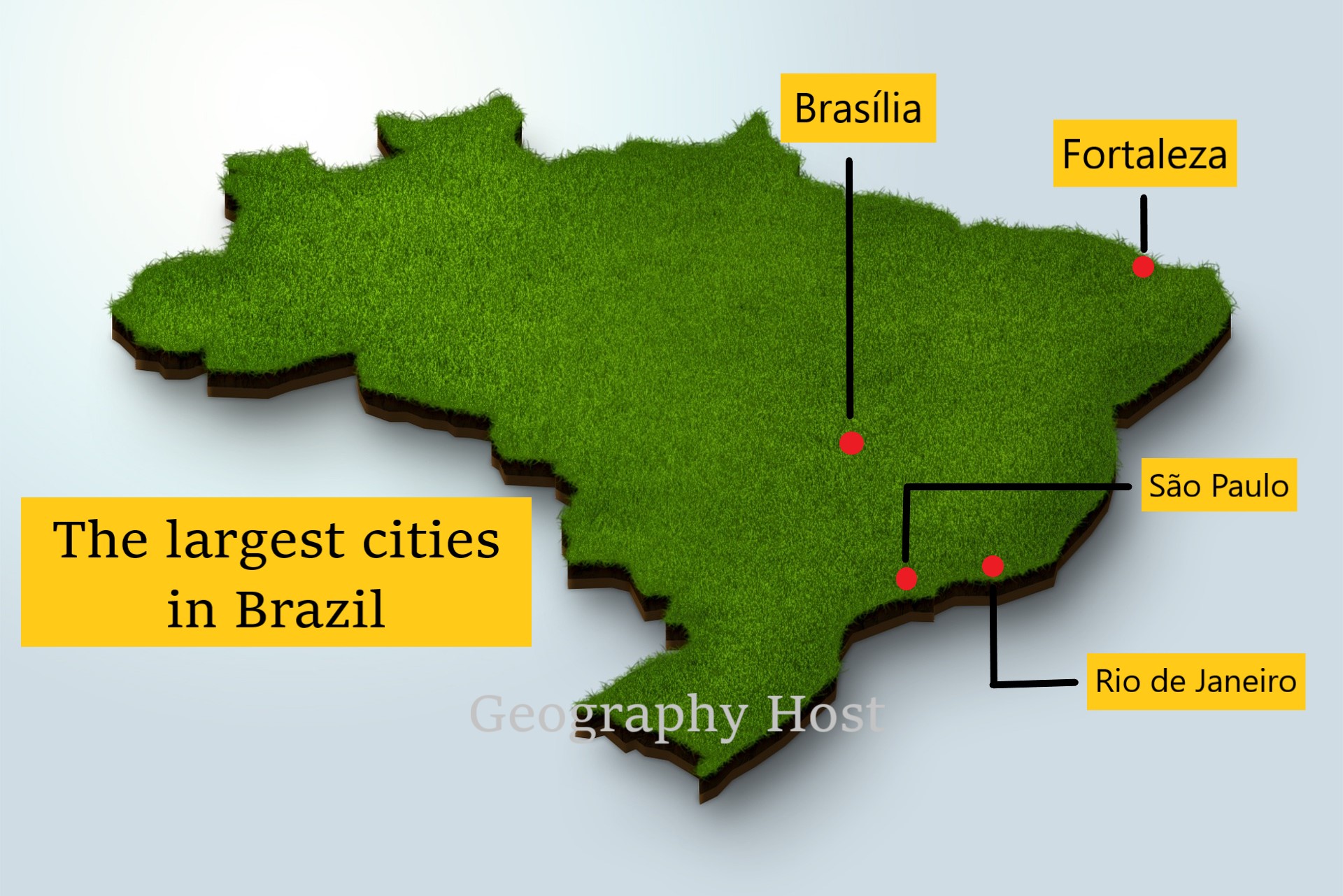
| 5 | Sao Paulo | Brazil | ~23.1 Million |
| 6 | Mexico City | Mexico | ~22.8 Million |
| 7 | Cairo | Egypt | ~22.6 Million |
| 8 | Beijing | China | ~22.2 Million |
| 9 | Mumbai | India | ~21.7 Million |
| 10 | Osaka-Kobe-Kyoto | Japan | ~19.0 Million |
Regional Analysis and Urban Challenges
The growth of these top ten cities presents both significant economic opportunities and substantial logistical challenges. Understanding the regional dynamics of these urban giants helps explain how they sustain their populations.
Asia's Dominance
Asian mega-cities account for the majority of the top ten list. Cities like Tokyo and Osaka represent mature, high-density urban environments characterized by sophisticated mass transit and earthquake-resistant high-rise architecture. Conversely, Delhi and Dhaka are experiencing intense growth spurts. This rapid expansion often outpaces infrastructure development, leading to challenges in water management, air quality, and housing affordability.
The Latin American Perspective
Sao Paulo and Mexico City represent the primary urban engines of the Western Hemisphere. These cities function as massive commercial, cultural, and political capitals. They are characterized by vast, dense central districts and sprawling suburban peripheries. Unlike the more aging population trends seen in Japan, these cities are experiencing the ongoing effects of internal migration from rural areas and sustained regional development.
Infrastructure and Resource Management
The defining factor for the continued viability of these cities is infrastructure. As metropolitan areas expand, the demand for energy, sanitation, and transportation increases exponentially. Mega-cities with the most successful outcomes are those that have implemented "smart" urban planning, such as integrated public rail systems and centralized waste management, which mitigate the negative effects of overcrowding.
Prerequisites for Urban Sustainability
For a city to effectively manage a population exceeding 20 million, it must meet several technical and administrative prerequisites. Without these, the quality of life tends to degrade, leading to "urban decay" even while the city remains economically productive.
- Integrated Mass Transit: High-capacity metro or bus-rapid transit (BRT) systems are essential to move millions of people across vast distances daily.
- Utilities and Sanitation: Reliable, large-scale water treatment and electrical grids are the baseline requirements for public health.
- Zoning and Verticality: To manage land scarcity, urban centers must effectively utilize high-density residential and commercial zoning.
- Governance: Centralized administrative bodies must be capable of coordinating services across different municipalities that make up the broader metropolitan region.
Common Misconceptions Regarding City Size
One common mistake in evaluating the "largest" city is relying on outdated census data. Because these cities grow at different rates, a ranking from even three years ago may be inaccurate by millions of residents. Furthermore, users often confuse "urban area" (built-up physical territory) with "metropolitan area" (the functional economic region).
When conducting your own research, ensure that you are viewing data from a consistent year and, ideally, a consistent methodology. The United Nations World Urbanization Prospects is a standard source for these estimates, though private demographic firms often provide more granular 2026 projections based on current satellite imagery and local census updates.
Economic and Social Impact
The economic weight of these top ten cities cannot be overstated. They function as "primate cities"—the dominant centers of their respective nations. In many cases, these cities contribute a disproportionate percentage to the national GDP. For instance, the Tokyo-Yokohama area is the world’s largest urban economy, functioning as a global hub for finance, technology, and manufacturing. The social impact is equally profound, as these cities act as magnets for global talent, leading to highly diverse and culturally vibrant populations.
Frequently Asked Questions
Why does Tokyo appear at the top of the list despite reports of declining population in Japan? While Japan’s national population is aging and slightly declining, Tokyo’s metropolitan area continues to act as an economic "black hole," attracting young workers from across the country. The concentration of business and education keeps the metropolitan region's population levels stable at a very high plateau.
Is it possible for a city to be too large to function? There is no specific population "limit" after which a city fails. However, the concept of "diseconomies of scale" suggests that once infrastructure costs—like traffic congestion, pollution, and public service strain—outweigh the economic benefits of density, the city may lose its competitive edge. Most mega-cities address this by decentralizing business districts to suburban hubs.
What is the difference between a mega-city and a mega-region? A mega-city is typically defined as a single metropolitan area with a population over 10 million. A mega-region, however, is a cluster of two or more large cities that have effectively merged through infrastructure and economic integration, such as the Pearl River Delta in China.
How do administrative boundaries affect population rankings? If you look at the city proper of Chongqing, China, it might appear to have an enormous population due to its massive administrative district boundaries, which include large rural areas. This is why demographers prefer the "metropolitan area" definition, which filters out rural territory to focus on the truly urbanized density.
Are there major cities that might leave the top ten list soon? Yes. As urbanization rates shift, cities in regions with lower fertility rates may be overtaken by emerging mega-cities in sub-Saharan Africa, such as Lagos or Kinshasa, which are growing at significantly faster rates than Tokyo or Osaka.
Next Steps for Research
If you are analyzing these cities for business, relocation, or academic purposes, the most actionable next step is to examine the "Master Plan" documentation for each city. These are public, state-issued documents that outline the infrastructure and development goals for the next decade. Reviewing these plans will give you a clearer picture of how each city intends to handle its population growth and whether it is prioritizing sustainable, transit-oriented development or traditional, car-centric expansion.
Image Gallery