Logical Position as a New Player in Online Identity Verification: Market Entry, Strategy, and Implications
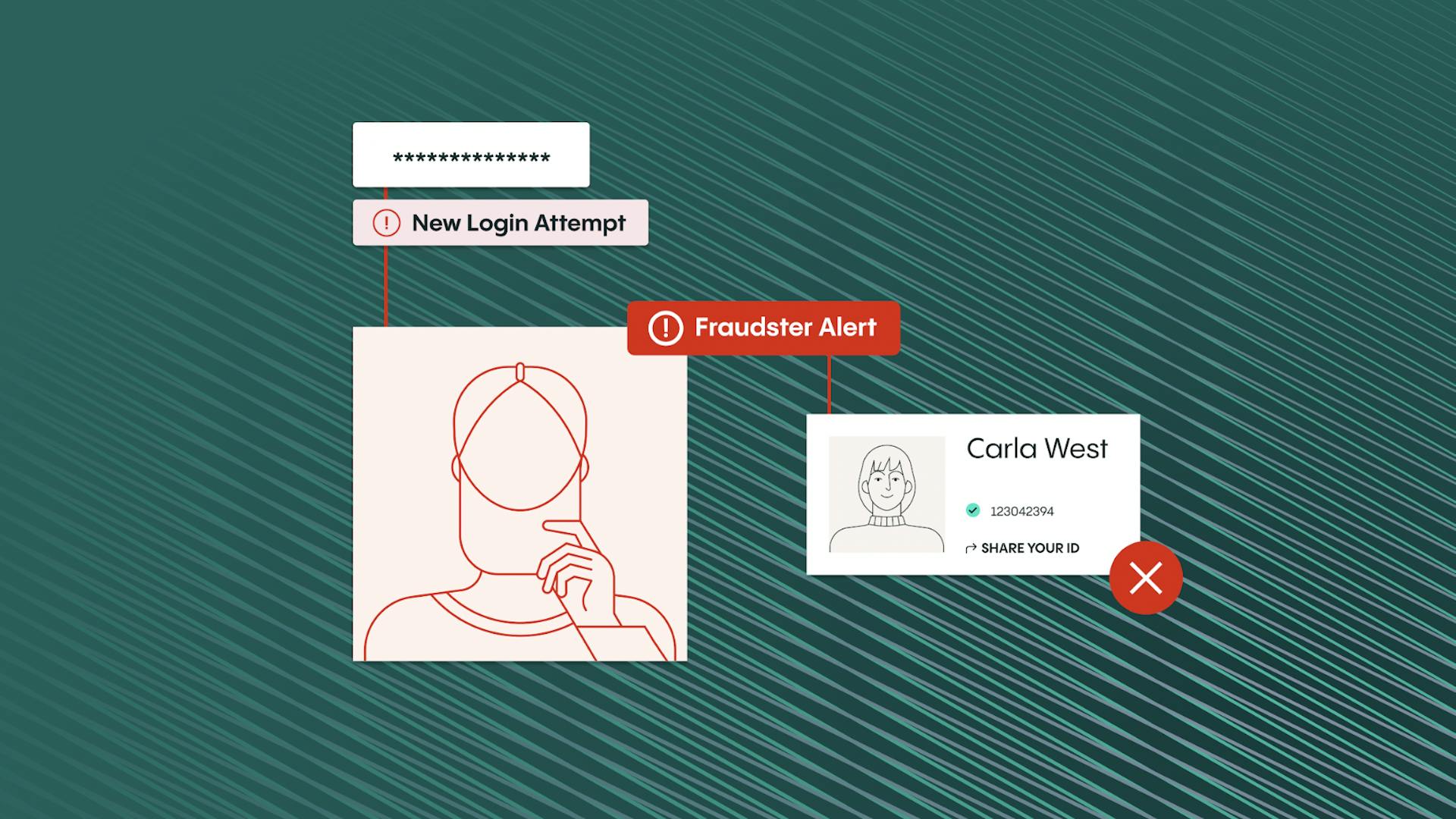
Logical Position—widely recognized as a prominent digital marketing and SEO agency—has drawn industry curiosity regarding its emergence or strategic positioning in the digital identity verification sector. When a marketing powerhouse e...
Logical Position—widely recognized as a prominent digital marketing and SEO agency—has drawn industry curiosity regarding its emergence or strategic positioning in the digital identity verification sector. When a marketing powerhouse explores or is associated with online identity verification, it signals a major shift toward trust-based data solutions, user authentication, and privacy-compliant marketing frameworks.
Contents
Understanding the Landscape of Online Identity Verification
Online identity verification encompasses the technologies, protocols, and regulatory frameworks used by digital platforms to confirm that a user is who they claim to be. As fraud rates climb, data breaches multiply, and regulations such as the General Data Protection Regulation (GDPR) and the California Consumer Privacy Act (CCPA) tighten, enterprises face unprecedented pressure to secure user journeys.
Historically, identity verification (IDV) fell strictly within the domain of cybersecurity firms, financial technology (fintech) providers, and specialized compliance software companies. However, modern digital marketing relies heavily on first-party data, authenticated user profiles, and contextual targeting. The convergence of marketing services and identity resolution has created a bridge where agencies like Logical Position might explore verification tools to help clients combat ad fraud, ensure lead quality, and build secure consumer relationships.
- Traditional Identity Verification
- (Cybersecurity, Fraud Prevention, AML/KYC, Financial Tech)
- Modern Digital Convergence
- (First-Party Data, Authenticated Profiles, Ad Fraud Defense)
- Marketing-Adjacent IDV Solutions
- (Lead Quality Assurance, Trust Signaling, Compliance)
Why Digital Marketing Agencies Are Looking at Identity Solutions
Digital marketing agencies operate at the intersection of consumer acquisition and data analytics. Several operational and market-driven pressures explain why an agency ecosystem would expand into identity verification or related authentication layers:
Combating Click Fraud and Bot Traffic
Paid search and social media campaigns suffer significantly from automated bot traffic and fraudulent clicks. By integrating verification protocols, platforms can ensure that ad spend targets genuine human users, thereby maximizing return on investment (ROI) for enterprise clients.
The Death of Third-Party Cookies
As browsers phase out third-party cookies, marketers must rely on alternative identifiers. Authenticated user identity networks provide a reliable foundation for attribution, cross-device tracking, and personalized messaging without violating privacy mandates.
Lead Generation Integrity
For businesses relying on form submissions, phone calls, and digital sign-ups, fake leads drain sales team resources. Identity verification tools allow marketing platforms to vet incoming leads instantly, ensuring that sales pipelines contain only valid prospects.
Evaluating Logical Position's Strategic Positioning
While Logical Position is traditionally known for pay-per-click (PPC) management, search engine optimization, and web design, looking at them as a "new player" in identity verification requires distinguishing between core software development and auxiliary marketing tech infrastructure.
Rather than competing directly with enterprise-grade KYC (Know Your Customer) vendors like Jumio or Onfido, agencies entering this space typically focus on identity resolution, consent management, and fraud mitigation within advertising ecosystems.
Core Capabilities vs. Agency Adaptations
| Feature / Metric | Traditional IDV Providers | Marketing-Adjacent Verification (e.g., Agency Ecosystems) |
|---|---|---|
| Primary Focus | Regulatory compliance, AML, banking-grade security | Lead validation, ad fraud reduction, first-party data capture |
| Target Audience | Chief Information Security Officers (CISOs), Compliance Officers | Chief Marketing Officers (CMOs), Demand Generation Directors |
| Integration Point | Core banking apps, onboarding portals, account creation | CRM systems, ad servers, landing page lead forms |
| Data Handling | Biometric scanning, government ID parsing | Consent tracking, hashed emails, behavioral signals |
Technical Implementation and Operational Prerequisites
Deploying identity verification or advanced validation mechanisms within a digital marketing framework requires careful technical alignment. Organizations looking to adopt these solutions must satisfy several prerequisites to maintain data security and regulatory compliance.
1. Data Privacy Frameworks
Any tool handling user identifiers must comply with international and regional privacy laws. This requires implementing clear consent banners, secure data encryption at rest and in transit, and robust data retention schedules.
2. CRM and API Integration
Verification layers must integrate seamlessly with existing customer relationship management (CRM) platforms such as Salesforce or HubSpot. Real-time API calls validate user data at the moment of submission without adding excessive latency to the user experience.
3. Cross-Device Resolution
Modern consumers interact with brands across smartphones, tablets, and desktop computers. Effective identity tools resolve these touchpoints into a single, cohesive user profile while respecting privacy choices.
Challenges and Limitations in Marketing-Led Identity Solutions
Integrating identity verification features into a marketing-centric business model presents distinct challenges:
- User Friction: Overly aggressive verification steps can increase cart abandonment rates and lower conversion efficiency.
- Privacy Backlash: Consumers are increasingly wary of tracking and data harvesting. Positioning verification as a surveillance mechanism rather than a security benefit can alienate audiences.
- Regulatory Complexity: Navigating differing state and national privacy laws exposes organizations to legal risk if data handling practices are misaligned.
Frequently Asked Questions
What is online identity verification in the context of digital marketing?
It refers to the process of confirming that digital leads, web visitors, and ad clickers are real humans rather than bots, ensuring higher ad performance and cleaner lead databases.
Does Logical Position provide direct cybersecurity IDV services?
Logical Position is primarily recognized as a digital marketing and SEO agency. Any involvement in identity verification typically centers around lead validation, ad fraud prevention, and first-party data strategies rather than banking-grade KYC compliance.
How does identity verification impact ad spend efficiency?
By filtering out fraudulent traffic and unverified leads, advertisers avoid wasting budgets on non-converting interactions, leading to a lower cost per acquisition (CPA).
What are the main privacy concerns with identity verification tools?
Concerns typically focus on excessive data collection, lack of transparent user consent, and the secure storage of sensitive consumer identifiers.
How can businesses prepare for identity-driven marketing shifts?
Companies should audit their data collection practices, prioritize first-party data strategies, and ensure their lead capture forms utilize secure validation APIs.
Practical Next Actions for Organizations
Organizations seeking to enhance their digital trust and identity verification measures should begin by conducting a comprehensive data audit. Evaluate existing lead generation forms, identify vulnerabilities to bot traffic, and assess whether current marketing partners offer integrated validation layers. Aligning marketing strategies with robust, privacy-compliant data practices ensures long-term resilience in an increasingly scrutinized digital landscape.
Image Gallery