Sarah Brigham of Sycamore Brewing: Executive Profile, Brand Vision, and Regional Expansion
Sarah Brigham is the co-founder and key executive leader of Sycamore Brewing, one of the Southeast’s fastest-growing craft breweries based in Charlotte, North Carolina. Co-founding the business in 2014 alongside her husband, Justin Bri...
Sarah Brigham is the co-founder and key executive leader of Sycamore Brewing, one of the Southeast’s fastest-growing craft breweries based in Charlotte, North Carolina. Co-founding the business in 2014 alongside her husband, Justin Brigham, she has driven the company's brand direction, retail strategy, taproom operations, and regional wholesale market expansion across multiple states.
Contents
The Founding of Sycamore Brewing: A Charlotte Craft Beer Anchor
When Sarah Brigham and Justin Brigham founded Sycamore Brewing in 2014, Charlotte’s craft beverage ecosystem was entering a period of rapid development. Located in the city’s vibrant South End district, Sycamore Brewing opened its doors on 2161 Hawkins Street with a modest taproom footprint and a commitment to approachable, high-quality, craft-brewed beverages.
Sarah Brigham played a pivotal role from inception, shaping the customer-facing ethos of the brewery. While early craft breweries often focused heavily on industrial, production-centric tasting rooms tailored primarily to niche beer aficionados, Brigham prioritized an inclusive, community-oriented social hub. She recognized early on that long-term brand equity depended not just on recipe formulation, but on creating an engaging, repeated consumer experience.
Under her operational leadership, the original Hawkins Street site transformed into a bustling neighborhood fixture. The brewery gained notoriety for hosting large community gatherings, food truck rallies, and live music events, establishing a model that integrated local culture directly into the revenue mix. This community-first strategy helped establish a loyal customer base before the company undertook aggressive wholesale distribution.
Strategic Leadership and Operational Direction
As co-founder and corporate executive, Sarah Brigham oversees critical business operations, including brand identity, retail operations, workforce management, and strategic market positioning. Her executive approach emphasizes brand authenticity, visual distinction, and commercial agility within a competitive consumer packaged goods (CPG) category.
Brand Differentiation and Packaging Strategy
One of Brigham’s most notable impacts on Sycamore Brewing is its vibrant, recognizable product packaging. In a retail landscape dominated by traditional craft imagery, Sycamore introduced bold color palettes, playful naming conventions, and distinctive graphics across its core and seasonal lineups.
flagship offerings like Mountain Candy IPA, Beach Candy IPA, and Juiceness feature eye-catching, highly visual can designs that perform exceptionally well on retail shelves. Brigham ensured that packaging communicated flavor profiles clearly to average consumers, lowering the barrier to entry for shoppers browsing crowded grocery aisles.
Navigating Female Leadership in Craft Brewing
The craft beverage industry historically exhibits low representation of female founders and C-suite executives. Sarah Brigham’s leadership at Sycamore places her among a selective group of women steering major regional production breweries in the United States.
Rather than treating diversity as a passive credential, Brigham has actively structured Sycamore’s leadership team and workplace environment to foster broader operational talent. Her presence in executive decision-making has influenced product development, marketing campaigns, and human resources policies, ensuring the brand appeals to a wide demographic spectrum beyond traditional craft beer customer profiles.
Production Scaling and Regional Wholesale Expansion
Transitioning a successful single-site taproom into a high-volume distribution brand requires complex capital allocation, logistics management, and supply chain oversight. Sarah Brigham and the executive team managed Sycamore’s evolution from local pour house to multi-state production powerhouse.
Expanding Distribution Channels
Recognizing that taproom sales hit volumetric ceilings, Sycamore established partnerships with major beverage distributors across the Southeastern United States. The brewery systematically expanded its footprint outside North Carolina into adjacent markets, including South Carolina, Virginia, Georgia, Tennessee, and Ohio.
Brigham focused on securing shelf placement in high-volume grocery chains, big-box retailers, and convenience store networks—such as Harris Teeter, Publix, Total Wine & More, Kroger, and Food Lion. This retail-focused strategy required strict quality assurance standards, consistent volume output, and aggressive field marketing, which Brigham’s team managed while expanding brewing capacity.
Portfolio Diversification
Under Brigham's commercial guidance, Sycamore expanded beyond traditional ale and lager styles to capture emerging beverage trends. Recognizing shifting consumer preferences toward low-calorie, alternative alcohol categories, Sycamore launched proprietary lines of hard seltzers, cider offerings, and seasonal cold-brew coffee-infused beverages.
This agility protected the company against localized slowdowns in craft beer consumption, establishing Sycamore as a multi-category beverage company rather than a single-product brewery.
Flagship Relocation: The 1111 South Boulevard Expansion
A defining landmark in Sarah Brigham’s executive career at Sycamore Brewing was the planning, execution, and launch of the brewery’s massive new flagship location. As South End Charlotte underwent intensive real estate development, the original Hawkins Street location closed to make way for the brand's upgraded facility at 1111 South Boulevard.
- Original Hawkins St Taproom (2014)
- Local Community Focus
- Small-Batch Brewing
- Regional Wholesale Expansion
- Multi-State Grocery/Retail
- Expanded Canning Capacity
- Flagship South Blvd Facility (2023+)
- 10,000+ Sq Ft Urban Hub
- Full Kitchen, Coffee & Rooftop
Opened in mid-2023, the custom-built space represents a significant capital investment and a step-change in taproom architecture:
- Expanded Footprint: Over 10,000 square feet of interior and exterior space designed to accommodate high-volume retail traffic.
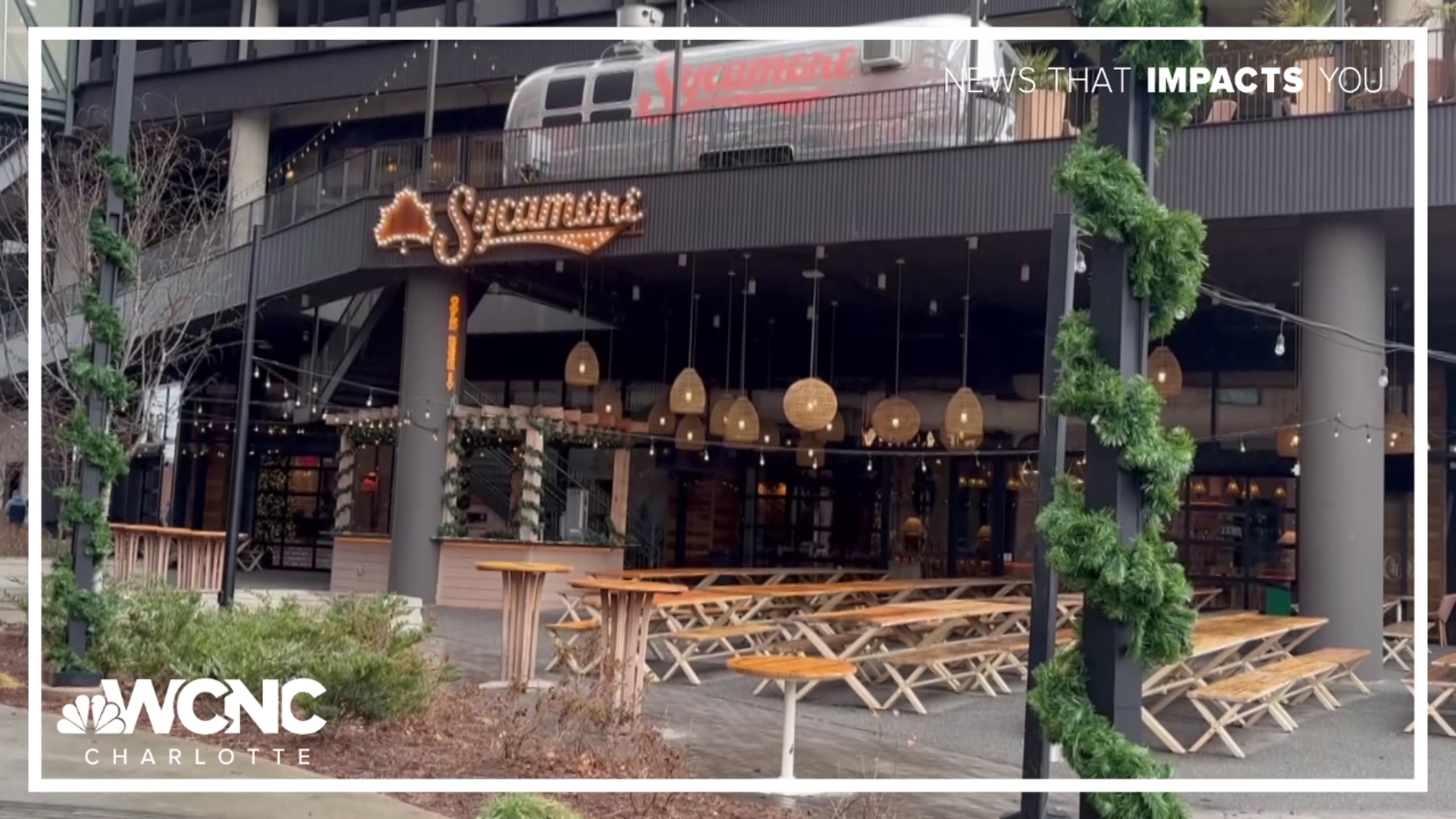
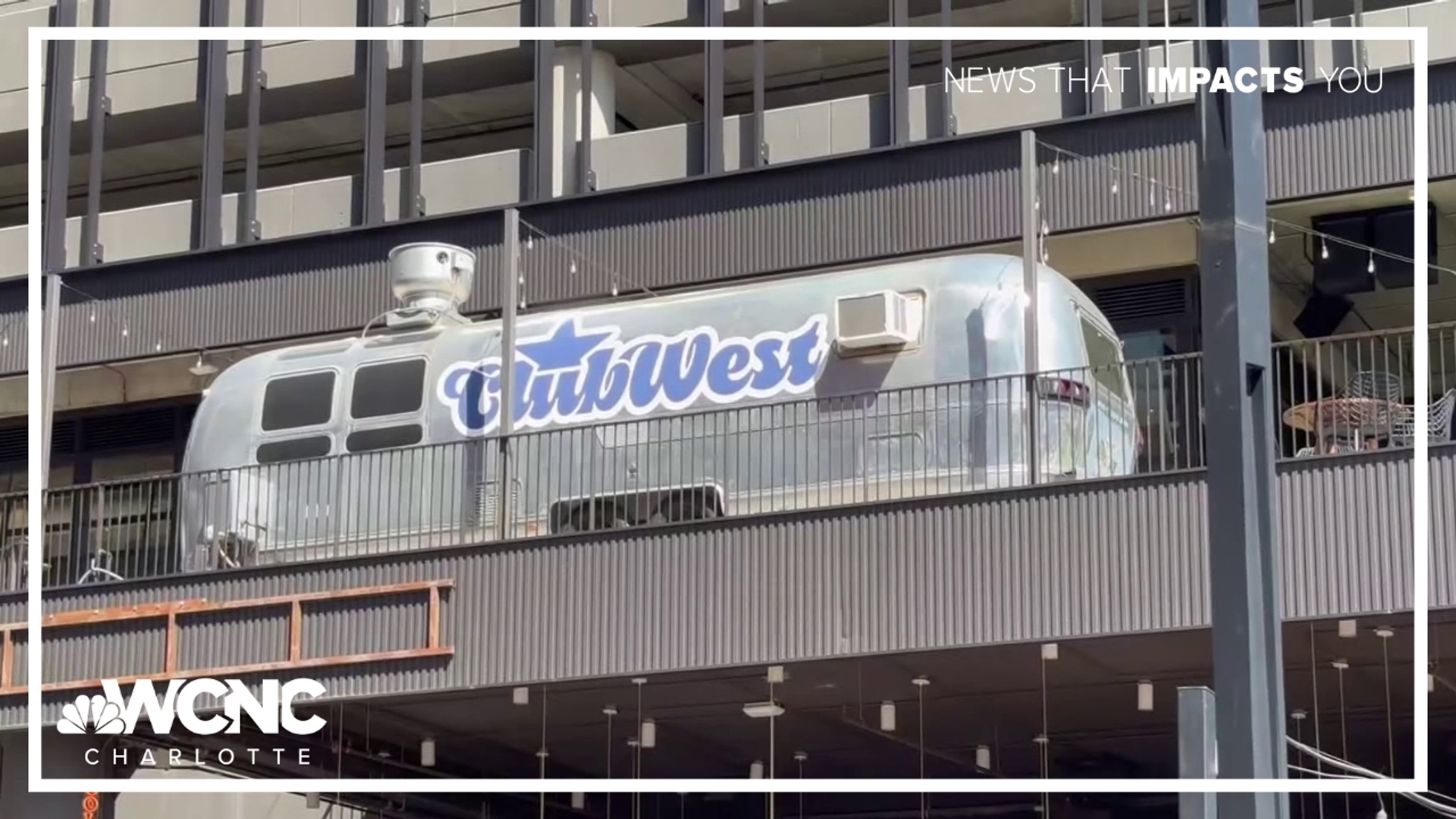
- Multi-Tier Hospitality: Features a multi-level layout, including a ground-floor taproom, an expansive outdoor beer garden, an executive rooftop lounge overlooking the Charlotte skyline, and an integrated cafe service.
- Full-Service Food Program: Transitioning from external food truck dependency, Brigham oversaw the integration of a full-scale commercial kitchen, allowing Sycamore to capture food margin alongside beverage sales.
- All-Day Retail Model: Incorporating morning coffee service and grab-and-go options to maximize venue utilization from morning through night.
The expansion underscored Brigham’s belief in experiential retail: physical hospitality venues serve as powerful, high-margin customer acquisition channels that reinforce wholesale purchasing in grocery stores.
Milestones and Executive Growth Summary
The trajectory of Sycamore Brewing under Sarah Brigham’s executive management highlights key structural milestones that shaped the company’s enterprise value.
| Timeline Era | Strategic Focus | Operational Milestone | Key Leadership Contribution (Sarah Brigham) |
|---|---|---|---|
| 2014 – 2016 | Market Entry & Taproom Foundation | Launch at 2161 Hawkins St, South End Charlotte | Directed community event programming, brand identity, and customer service standards. |
| 2017 – 2019 | Wholesale & Regional Expansion | Introduction of regional canning lines; retail chain placements | Designed high-impact can graphics; managed early grocery distribution partnerships. |
| 2020 – 2022 | Portfolio Agility & Supply Chain Resilience | Diversification into craft hard seltzers; production scaling | Overseeing supply chain logistics during market disruptions; expanding out-of-state wholesale networks. |
| 2023 – Present | Flagship Opening & Enterprise Maturity | Opening of 1111 South Blvd complex; multi-category beverage growth | Executive oversight of real estate development, full kitchen integration, and corporate brand positioning. |
Business Lessons from Sarah Brigham’s Leadership
Sarah Brigham’s tenure co-leading Sycamore Brewing yields strategic insights for entrepreneurs, beverage industry professionals, and corporate executives evaluating consumer brand growth.
1. Balance Hospitality Margins with Distribution Scale
Direct-to-consumer taproom sales deliver higher profit margins per barrel, but wholesale distribution delivers volume and brand enterprise value. Brigham’s strategy leveraged the taproom as a high-margin marketing engine that generated consumer demand, which was then monetized at scale through grocery store shelves across the Southeast.
2. Prioritize Accessible Visual Branding
In crowded CPG markets, technical product details matter less to the average consumer than clear visual cues and taste expectations. Brigham emphasized approachable, colorful, and standardized branding that demystified craft beer for casual drinkers without alienating enthusiast bases.
3. Build Flexible Physical Infrastructure
The transition to the South Boulevard flagship demonstrated the importance of multi-use commercial real estate. By incorporating all-day services (coffee, lunch, evening drinks, rooftop events), Brigham maximized revenue per square foot and built a business resilient to single-occasion traffic fluctuations.
Frequently Asked Questions
Who is Sarah Brigham?
Sarah Brigham is the co-founder and executive leader of Sycamore Brewing, a premier craft beverage company headquartered in Charlotte, North Carolina. Alongside her husband, Justin Brigham, she established the brewery in 2014 and has overseen its growth into a top-tier Southeastern brand.
Where is Sycamore Brewing located?
Sycamore Brewing’s flagship taproom and restaurant is located at 1111 South Boulevard in the South End neighborhood of Charlotte, North Carolina. The facility features a multi-level taproom, rooftop bar, full kitchen, coffee shop, and outdoor garden area.
What are Sycamore Brewing's most popular products?
Sycamore Brewing is widely known for its flagship India Pale Ales, including Mountain Candy IPA and Beach Candy IPA, as well as seasonal craft beers, specialty stouts, cider blends, and proprietary hard seltzers.
How did Sarah Brigham contribute to Sycamore's market growth?
Sarah Brigham managed brand design, retail taproom operations, field marketing, and business strategy. Her focus on vibrant packaging, inclusive community events, and chain retail placement (such as Harris Teeter and Publix) helped scale Sycamore into a multi-state beverage distributor.
Where can consumers purchase Sycamore Brewing products?
In addition to the flagship South Boulevard location in Charlotte, Sycamore products are distributed across major grocery stores, big-box retailers, independent bottle shops, and bars in North Carolina, South Carolina, Virginia, Georgia, Tennessee, and Ohio.
Practical Recommendations for Craft Beverage Founders
For prospective craft brewery owners and beverage executives looking to replicate the brand expansion achieved by Sarah Brigham and her team, consider the following action steps:
- Standardize Brand Identity Before Scaling: Ensure packaging design, color strategy, and product naming translate clearly to retail shelf environments before making large investments in contract brewing or canning lines.
- Invest in Multi-Category Beverage Capability: Avoid over-reliance on a single style or craft category. Ensure facility licensing and equipment permit expansion into non-alcoholic, seltzer, or cider options as market trends evolve.
- Optimize Real Estate for Multi-Daypart Revenue: When planning direct-to-consumer taprooms or venues, design spaces capable of operating across multiple dayparts (morning coffee, lunch dining, evening lounge) to balance fixed facility overhead.
- Strengthen Field Marketing and Wholesale Relationships: Distributor partnerships require active vendor support. Maintain dedicated field representatives and clear retail activation plans to sustain product velocity once shelf placement is secured.
Image Gallery