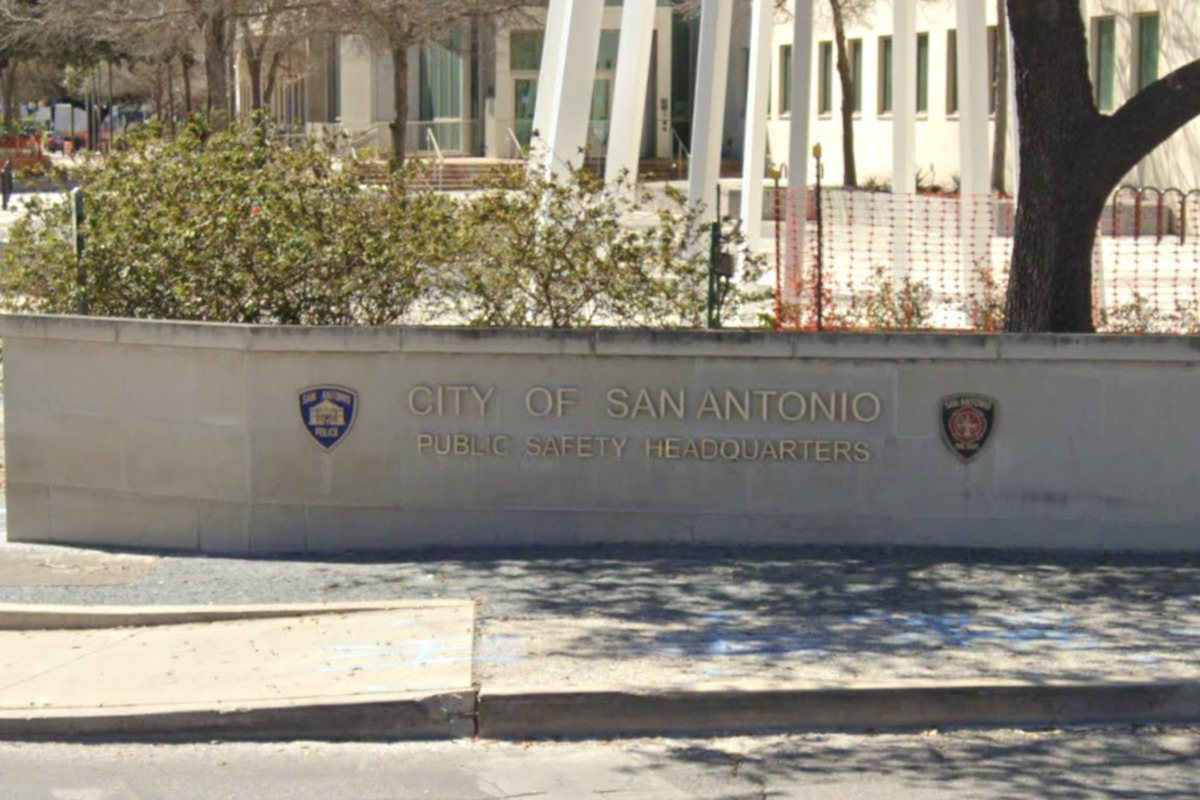
SAPD Active Calls: How to Access and Interpret San Antonio Police Department Dispatch Data
The San Antonio Police Department (SAPD) active calls feed provides real-time public access to ongoing emergency and non-emergency dispatch logs within the city limits. This resource allows residents, journalists, and researchers to tr...
The San Antonio Police Department (SAPD) active calls feed provides real-time public access to ongoing emergency and non-emergency dispatch logs within the city limits. This resource allows residents, journalists, and researchers to track active police responses, view incident types, and monitor public safety updates across Bexar County.
Contents
Understanding the SAPD Active Calls Public Feed
Public safety transparency relies on providing accessible, near real-time data to the community. The SAPD active calls system aggregates computer-aided dispatch (CAD) logs to display current incidents requiring police intervention. While this feed offers valuable situational awareness, understanding how to interpret the data requires knowing what information is included, how often it refreshes, and its inherent limitations.
The feed typically displays data fields that help identify the nature and location of an ongoing call. These records help citizens avoid active emergency scenes, track neighborhood safety trends, and verify reported incidents. However, the system is designed for informational purposes and does not replace official emergency channels.
Core Data Fields Found in Dispatch Logs
When viewing active CAD logs, several standardized data points appear for each entry. Familiarity with these fields ensures accurate interpretation of the dispatch status.
- Incident Number: A unique tracking identifier assigned by the dispatch system to every individual call.
- Call Type/Description: The classification of the incident, ranging from minor traffic disturbances to major crimes in progress.
- Block Address: The generalized geographic location of the incident, usually masked to the block level for privacy and safety reasons.
- Date and Time: The timestamp recording when the call was initially received and logged by the dispatcher.
- Dispatch Status: Indicators showing whether units have been assigned, are en route, or are currently on the scene.
How to Access Live San Antonio Police Dispatch Data
Accessing current dispatch records requires navigating official municipal or authorized public safety portals. The City of San Antonio maintains digital infrastructure designed to deliver public-facing information regarding police, fire, and emergency medical services.
Citizens can access these logs via web browsers on desktop and mobile devices. Because active dispatch systems experience high traffic volumes during major weather events or critical incidents, users should rely on official city domains to ensure data integrity and avoid third-party scraping sites that may display delayed or inaccurate information.
Step-by-Step Guide to Checking Active Incidents
- Navigate to the official City of San Antonio open data portal or the designated SAPD public safety page.
- Locate the live CAD or active calls link, typically found under the public safety or police transparency section.
- Review the disclaimer regarding data delays, privacy masking, and emergency protocol usage.
- Use available filter options—such as police substations, council districts, or specific call types—to narrow down the displayed data.
- Refresh the page periodically, as active logs update continuously based on live dispatcher input.
Interpreting Call Types and Priority Levels
SAPD dispatchers categorize calls based on urgency, potential threat to life and property, and the required response protocol. Understanding these categories helps contextualize why certain incidents receive immediate officer deployment while others experience queuing delays.
High-priority calls involve active threats, violent crimes in progress, or severe traffic accidents with injuries. Lower-priority calls typically encompass property damage, noise complaints, or past-occurred offenses where the suspect is no longer present.
| Priority Level | Typical Incident Examples | Standard Response Protocol |
|---|---|---|
| Priority 1 (High) | Active shooter, robberies in progress, major traffic accidents with injuries | Immediate emergency dispatch with lights and sirens |
| Priority 2 (Medium-High) | Domestic disturbances, alarms, suspicious persons | Urgent response, priority routing based on unit availability |
| Priority 3 (Medium) | Minor accidents without injuries, theft already occurred | Routine dispatch as units become available |
| Priority 4 (Low) | Noise complaints, parking violations, property damage reports | Non-urgent queuing, handled during administrative time |
Limitations and Operational Realities of CAD Feeds
While public dispatch logs provide transparency, they are operational tools first and public information sources second. Several factors influence what appears on the screen and how quickly data populates.
Information displayed on public feeds is subject to a strategic delay to protect officer safety and secure tactical scenes before public broadcast. Furthermore, initial dispatch descriptions often rely on frantic 911 caller reports, meaning the preliminary call type can differ significantly from what officers find upon arrival.
Operational Data Delay Notice
Public safety feeds intentionally withhold sensitive details, exact residential addresses, and ongoing tactical movements. Do not use active call logs to self-dispatch, investigate crimes independently, or interfere with active law enforcement operations. Always dial 911 for immediate emergencies.
Comparison: SAPD Active Calls vs. Alternative Public Safety Tools
Navigating local safety resources requires knowing which platform serves specific needs. The SAPD active calls feed is distinct from crime mapping software, traffic cameras, and historical reporting databases.
| Feature / Resource | SAPD Active Calls Feed | SAPD Crime Mapping Software | City Traffic Cameras (TxDOT/CoSA) |
|---|---|---|---|
| Data Recency | Real-time / Near live | Historical (updated weekly/monthly) | Live video streams |
| Primary Purpose | Monitor ongoing emergency responses | Analyze neighborhood crime trends | View current roadway congestion |
| Geographic Scope | San Antonio city limits | Bexar County / SAPD jurisdiction | Major highways and arterial roads |
| Incident Detail | Broad dispatch classifications | Verified police report summaries | Visual feed only (no incident text) |
Frequently Asked Questions
Why does an active call disappear from the SAPD feed?
Calls are removed or archived from the active feed once units clear the scene, the incident is closed, or the dispatch status transitions to a completed report. This ensures the public view reflects only truly active responses.
Can I listen to SAPD scanner audio through the active calls page?
Official SAPD active calls pages typically provide text-based CAD data rather than live audio streams. Due to operational security and encryption standards implemented by modern law enforcement agencies, public access to live radio traffic may be limited or unavailable.
Why do dispatch descriptions sometimes change or get updated?
Initial call descriptions reflect the raw information provided by callers during high-stress 911 conversations. As officers arrive and assess the scene, dispatchers update the record to reflect the verified nature of the incident.
Are all police incidents visible on the active calls feed?
No. Sensitive investigations, juvenile cases, domestic violence calls, and tactical operations involving specialized units are routinely withheld from public-facing feeds to protect victim privacy and maintain operational integrity.
How can I report a crime if it is not listed on the active calls page?
If you witness an active crime or require emergency assistance, do not rely on online feeds—dial 911 immediately. For non-emergency reporting, use the official SAPD non-emergency telephone line or the online citizen reporting portal provided by the City of San Antonio.
Navigating Local Public Safety Responsibilities
Staying informed about community safety in San Antonio requires utilizing the SAPD active calls feed appropriately while respecting the boundaries of live police operations. By understanding how dispatch logs function, residents can better interpret local emergency responses and maintain situational awareness across their neighborhoods.
Image Gallery