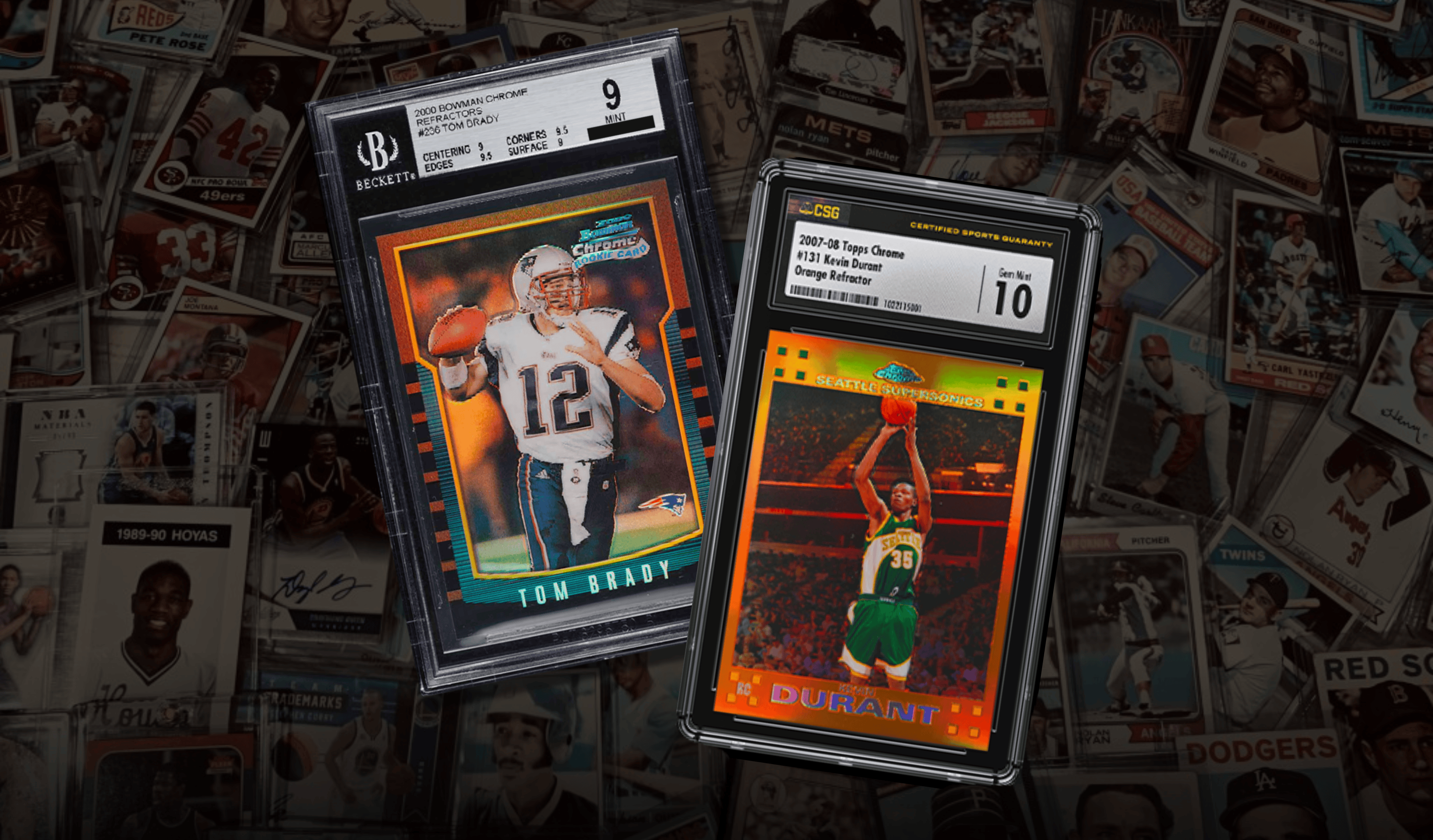
What the PWCC November Auction Means for Collectors
The PWCC November auction serves as a critical liquidity event and market bellwether, signaling the transition from the post-baseball season into the peak of the NBA and NFL cycles. For collectors, it represents a high-volume opportuni...
The PWCC November auction serves as a critical liquidity event and market bellwether, signaling the transition from the post-baseball season into the peak of the NBA and NFL cycles. For collectors, it represents a high-volume opportunity to acquire blue-chip assets or capitalize on seasonal price fluctuations ahead of the year-end holiday period.
Contents
The collectibles market has undergone significant structural changes leading into 2026, particularly following the acquisition of PWCC by Fanatics. As we navigate the November 2026 auction window, the landscape is defined by increased transparency, integrated vaulting services, and a distinct separation between "investment-grade" assets and "hobbyist" inventory. Understanding the nuances of this specific auction month is essential for anyone looking to optimize their portfolio or secure rare items before the calendar turns.
The Strategic Importance of the November Auction Cycle
November is historically a month of high activity in the trading card and collectibles industry. It sits at a unique crossroads of the sporting calendar and the fiscal year. By the time the November Premier and Weekly auctions go live, the World Series has concluded, the NFL season is in its high-stakes mid-point, and the NBA season is just beginning to find its rhythm.
Holiday Liquidity and Market Volume
For many collectors, November represents the final chance to generate liquidity before the December holidays. This often leads to an influx of high-quality "raw" and "slabbed" inventory on the PWCC platform. Sellers are often motivated to move assets to fund holiday purchases or to rebalance portfolios for tax purposes before the fiscal year-end. For buyers, this increased supply can sometimes lead to localized "softness" in certain niches, providing a strategic entry point for long-term holds.
The "Bridge" Effect
The November auction acts as a bridge between the speculative "hype" of the early autumn and the more stabilized market of the winter. Collectors use the realized prices from the November Premier Auction—PWCC’s flagship high-end event—to set the baseline for valuations during the winter show circuit. If a 1986 Fleer Michael Jordan PSA 10 sees a price correction in November, that ripple effect is felt across the entire basketball market through January.
Navigating the PWCC Auction Tiers
PWCC operates several distinct auction formats, each serving a different segment of the collecting community. In November 2026, these distinctions are more pronounced than ever, requiring collectors to choose their "entry lane" carefully based on their budget and technical expertise.
The Premier Auction
The Premier Auction is the "Main Event." Usually held once a month, it features the highest-end assets, often valued at $5,000 and above. In November, this auction is a showcase for "Holy Grail" items. Collectors should watch the Premier Auction not just to buy, but to gauge the "health" of the top 1% of the market.
- Target Audience: High-net-worth investors and advanced vintage collectors.
- Key Assets: Low-population (Low-Pop) vintage cards, rare 1/1 modern masterpieces, and high-grade TCG (Pokémon/Magic: The Gathering) icons.
The Weekly Sunday Auctions
The Weekly Auctions are the engine of the PWCC marketplace. In November, these auctions handle the bulk of the volume. Because these end every Sunday, they provide real-time data on how the market is reacting to weekly player performances in the NFL or early-season NBA trends.
- Target Audience: Active hobbyists, "flippers," and player-specific collectors.
- Key Assets: Mid-tier graded cards (SGC/PSA 8s and 9s), modern rookie parallels, and specialized memorabilia.
Market Trends and Asset Classes to Watch in 2026
As we examine the 2026 landscape, several specific asset classes show unique behavior during the November auction window. The "Junk Slab" era of 2020–2022 is long gone, replaced by a "Flight to Quality" where buyers are increasingly discerning about sub-grades and eye appeal.
Modern Basketball: The Tip-Off Surge
With the NBA season in its first month, November is the peak of "hope and change" for basketball collectors. Rookie cards from the previous season often see high volatility as their sophomore performances are evaluated. PWCC’s November auctions often see a surge in bidding for young stars who have had a "hot" first ten games.
Vintage Baseball: The Post-Season Cooling
Conversely, baseball often sees a slight dip in volume or price in November as the "Post-Season Fever" breaks. For the savvy collector, this is often the best time to buy high-grade Mickey Mantle or Willie Mays cards. The lack of immediate "on-field" catalysts often leads to less aggressive bidding from speculative buyers, favoring the patient vintage enthusiast.
TCG and Non-Sports: The Holiday Gift Factor
The November auction is a primary sourcing ground for high-end Pokémon and Magic: The Gathering cards. Unlike sports cards, which are tied to seasons, TCG assets are heavily influenced by the holiday gift market and year-end "Grail" hunting. We see a consistent trend of "Charizard" and "Pikachu" assets maintaining high price floors during this month.
Understanding the "Eye Appeal" Premium
A technical aspect of PWCC that becomes vital in high-volume months like November is their proprietary "Eye Appeal" rating system. PWCC, often in conjunction with MBA (Market-Based Analysis), assigns stickers or designations to cards that look better than their technical grade suggests.
| Designation | Meaning | Market Impact |
|---|---|---|
| PWCC-A (Above Average) | Top 30% of the grade | Usually commands a 10-15% premium over standard sales. |
| PWCC-E (Exceptional) | Top 15% of the grade | Can command a 25-50% premium. |
| PWCC-S (Superior) | Top 5% of the grade | Often doubles the "base" price of the grade. |
In the November 2026 auctions, the data shows that "S" and "E" designated cards are increasingly decoupled from standard price guides. Collectors must account for these premiums when setting their maximum bids, as a PSA 8 with an "E" designation will almost certainly out-sell a "standard" PSA 8.
Technical Strategies for Bidding Success
The PWCC platform uses specific bidding mechanics that can be daunting for the uninitiated. To succeed in the November auction, collectors must master "Extended Bidding."
- The Qualification Round: To participate in the "Extended Bidding" phase for a specific item, you must have placed a bid on that item before the clock hits the initial deadline (usually 7:00 PM PT).
- The 1-Minute Rule: Once Extended Bidding begins, any bid placed on an item resets the clock for that specific item to one minute. The auction for that item only ends when a full minute passes without a new bid.
- The All-In Strategy: In the November high-volume environment, wait-and-see approaches often fail. Successful collectors determine their "Walk Away Price" (the absolute maximum they will pay including the 20% buyer's premium) and enter it as a max bid early in the extended window to discourage "nibbling" by other bidders.
The Role of the PWCC Vault in November
By 2026, the integration between the PWCC Vault and the Fanatics ecosystem has streamlined the collection process. For collectors participating in the November auction, the Vault offers a critical advantage: immediate liquidity.
Cards purchased in the November auction can be sent directly to the buyer's Vault account. This bypasses the need for physical shipping, which can be risky during the busy holiday season. Furthermore, items held in the Vault can be "flipped" or re-listed in the December or January auctions with a single click. This technical infrastructure allows collectors to treat their cards more like digital equities, moving in and out of positions based on real-time market data.
Risks and Considerations
While the November auction is full of opportunity, it is not without risks. Collectors must be wary of "Emotional Bidding." The high-stakes nature of the Premier Auction and the fast-paced Weekly Auctions can lead to "Winner’s Curse," where a buyer overpays significantly due to the heat of the moment.
- Buyer’s Premium: Always remember that the final hammer price is not the final cost. PWCC typically charges a 20% buyer’s premium. If you bid $1,000, your actual invoice will be $1,200.
- Sales Tax: Unless you are shipping to a tax-free state or using the PWCC Vault (which is located in Oregon, a sales-tax-free state), you must factor in local sales tax. For many, the Vault is a primary tool for legal tax deferment.
- Market Volatility: A player who looks like a superstar in the first week of November (NBA/NFL) may suffer an injury or a slump by December. Avoid "chasing the dragon" on high-flying modern cards unless you are prepared for significant short-term drawdowns.
Frequently Asked Questions
What makes the November Premier Auction different from other months?
The November Premier Auction is often seen as the "pre-holiday" peak. It typically features items that have been curated over the late summer and early autumn specifically to capitalize on the year-end spending surge. It also sets the pricing floor for the heavy trading that occurs at winter conventions.
How does the Fanatics acquisition affect the 2026 auction experience?
The acquisition has led to deeper integration with Fanatics' broader sports ecosystem. This includes improved authentication processes, faster "grading-to-vault" pipelines, and increased marketing reach, which generally results in higher "eyeballs" on listings and potentially more competitive bidding environments.
Is November a good time to sell cards, or should I wait until the new year?
November is an excellent time to sell high-demand, "in-season" sports cards (NFL/NBA) because buyer engagement is at a seasonal high. However, for "out-of-season" sports like Baseball, you might find a more receptive audience in February or March during Spring Training.
What is the "Extended Bidding" phase in PWCC auctions?
Extended Bidding is a window that follows the main auction close. It prevents "sniping" (last-second bidding). If you have placed a bid before the deadline, you can continue to bid in the extended window. Each new bid resets a one-minute timer, ensuring the item goes to the person truly willing to pay the most.
Why are some cards in the November auction labeled as "MBA Authenticated"?
MBA (Market-Based Analysis) provides an additional layer of scrutiny regarding a card's physical condition and "eye appeal" within its assigned grade. An MBA sticker on a PWCC listing acts as a third-party endorsement that the card is of high quality for its grade, often leading to higher final sales prices.
Final Recommendation for Collectors
For collectors looking to engage with the PWCC November auction, the most effective strategy is a "Split-Focus" approach. Utilize the Weekly Auctions to find undervalued "off-season" assets—specifically vintage baseball—where the lack of immediate sports news might lead to fewer bidders. Conversely, use the Premier Auction as an educational tool to track the health of the high-end market, only entering the fray if you have a clear "Walk Away Price" and have factored in the 20% buyer's premium and Vault storage benefits. In the 2026 market, data and discipline are the only ways to ensure that a November purchase remains a foundational piece of a successful long-term collection.
Image Gallery