What Is Considered a Wild Animal? Definitions, Legal Classifications, and Key Traits
A wild animal is any non-human organism belonging to a species that has not undergone generations of selective breeding by humans for domestic traits. Wild animals retain their natural genetic traits, survive independently in natural h...
A wild animal is any non-human organism belonging to a species that has not undergone generations of selective breeding by humans for domestic traits. Wild animals retain their natural genetic traits, survive independently in natural habitats or in captivity, and rely on natural behaviors rather than human intervention for their species' evolutionary development.
Contents
Defining a Wild Animal: Biological vs. Legal Criteria
Determining what is considered a wild animal requires looking through two primary lenses: biology and law. While biological definitions focus on genetics, evolutionary history, and ecological roles, legal frameworks define wild animals based on property rights, public safety, and conservation status.
The Biological Definition: Evolution, Genetics, and Adaptation
From a biological standpoint, a wild animal belongs to a species that has evolved through natural selection rather than artificial selection controlled by humans. Biological classification depends on the evolutionary lineage of the species rather than the location or behavioral temperament of an individual animal.
Key biological criteria include:
- Genetic Independence: The species’ genome has not been intentionally modified over generations to promote docility, physical labor, food production, or companionship.
- Ecological Niche: The animal fills a specific functional role within a native or naturalized ecosystem, participating in natural food webs, seed dispersal, or predator-prey dynamics.
- Behavioral Repertoire: The animal exhibits instinctive survival mechanisms, such as foraging, territory defense, mating displays, and predator avoidance, which do not depend on human instruction or provision.
Even when a wild animal is born in a zoo, research laboratory, or private home, its species identity remains wild. A tiger born in captivity is genetically identical in all fundamental respects to a tiger born in a natural forest reserve; captive birth does not equal domestication.
The Legal Definition: Ferae Naturae and Statutory Frameworks
In jurisprudence, wild animals are historically classified under common law as ferae naturae (literally, "of a wild nature"). This classification contrasts with domitae naturae ("tamed or domesticated nature").
Under standard legal principles:
- Property Ownership: Animals that are ferae naturae are not owned by anyone in their natural state. Qualified property rights arise only when an individual lawfully captures, confines, or tames the animal. If a wild animal escapes captivity and regains its natural liberty, the captor typically loses property rights over it.
- Owner Liability: Holding a wild animal carries strict liability in most jurisdictions. If an animal classified as ferae naturae causes injury or property damage, the possessor is often held liable regardless of how many precautions were taken or how docile the individual animal appeared.
- Statutory Classifications: Regulatory bodies such as the U.S. Fish and Wildlife Service define wild animals by statute to enforce hunting limits, import/export restrictions, and protection under measures like the Endangered Species Act. State and local ordinances also maintain explicit lists of prohibited "exotic" or "dangerous" wild animals, regardless of whether an owner considers them pets.
Core Characteristics of Wild Animals
While animal species exhibit diverse behaviors and anatomical structures, all wild animals share defining characteristics that separate them from domestic stock.
Self-Sustaining Behavior in Natural Ecosystems
Wild animals possess innate skills necessary for survival without human assistance. These include natural hunting or foraging strategies, migration patterns, den building, and social hierarchy structures. While some wild animals adapt to urban environments (such as raccoons, coyotes, and pigeons), their survival relies on opportunistic wild behaviors rather than human care.
Absence of Selective Breeding for Human Utility
Domestication is a multi-generation genetic process. Domestic dogs (Canis lupus familiaris) diverged from wolf ancestors over thousands of years of selective breeding for reduced aggression and heightened social responsiveness to humans. In contrast, wild animals have not undergone artificial selection. Their traits remain optimized for survival in untamed environments rather than for human convenience, safety, or work.
Natural Fear or Avoidance Behaviors
Most wild animals possess an innate instinct to avoid humans or defend themselves when cornered. Even when individual wild animals become habituated to human presence—such as bears accessing trash cans near campsites—their underlying physiological stress responses and defensive instincts remain intact.
Distinguishing Wild, Domesticated, Tame, and Feral Animals
The terminology surrounding animal categorization is frequently misused. Clarifying the distinctions between wild, domesticated, tame, and feral states prevents confusion in legal, ecological, and management contexts.
- ANIMAL CLASSIFICATION
- GENETICALLY WILD (Natural Selection)
- WILD (Natural Habitat)
- TAME (Captive/Habituated)
- GENETICALLY DOMESTICATED (Selective Breeding)
- DOMESTIC (Human care/Selected)
- FERAL (Escaped/Wild-living)
- GENETICALLY WILD (Natural Selection)
Wild vs. Domesticated: The Role of Domestication Genes
Domestication alters an animal species at the genomic level. Through generations of selective breeding, domestic animals undergo physiological and behavioral shifts, often referred to as "domestication syndrome" (e.g., smaller brains, floppy ears, altered coat colors, and lower adrenaline levels).
- Wild Species: Wolves, lions, bald eagles, ball pythons, red foxes.
- Domesticated Species: Dogs, domestic cats, cattle, sheep, horses, chickens.
An individual wild animal cannot become domesticated during its lifetime; domestication applies only to populations over evolutionary time.
Wild vs. Tame: Behavior vs. Genetics
"Tame" describes an individual animal's behavioral state, whereas "wild" describes a species' genetic status. A tame animal has been conditioned through handling, training, or hand-rearing to tolerate human presence and control without displaying defensive aggression.
- A hand-reared cheetah in a wildlife sanctuary may be tame (tolerant of keepers), but it remains a wild animal by species and genetics.
- A panicked milk cow running loose on a highway may act untamed or aggressive, but it remains a domesticated animal.
Feral Animals: Domestic Ancestry in Wild Environments
A feral animal is an individual of a domesticated species that lives and reproduces in the wild without human assistance. Feral animals often exhibit wild-like survival behaviors, but their genetic makeup remains domesticated.
Common examples include:
- Feral Swine (Sus scrofa): Descended from domestic farm pigs, these animals rapidly adjust to wild environments, growing thick hair and tusks, yet retain domestic ancestry.
- Mustangs: Descended from Iberian horses brought to North America by Spanish explorers; legally managed as wild free-roaming horses, but genetically classified as feral domestic horses.
- Feral Cats: Domestic cats living independently of human care in stray colonies.
Captive Wildlife: Exotic Pets and Zoo Animals
Keeping a wild animal in a cage, aquarium, or home enclosure does not alter its status as a wild animal. Animals traded in the exotic pet market—such as parrots, sugar gliders, green iguanas, and servals—are captive wild animals. They retain their natural wild instincts, unpredictable temperaments, and specialized physiological needs.
Key Comparisons: Animal Classifications Matrix
The table below summarizes the distinctions between wild, tame, domesticated, and feral animals based on lineage, behavior, and legal standing.
| Category | Genetic Lineage | Behavioral Conditioning | Primary Environment | Standard Legal Classification |
|---|---|---|---|---|
| Wild Animal | Unmodified by artificial selection; natural evolutionary traits | Wild, instinctive defensive/fear responses toward humans | Natural ecosystems, reserves, or urban wild niches | Ferae Naturae; public resource; strict liability in captivity |
| Tame Wild Animal | Unmodified wild genome | Conditioned to tolerate human handling and confinement | Captivity (zoos, sanctuaries, legal private ownership) | Ferae Naturae; regulated under exotic pet/wildlife codes |
| Domesticated Animal | Altered through generations of human selective breeding | Inherently low fear of humans; adapted for domestic interaction | Human households, farms, agricultural facilities | Domitae Naturae; personal property; standard negligence rules |
| Feral Animal | Domesticated genetic lineage | Reverted to fear or avoidance of human contact | Wild or unmanaged environments (forests, urban areas) | Varies; often managed as invasive or free-roaming domestic species |
Legal Implications of Owning or Interacting with Wild Animals
The legal status of wild animals creates specific obligations regarding ownership, liability, and conservation compliance.
Wildlife Ownership Laws and Permitting Requirements
In most jurisdictions, private individuals cannot claim absolute ownership over wild animals in their natural state. Under the public trust doctrine, federal and state governments manage wildlife for the benefit of the public.
For captive wild animals, regulatory standards are stringent:
- Federal Regulations: The U.S. Department of Agriculture enforces the Animal Welfare Act, governing commercial display, research, and transport of warm-blooded captive wild animals.
- State and Municipal Bans: Many jurisdictions prohibit private possession of specific wild animal families (e.g., Felidae, Canidae, Ursidae, and venomous reptiles) due to safety risks.
- Permitting: Legal possession of wildlife (such as for falconry or wildlife rehabilitation) requires specialized licenses, facility inspections, and demonstrated educational or conservation purpose.
Legal Liability and Strict Liability Rules
Under common law principles, individuals who keep wild animals assume strict liability for injuries or property damage caused by those animals.
If a domesticated dog bites a visitor, courts usually evaluate whether the owner knew the dog possessed dangerous tendencies (the "one-bite rule" or standard negligence). However, if a captive wild animal (such as a wolf-dog hybrid or pet monkey) attacks someone, the court holds the owner strictly liable. The injured party does not need to prove that the owner was negligent; the act of keeping a wild animal inherently carries dangerous liability.
Conservation Laws and Protected Species Acts
Interacting with wild animals in the wild is governed by environmental laws designed to protect species and ecosystems:
- Endangered Species Act (ESA): Prohibits the "taking" (harassing, harming, pursuing, hunting, shooting, wounding, killing, trapping, capturing, or collecting) of listed wild species.
- Migratory Bird Treaty Act (MBTA): Makes it illegal to take, possess, import, export, transport, or sell any migratory bird, including their feathers, nests, or eggs, without a valid permit.
- Marine Mammal Protection Act (MMPA): Prohibits the disturbance or capture of whales, dolphins, seals, and sea otters in U.S. waters.
The National Park Service enforces strict distance requirements around wild animals in national parks (such as remaining at least 100 yards from bears and wolves, and 25 yards from bison and elk) to prevent habituation and human injury.
Common Misconceptions About Wild Animals
Misconception 1: "Born in Captivity Means Domesticated"
A common misunderstanding in the exotic pet trade is that a wild animal born in a captive breeding facility is domesticated. Domestication requires hundreds to thousands of years of selective breeding across populations. A tiger, python, or parrot hatched or born in captivity retains 100% of its wild genetic programming, including wild dietary needs, environmental requirements, and territorial drives.
Misconception 2: "Friendly Behavior Means Safe"
A captive wild animal may display affectionate behavior toward a human handler when young or well-fed. However, maturity brings hormonal changes, territorial instincts, and predatory triggers that can manifest abruptly. Wild animals lack the bite-inhibition traits bred into domestic companion animals over millennia.
Misconception 3: "Feral Animals Are Naturally Wild"
Because feral pigs, horses, and cats live in natural landscapes without human care, observers often assume they are wild animals. Biologically, they remain domesticated animals living in a wild state. This distinction is vital for ecological management, as feral animals frequently act as invasive species, lacking co-evolved ecological constraints within local ecosystems.
Frequently Asked Questions
Is a parrot considered a wild animal?
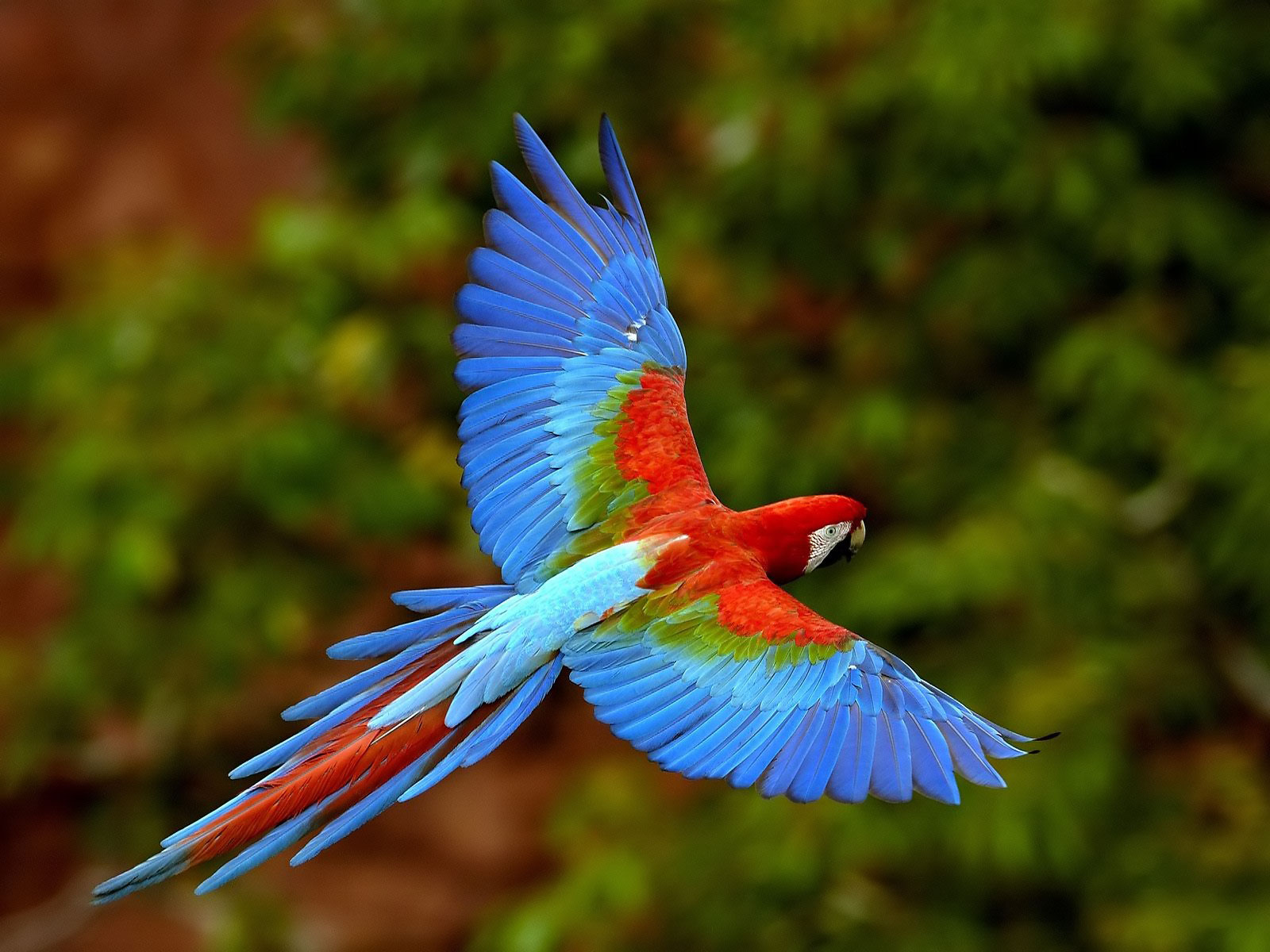
Yes. Almost all parrot species kept as pets (such as macaws, cockatoos, and African greys) are biologically wild animals. While some species have been bred in captivity for a few decades, they have not undergone multi-generational domestication. They retain wild social structures, vocal behaviors, dietary needs, and innate flight instincts.
Are stray dogs and cats considered wild animals?
No. Stray and feral dogs and cats belong to domesticated species (Canis lupus familiaris and Felis catus). Although individual feral cats or dogs may behave like wild animals and avoid human contact, their underlying biology and genetic heritage remain domesticated. Legally and biologically, they are classified as free-roaming domestic animals.
What is the legal difference between a wild animal and a pet?
Legally, standard pets are domesticated animals (domitae naturae) over which owners hold private property rights, with liability generally governed by negligence standards. Wild animals (ferae naturae) are subject to government wildlife regulations, often require specialized permits to possess, and carry strict legal liability for any harm or damage they cause.
Can a wild animal ever truly become domesticated during its lifetime?
No. An individual animal cannot become domesticated during its lifetime. Domestication is an evolutionary process that occurs across an entire population over many generations through controlled selective breeding. An individual wild animal can become tame or habituated, but its underlying genetics remain wild.
Recommended Actions for Handling Wildlife Questions and Encounters
Understanding what constitutes a wild animal informs practical decision-making regarding personal safety, legal compliance, and wildlife management.
- Verify Local Ordinances Before Acquiring Exotic Animals: Consult state wildlife agencies and municipal codes before purchasing non-traditional pets. Possessing restricted wild species without permits can result in animal confiscation, fines, and criminal charges.
- Maintain Safe Distances in Natural Settings: When observing wildlife in parks or natural habitats, use the "rule of thumb": extend your arm, hold your thumb up, and close one eye. If you cannot completely cover the wild animal with your thumb, you are too close.
- Contact Qualified Professionals for Injured Wildlife: Do not attempt to raise or care for orphaned or injured wild animals yourself. Contact a licensed wildlife rehabilitator certified through state wildlife commissions. Keeping wild animals without authorization is illegal in most regions and deprives the animal of proper medical care.
- Distinguish Legal Liability Risks: Property owners and caretakers must recognize that hosting captive wild species creates severe financial and legal risk under strict liability doctrines. Ensure insurance policies explicitly address exotic animal liabilities if managing educational or sanctuary facilities.
Image Gallery