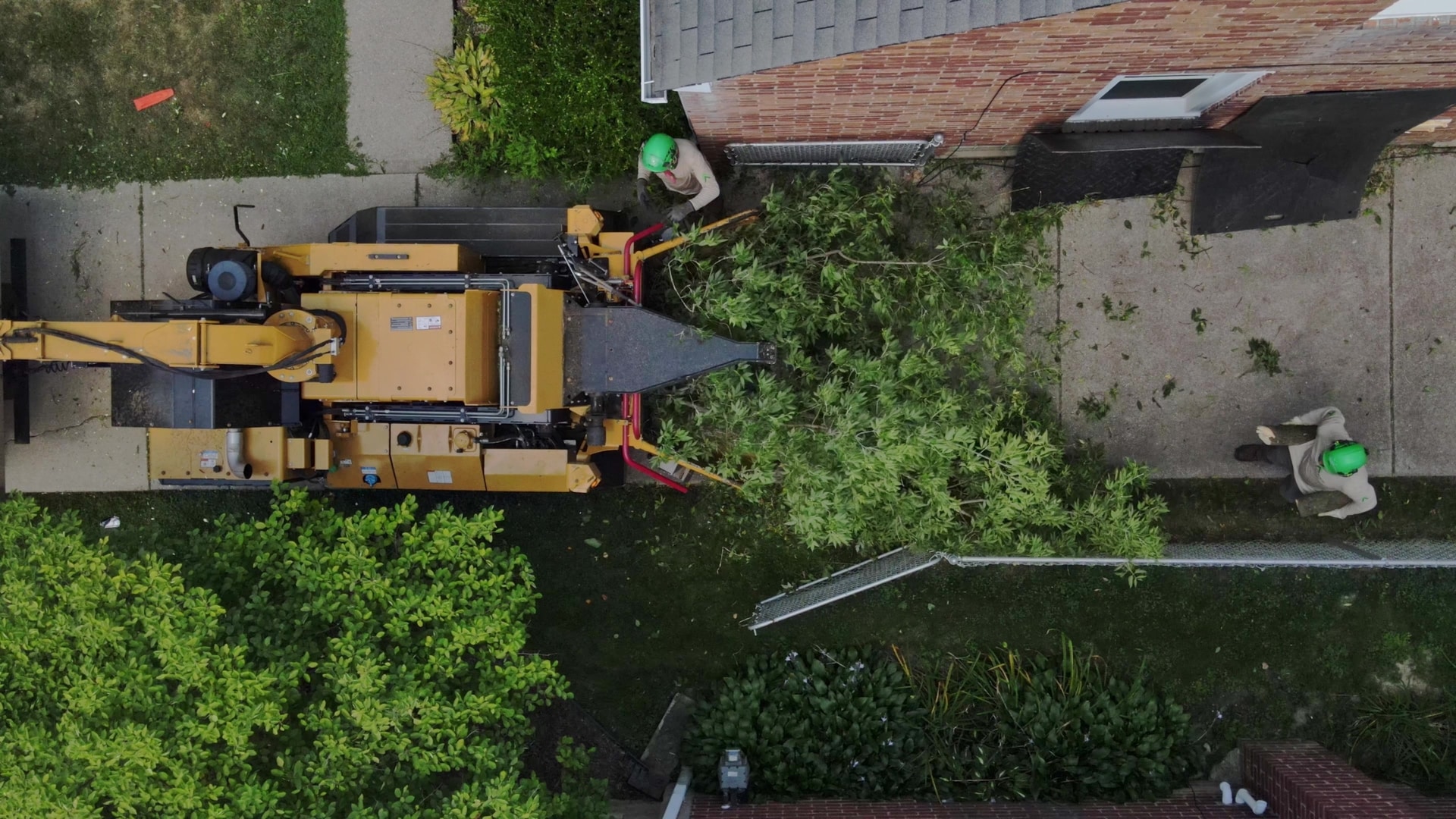
Vaccaro Tree Service in Detroit: A Guide to Local Tree Care, Costs, and Regulations
Evaluating Vaccaro Tree Service in Detroit requires examining contractor licensing, liability insurance, municipal permitting standards, and regional arboricultural practices. Professional tree care operators in Metro Detroit perform h...
Evaluating Vaccaro Tree Service in Detroit requires examining contractor licensing, liability insurance, municipal permitting standards, and regional arboricultural practices. Professional tree care operators in Metro Detroit perform hazardous tree removal, structural pruning, stump grinding, and emergency storm clearance in accordance with Michigan safety standards and local Wayne County municipal ordinances to protect residential and commercial property.
Contents
Understanding Tree Care and Maintenance Services in Metro Detroit
Managing mature urban trees across the Detroit metropolitan area requires specialized equipment, regional botanical knowledge, and adherence to safe operational protocols. The urban canopy in Southeast Michigan includes large hardwood species such as Silver Maples, Norway Maples, White Oaks, Red Oaks, Green Ash, and Sycamores. While these species contribute significantly to neighborhood shade and stormwater management, aging trees in established residential areas present structural risks if neglected.
Professional contractors operating under names like Vaccaro Tree Service provide essential maintenance to prevent property damage and prolong tree vitality. Common services include:
- Hazardous Tree Removal: Complete dismantling and removal of dead, dying, severely diseased, or structurally unstable trees that threaten home structures, driveways, or public rights-of-way.
- Structural Pruning and Canopy Thinning: Selective removal of weak, diseased, or crossing branches to improve air circulation, reduce wind resistance, and improve tree geometry according to national arboricultural standards.
- Crown Reduction: Systematic lowering of a tree's height and spread to alleviate stress on heavy limbs and maintain safe clearance from adjacent structures.
- Stump Grinding and Root Removal: Mechanical removal of tree stumps below ground line using specialized rotating cutter wheels, allowing for turf re-establishment or replanting.
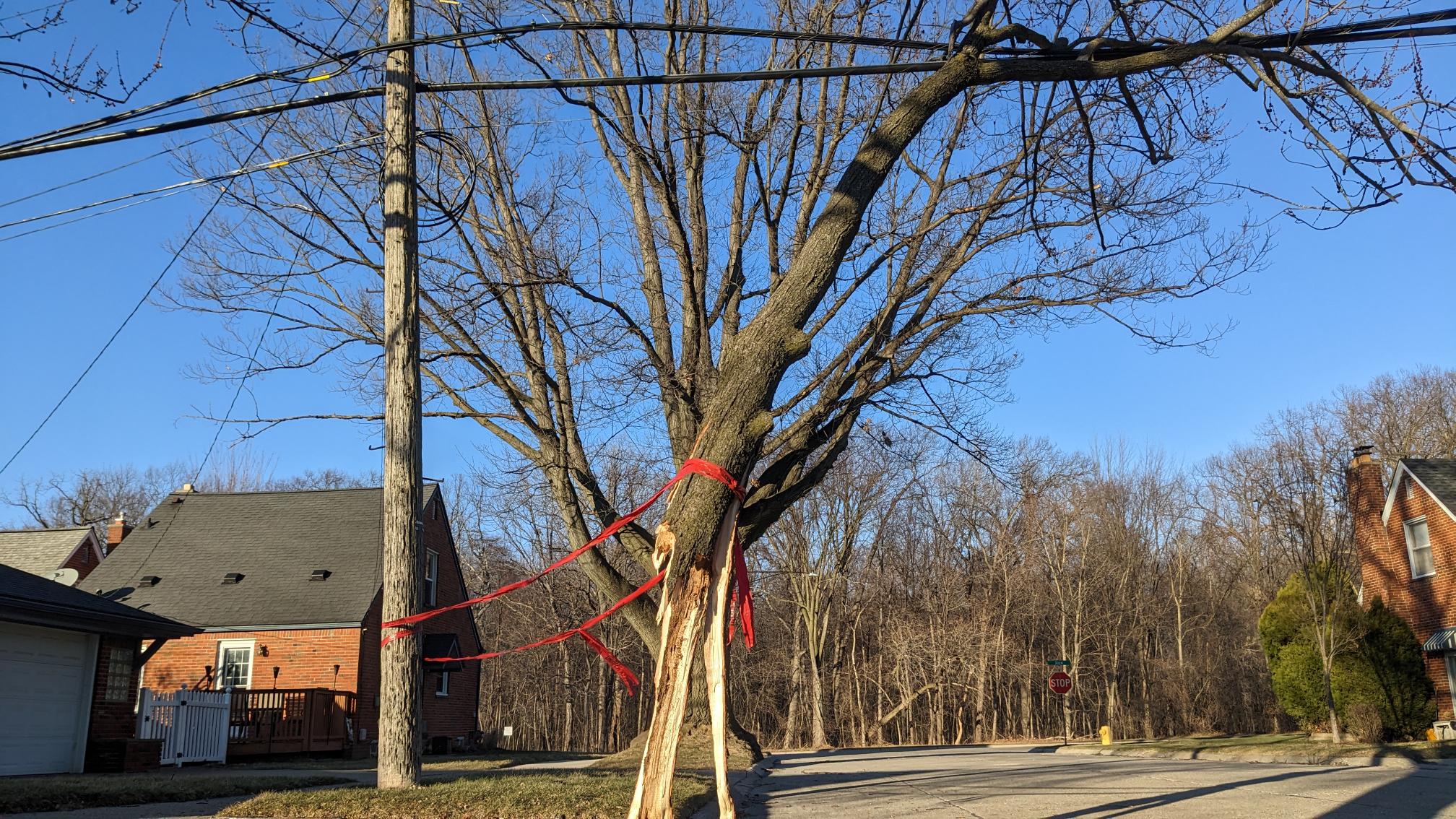
- Emergency Storm Clearance: Urgent mitigation of wind-damaged or storm-thrown trees blocking roadways, crushing roofs, or entangling non-energized structures following heavy seasonal weather.
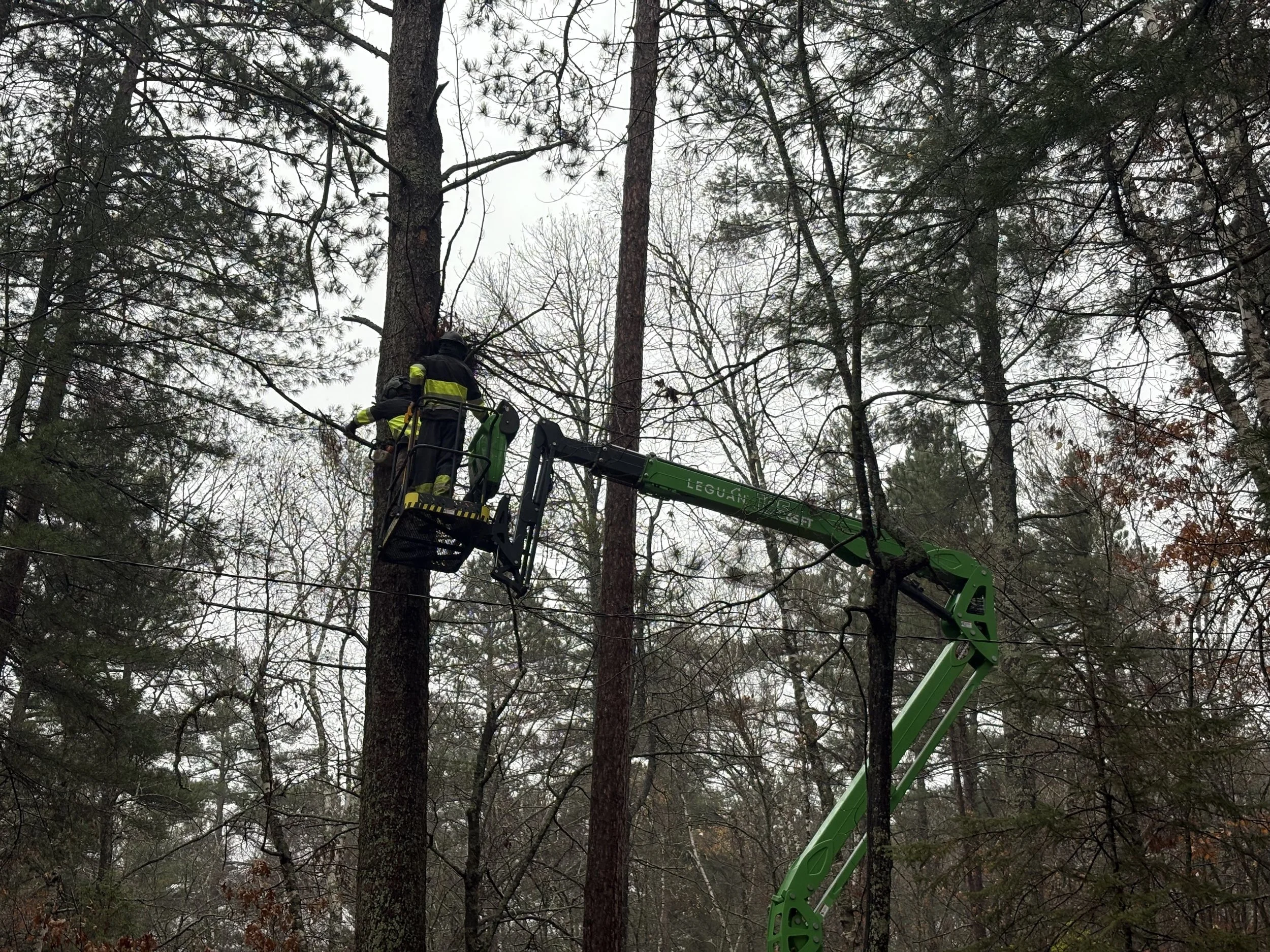
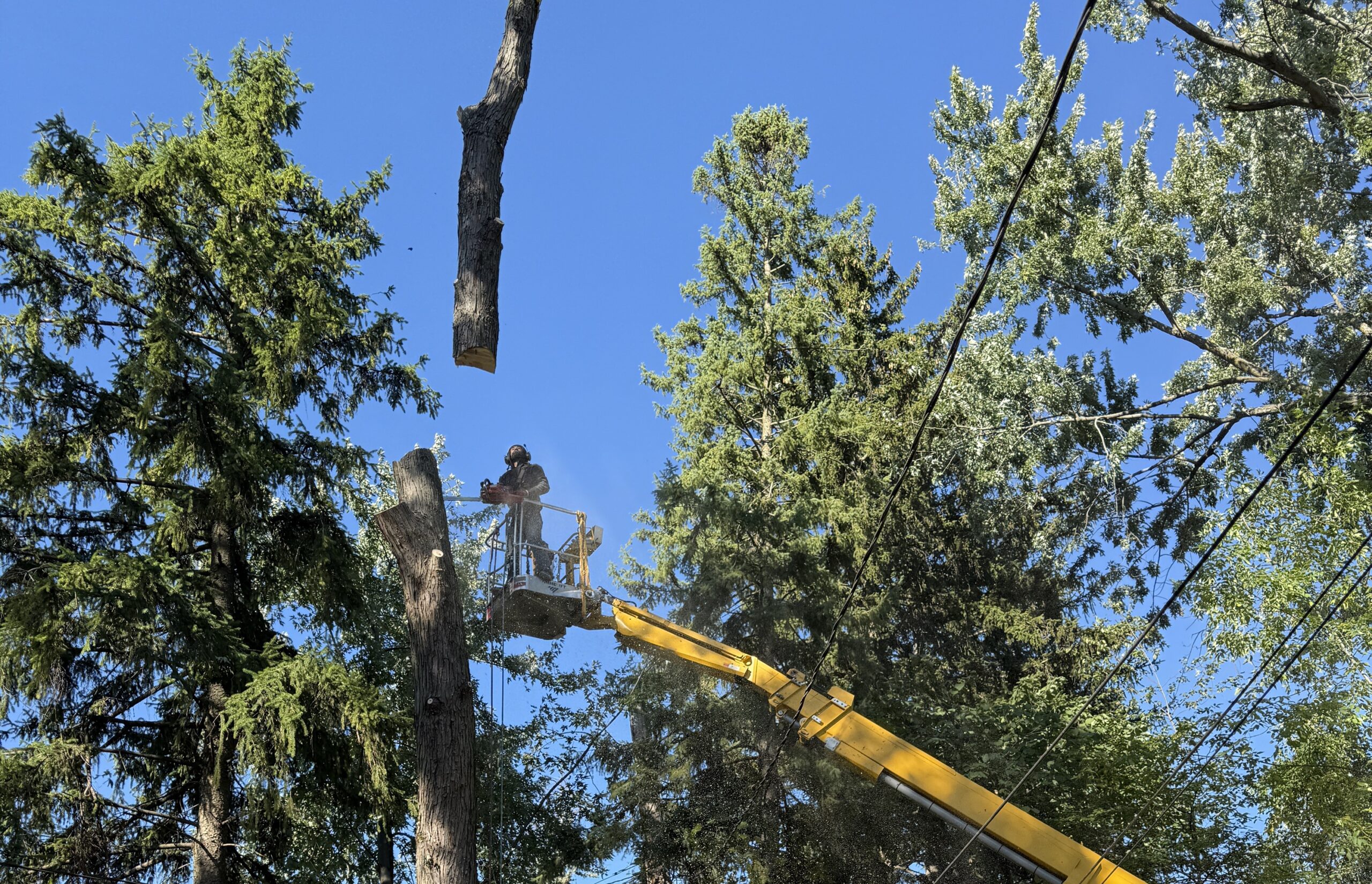
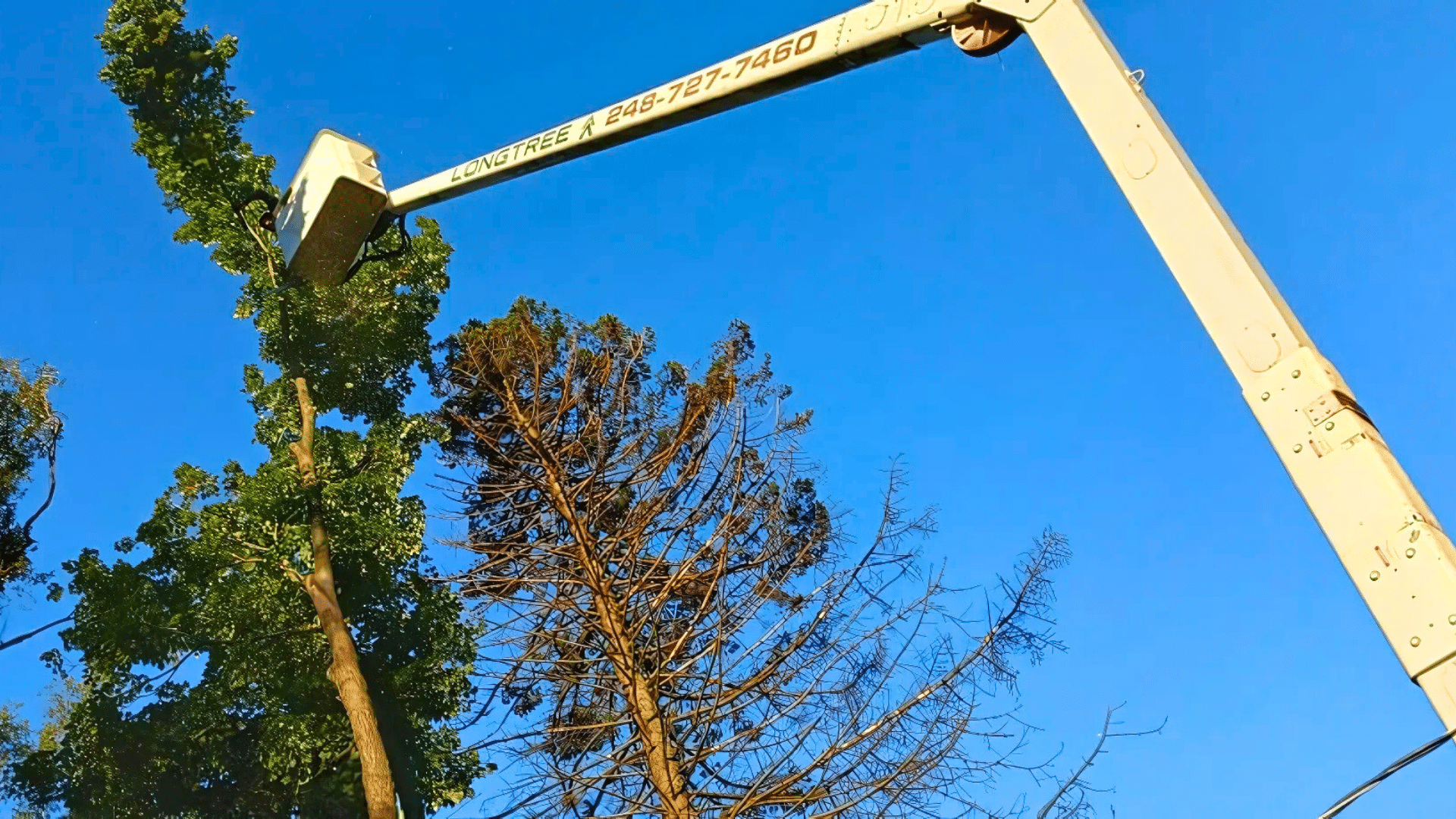
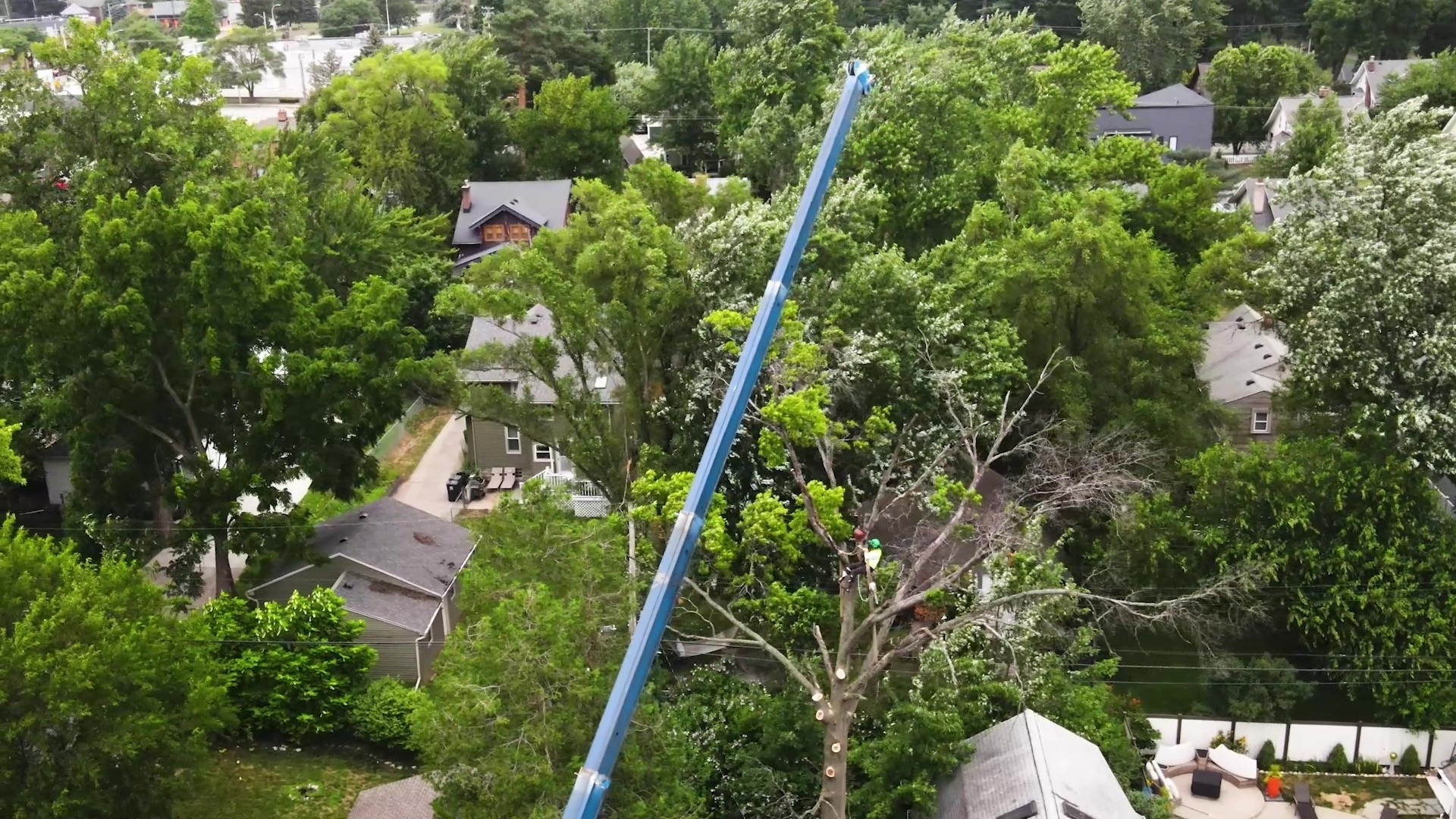
Proper tree care in urban environments demands a clear distinction between routine maintenance and high-risk technical removals. Work near overhead electrical distribution lines, tight residential alleys, or adjacent structures requires rigged lowering techniques using ropes, friction brakes, cranes, and aerial lifts rather than basic felling methods.
Local Regulations and Permitting for Tree Services in Detroit
Navigating municipal regulations is a critical prerequisite before executing major tree work within the City of Detroit and neighboring communities in Wayne, Macomb, and Oakland counties. Tree ownership and legal responsibility depend on property boundaries and right-of-way designations.
Municipal Right-of-Way vs. Private Property
In Detroit, trees located on private property fall under the sole jurisdiction and financial responsibility of the property owner. However, trees located in the public right-of-way—typically the strip of land between the sidewalk and the street curb, often referred to as the berm or easement—are managed by the municipal government.
- City Right-of-Way Trees: The City of Detroit General Services Department (GSD) Forestry Division oversees the planting, maintenance, and removal of trees located on public berms and city parks. Property owners are generally prohibited from pruning or removing public right-of-way trees without written authorization or a permit from the city forestry department.
- Private Property Trees: Homeowners retain full authority to trim or remove trees situated inside their private lot lines, provided the work does not violate local historical district preservation guidelines or environmental protection ordinances (such as wetland buffers).
Environmental Regulations and Quarantines
Tree services operating in Southeast Michigan must comply with state level plant health standards set by the Michigan Department of Agriculture and Rural Development (MDARD). Key regulatory considerations include:
- Oak Wilt Disease Protocols: To prevent the spread of Oak Wilt (BreTransitella fagacearum), a destructive fungal infection, certified arborists enforce strict pruning bans on oak trees between April 15 and July 15. During this warm window, sap-feeding beetles actively transmit the fungal spores to fresh pruning cuts.
- Firewood and Wood Chip Transportation Rules: Due to invasive pests like the Emerald Ash Borer (Agrilus planipennis) and the Asian Longhorned Beetle, movement of un-processed hardwood logs or firewood across designated quarantine county lines is strictly regulated by state authorities.
- Underground Utility Notification: Michigan law requires contractors to contact MISS DIG 811 at least three business days before initiating any mechanical stump grinding or root excavation. This process marks buried natural gas, electric, telecommunications, water, and sewer lines to prevent utility strikes.
Essential Qualifications to Verify Before Hiring a Local Contractor
Before engaging Vaccaro Tree Service or any local tree care contractor in Metro Detroit, property owners must conduct thorough due diligence to protect themselves against financial liability and subpar workmanship. Tree care operations carry inherent risks involving high-altitude work, heavy equipment, and volatile physics.
CONTRACTOR VERIFICATION CHECKLIST
- Active Commercial General Liability
- Michigan Workers' Compensation Policy
- ISA Certified Arborist Credentials
- ANSI A300 & Z133 Compliance
- Itemized Written Estimate & Contract
Insurance Verification
Tree removal and trimming represent high-risk commercial activities. Never rely solely on verbal assertions or written marketing claims regarding insurance coverage. Property owners should request a Certificate of Insurance (COI) sent directly from the contractor's insurance broker listing the property owner as a certificate holder.
- Commercial General Liability (CGL): A reputable tree service in Michigan should carry a minimum of $1,000,000 to $2,000,000 in General Liability coverage per occurrence to protect against property damage caused by falling limbs, equipment failure, or accidental structural impact.
- Workers' Compensation Insurance: Under the Michigan Worker's Disability Compensation Act, businesses employing workers must maintain active Workers' Compensation insurance. If an uninsured tree worker is injured on a homeowner's property, the property owner can face substantial personal injury lawsuits and medical payment claims.
Industry Certifications and Safety Standards
Professional arboricultural credentials demonstrate technical competence and adherence to standardized safety protocols.
- ISA Certification: Credentialed arborists certified through the International Society of Arboriculture (ISA) pass comprehensive examinations covering tree biology, risk assessment, pruning technique, and soil management.
- ANSI A300 Standards: The American National Standards Institute (ANSI) A300 standards represent the accepted performance metrics for tree management across North America. Contractors adhering to ANSI A300 will not perform destructive practices such as "tree topping" (flush-cutting main leaders), which causes internal decay and structural failure.
- ANSI Z133 Safety Requirements: ANSI Z133 outlines mandatory safety operational standards for tree care workers, detailing mandatory Personal Protective Equipment (PPE), electrical hazard clearances, drop-zone management, and rigging procedures.
Estimated Costs for Tree Services in the Detroit Metropolitan Area
Tree service pricing in Detroit and surrounding Wayne County communities varies widely based on biological, physical, and logistical variables. Contractors calculate bids based on estimated labor hours, required machinery, access constraints, and safety risk levels rather than tree height alone.
Key Factors Influencing Project Pricing
- Tree Location and Access: A tree located in a open front yard with direct drive-in access for aerial bucket trucks and log loaders costs significantly less to remove than a tree situated in a fenced backyard accessible only through a narrow side gate.
- Proximity to Structures and Power Lines: Working adjacent to houses, garages, commercial buildings, or overhead utility lines requires delicate limb rigging using ropes and lowering blocks, increasing overall time and equipment demands.
- Tree Size and Diameter: Large mature trees with wide trunk diameters (DBH—Diameter at Breast Height) generate massive volumes of wood mass and heavy brush, requiring heavy haul-away trucks and high-capacity chippers.
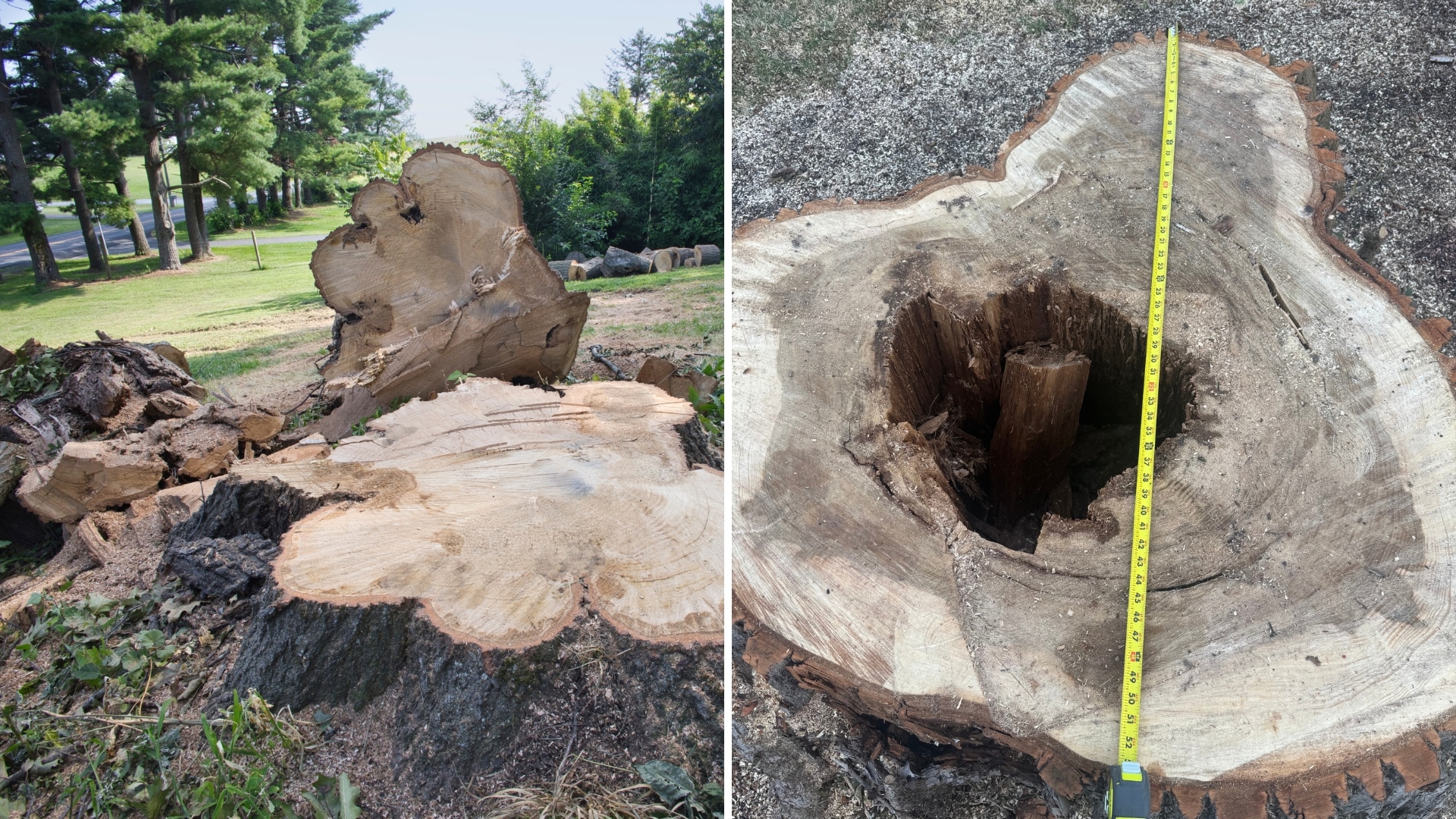
- Tree Condition and Decay: Dead, hollow, or decaying trees are hazardous to climb. In such scenarios, contractors must utilize specialized crane equipment or bucket trucks to drop limbs safely, elevating operational fees.
Metro Detroit Tree Care Pricing Reference
The following table provides standard estimated pricing ranges across the Detroit metropolitan region as of 2026. Actual written proposals depend on specific site evaluations.
| Service Type | Scope & Operational Parameters | Typical Equipment Used | Estimated Price Range (USD) |
|---|---|---|---|
| Small Tree Removal | Trees under 25 feet tall (e.g., small ornamental maples, dogwoods) with easy ground access. | Chainsaws, brush chipper, utility trailer | $250 – $600 |
| Medium Tree Removal | Trees 25 to 50 feet tall with moderate branching and clear drop zones. | Bucket truck, wood chipper, lowering ropes | $600 – $1,300 |
| Large / Hazardous Tree Removal | Trees over 50 feet tall (mature Silver Maples, large Oaks, tall Ash) requiring technical rigging or crane support. | Mobile crane, heavy aerial lift, log loader truck | $1,300 – $3,500+ |
| Maintenance Pruning / Thinning | Deadwood removal, canopy elevation, and structural trimming on mature trees. | Aerial lift, climbing gear, pole saws, chipper | $300 – $950 |
| Stump Grinding | Mechanical grinding of stump to 4–8 inches below grade; pricing often scales by inch of diameter. | Self-propelled stump grinder, safety shields | $150 – $450 (or $3–$6/inch) |
| Emergency Storm Response | Urgent removal of fallen or hung-up limbs threatening structures post-storm. | Crane, heavy rigging, emergency crew response | $500 – $2,500+ (hourly/flat) |
Step-by-Step Process for Managing Tree Removal and Trimming Projects
Executing a major tree project safely involves clear communication between the property owner and the tree service contractor from initial inspection through final debris disposal.
PROJECT MANAGEMENT WORKFLOW
- Step 1: Initial Risk & Site Inspection
- Step 2: Formal Written Quote Review
- Step 3: Utility Marking & Permitting
- Step 4: Site Setup & Work Execution
- Step 5: Debris Removal & Site Inspection
Step 1: Initial Risk and Site Inspection
The contractor visits the property to inspect tree stability, assess soil conditions, locate overhead power drops, and identify access routes. The arborist determines whether the tree can be safely climbed, bucket-accessed, or dropped in sections.
Step 2: Written Quote Review and Contract Execution
Obtain a written, itemized estimate outlining the precise scope of work. Ensure the contract clearly specifies:
- Whether stump grinding is included in the base removal cost or priced separately.
- Whether log wood will be hauled away, left on-site cut to firewood lengths, or chipped into mulch.
- Who assumes financial liability for accidental turf damage or underground lawn irrigation damage caused by heavy machinery.
Step 3: Utility Marking and Site Preparation
If stump grinding or underground root work is involved, verify that MISS DIG 811 has marked underground infrastructure. Clear vehicles, outdoor furniture, children's toys, and pet waste from the work area and drop zone prior to the crew's arrival.
Step 4: Operational Execution and Safety Setup
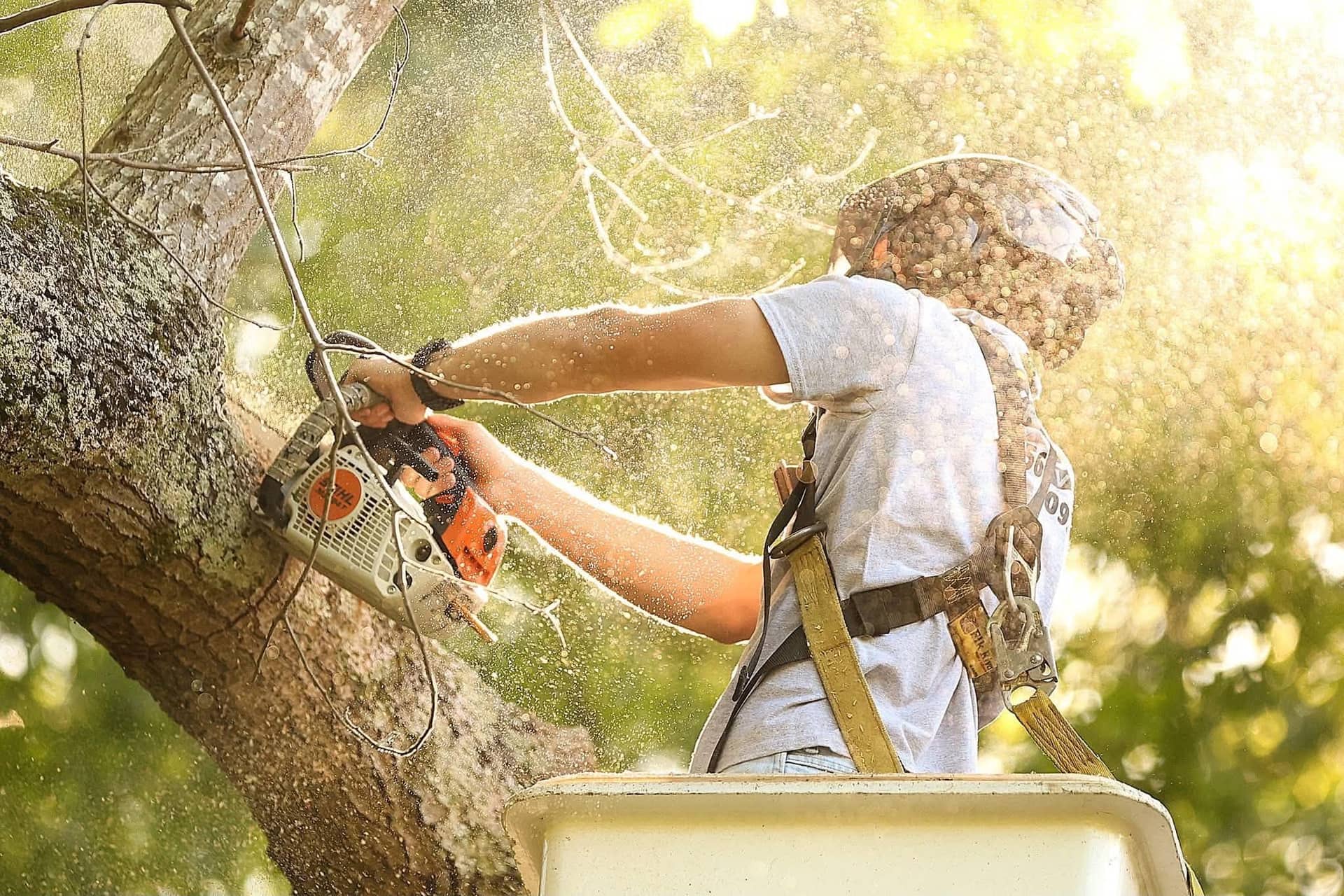
The field crew establishes safety perimeters, sets up warning cones, and equips personal protective gear (helmets, eye protection, chainsaw chaps, communication headsets). Limbs are cut, rigged, lowered, and fed into wood chippers in controlled stages.
Step 5: Debris Cleanup and Final Inspection
Once main limbs and trunks are lowered, the crew clears twigs, rakes sawdust, loads heavy log wood onto trailers, and inspects the property for any unaddressed hazards. Walk the property with the crew foreman prior to releasing final payment.
Common Tree Health Challenges and Hazards in Southeast Michigan
Trees in Metro Detroit face structural and biological stressors specific to the Great Lakes region. Understanding these hazards helps property owners identify when professional tree care is urgent.
Emerald Ash Borer (EAB) Structural Decay
The Emerald Ash Borer beetle destroyed millions of Ash trees (Fraxinus genus) across Michigan over the past two decades. Standing dead ash trees degrade rapidly, becoming extremely brittle. Their top branches can snap without warning under light wind loads. Removing dead ash trees requires immediate attention before structural integrity collapses, making climbing unsafe for workers.
Oak Wilt Disease Spreading Dynamics
Oak Wilt is a fatal vascular disease affecting red oak species particularly hard. Once infected, red oaks can drop leaves and die within weeks. Professional operators like Vaccaro Tree Service follow strict sterilization protocols for saws and avoid trimming oaks during warm spring and summer months to prevent vectoring the disease to healthy trees across neighborhood borders.
Storm Resilience and Utility Line Interactions
Severe summer thunderstorms and winter ice storms frequently cause massive power outages across Wayne and Macomb counties due to falling branches landing on overhead distribution lines.
- Primary Power Lines: High-voltage lines running along main streets or alleyways are managed directly by utility providers such as DTE Energy. Private contractors cannot prune branches within 10 feet of high-voltage lines unless specifically certified as Line Clearance Tree Trimmers.
- Service Drop Lines: The lower-voltage secondary wire connecting a house to a utility pole is typically the homeowner's responsibility to clear of minor rubbing branches, though utility companies will drop the line temporarily upon request for safety during tree removal.
Frequently Asked Questions
Do I need a municipal permit to remove a tree on private property in Detroit?
In most cases, private homeowners in Detroit do not need a municipal permit to remove trees situated entirely within their private property lines. However, if the tree is located on the public easement strip near the curb, or if work requires blocking a public sidewalk or street with equipment, appropriate permits from the Detroit General Services Department or Department of Public Works are mandatory.
Who is legally responsible if a neighbor's tree branch falls onto my property in Michigan?
Under Michigan premises liability principles, if a healthy tree branch breaks due to an unforeseeable event like a severe storm (an "Act of God"), the owner of the property where the branch falls is typically responsible for clearing the debris on their land, usually filing through their own homeowner's insurance. However, if the neighbor's tree was dead, visibly diseased, or structurally unstable—and the neighbor was formally notified of the hazard—the tree owner can be held liable for negligence and resulting property damage.
What is the difference between tree topping and crown reduction?
Tree topping is an unscientific, damaging practice where main upper branch leaders are cut off indiscriminately, leaving blunt stubs. This triggers weak, rapid sprout growth and introduces internal wood rot. Crown reduction, by contrast, is a standard ISA-approved pruning technique that selectively shortens branches back to lateral limbs capable of assuming terminal dominance, preserving the tree's health and structural integrity.
How can I verify a tree contractor's insurance coverage in Michigan?
Do not accept paper copies handed directly by a salesperson without verification. Request that the tree service company's insurance agency issue an official Certificate of Insurance (COI) sent directly to your email address. Confirm that both Commercial General Liability and Workers' Compensation policies are listed as active, with policy limits sufficient to cover potential property damage.
What should I do if a tree falls across utility wires near my home?
If a fallen tree or branch touches high-voltage electrical wires, treat all lines as energized and fatal. Stay back at least 35 feet and immediately contact DTE Energy's emergency service line or call 911. Never attempt to remove or trim branches entangled in utility lines yourself, and do not allow private non-certified tree crews to approach energized cables.
Practical Recommendations for Property Owners
When managing tree work in Metro Detroit, maintain a clear, document-driven approach to select qualified operators and control financial risk:
- Obtain Written Estimates: Secure detailed, itemized estimates from at least two or three established local contractors. Compare scopes of work, including wood hauling, brush chipping, ground repair, and stump depth specifications.
- Verify COI Credentials: Ensure the chosen contractor's insurance certificate is verified directly through their insurance agency before work begins on your property.
- Confirm Local Utility Markings: Ensure MISS DIG 811 marks underground utility lines before stump grinding machinery operates on your lot.
- Avoid Full Upfront Payments: Never pay 100% of the project cost upfront. Legitimate tree services typically bill upon completion or require only a modest scheduling deposit for large multi-day projects. Perform a final site walkthrough to verify cleanup before releasing final payment.
Image Gallery