The Chop Chop Corley Net Worth Profile: Career Earnings, Major Purses, and Financial Legacy
DeMarcus "Chop Chop" Corley holds an estimated net worth of approximately $1.5 million to $3 million. The former WBO Super Lightweight Champion accumulated the majority of his earnings through a professional boxing career spanning over...
DeMarcus "Chop Chop" Corley holds an estimated net worth of approximately $1.5 million to $3 million. The former WBO Super Lightweight Champion accumulated the majority of his earnings through a professional boxing career spanning over two decades and more than 80 bouts, highlighted by major paydays against hall-of-fame caliber opponents including Floyd Mayweather Jr. and Miguel Cotto.
Contents
DeMarcus "Chop Chop" Corley Net Worth Overview
Evaluating the net worth of a professional combat sports athlete requires looking beyond total career earnings to account for fight frequency, purse structures, trainer and managerial cuts, taxes, and sanctioning body fees. DeMarcus Corley built his financial profile through a unique trajectory: rising from a regional prospect in Washington, D.C., to a world champion, and later establishing himself as one of the most durable and dependable international ring veterans in modern boxing history.
While elite pay-per-view superstars often concentrate their earnings into a handful of massive paydays, Corley’s financial foundation rests on two distinct pillars:
- Championship and Main-Event Purses (2001–2005): Peak earnings during his tenure as WBO Super Lightweight Champion and subsequent high-profile bouts on major U.S. cable networks like HBO and Showtime.
- International Veteran Purses (2006–Late Career): Consistent, active competition across the globe, taking high-risk, short-notice fights against rising contenders and prospects in foreign markets, generating steady operational income well after his championship prime.
Financial estimates place Corley's lifetime career purse receipts between $4 million and $6 million before standard deductions (such as corner team fees, promotional splits, legal costs, and tax obligations), leaving an estimated current liquid and asset-based net worth in the range of $1.5 million to $3 million.
Early Life and the Path to Professional Boxing
Born on June 3, 1974, in Washington, D.C., DeMarcus Corley developed his craft in the competitive amateur circuit of the Mid-Atlantic region. Operating out of the Capital Classic boxing scene, Corley built an impressive amateur record, winning the 1995 National Golden Gloves Light Welterweight championship.
Corley turned professional in May 1996 under the nickname "Chop Chop," a moniker earned due to his high-volume, rapid-fire southpaw combination punching. In the early stage of his professional career, purses were modest—often ranging from a few hundred to a few thousand dollars per fight. However, under effective regional management and steady activity, Corley compiled an impressive record of 20 consecutive wins to open his career, establishing himself as a top-tier contender in the 140-pound division.
World Championship Reign and Peak Financial Years
The most lucrative period of Corley’s career occurred between 2001 and 2005, when he held a world title and featured prominently in major televised events.
The WBO Super Lightweight Championship (2001–2003)
In June 2001, Corley secured his first world title opportunity against Felix Flores for the vacant WBO Super Lightweight title. Corley delivered a dominant performance, stopping Flores in the first round to claim the belt.
As a world champion, Corley’s base purse command increased significantly:
- Ener Julio (2002): Corley defended his title against the tough Colombian challenger, securing his first six-figure championship payout.
- Randall Bailey (2002): In a high-stakes defense against one of the hardest punchers in division history, Corley earned a unanimous decision victory, solidifying his spot at the top of the 140-pound weight class and earning a contract guarantee for future premium network broadcasts.
- Zab Judah (2003): Corley lost his WBO title to Zab Judah via a close split decision. Despite losing the belt, the high-profile matchup on HBO guaranteed Corley a substantial purse, reported in the $250,000 to $400,000 range.
High-Profile Blockbuster Fights
Following the loss of his title, Corley remained a top draw due to his aggressive style, southpaw stance, and durable chin. This positioning led to two of the largest paydays of his career.
DeMarcus Corley vs. Floyd Mayweather Jr. (May 22, 2004)
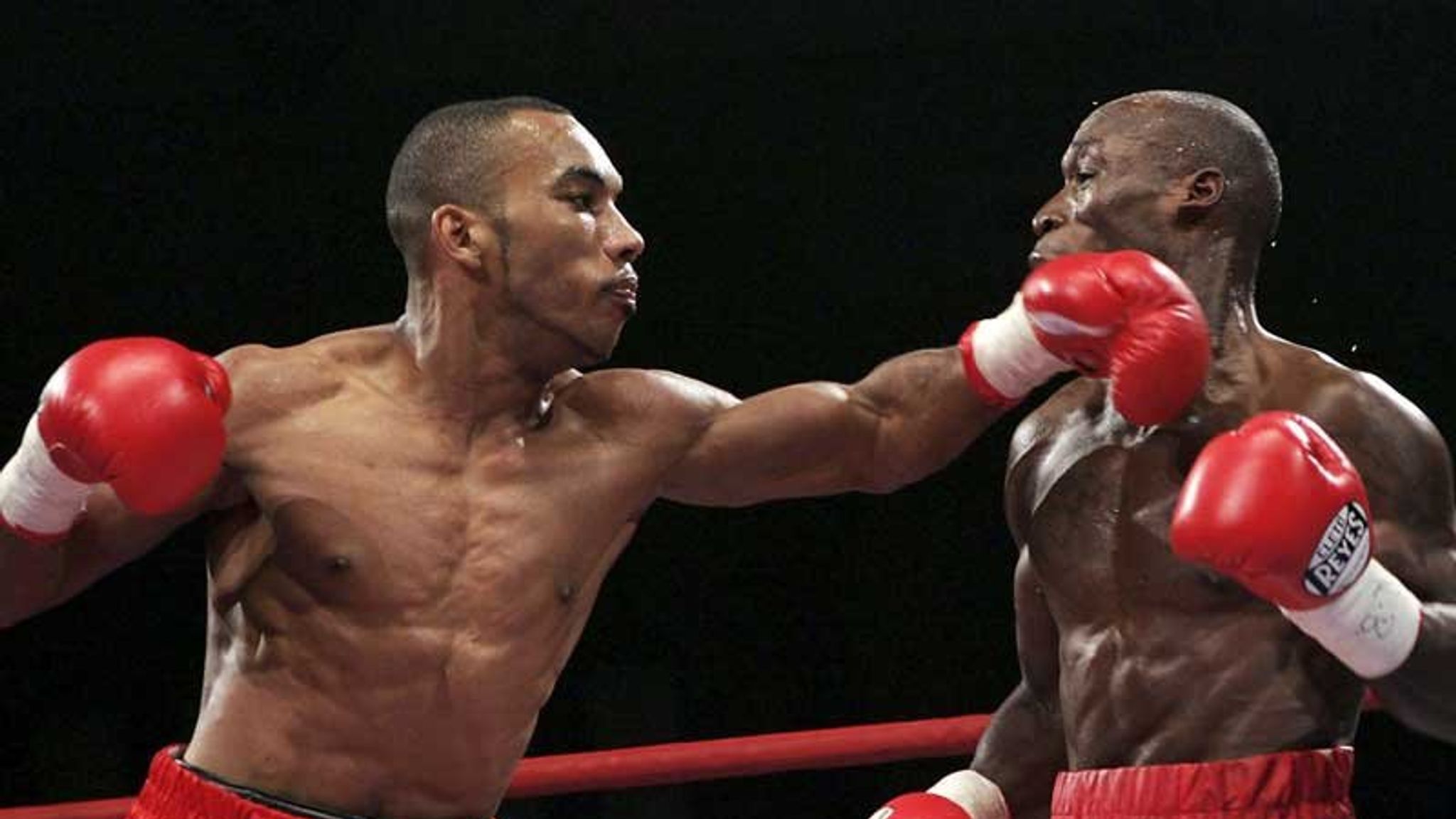
Corley faced Floyd Mayweather Jr. in a WBC Super Lightweight title eliminator in Atlantic City. Mayweather was making his debut at 140 pounds. Corley earned national acclaim when he severely hurt Mayweather in the fourth round with a hard right hook—one of the few times in Mayweather’s career he was noticeably wobbled.
Although Mayweather won a unanimous decision after 12 rounds, the fight elevated Corley’s profile across the boxing world. Corley’s purse for the Mayweather bout, combined with network television revenues, was estimated between $500,000 and $750,000.
DeMarcus Corley vs. Miguel Cotto (February 26, 2005)
Less than a year after facing Mayweather, Corley traveled to Puerto Rico to challenge rising star Miguel Cotto for the WBO Light Welterweight title. Corley again demonstrated his world-class power, hurting Cotto early in the fight before being stopped in the fifth round. This high-profile pay-per-view and premium cable appearance provided another major purse injection, estimated between $300,000 and $500,000.
The Economics of a World-Class Veteran and Journeyman
Following his peak championship years, Corley adopted a fight-anywhere, fight-anyone business model. While many former champions retire once top-tier network purses dry up, Corley transitioned into a premier international "gatekeeper"—a respected veteran brought in to test top prospects and emerging champions.
Between 2006 and the end of his active ring career, Corley fought in over 40 professional bouts around the globe, including contests in:
- Russia (against Ruslan Provodnikov and Viktor Postol)
- Argentina (against Marcos Maidana and Lucas Matthysse)
- Ukraine, Mexico, the United Kingdom, and Canada
Financial Dynamics of International Fights
Fighting as an international opponent carries distinct financial mechanics:
- Tax Deductions at Source: Foreign governments often withhold between 15% and 30% of fight purses for non-resident athletes prior to payout.
- Travel and Team Allowances: Promoters typically cover airfare, hotel accommodations, and per diems for the fighter and a small corner team (typically 2–3 people), reducing out-of-pocket operational costs.
- Guaranteed Flat Purses: Rather than relying on pay-per-view upsides or ticket sales, international gatekeepers earn fixed guaranteed purses, ranging from $20,000 to $100,000 per fight depending on the opponent's profile and promoter backing.
By competing 3 to 6 times per year during his late career, Corley maintained a steady gross income stream that compensated for the absence of million-dollar single-fight paydays.
Financial Breakdown: High-Profile Fights and Estimated Purses
The table below outlines key fights in DeMarcus "Chop Chop" Corley's career, detailing the event context, location, outcome, and estimated purse ranges based on athletic commission disclosures and media reporting.
| Date | Opponent | Event / Title Context | Location | Result | Estimated Gross Purse Range |
|---|---|---|---|---|---|
| Jun 30, 2001 | Felix Flores | Vacant WBO Super Lightweight Title | Las Vegas, NV | Win (TKO 1) | $75,000 – $125,000 |
| Jan 19, 2002 | Ener Julio | WBO Super Lightweight Title Defense | Miami, FL | Win (UD 12) | $100,000 – $175,000 |
| Jan 4, 2003 | Randall Bailey | WBO Super Lightweight Title Defense | Washington, D.C. | Win (UD 12) | $150,000 – $250,000 |
| Jul 12, 2003 | Zab Judah | WBO Super Lightweight Title Defense | Las Vegas, NV | Loss (SD 12) | $250,000 – $400,000 |
| May 22, 2004 | Floyd Mayweather Jr. | WBC Light Welterweight Eliminator | Atlantic City, NJ | Loss (UD 12) | $500,000 – $750,000 |
| Feb 26, 2005 | Miguel Cotto | WBO Light Welterweight Title | Bayamón, Puerto Rico | Loss (TKO 5) | $300,000 – $500,000 |
| Sep 17, 2006 | Junior Witter | WBC Light Welterweight Title | London, UK | Loss (UD 12) | $100,000 – $200,000 |
| Aug 28, 2010 | Marcos Maidana | WBA Interim Light Welterweight Title | Buenos Aires, Argentina | Loss (UD 12) | $75,000 – $150,000 |
| Jan 21, 2012 | Lucas Matthysse | Inter-Continental Light Welterweight Title | Chubut, Argentina | Loss (TKO 8) | $50000 – $100,000 |
Note: Purse figures represent estimated gross contract amounts prior to taxes, managerial fees, trainer cuts, and sanctioning body fees. Official commission payouts vary by jurisdiction.
Factors Influencing Net Worth Retention in Professional Boxing
A boxer’s net worth is defined not just by how much money is earned in the ring, but by how effectively those earnings are preserved. Key structural factors impacted Corley’s ultimate financial standing:
1. Mandatory Corner and Managerial Expenses
Standard professional boxing contracts dictate mandatory deductions from gross purses:
- Managerial Fees: Typically 20% to 33% of the gross purse.
- Trainer and Corner Fees: Usually 10% combined for head trainers, cutmen, and second assistants.
- Sanctioning Body Fees: World title bouts incur mandatory sanctioning fees (WBO, WBC, WBA, IBF) ranging from 3% to 5% of the gross fight purse per organization.
For a $500,000 purse, direct fight-related deductions can immediately reduce the gross payout by $175,000 to $200,000 before federal and state tax liabilities are calculated.
2. Longevity vs. High-Peak Model
Unlike athletes who experience a 3-to-5-year high-earning window and retire, Corley's career stretched over 25 years. This longevity allowed him to cover ongoing living expenses directly through active ring earnings rather than depleting invested capital early in life.
3. Post-Career Coaching and Gym Operations
In his post-championship years, Corley expanded into training, coaching, and mentoring younger fighters in the Washington, D.C., metropolitan region. Transitioning into fitness training and boxing instruction provides active former fighters with recurring income streams that protect accumulated career capital.
Frequently Asked Questions
What is DeMarcus "Chop Chop" Corley's estimated net worth?
DeMarcus Corley's net worth is estimated between $1.5 million and $3 million. This total reflects his accumulated career purses, world championship fight payouts, international bouts, and post-ring athletic endeavors.
How much did Chop Chop Corley make against Floyd Mayweather Jr.?
Corley’s gross fight purse for his May 2004 bout against Floyd Mayweather Jr. was estimated between $500,000 and $750,000. It stands as one of the largest single-fight paydays of his professional career.
Which world titles did DeMarcus Corley win?
Corley won the WBO Super Lightweight (Light Welterweight) Championship in June 2001 by defeating Felix Flores. He successfully defended the title twice before losing it to Zab Judah in July 2003.
How many professional fights did DeMarcus Corley have?
Corley competed in over 85 professional bouts across his career, compiling more than 50 victories. His high fight count places him among the most active world-level boxers of his era.
Why did Corley fight so often late in his career?
Corley maintained an extremely active schedule as a high-level international veteran. Foreign promoters regularly hired him to test young prospects because of his durable defense, championship experience, and willingness to travel, providing him with consistent earnings across multiple decades.
Financial Takeaways for Professional Combat Athletes
The financial trajectory of DeMarcus "Chop Chop" Corley offers valuable insights into the business side of professional boxing:
- Title Acquisition Drives Leverage: Winning a recognized world title (such as the WBO belt) permanently elevates a fighter's baseline purse command, creating opportunities for main-event network broadcasts and mandatory title defense payouts.
- Diversification of Opportunities: When domestic television dates become limited, expanding into international markets allows ring veterans to extend their earning years without relying solely on regional cards.
- Preservation Over Peak Gross: Managing trainer percentages, promoter terms, and tax structures is just as critical to long-term net worth as securing high gross purses.
Corley's legacy remains defined by both his ring bravery against the best fighters of his generation and his ability to build a sustained, decades-long professional livelihood in one of the world's most demanding sports.
Image Gallery