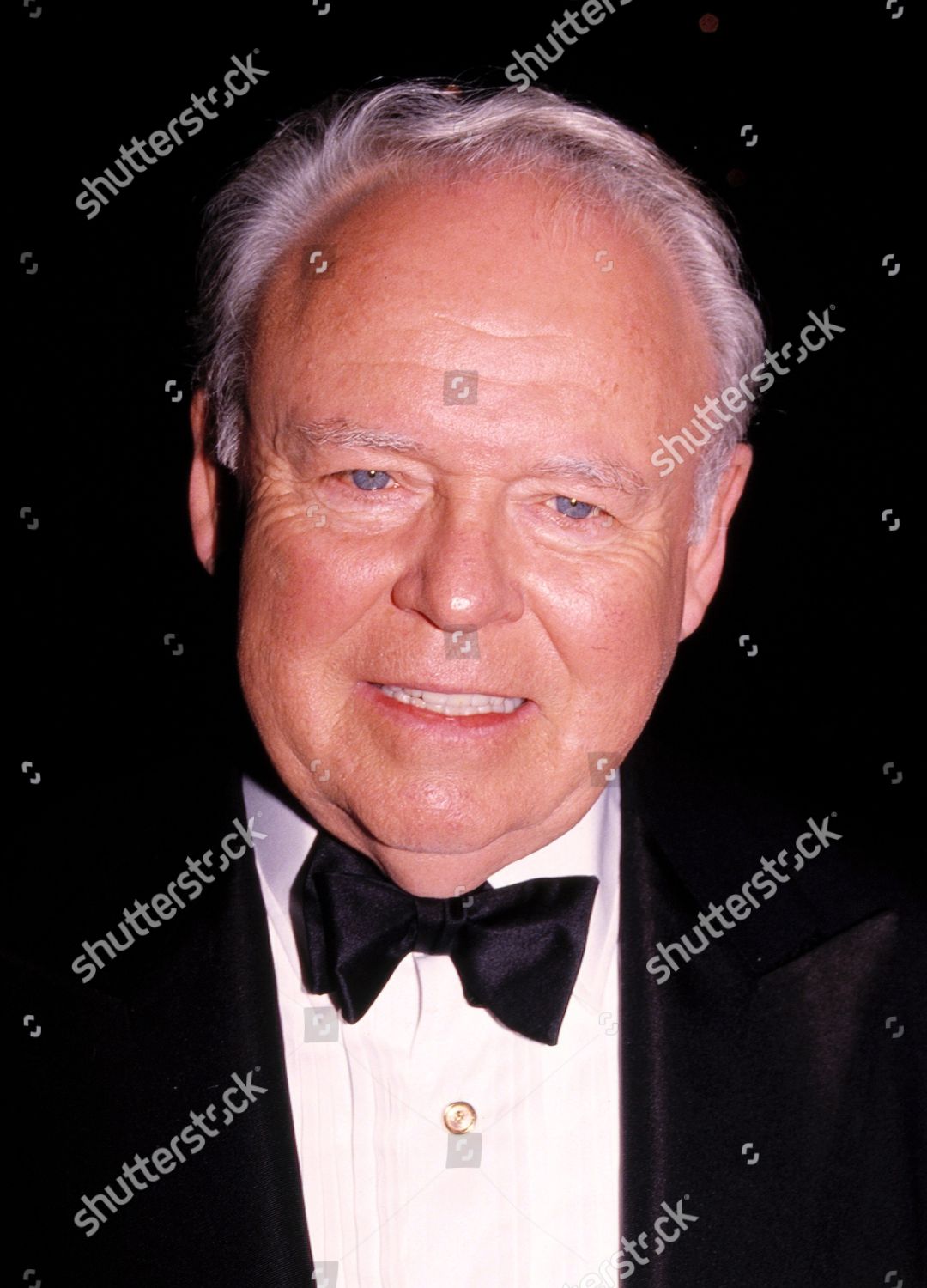
Carroll O'Connor's Military Service: His WWII Merchant Marine Record and Wartime Era
During World War II, actor Carroll O'Connor served as a midshipman and seaman in the United States Merchant Marine from 1943 to 1945. After attempting to join the standard armed services, O'Connor enlisted in the Maritime Service, comp...
During World War II, actor Carroll O'Connor served as a midshipman and seaman in the United States Merchant Marine from 1943 to 1945. After attempting to join the standard armed services, O'Connor enlisted in the Maritime Service, completing multiple dangerous transatlantic and Mediterranean sea voyages that transported vital troops, ammunition, and war supplies to Allied fronts.
Contents
Early Life and the Outbreak of World War II
John Carroll O'Connor was born on July 2, 1924, in Manhattan, New York, and raised primarily in Queens. Growing up during the Great Depression in a civic-minded household—his father was a lawyer and his mother a public school teacher—O'Connor developed an early interest in literature, history, and international affairs. He attended Newtown High School in Elmhurst, Queens, graduating as the world edged closer to global conflict.
When the United States entered World War II following the attack on Pearl Harbor in December 1941, O'Connor was a student at Wake Forest College in North Carolina. Like millions of young American men of his generation, he sought to join the war effort. The rapid mobilization of American industry and military forces altered the educational and career plans of college students across the nation, prompting O'Connor to leave school to pursue active service in the war effort.
Enlistment into the United States Merchant Marine
When O'Connor attempted to enlist in the primary branches of the United States Armed Forces, medical restrictions prevented him from entering direct ground or aerial combat roles. Accounts from the era indicate that minor physical disqualifications, such as astigmatism or foot conditions, frequently led armed services medical examiners to turn away eager recruits.
Undeterred by these rejections, O'Connor sought alternative avenues to serve on the front lines of global logistics. In 1943, he enlisted in the United States Merchant Marine.
During World War II, the U.S. Merchant Marine operated under the oversight of the War Shipping Administration (WSA). Although merchant mariners were civilian mariners, they sailed on merchant vessels owned or managed by the U.S. government to carry essential cargo through war zones. The maritime service operated under military discipline during wartime convoy operations, subjecting crew members to the direct hazards of naval warfare.
Wartime Logistics Pipeline (1943–1945):
- U.S. Industrial Base
- U.S. Merchant Marine Convoys (Carroll O'Connor)
- European & Pacific Theaters
Wartime Duties in the Atlantic and Mediterranean Theaters
O'Connor was assigned to cargo vessels and oil tankers navigating high-risk operational areas. His service primary encompassed the North Atlantic and Mediterranean theaters of operation, which were among the most dangerous maritime zones during the conflict.
Transatlantic Cargo Transport
As part of the Atlantic Convoy system, O'Connor’s ships moved critical matériel—including munitions, aviation fuel, tanks, and food rations—from East Coast American ports to Great Britain and North Africa. These runs required merchant mariners to maintain strict blackout protocols and complex zig-zag maneuvers to evade detection by German U-boat wolfpacks.
Engine and Deck Operations
Mariners in O'Connor's position maintained ship propulsion systems, handled heavy cargo rigging, and stood watch for submarine periscopes and enemy aircraft. The work was physically demanding and carried continuous risk; a single torpedo strike on an ammunition carrier or fuel tanker usually meant sudden destruction with little chance of crew survival.
Mediterranean Operations
In the Mediterranean theater, Merchant Marine vessels supported Allied invasions in North Africa, Sicily, and mainland Italy. Merchant ships faced direct air attacks from Luftwaffe bombers and coastal artillery while discharging supplies offshore to sustain ground offensives. O'Connor served in these operational environments until the conclusion of hostilities in 1945.
The Reality of World War II Merchant Marine Service
The contributions of the United States Merchant Marine were vital to the Allied victory, yet the service carried an extraordinary toll.
- High Casualty Rates: Approximately 1 in 26 merchant mariners serving in World War II died in the line of duty—a casualty rate proportionately higher than that of the U.S. Army, Navy, or Coast Guard during the same period.
- Lack of Immediate Combat Status: Because merchant mariners were classified as civilian employees of shipping companies contracted by the War Shipping Administration, they did not fall under the direct jurisdiction of the Department of War for administrative purposes.
- Delayed Veteran Benefits: When the war ended, merchant mariners were denied access to the Servicemen's Readjustment Act of 1944 (commonly known as the G.I. Bill). It was not until 1988, following federal court rulings and legislative action, that World War II merchant mariners were granted full veteran status and eligibility for Veterans Affairs (VA) benefits.
O'Connor frequently expressed pride in his merchant service and remained a vocal advocate for the historical recognition of World War II mariners throughout his later life.
Post-War Transition: Higher Education and Acting
Following his discharge from maritime service in 1945, O'Connor resumed his higher education. Utilizing his personal savings and subsequent private work, he initially enrolled at the University of Montana in Missoula, where he studied journalism and became active in student theater productions.
In 1950, seeking broader cultural exposure and classic theatrical training, O'Connor traveled to Ireland. He enrolled at University College Dublin (UCD), where he earned a Bachelor of Arts degree in 1952. While in Dublin, he made his professional acting debut at the famous Gate Theatre, taking on roles in classical plays that launched his decades-long performing career.
- 1943–1945: U.S. Merchant Marine Service (Atlantic/Mediterranean)
- 1946–1949: Studies at University of Montana (Journalism & Drama)
- 1950–1952: University College Dublin (B.A. Degree & Dublin Theater Debut)
- 1971–1979: Portrayal of Archie Bunker on "All in the Family"
Real-Life Service vs. Archie Bunker's Military Backstory
When Carroll O'Connor was cast as Archie Bunker in Norman Lear's groundbreaking television sitcom All in the Family (1971–1979), his own real-life military background contrasted sharply with that of his fictional character.
| Detail | Carroll O'Connor (Real Life) | Archie Bunker (Fictional Character) |
|---|---|---|
| Branch of Service | U.S. Merchant Marine (Maritime Service) | U.S. Army Air Forces (USAAF) |
| Service Dates | 1943–1945 | 1942–1945 |
| Primary Theater | North Atlantic & Mediterranean | European / Mediterranean Theater |
| Duty Assignment | Merchant vessel deck and engine crew | B-17 Flying Fortress tail gunner (15th Air Force) |
| Combat Experience | Transatlantic supply convoys under U-boat threat | Aerial bombing missions over enemy territory |
| Post-War Education | University of Montana; University College Dublin | Did not attend college; entered local labor force |
While Archie Bunker frequently bragged about his status as an Army Air Forces veteran who fought overseas, O'Connor brought an authentic, nuanced understanding of the World War II generation to the role. Having lived through the danger of wartime sea supply lines, O'Connor was able to grounded Archie's gruff demeanor with genuine emotional truth, recognizing how war experiences shaped the psychology of working-class American men.
How to Verify Historical Service Records of WWII Merchant Mariners
Researchers, historians, and genealogists seeking to verify the military and maritime service records of individuals who served in the U.S. Merchant Marine during World War II can access official federal archives.
1. Request Records from the National Archives (NARA)
Official merchant mariner logbooks, service cards, and licenses from the World War II era are maintained by the National Archives and Records Administration. Researchers can submit a request through the National Personnel Records Center (NPRC) in St. Louis or the NARA maritime collection offices.
2. Obtain U.S. Coast Guard Form NCG-2804
During World War II, the United States Coast Guard tracked mariner credentials. The Master Mariner record contains detailed information on every vessel a mariner sailed on, including sign-on and sign-off dates, home ports, and cargo vessel designations.
3. Check the Maritime Administration (MARAD) Honor Roll
The Maritime Administration maintains historical registries of mariners who served on merchant vessels, including lists of those awarded mariner combat ribbons, Mariner's Medals, and theater war zone bars.
Frequently Asked Questions
Was Carroll O'Connor in the U.S. Army during World War II?
No. Carroll O'Connor attempted to join the standard military services but was turned down for medical reasons. He subsequently joined the United States Merchant Marine in 1943 and served on supply vessels until the end of the war in 1945.
What rank or duties did Carroll O'Connor hold in the Merchant Marine?
O'Connor served as a seaman and midshipman aboard cargo ships and oil tankers. His duties included deck watches, cargo maintenance, and engine room operational support during transatlantic and Mediterranean supply runs.
Did Archie Bunker's military service match Carroll O'Connor's real-life service?
No. In All in the Family, Archie Bunker was written as a veteran of the U.S. Army Air Forces who served as a tail gunner on a B-17 bomber in Europe. O'Connor’s actual service was in the U.S. Merchant Marine.
Did World War II Merchant Mariners receive official military veteran status?
Not immediately. Merchant mariners were classified as civilian mariners during the war despite operating in active combat zones. Federal legislation in 1988 formally recognized World War II Merchant Marine service as active military service, granting veterans access to standard VA benefits.
Where did Carroll O'Connor go after finishing his wartime maritime service?
After the war, O'Connor attended the University of Montana to study journalism and theater, before moving to Ireland in 1950. He completed his Bachelor of Arts degree at University College Dublin in 1952 and began his professional acting career at Dublin's Gate Theatre.
Recommended Steps for Further Research
If you are researching celebrity military service records or verifying family members who served in the U.S. Merchant Marine during World War II:
- Access the National Archives Maritime Records: Visit the official portal of the National Archives and Records Administration (NARA) to search Record Group 26 (Records of the U.S. Coast Guard) for mariner record cards.
- Review War Shipping Administration Histories: Examine publications from the U.S. Maritime Administration (MARAD) detailing Atlantic and Mediterranean convoy routes between 1942 and 1945.
- Cross-Reference Veteran Organizations: Consult resources provided by the American Merchant Marine Veterans (AMMV) organization for documentation guidance on World War II merchant mariner service verification.
Image Gallery