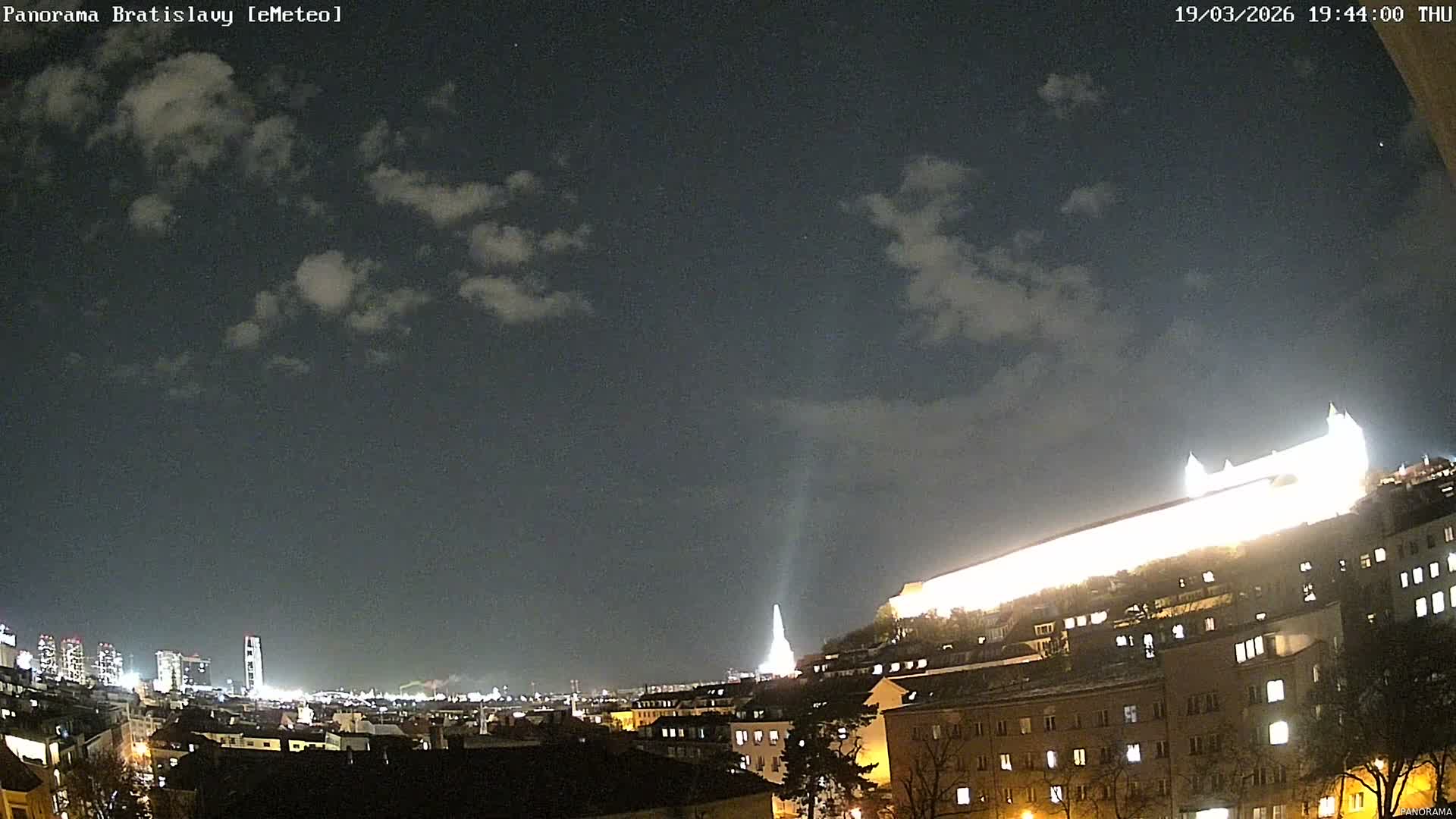
How the NYC Skyline Live Cam Evolves with Viewers
Public live streams showcasing the New York City skyline no longer function as static visual feeds. Modern NYC skyline live cams evolve alongside their audiences by integrating real-time chat feedback, interactive pan-tilt-zoom (PTZ) c...
Public live streams showcasing the New York City skyline no longer function as static visual feeds. Modern NYC skyline live cams evolve alongside their audiences by integrating real-time chat feedback, interactive pan-tilt-zoom (PTZ) controls, user-driven event tagging, community-moderated highlights, and adaptive stream quality based on viewer traffic and environmental occurrences.
Contents
The Shift from Static Observation to Interactive Viewing
Early webcam technology in the late 1990s and early 2000s offered low-resolution, slow-refresh snapshots of major metropolitan landmarks. A single frame of the Manhattan skyline across the Hudson or East River might refresh every 30 to 60 seconds. Viewers were passive observers, consuming whatever fixed perspective the camera operator configured.
Today, streaming infrastructure relies on high-definition 4K and 8K sensor technology, continuous 60-fps delivery via H.264/HEVC encoding, low-latency streaming protocols (such as WebRTC and LL-HLS), and robust cloud distribution networks. As platforms like YouTube Live, EarthCam, and custom IP camera dashboards expanded, the dynamic between content provider and audience transformed.
Viewers are no longer isolated consumers; they actively shape the live broadcast environment. Audience engagement metrics, live chat commentary, chat-based commands, and direct donations (such as Super Chats) inform camera operators—and automated algorithmic controllers—where to point, when to zoom, and which secondary audio or visual layers to activate.
Core Mechanisms of Viewer-Driven Stream Evolution
The evolution of an NYC skyline camera stream occurs across technical, social, and operational dimensions. Broadcast providers leverage several direct and indirect viewer inputs to modify the live feed in real time.
- VIEWER INPUT CHANNELS
- Live Chat Reports (Lightning, Ships, Fog, Aircraft)
- Interactive PTZ Queues & Voting Commands
- Traffic Spikes & Super Chat Highlight Requests
- STREAM PROCESSING & AUTOMATION
- Algorithmic Chat Analysis & Keyframe Triggering
- Automated Motion Tracking & Camera Preset Selection
- Community Moderator Action & Manual Override
- DYNAMIC STREAM OUTPUT
- Multi-Angle Camera Switching
- Focus Shift to Active Skyline Events
- Instant Replays, Highlight Clips, & Audio Overlay Adjustments
1. Interactive Pan-Tilt-Zoom (PTZ) Control Queues
Many public cameras situated on high-rise rooftops in Brooklyn, Long Island City, or New Jersey utilize robotic PTZ camera housings. Some platforms grant viewers temporary control over camera orientation. Viewers select from pre-defined visual targets—such as the Empire State Building, One World Trade Center, the Chrysler Building, or the Brooklyn Bridge—or use an interactive grid to alter the field of view.
When multiple users attempt to move the camera simultaneously, system queues or real-time polling mechanisms determine the next position. The stream evolves frame-by-frame based on collective user interest, panning toward a setting sun behind the Hudson River during golden hour or zooming into Midtown when fog rolls across the East River.
2. Chat-Driven Spotting and Event Tagging
Community members watching the feed around the clock often act as real-time lookouts. When severe weather hits New York Harbor, a cruise ship passes the Statue of Liberty, or the annual 9/11 Tribute in Light illuminates the night sky, viewers flag the event in live chat.
Stream operators and automated chat-bot algorithms monitor chat keyword velocity (e.g., repeating words like "lightning," "fireworks," "helicopter," or "rainbow"). When keyword thresholds are triggered, the system alerts camera operators or executes pre-programmed camera movements to track the highlighted phenomenon.
3. Algorithmic Highlight Generation and Clip Archival
High viewer engagement triggers clip creation. Modern video management systems parse metadata such as chat spikes, peak concurrent viewer counts, and user-generated timestamp bookmarks. The software automatically extracts dramatic moments—such as lightning strikes hitting the Willis Tower or One World Trade Center—and stitches them into automated time-lapses and highlight reels featured on the stream's primary interface.
Crowdsourced Archiving and Tracking Skyline Transformation
Beyond real-time camera movements, long-term viewers play a central role in documenting the structural evolution of the New York City skyline itself.
Tracking Supertall Construction
The skyline of Manhattan changes continuously as older structures yield to supertall residential and commercial towers. Regular audience members track structural milestones over months and years. For example, viewers of long-running skyline streams centered on Midtown East documented the step-by-step demolition of the former Union Carbide Building and the rising steel framework of 270 Park Avenue.
Viewers frequently request dedicated camera angles targeting active construction zones. In response to audience demand, camera operators adjust fixed focal lengths, frame specific building silhouettes, and publish specialized time-lapses covering years of architectural progress compressed into minutes.
- LONG-TERM VIEWERSHIP FEEDBACK LOOP
- Viewer Request: Track 270 Park Ave Construction
- Operator Adjusts Preset Angle / Adds Dedicated Secondary Feed
- Multi-Year Time-Lapses Generated & Archived for Community
Environmental and Historical Documentation
Audience interest extends to environmental phenomena and historical moments. Viewers log low-visibility marine fog, blizzard conditions across Central Park, coastal storm surges during seasonal nor'easters, and lighting pattern changes on major landmarks (such as special color schemes on the Empire State Building spire).
Community wikis, Discord channels, and dedicated subreddits linked to skyline feeds serve as collaborative repositories where users catalogue specific dates, times, and environmental phenomena captured by the camera.
Technical Comparison of Skyline Live Cam Delivery Modes
The technical architecture powering NYC skyline feeds determines how fluidly an audience can interact with and influence the view. The table below outlines common stream configurations and their interactivity models.
| Stream Type | Interactivity Level | Latency Range | Viewer Influence Mechanism | Typical Technical Infrastructure |
|---|---|---|---|---|
| Static Broadcast Feed | Low | 15–30 seconds | View counts, basic chat feedback | Single fixed IP camera, H.264 stream, CDN delivery |
| Community-Moderated Stream | Medium | 5–15 seconds | Live chat calls, Super Chat prompts, moderator commands | Fixed + auxiliary PTZ cams, OBS/vMix switching, active moderation team |
| Interactive Queue PTZ Cam | High | 1–3 seconds (WebRTC) | Direct control queue, preset voting, grid selection | Robotic 4K PTZ hardware, WebRTC stream server, custom web API control layer |
| AI/Algorithmic Smart Feed | Dynamic | 3–10 seconds | Automated chat velocity metrics, viewer density tracking | Multi-camera array, computer vision detection, automated vision switcher |
How Operators Adapt Audio and Visual Layers to Viewer Demand
A live skyline cam delivers more than raw video; operators tailor the auditory and graphical environment based on user feedback and viewing habits.
Ambient Soundscapes and Live Audio Feeds
Viewer preferences have shifted ambient live streams from silent feeds or looped royalty-free music toward real-time environmental audio. Operators position weather-sealed directional microphones high above street level to capture natural soundscapes: distant harbor horn signals, ambient city hum, rain on rooftop surfaces, and thunder.
In specialized feeds targeted at aviation or nautical enthusiasts, operators overlay live air traffic control (ATC) radio feeds from John F. Kennedy International Airport (JFK), LaGuardia (LGA), or Newark Liberty (EWR), or marine band radio chatter from the US Coast Guard and harbor tugboats. Viewers specify which audio channels add value to the visual feed, prompting operators to fine-tune sound mixes.
Multi-Camera Picture-in-Picture (PiP) Layouts
During major citywide events, singular perspectives are insufficient. On New Year’s Eve, 4th of July fireworks broadcasts, or during severe weather outbreaks, stream providers implement multi-angle viewports.
Viewer chat feedback guides which secondary views appear in Picture-in-Picture (PiP) windows. If high wind or low clouds obscure the Midtown skyline, operators switch the primary full-screen window to lower Manhattan or harbor views while keeping the obscured view in a smaller inset window.
- MULTI-CAMERA DYNAMIC SCREEN LAYOUT
- PRIMARY VIEW (e.g., Lower Manhattan / Harbor View)
- SECONDARY PIP INSET (e.g., Midtown / Spire)
- PRIMARY VIEW (e.g., Lower Manhattan / Harbor View)
Troubleshooting and Optimizing the Viewing Experience
To experience interactive NYC skyline streams with minimal buffering and optimal visual fidelity, configuration adjustments may be required depending on network constraints and device compatibility.
Managing Stream Latency and Quality Settings
- For Maximum Resolution (4K/8K Viewing): Select manual quality settings (2160p or higher) rather than "Auto." Ensure your browser supports hardware video decoding (VP9 or AV1 codecs) to reduce CPU loads.
- For Real-Time PTZ Interactivity: Switch to low-latency modes where available. Standard HTTP Live Streaming (HLS) introduces a 15- to 30-second delay, making real-time camera control frustrating. WebRTC or Ultra-Low Latency HLS (ULL-HLS) feeds reduce delay to under two seconds.
- Bypassing Network Throttling: Live video streams consume 15 to 30 Mbps of bandwidth for 4K delivery. If experiencing repeated buffering, verify that your local network connection is not throttling persistent UDP/TCP video traffic.
Identifying Authentic Live Streams
Due to the popularity of New York City visual streams, third-party channels frequently rebroadcast looped pre-recorded videos labeled as "Live." Authenticity can be verified by checking:
- Live Clocks and Weather Overlays: Authentic feeds feature live time stamps (EST/EDT) matching local NYC time and dynamic weather telemetry.
- Real-Time Traffic and Lighting: Verify building lighting schemes against known current events or light changes on the Empire State Building, as well as real-time vessel movements via public Automatic Identification System (AIS) marine tracking maps.
- Interactive Control Verification: True interactive streams reflect user commands or voting cues in real time on screen.
Frequently Asked Questions
How do viewers influence where an NYC skyline camera points?
Viewers influence camera angles through direct interactive control queues (where available), chat commands, channel voting polls, and direct feedback to live stream moderators. High activity or specific event calls in live chat often prompt operators to re-orient PTZ cameras toward areas of interest.
Why do some NYC skyline live cams change focus during storms or nightfall?
Camera adjustments during storms or nightfall occur due to automated computer vision presets or manual operator intervention. Cameras pan and adjust focal length to track lightning flashes, dense fog banks, or illuminated architectural features like spires and bridges that stand out after dark.
Can viewers control PTZ settings on all public NYC webcams?
No. Direct control is restricted to webcams that feature dedicated interactive queuing software. High-traffic public cams typically restrict manual control to authorized moderators or use a democratic voting system to prevent constant jarring camera movements by single users.
What technology allows live cams to automatically generate highlights from viewer chat?
Streaming software uses natural language processing (NLP) to monitor live chat text volume and keyword frequency. When keywords such as "lightning," "fireworks," or "cruise ship" spike rapidly alongside concurrent viewer counts, the system automatically tags video timestamps for clip generation.
How can I view historical NYC skyline live cam footage?
Many camera operators maintain public video archives, monthly time-lapse summaries, and timestamped highlight reels on their official streaming channels or website libraries. Community-run archives on platforms like GitHub, Reddit, and Discord also catalogue notable events captured by public cameras.
Recommended Next Steps
To engage with interactive NYC skyline streams effectively:
- Choose the Right Platform: Identify whether your goal is high-definition passive observation (standard YouTube 4K feeds) or real-time interaction (WebRTC-enabled PTZ camera portals like EarthCam or specialized weather camera dashboards).
- Join Active Viewing Communities: Connect with local spotting groups, weather enthusiasts, or civic architecture channels that coordinate real-time tracking during significant skyline events.
- Optimize Output Display: For continuous viewing, configure desktop display settings to disable sleep modes, force hardware acceleration in your browser, and set audio overlays to match your preferred ambient environment.
Image Gallery