The Queen Mary Hotel Haunted Reputation Explained: History, Myths, and Science
The RMS Queen Mary’s haunted reputation stems from a mix of tragic maritime history—including wartime fatalities and fatal workplace accidents—psychological environmental triggers inherent to large steel ocean liners, and decades of co...
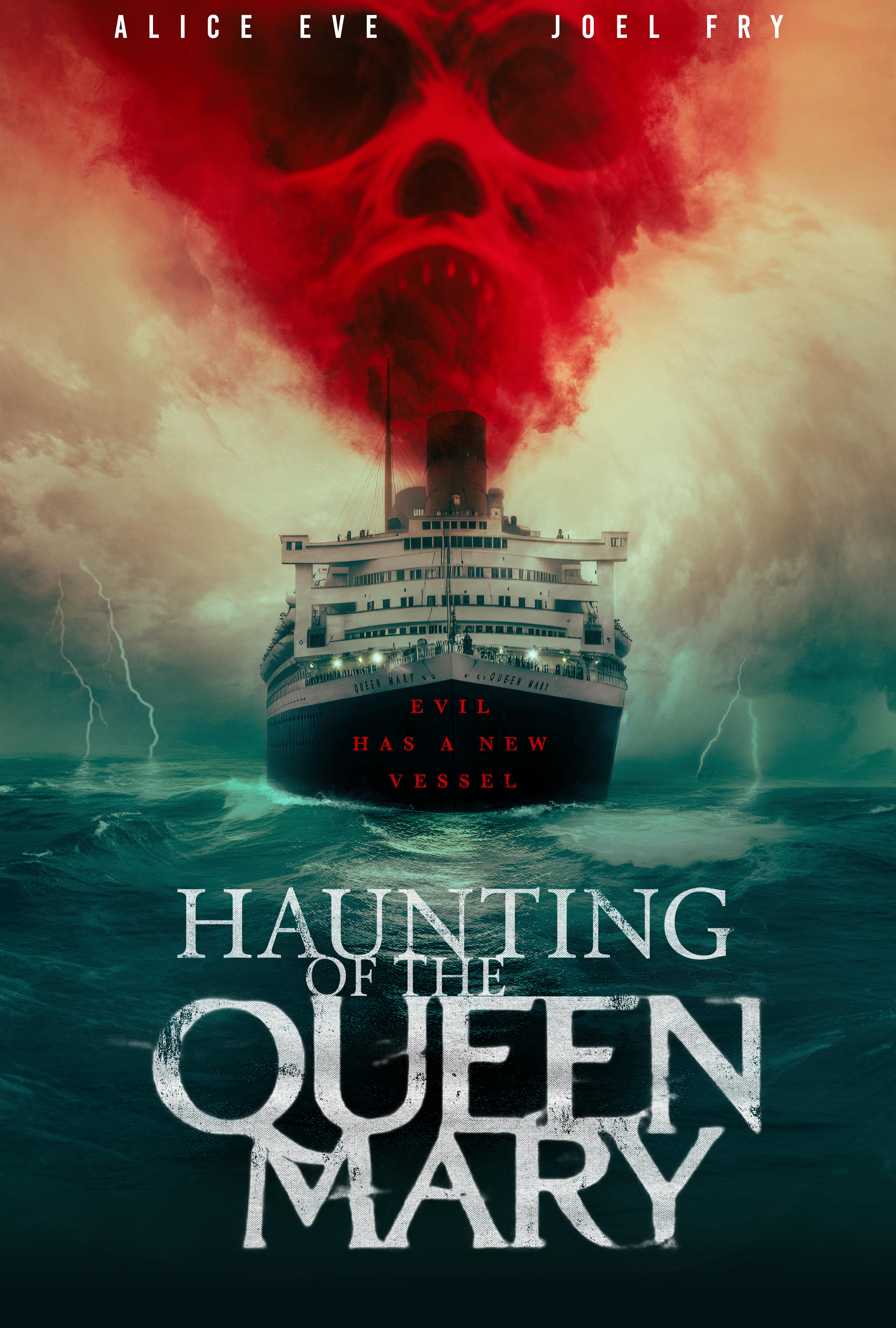
The RMS Queen Mary’s haunted reputation stems from a mix of tragic maritime history—including wartime fatalities and fatal workplace accidents—psychological environmental triggers inherent to large steel ocean liners, and decades of commercial paranormal marketing. Real-world incidents, amplified by media investigations in the late 20th century, transformed the retired liner into a world-famous ghost tourism destination.
Contents
The Historical Foundations of the Legends
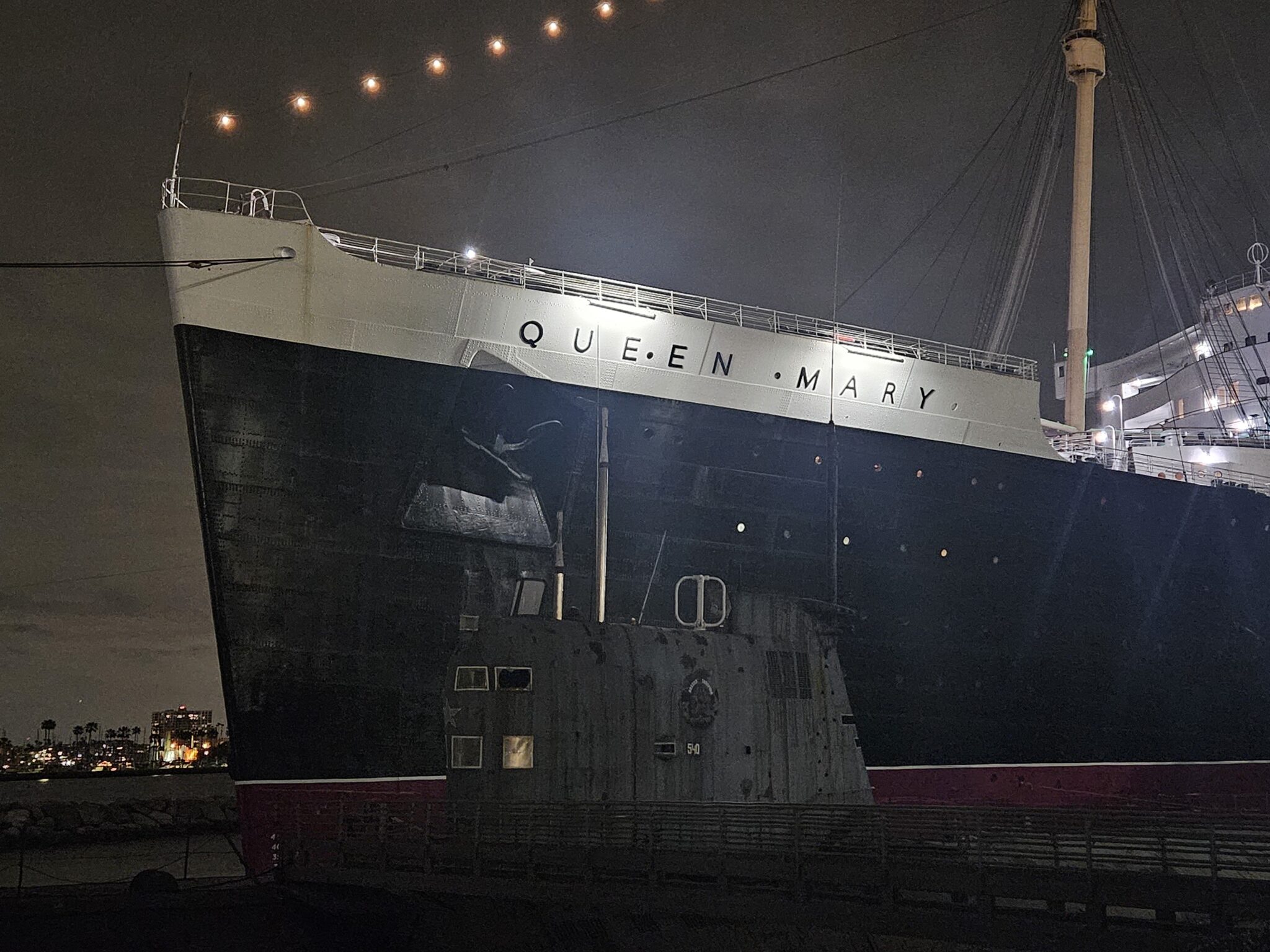
Long before the RMS Queen Mary became a stationary hotel and tourist attraction in Long Beach, California, it was one of the grandest transatlantic ocean liners of the 20th century. Launched in 1934 by Cunard-White Star Line, the ship served as a luxurious ocean liner, a World War II troopship, and eventually a hotel. Over its three decades of active service, real tragedies occurred on board that formed the groundwork for its supernatural reputation.
World War II and the Grey Ghost Era
During World War II, the Queen Mary was repainted gray and stripped of luxury fittings to transport Allied troops, earning the nickname the "Grey Ghost." Its speed allowed it to evade German U-boats, but wartime service brought significant tragedy.
The most severe loss of life associated with the vessel occurred on October 2, 1942. While escorting the Queen Mary off the coast of Ireland, the light cruiser HMS Curacoa crisscrossed in front of the giant liner. The Queen Mary struck the Curacoa at full speed, slicing the smaller warship in two. Due to strict standing orders to avoid U-boat attacks, the Queen Mary was forbidden to stop for survivors, resulting in the deaths of 338 crew members aboard the Curacoa. Although the tragedy occurred outside the ship itself, ghost lore frequently attributes mysterious pounding sounds along the bow to the spirits of the drowned sailors.
Onboard Accidents and Medical Deaths
During its civilian service and wartime voyages, forty-nine deaths were recorded in the ship's logbooks. These included natural deaths from illness, heart attacks among aging passengers, and fatal workplace industrial accidents:
- Engine Room Door 13: On July 10, 1966, an 18-year-old crewman named John Pedder was crushed to death by a watertight door during a routine emergency drill in Shaft Alley (Engine Room No. 2). This real-world safety disaster became the focal point for claims of a ghost dubbed "Half-Hatch Poppa" or "Johnnie."
- Boiler Room and Crew Accidents: Early 20th-century steamships carried inherent hazards. High-pressure steam lines, heavy metal machinery, and extreme heat led to several fatal burns and crushing accidents over the years.
- The Ship's Isolation Wards: During transatlantic passenger voyages, passengers exhibiting symptoms of contagious diseases were quarantined in the ship’s isolation ward in the bow. A small number of passengers died of infectious illnesses while in quarantine, adding an element of historical tragedy to the lower decks.
Environmental Psychology and Ship Architecture
While historical deaths explain the origins of many legends, sensory science and environmental psychology explain why visitors continue to report supernatural experiences today. Large steel ships create unique acoustic, visual, and electromagnetic conditions that can trigger physical sensations of fear or discomfort.
- Mechanical Vibration & Ventilation Systems
- Infrasound Waves (< 20 Hz)
- Resonance in Human Eyeball
- Visual Distortions/Shadows
- Inner Ear Disturbances
- Anxiety & Chills
- Resonance in Human Eyeball
- Infrasound Waves (< 20 Hz)
Infrasound and Mechanical Vibrations
Infrasound consists of sound waves below the lower limit of human hearing (typically under 20 Hz). Research in environmental psychology shows that exposure to infrasound can cause feelings of unexplained dread, nausea, hyperventilation, and subtle visual distortions caused by the human eyeball resonating at around 18 Hz.
On the Queen Mary, ventilation shafts, tidal water movement against the hull, and structural settling continuously generate low-frequency vibrations. Visitors walking through subterranean spaces like the engine rooms experience these imperceptible vibrations, which the human brain often interprets as a cold spot, an unseen presence, or a feeling of being watched.
Acoustic Reverberation and Steel Hulls
A riveted steel hull is an exceptional conductor of sound. Vibrations and noises generated hundreds of feet away—such as foot traffic on upper decks, expanding air ducts, or external harbor maintenance—travel through the metal framework and re-emerge in quiet corridors. To an unsuspecting guest in an isolated stateroom, the thermal contraction of aging steel pipes can easily sound like distant footfalls, faint knocking, or muffled human groans.
Electromagnetic Fields (EMF)
The ship’s massive metal hull acts as a localized cage that traps and concentrates complex electrical fields generated by modern hotel wiring, high-voltage lighting, and structural equipment. High exposure to fluctuating electromagnetic fields can cause disorientation, paranoia, skin-pricking sensations, and vivid visual or auditory hallucinations—symptoms frequently misidentified as ghost sightings.
Hotspots vs. Historical Facts
The legends surrounding the RMS Queen Mary often conflate real maritime history with urban legends developed during the ship's post-retirement era. The table below compares the claimed hauntings with verified historical records and scientific explanations.
| Location | Legend / Claimed Entity | Historical Record | Scientific / Environmental Explanation |
|---|---|---|---|
| Engine Room (Door 13) | Spirit of a crushed crewman (John Pedder) wandering Shaft Alley. | Verified: John Pedder died on July 10, 1966, when crushed by Watertight Door 13 during a drill. | Narrow steel walkways, high ambient low-frequency noise, extreme claustrophobic visual angles. |
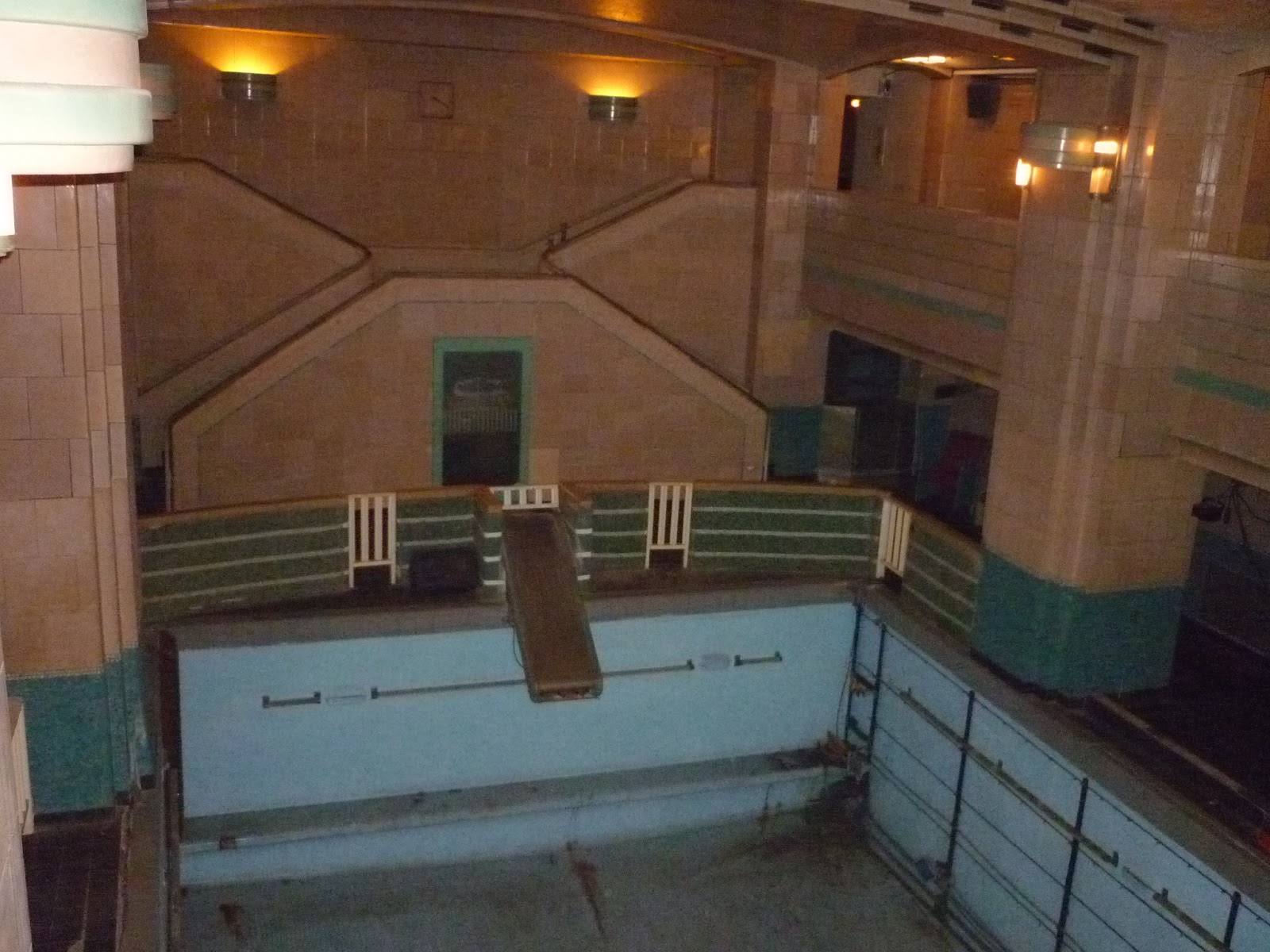
| First Class Swimming Pool | Ghosts of women in vintage swimwear and a young girl named "Jackie" who drowned. | Unverified: No official Cunard logbook entry confirms a child drowning in the First Class pool. | Echoing cavernous acoustics, standing water dampness, drafty air currents, and complete darkness when unlit. |
| Stateroom B340 | Violent poltergeist activity, moving furniture, and water taps turning on by themselves. | Partial: A passenger died of natural causes in the room in 1948; later guest complaints involved noise, not hauntings. | Small, windowless interior stateroom layout combined with localized high EMF readings from nearby utility shafts. |
| The Bow / Forecastle | Pounding noises and phantom screams from sailors drowned on HMS Curacoa. | Verified Event: HMS Curacoa sank in 1942 after collision with the ship, though deaths occurred at sea, not inside the hull. | Thermal expansion of the forward hull plates against tidal pressure, amplified by the hollow bow cavern. |
| Isolation Ward | Phantom coughs, temperature drops, and apparitions of quarantine patients. | Verified: Used for medical quarantines during passenger operations; several passengers died of illness. | Poor ventilation in lower deck compartments leads to sudden temperature drops and air pressure shifts. |
The Birth of a Paranormal Icon: Media and Marketing
The transformation of the Queen Mary from a retired liner into a global center for ghost hunting was not instantaneous. It evolved over several decades through media exposure, parapsychological investigations, and strategic tourism branding.
- 1967: Ship Retired to Long Beach
- 1970s–1980s: Early Parapsychology & Psychic Investigations
- 1990s–2000s: National TV Exposure (Unsolved Mysteries, Ghost Hunters)
- Present: Institutional Ghost Tours & Commercial Branding
The Transition to Long Beach Tourism
When the ship arrived in Long Beach in December 1967, the city faced significant costs to convert the ocean liner into a museum, convention space, and hotel. Removing the ship's lower boilers and converting the interior proved expensive. To maintain foot traffic and generate revenue, operators embraced alternative marketing strategies, capitalizing on maritime folklore and guest commentary.
Parapsychology and Mass Media Expansion
During the 1970s and 1980s, prominent parapsychologists visited the ship. Promoted heavily by local media, these investigations alleged the presence of over 150 distinct spirits on board.
National television broadcasts cemented this reputation:
- Unsolved Mysteries (1989): A high-profile segment highlighted the First Class pool area and Cabin B340, exposing millions of viewers to the ship's supernatural claims.
- Paranormal Reality Shows (2000s): Programs like Ghost Hunters, Ghost Adventures, and Most Haunted filmed episodes in the dark engine rooms and empty decks, bringing the vessel to a new generation of paranormal enthusiasts.
Commercialization of Supernatural Lore
Recognizing the commercial value of these stories, management integrated ghost lore directly into the hotel's business model. Today, visitors can book night-time ghost tours, paranormal investigation walks, and specialized events.
Stateroom B340, once removed from the hotel rental pool due to constant guest complaints, was completely renovated and re-opened specifically as a high-priced "haunted" hotel room complete with occult décor and investigation equipment.
Practical Information for Visitors and Researchers
For travelers and researchers planning to examine the RMS Queen Mary in Long Beach, understanding the operational setup and historical context ensures a meaningful visit.
- Visiting RMS Queen Mary
- Day History Tours
- Architecture
- Wartime Service
- Cunard History
- Evening Ghost Tours
- Engine Room / Door 13
- Pool Deck Access
- Paranormal Investigations
- Day History Tours
Navigating the Ship
- Daytime Historical Tours: Focus on the engineering, construction, Cunard Line luxury, and World War II troopship history. These tours offer historical context without sensationalized ghost narratives.
- Nighttime Ghost Tours: Access off-limits areas like the original First Class pool basin, deep engine spaces, and sub-deck corridors where atmospheric conditions (cold drafts, heavy acoustics) are most pronounced.
- Overnight Staterooms: The ship operates as an active hotel. Original First Class staterooms preserve wood paneling and vintage fixtures, offering an authentic sense of mid-20th-century ocean travel.
Tips for Evaluating Claims Onboard
- Bring Sound Measurement: Use a decibel or acoustic spectrum analyzer app to observe how mechanical noises from harbor operations travel through metal walls.
- Monitor Drafts and HVAC: Test "cold spots" with a digital thermometer; most coincide directly with vintage ventilation shafts or door seals.
- Check Historical Logs: Cross-reference tour narratives with official ship archives preserved by the City of Long Beach to separate confirmed accidents from urban legends.
Frequently Asked Questions
Did anyone actually die on the Queen Mary?
Yes. Official ship logbooks confirm 49 deaths occurred on board during its years of active service. Most were due to natural causes among passengers, but some resulted from industrial accidents, such as the fatal crushing of crewman John Pedder in the engine room in 1966.
What happened in Cabin B340 on the Queen Mary?
Cabin B340 (formerly B326) became famous due to passenger complaints during the late 20th century regarding weird noises, plumbing issues, and flickering lights. While a passenger died of natural causes in the room in 1948, claims of violent murders inside the room are unsupported by historical maritime records.
Why is Door 13 in the engine room famous?
Door 13 in the engine room is famous because 18-year-old crewman John Pedder was accidentally crushed to death by the hydraulic watertight door during a safety drill in 1966. It is one of the few locations on the ship where a fatal accident is historically documented.
Why do people report seeing ghosts near the swimming pool?
The First Class swimming pool is completely enclosed deep inside the ship, creating an echo chamber with high humidity, pitch darkness when unlit, and cold air drafts. These physical factors, combined with unverified urban legends about drowned children, create an environment prone to psychological suggestion.
Are the ghost stories on the Queen Mary scientifically proven?
No. There is no scientific evidence confirming supernatural activity on the Queen Mary. Paranormal phenomena reported by guests are consistently explained by physical factors, including infrasound vibrations, localized electromagnetic fields, thermal expansion of the steel hull, acoustic echoing, and psychological suggestion.
Practical Recommendation
When exploring the RMS Queen Mary, approach the ship through a dual lens: appreciate the genuine engineering marvel and wartime legacy that defined 20th-century history, while evaluating its ghost lore through environmental science. To experience the atmospheric conditions that fuel these legends, book an evening tour that accesses the lower engine spaces, but pay close attention to the structural acoustics, ventilation currents, and steel design that make the ship behave like a massive, living instrument.
Image Gallery