Why Uva Ursi Uses Matter for You: A Guide to Urinary Health and Herbal Safety
Uva ursi (Arctostaphylos uva-ursi), commonly known as bearberry, matters for your health because it offers a targeted, short-term botanical option for managing mild urinary tract discomforts. Its active plant compound, arbutin, convert...
Uva ursi (Arctostaphylos uva-ursi), commonly known as bearberry, matters for your health because it offers a targeted, short-term botanical option for managing mild urinary tract discomforts. Its active plant compound, arbutin, converts into an antimicrobial agent within the urinary tract. However, strict usage limits are essential to prevent potential liver and kidney toxicity.
Contents
Disclaimer: The information provided in this article is for educational purposes only and is not a substitute for professional medical advice, diagnosis, or treatment. Always consult a qualified healthcare provider before starting any botanical supplement, especially if you suspect a kidney or urinary tract infection.
What Is Uva Ursi? Understanding the Bearberry Plant
Uva ursi is an evergreen shrub native to North America, Europe, and northern Asia. The name uva ursi translates from Latin to "bear’s grape," reflecting the wild red berries favored by bears. For centuries, traditional healers and modern medical botanists have focused not on the berries, but on the small, leathery green leaves of the plant.
- Uva Ursi Leaf (Contains Arbutin)
- Ingestion & Metabolism
- Hydroquinone Conjugates in Blood
- Excretion into Urine (Alkaline Urinary pH)
- Free Hydroquinone Released
- Targeted Antimicrobial Action in Bladder
Botanical Origins and Active Compounds
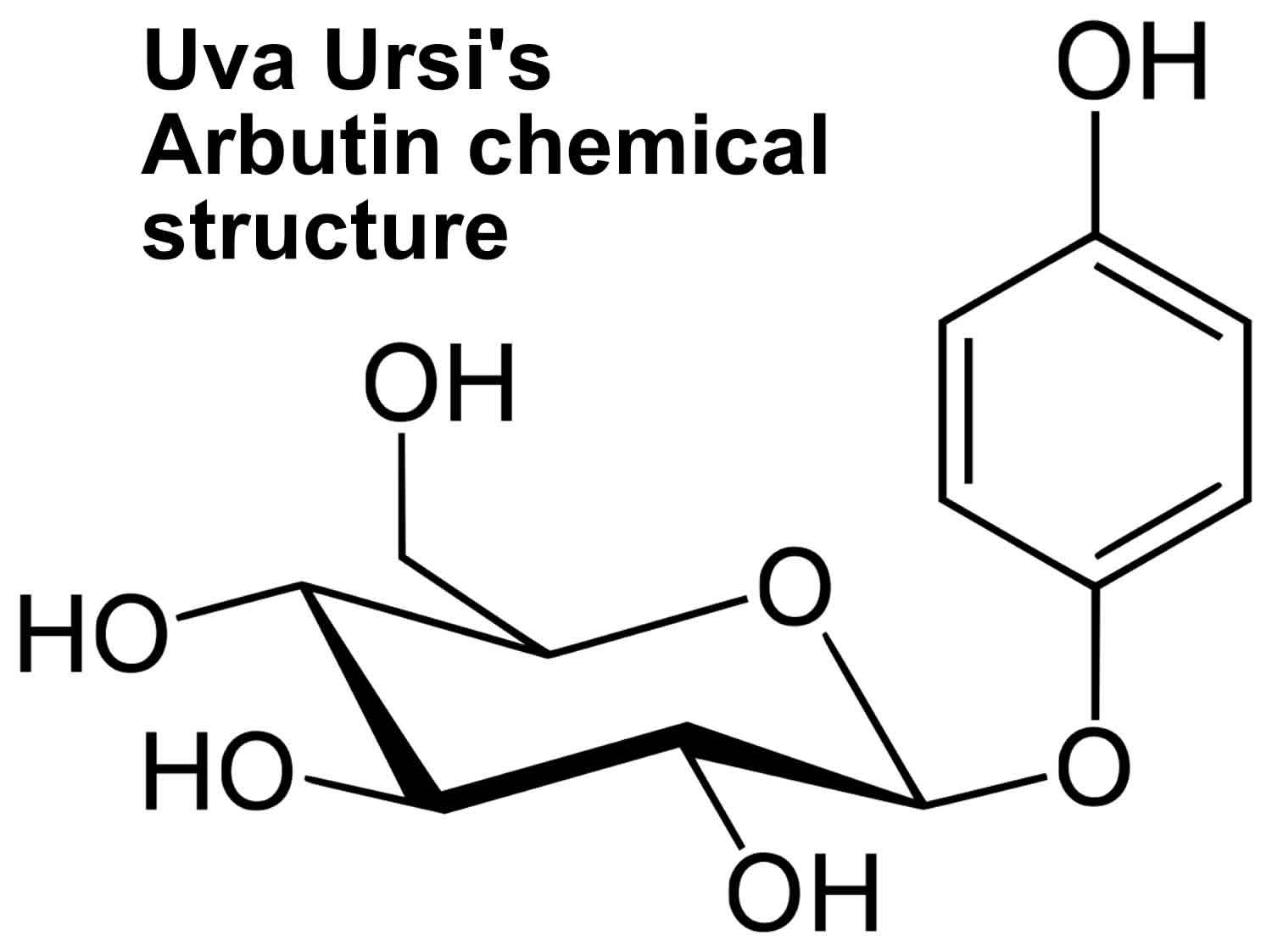
The therapeutic value of uva ursi leaf extract rests on a distinct biochemical profile. The dominant active constituent is arbutin, a naturally occurring glycoside composed of hydroquinone bound to a sugar molecule. The leaves also contain significant concentrations of:
- Tannins (15%–20%): Polyphenolic compounds that exert a strong astringent effect on mucous membranes.
- Flavonoids (such as quercetin and isoquercitrin): Antioxidants that help modulate local inflammatory responses.
- Hydroquinone Derivatives: Phenolic compounds responsible for direct antimicrobial activity.
- Ursolic Acid and Malic Acid: Organic acids that contribute to gentle diuretic activity.
Historical Context vs. Modern Botanical Science
Historically, indigenous North American tribes and European herbalists utilized uva ursi leaves for bladder conditions, kidney stones, and general fluid retention. In modern integrative health, herbal monograph authorities—such as the European Medicines Agency (EMA) Committee on Herbal Medicinal Products (HMPC) and European scientific organizations—recognize uva ursi leaf preparation as a traditional herbal medicinal product. Its established application is the relief of symptoms of mild, recurrent lower urinary tract infections (such as burning sensations and frequent urination) in adult women, provided serious medical conditions have been ruled out.
The Primary Uses of Uva Ursi: How It Supports Urinary Tract Health
Understanding uva ursi uses allows you to make informed, safe choices when searching for urinary health protocols. While it is frequently listed alongside daily dietary supplements, uva ursi serves a specific, short-term functional purpose.
- Uva Ursi Primary Uses
- Targeted UTI Anti-infective
- Astringent Tissue Toning
- Mild Diuretic Action & Flush
Treating Mild Uncomplicated Cystitis
The primary clinical reason uva ursi uses matter is its targeted antimicrobial action in the bladder. Uncomplicated cystitis—an infection confined to the lower urinary tract—is primarily caused by Escherichia coli (E. coli) bacteria adhering to the bladder lining. The active derivatives excreted in urine after taking uva ursi help inhibit the growth of these uropathogens directly at the site of infection.
Astringent and Anti-inflammatory Action
The high tannin content in uva ursi leaves acts directly on the mucosal lining of the bladder and urethra. Tannins shrink and tighten swollen tissues, forming a protective barrier across irritated membranes. This astringent action helps reduce the localized burning, urgency, and pelvic pain associated with bladder inflammation.
Mild Diuretic Properties
Uva ursi exhibits a mild diuretic effect, promoting fluid clearance through the kidneys. Increasing urine output helps flush out bacterial colonies and cellular debris from the urinary system. Unlike strong pharmaceutical diuretics, this natural flushing action works alongside the plant's native antimicrobial compounds.
Mechanism of Action: How Uva Ursi Works Inside the Body
The mechanism of uva ursi is unique among botanical therapies because it acts as a pro-drug—a compound that remains inactive until transformed by the body’s metabolic processes.
The Conversion of Arbutin to Free Hydroquinone
When you consume uva ursi extract, arbutin passes through the digestive tract and is absorbed into the bloodstream. In the liver, arbutin breaks down into hydroquinone, which is immediately conjugated with glucuronic acid and sulfate to render it non-toxic while circulating in the blood.
These hydroquinone conjugates travel to the kidneys, where they are filtered into the urine. Once inside the urinary bladder, bacterial enzymes and the surrounding chemical environment hydrolyze these conjugates, releasing free hydroquinone. Hydroquinone disrupts bacterial cell walls and metabolic processes, stopping pathogenic growth.
The Critical Role of Urinary pH
For uva ursi to work effectively, the urinary environment must be alkaline (a pH greater than 7.0). In an acidic environment, hydroquinone remains bound to its conjugate, drastically reducing its antimicrobial effectiveness.
- Acidic Urine (pH < 6.5)
- Hydroquinone Remains Bound
- Reduced Antimicrobial Effect
- Alkaline Urine (pH > 7.0)
- Hydroquinone Released
- Active Antimicrobial Action
Dietary habits directly alter urine pH. Consuming high amounts of animal protein, grains, or vitamin C (ascorbic acid) acidifies urine, neutralizing uva ursi's active mechanism. Conversely, diets rich in vegetables, legumes, or small supplemental doses of sodium bicarbonate (baking soda) help alkalinize urine, creating the optimal operational state for arbutin conversion.
Critical Safety Guidelines, Risks, and Contraindications
While uva ursi is an effective botanical remedy, it carries strict clinical boundaries. It is not an everyday preventive supplement like cranberry or vitamin D; improper use can lead to organ toxicity.
Hydroquinone Toxicity and Exposure Limits
Hydroquinone is a potent chemical compound. Extended exposure or high systemic dosages can lead to liver toxicity (hepatotoxicity), kidney irritation, and visual disturbance.
To mitigate toxicity risks, health agencies like the EMA recommend that uva ursi intake be restricted to no more than 5 to 7 consecutive days per acute episode, and used no more than 5 times per calendar year. Cumulative intake beyond these windows significantly increases systemic risk without offering added therapeutic benefits.
High Tannin Content and Digestive Distress
The 15% to 20% tannin concentration that provides localized bladder astringency can irritate the stomach lining. Common mild-to-moderate side effects include:
- Nausea and stomach cramping
- Vomiting (especially when taken on an empty stomach)
- Greenish-brown coloration of the urine (a harmless metabolic byproduct of hydroquinone processing)
Taking uva ursi extracts alongside meals or selecting standardized aqueous extracts with reduced tannin loads can lessen gastrointestinal discomfort.
Who Must Avoid Uva Ursi
Due to potential systemic toxicity and physiological stress, specific populations must avoid uva ursi entirely:
- Pregnant Women: Uva ursi can induce uterine contractions, increasing the risk of premature labor or miscarriage.
- Nursing Mothers: Hydroquinone derivatives can pass into breast milk, posing unknown risks to infants.
- Children under 18: Safety profiles have not been established for pediatric populations.
- Individuals with Kidney Disease: The hydroquinone metabolites excreted by the kidneys can aggravate existing renal impairment.
- People with Severe Liver Disorders: Impaired liver function hinders the safe conjugation and detoxification of hydroquinone.
Recommended Dosage, Duration, and Administration Protocol
To maximize the therapeutic benefits of uva ursi while minimizing safety risks, follow standardized dosing guidelines based on clinical literature and botanical monographs.
- Acute Symptoms Begin
- Start Standardized Uva Ursi (400–840 mg Arbutin / day split)
- Monitor Urinary pH > 7.0
- Limit Use to 5–7 Days Max
- Stop Supplementation
- Symptoms Resolved: Stop
- Symptoms Persist: See Doctor
Standardized Dosing Parameters
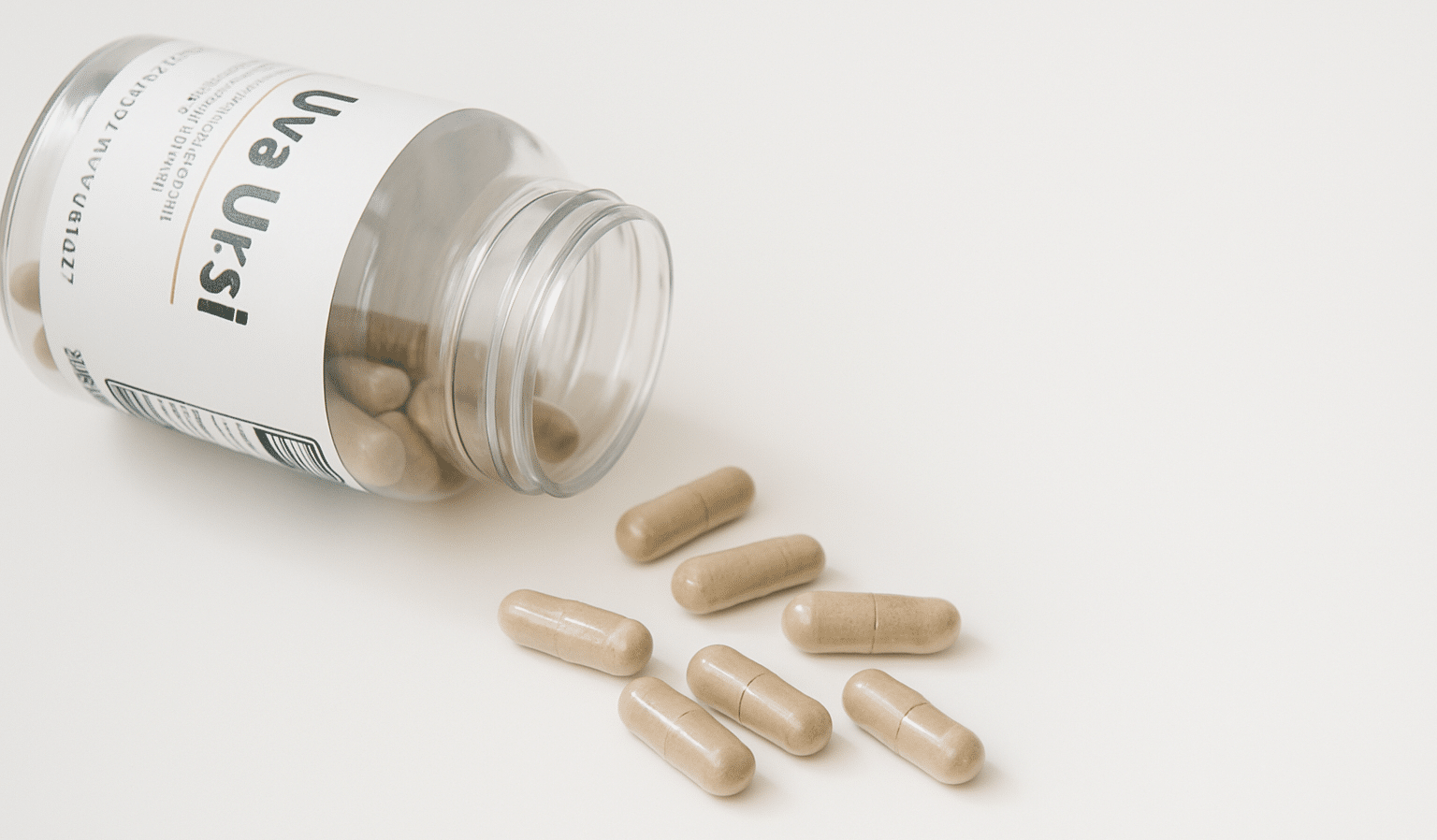
Commercial uva ursi is available as crude dried leaf tea, liquid tinctures, and standardized solid capsule extracts. The primary biomarker for accurate dosing is daily arbutin intake:
- Standard Adult Daily Dose: 400 mg to 840 mg of hydroquinone derivatives, calculated as anhydrous arbutin, divided into 2 to 4 doses throughout the day.
- Dry Leaf Tea Preparation: 1.5 to 4 grams of dried uva ursi leaves steeped in 150 mL of hot water, taken up to 3 times daily. (Cold-macerated teas prepared over 12 hours reduce stomach-irritating tannin levels while preserving arbutin content).
- Liquid Extract (1:1 in 25% alcohol): 1.5 mL to 4 mL taken up to 3 times daily.
Dietary Adjustments to Support Efficacy
To keep urinary pH in the necessary alkaline range during treatment:
- Increase Alkaline Foods: Focus on fresh vegetables, leafy greens, root vegetables, fruits like raisins and figs, and almonds.
- Temporarily Limit Acidifying Foods: Reduce intake of meat, fish, poultry, cheese, processed grains, and acidic juices (such as pure cranberry or citrus juices).
- Avoid High-Dose Vitamin C: Temporarily pause supplemental ascorbic acid, as it strongly acidifies urine.
Comparing Uva Ursi with Other Urinary Tract Supplements
To choose the right option for your needs, it helps to compare uva ursi with other common natural urinary health products.
| Characteristic / Supplement | Uva Ursi (Arctostaphylos uva-ursi) | Cranberry (Vaccinium macrocarpon) | D-Mannose | Prescription Antibiotics (e.g., Nitrofurantoin) |
|---|---|---|---|---|
| Primary Mechanism | Antimicrobial via arbutin/hydroquinone conversion; astringent tissue support | Inhibits bacterial adhesion via proanthocyanidins (PACs) | Binds to E. coli lectins, preventing attachment to bladder walls | Direct bactericidal or bacteriostatic chemical action |
| Target Use | Acute, short-term treatment of active mild lower UTI symptoms | Daily long-term prophylaxis to prevent recurrent UTIs | Prevention and short-term adjunctive clearance of E. coli | First-line treatment for diagnosed bacterial infections |
| Maximum Duration | 5 to 7 days consecutive (Max 5 times per year) | Safe for continuous long-term daily use | Safe for prolonged daily or targeted use | Course prescribed by clinician (typically 3 to 7 days) |
| Optimal Urinary pH | Alkaline (pH > 7.0 required) | Neutral to slightly acidic | Neutral | Variable based on specific agent |
| Key Safety Warnings | Risk of liver/kidney toxicity with long-term use; contraindicated in pregnancy | Low risk; potential GI distress or interaction with blood thinners | Minimal; potential mild diarrhea or bloating at high doses | Potential systemic side effects, gut microbiome disruption, resistance risks |
Frequently Asked Questions
Can uva ursi replace prescription antibiotics for a UTI?
No. Uva ursi is indicated for mild, uncomplicated lower urinary tract irritation. If you have a confirmed or severe bacterial infection, high fever, back pain, or bloody urine, you need immediate medical assessment. Unfinished or delayed treatment of severe UTIs can lead to kidney infections (pyelonephritis) or systemic sepsis.
How quickly does uva ursi start working?
When urinary pH is sufficiently alkaline (pH > 7.0), uva ursi generally produces noticeable relief within 24 to 48 hours. If symptoms show no improvement after 48 to 72 hours, discontinue use and consult a healthcare provider.
Why shouldn't I drink cranberry juice while taking uva ursi?
Cranberry juice acidifies urine due to its natural organic acid content. Because uva ursi requires an alkaline urinary environment to break arbutin down into active hydroquinone, drinking acidic cranberry juice neutralizes uva ursi's antibacterial effectiveness.
Is uva ursi safe for men to use?
While men can metabolize arbutin identically to women, urinary symptoms in men (such as burning or urgency) often point to underlying conditions like prostatitis or structural complications rather than simple cystitis. Men experiencing urinary symptoms should consult a physician before using uva ursi.
What happens if I take uva ursi for longer than 7 days?
Taking uva ursi beyond 7 consecutive days increases systemic exposure to hydroquinone. Cumulative hydroquinone toxicity can stress liver and kidney tissues, lead to nausea and tinnitus, and potentially cause structural cellular damage. Always adhere strictly to short-term usage limits.
Practical Recommendations and Next Actions
Understanding why uva ursi uses matter helps you decide when to use this botanical remedy and when to choose alternatives. If you are considering uva ursi for urinary tract support, follow these practical steps:
- Assess Your Symptoms: Use uva ursi only for mild, uncomplicated lower urinary tract symptoms, such as slight burning during urination or increased urgency. If you experience fever, chills, flank or lower back pain, nausea, or visible blood in your urine, seek professional medical care immediately.
- Test and Adjust Urinary pH: Purchase inexpensive urinary pH test strips at a pharmacy. If your urine pH is below 7.0, adjust your diet by increasing green vegetables and temporarily reducing meats and acidic fruits to optimize conditions for arbutin conversion.
- Select Standardized Products: Choose products that clearly state their arbutin content (aiming for a total daily intake of 400 mg to 840 mg of arbutin, divided across doses).
- Set a Calendar Reminder: Mark your calendar when starting uva ursi supplementation. Stop taking it after 5 consecutive days, and never exceed 7 days per treatment course or 5 courses per year.
- Explore Daily Alternatives for Prevention: If you experience frequent urinary tract issues, reserve uva ursi for acute flare-ups. Use safer long-term preventatives—such as D-mannose or standardized cranberry extract—for daily support.
Image Gallery