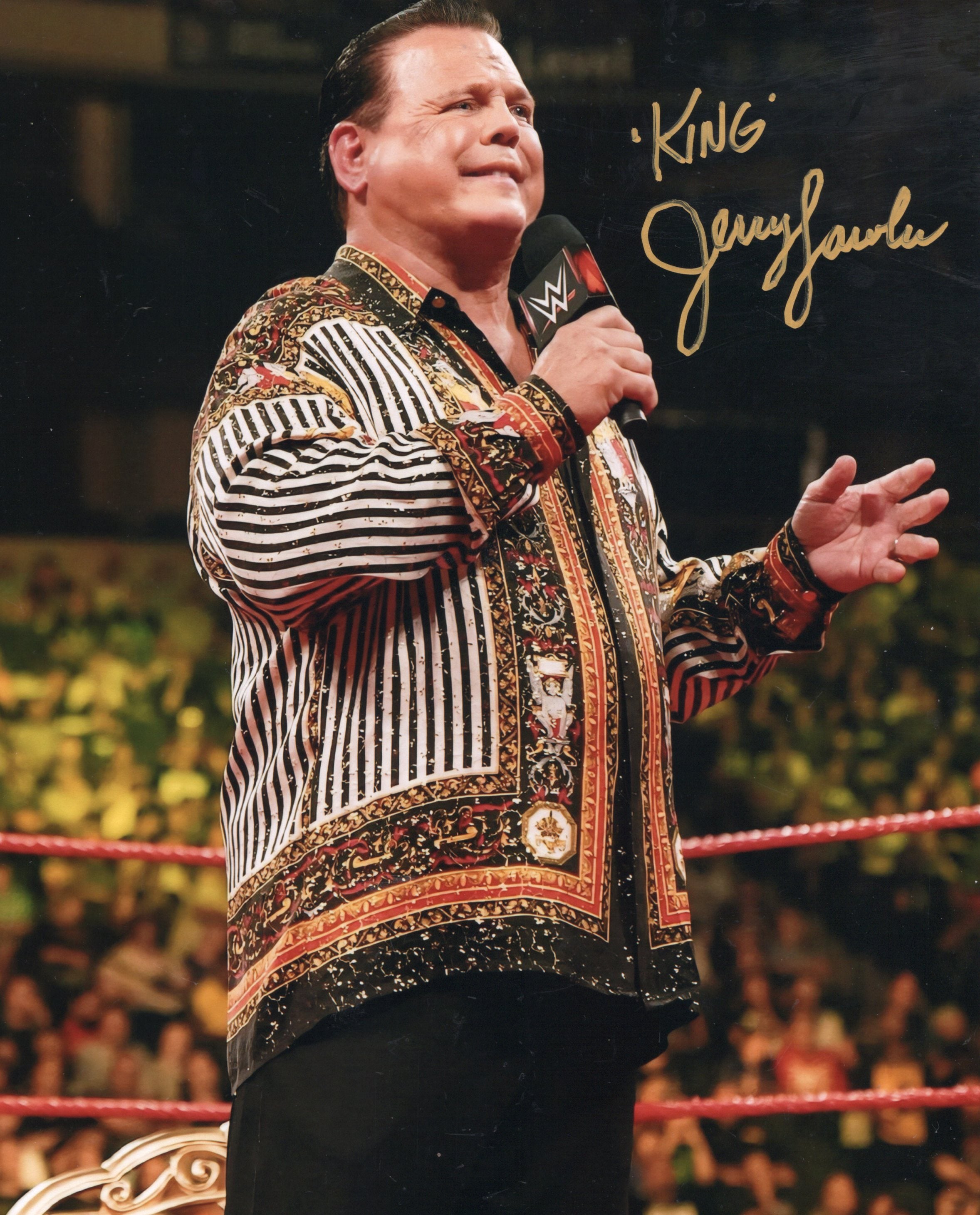
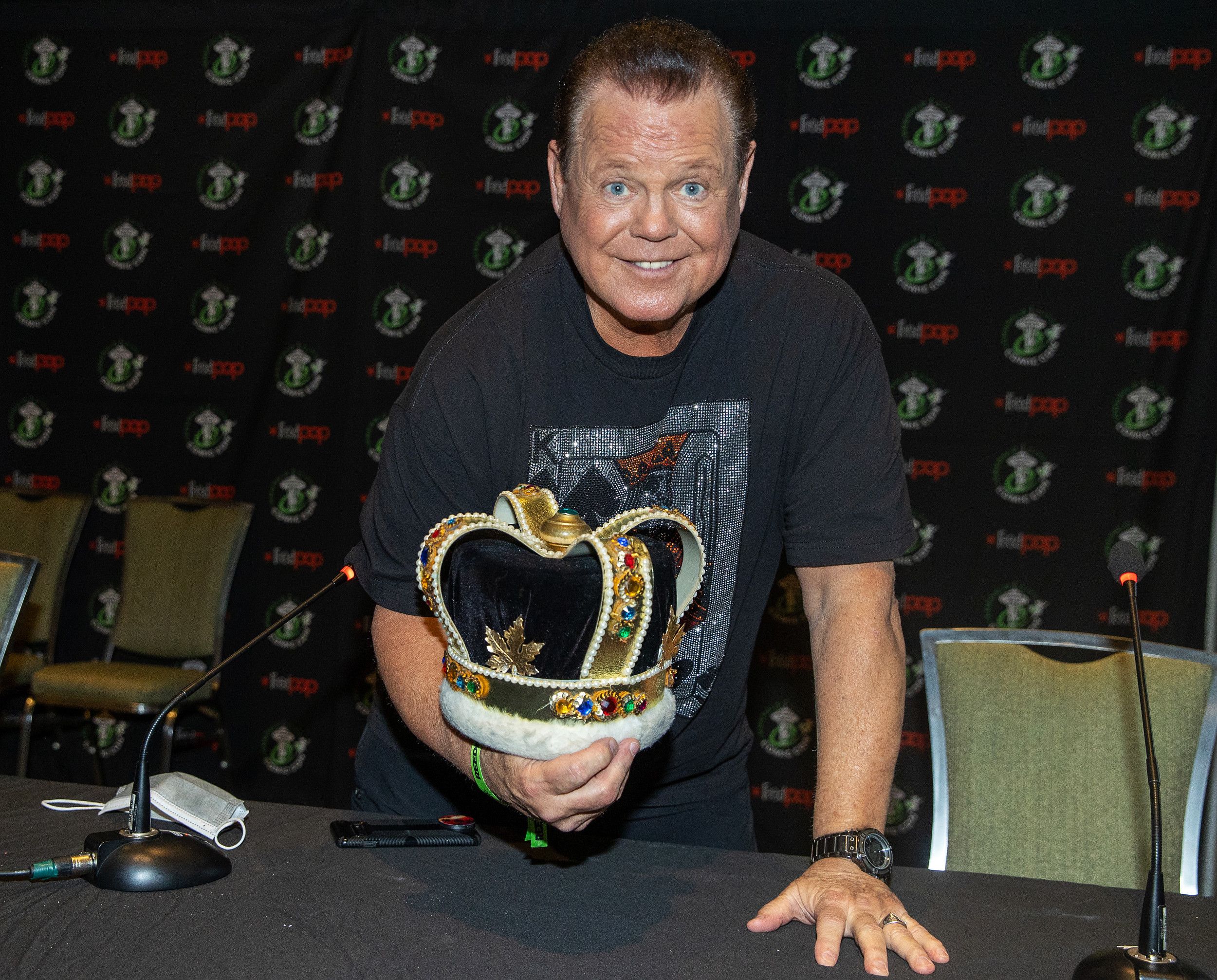
Jerry Lawler Salary: Breaking Down The King’s WWE Earnings, Net Worth, and Career Compensation
During the height of his full-time broadcasting career with World Wrestling Entertainment (WWE), Jerry "The King" Lawler earned an estimated annual salary ranging between $500,000 and $800,000. Across a career spanning over five decade...
During the height of his full-time broadcasting career with World Wrestling Entertainment (WWE), Jerry "The King" Lawler earned an estimated annual salary ranging between $500,000 and $800,000. Across a career spanning over five decades as a legendary territory promoter, hall-of-fame wrestler, broadcast analyst, and artist, Lawler accumulated an estimated net worth of $7 million to $10 million.
Contents
Overview of Jerry Lawler’s Financial Journey
Jerry Lawler stands as one of the most financially enduring figures in professional wrestling history. Unlike many performers from the 1970s and 1980s territory era who struggled to transition into the lucrative national broadcasting era, Lawler built a multi-decade career that successfully bridged regional promotion ownership with corporate broadcast compensation.
Born in Memphis, Tennessee, Lawler built his foundational wealth not just as an in-ring performer, but as a regional wrestling mogul. As a co-promoter of the Continental Wrestling Association (CWA) and later the United States Wrestling Association (USWA), Lawler earned a significant percentage of live gate receipts, television syndication revenues, and venue concessions across the Mid-South region. This promoter background gave him unique leverage when he joined Vince McMahon’s World Wrestling Federation (WWF, now WWE) in late 1992.
Over the subsequent three decades, Lawler's earnings shifted from weekly match payouts and box-office splits to structured corporate contracts, downside guarantees, commentary salaries, corporate appearances, and lucrative licensing royalties. Understanding Jerry Lawler’s total compensation requires examining how wrestling contracts evolved from regional gate splits to global media Conglomerate pay structures.
Detailed Compensation Phases Throughout Lawler’s Career
Jerry Lawler’s total earnings span distinct financial eras in professional wrestling history. His compensation structure transformed significantly as the industry shifted from territory promoter splits to publicly traded corporate broadcasting contracts.
JERRY LAWLER CAREER REVENUE
- 1970s–1980s: Memphis Territory Ownership (Gate Revenues, Syndication, TV Splits)
- 1990s–2010s: WWE Broadcasting Contracts ($500K–$800K Base + PPV & Royalty)
- 2010s–2020s: WWE Legends Contracts ($100K–$250K Downside Guarantee + Indys)
The Memphis Territory & USWA Ownership Era (1970s–1990s)
Before becoming a staple on WWE television, Lawler was one of the most profitable regional draws in wrestling history. In the Memphis territory alongside partner Jerry Jarrett, Lawler operated under a business model drastically different from modern performer contracts:
- Gate Receipts and House Show Splits: As the top babyface (heroic figure) in Memphis, Lawler routinely drew packed crowds to the Mid-South Coliseum on Monday nights. Promoters during this era typically paid main-event performers a percentage of the live gate after building rental and municipal tax deductions, often netting top draws thousands of dollars per week in cash.
- Promoter Profit Shares: As part-owner of the CWA, Lawler received executive distributions from regional television advertising revenue, syndication tape trades, and secondary venue bookings across Tennessee, Kentucky, and Arkansas.
- Celebrity Cross-Over Revenue: Lawler’s famous feud with Hollywood comedian Andy Kaufman in 1982—including their iconic appearance on Late Night with David Letterman—elevated Lawler into mainstream pop culture, opening up mainstream commercial endorsements and media appearances rarely afforded to regional wrestlers at the time.
The WWE Full-Time Commentary Era (1992–2016)
When Lawler entered the WWF in December 1992, he transitioned toward a dual-role contract covering both in-ring performance and commentary alongside Vince McMahon, and later, Jim Ross.
During the peak of the "Attitude Era" (1997–2001) and the subsequent "Ruthless Aggression Era" (2002–2008), Lawler's financial baseline was grounded in standard executive broadcast agreements combined with talent contracts:
- Base Salary: Lawler’s base broadcast salary for Monday Night Raw, pay-per-view events, and weekly TV tapings was reported between $500,000 and $800,000 per year during the prime of his commentary run.
- Pay-Per-View (PPV) Compensation: WWE performers and commentators traditionally received bonus allocations from major pay-per-view events like WrestleMania, SummerSlam, and the Royal Rumble. Commentators drew from a central event talent pool based on broadcast longevity and card placement.
- In-Ring Performance Bonuses: Whenever Lawler wrestled high-profile matches—such as his feud with Bret "Hitman" Hart in the mid-1990s or his WrestleMania XXVII match against Michael Cole in 2011—he earned additional talent match fees separate from his broadcasting baseline.
The WWE Legends Contract & Modern Era (2016–2024)
As WWE shifted its main broadcast teams toward younger play-by-play and color commentators, Lawler stepped back from weekly Raw and SmackDown duties, transitioning into pre-show panel hosting and special ambassador duties.
- Downside Guarantees: WWE Legends Contracts generally offer an annual downside guarantee ranging from $100,000 to $250,000. This baseline ensures that WWE retains exclusive rights to the wrestler's image, likeness, action figures, and video game appearances while requiring a set number of annual promotional appearances.
- Contract Expiration and Freedom: Reports indicated that Lawler’s long-standing WWE broadcasting contract was allowed to expire in early 2024, though he retained an official WWE Legends agreement for merchandising purposes. This transition allowed Lawler complete freedom to monetize independent appearances, autograph conventions, and personal artwork without corporate scheduling conflicts.
Secondary Revenue Streams and Business Ventures
Jerry Lawler’s overall wealth was not generated exclusively by professional wrestling promoters. A savvy businessman and artist, Lawler diversified his income streams significantly throughout his adult life.
| Revenue Category | Primary Sources & Mechanisms | Estimated Financial Impact |
|---|---|---|
| WWE Broadcasting Base | Raw, SmackDown, and PPV event commentary base pay | $500,000 – $800,000 annually (peak years) |
| WWE Legends Guarantee | Brand ambassador duties, Kickoff panels, legacy rights | $100,000 – $250,000 annually (later years) |
| Licensing & Merchandise | Video games (WWE 2K), Mattel action figures, T-shirts | $50,000 – $150,000+ per year in passive royalties |
| Commercial Art & Graphics | Comic book covers, sports logos, custom commissions | High variable income per project |
| Independent Appearances | Autograph signings, fan conventions, independent shows | $2,000 – $5,000+ per weekend appearance |
| Hospitality & Real Estate | Restaurants (Jerry Lawler's Hall of Fame Bar & Grille) | Equity distributions & brand licensing revenue |
Commercial Art and Illustration
Long before he earned money in a wrestling ring, Lawler was an accomplished commercial illustrator. His artistic talent played a crucial role in entering the wrestling business, as he initially drew portraits of local wrestlers and sent them to Memphis TV stations.
Throughout his career, Lawler monetized his artistic skill:
- Comic Books and Covers: Lawler has created official artwork for independent comic titles, custom graphic novels, and regional sports marketing campaigns.
- Custom Commissioned Artwork: Lawler regularly accepts high-end private painting commissions, depicting fellow wrestling icons, classic superheroes, and movie characters. Individual original canvasses frequently sell for thousands of dollars to private collectors.
- Commercial Design: Lawler has painted vehicle graphics, corporate logos, and local promotional signage throughout the Memphis metropolitan area for decades.
Licensing, Merchandising, and Video Games
Because Lawler remained an active personality on WWE broadcasts during the massive expansion of modern media licensing, his intellectual property generated substantial passive income:
- WWE 2K Video Game Series: Performer royalties for inclusion in 2K Sports video games depend on whether talent appears as a playable character, commentator, or both. As a commentary voice for over a decade of wrestling games and an unlockable "Legend" character, Lawler received recurring annual video game residual payments.
- Action Figures and Apparel: Royalty checks from toy manufacturers like Jakks Pacific and Mattel, combined with WWE Shop merchandise, provide consistent quarterly income to legacy talent holding active licensing agreements.
Local Business Holdings and Restaurants
Capitalizing on his household-name status in Tennessee, Lawler established several hospitality and real estate ventures:
- Beale Street Establishments: Lawler successfully launched Jerry Lawler's Hall of Fame Bar & Grille on iconic Beale Street in Memphis. The establishment capitalizes on Memphis tourism, displaying authentic wrestling memorabilia, championship belts, and Lawler’s personal movie collection.
- Real Estate and Classic Cars: Lawler has invested heavily in Memphis-area real estate and built an extensive collection of rare automobiles, including custom-built replicas of the 1966 Batmobile and classic American muscle cars.
How Lawler’s Compensation Compares to Other Wrestling Legends
To put Jerry Lawler’s salary into proper perspective, it helps to analyze how commentator and territory legend pay compared across different eras and broad roles within professional wrestling.
HISTORICAL COMMENTATOR PAY SCALES
- Jim Ross (WWE Prime): $600,000 – $1,000,000 / year (Broadcast + Talent)
- Jerry Lawler (WWE Prime): $500,000 – $800,000 / year (Broadcast + Talent)
- Gorilla Monsoon (WWF Executive): $300,000 – $500,000 / year (Broadcast + Executive)
- Modern WWE Lead Announcer: $350,000 – $650,000 / year (Corporate Salary)
Lawler vs. Jim Ross
Jerry Lawler and Jim Ross formed arguably the most famous commentary duo in professional wrestling history. Financially, both performers commanded high-level broadcast contracts, but their compensation structures differed based on their behind-the-scenes responsibilities:
- Jim Ross: In addition to his commentary role, Ross served as WWE's Executive Vice President of Talent Relations during the Attitude Era. This executive position meant Ross managed talent payroll, contract negotiations, and recruitment, earning him a higher overall corporate compensation package (often exceeding $1 million annually during peak years).
- Jerry Lawler: Lawler preferred to focus strictly on on-screen commentary, in-ring appearances, and independent artistic endeavors. While his commentary pay mirrored Ross’s broadcast compensation closely, Lawler did not draw an executive corporate salary, leaving him free to pursue outside business opportunities.
Commentary Contracts vs. In-Ring Main Eventers
While Lawler’s estimated $500,000 to $800,000 annual commentary salary positioned him among the highest-paid non-full-time wrestlers in the company, top-tier active main-event wrestlers (such as Stone Cold Steve Austin, The Rock, or John Cena) earned significantly more during the same era. Main-event performers often pulled down between $2 million and $10 million per year when accounting for PPV cuts, main-event guarantees, and merchandise cuts.
However, commentary contracts offered a level of long-term stability and physical longevity that active wrestling contracts rarely provided. While in-ring careers average between 10 to 15 years due to severe physical wear, Lawler remained on national television on a high-tier salary for nearly 30 consecutive years.
Key Financial Factors in Pro Wrestling & Broadcast Contracts
Understanding how professional wrestling salaries operate requires looking at the distinct contractual mechanics that govern the industry.
Downside Guarantees
In modern professional wrestling (pioneered by WCW and adopted by WWE in the late 1990s), performers sign contracts featuring a downside guarantee. This figure represents the absolute minimum amount a performer will earn in a calendar year, regardless of injury, lack of television booking, or schedule changes.
If a performer’s accumulated earnings from match fees, live event bonuses, and royalties exceed the downside guarantee, they are paid the higher total. If their calculated payouts fall below the guarantee, the company pays out the contractual floor. For broadcast figures like Lawler, downside guarantees provided financial certainty through varying television network deals.
Independent Contractor Status
Throughout his career in WWE, Lawler—like almost all professional wrestlers—was classified as an independent contractor rather than a traditional employee. This distinction carries significant financial implications:
- Self-Employment Taxes: Performers are responsible for covering their own self-employment taxes, private health insurance, and retirement planning.
- Travel Expenses: Historically, wrestlers paid for their own flights, hotel accommodations, rental cars, and ground transportation. Higher-tier performers and main broadcast teams often negotiated covered travel arrangements into their specific contract addendums.
- Outside Work Restrictions: Standard WWE contracts restricted talent from appearing on non-WWE television or promoting rival products without prior corporate approval. Lawler’s contracts typically contained specific carve-outs allowing him to continue local Memphis art projects, restaurant promotions, and select independent autograph appearances.
Frequently Asked Questions
What was Jerry Lawler's peak annual WWE salary?
During his peak years as the co-lead commentator on Monday Night Raw alongside Jim Ross, Jerry Lawler earned an estimated $500,000 to $800,000 per year. This total included his base broadcasting contract, pay-per-view appearance bonuses, and talent match payouts.
What is Jerry Lawler's estimated net worth?
As of recent estimates, Jerry Lawler’s net worth sits between $7 million and $10 million. His wealth stems from five decades of territory promoter earnings, WWE commentary salaries, commercial art commissions, merchandise royalties, real estate holdings, and business ventures like his Beale Street restaurant.
Does Jerry Lawler still get paid by WWE?
Lawler's full-time broadcasting agreement ended when WWE adjusted its broadcast teams, and his primary broadcasting deal expired in early 2024. However, Lawler maintains a WWE Legends Contract, which pays an annual fee (typically between $100,000 and $250,000) for licensing rights, action figures, video game inclusion, and historical video library usage.
How much does Jerry Lawler charge for independent appearances?
For independent wrestling shows, fan conventions, and autograph signings, Lawler generally commands appearance fees ranging from $2,000 to $5,000+ per event, plus travel accommodations. Promoters pay these fees directly to secure his participation for photo opportunities and autograph sessions.
How did Jerry Lawler make money before joining WWE?
Before signing with WWE in 1992, Lawler earned his income as a co-promoter and star attraction of the Memphis wrestling territory (CWA and USWA). He received payouts from live box-office gate receipts, regional television syndication profits, and commercial artwork/illustration commissions.
Practical Key Takeaways for Sports Entertainment Financial Research
- Broadcasting Extends Financial Longevity: While in-ring wrestling careers are frequently shortened by injury, transitioning into broadcasting allowed Lawler to maintain a high-level six-figure corporate income for nearly 30 continuous years.
- Promoter Equity vs. Talent Pay: Lawler’s early financial success was driven by owning a portion of the Memphis territory, proving that ownership and revenue-sharing yield greater long-term wealth than relying solely on individual match fees.
- Diversified Revenue Streams Are Essential: Lawler avoided total financial reliance on pro wrestling by building lucrative secondary income sources through commercial art, local business operations, restaurant ventures, and convention appearances.
- Legends Contracts Provide Passive Income: Modern sports entertainment contracts allow historic performers to draw recurring income through video game royalties, merchandising agreements, and trademark licensing long after retiring from full-time competition.
Image Gallery