How to Fix Low Red Blood Cell Count: Medical Treatments, Foods, and Lifestyle Changes
Fixing a low red blood cell count requires addressing its underlying cause through targeted dietary changes, supplementation, or medical therapy. Increasing intake of iron, vitamin B12, and folate stimulates red blood cell production....
Fixing a low red blood cell count requires addressing its underlying cause through targeted dietary changes, supplementation, or medical therapy. Increasing intake of iron, vitamin B12, and folate stimulates red blood cell production. For severe or chronic cases, clinical interventions such as intravenous iron, erythropoietin-stimulating agents, or blood transfusions may be required under medical supervision.
Contents
Disclaimer: This guide is for educational purposes only and does not substitute for professional medical advice, diagnosis, or treatment. Always consult a qualified healthcare provider regarding a medical condition.
Understanding Low Red Blood Cell Count (Erythrocytopenia)
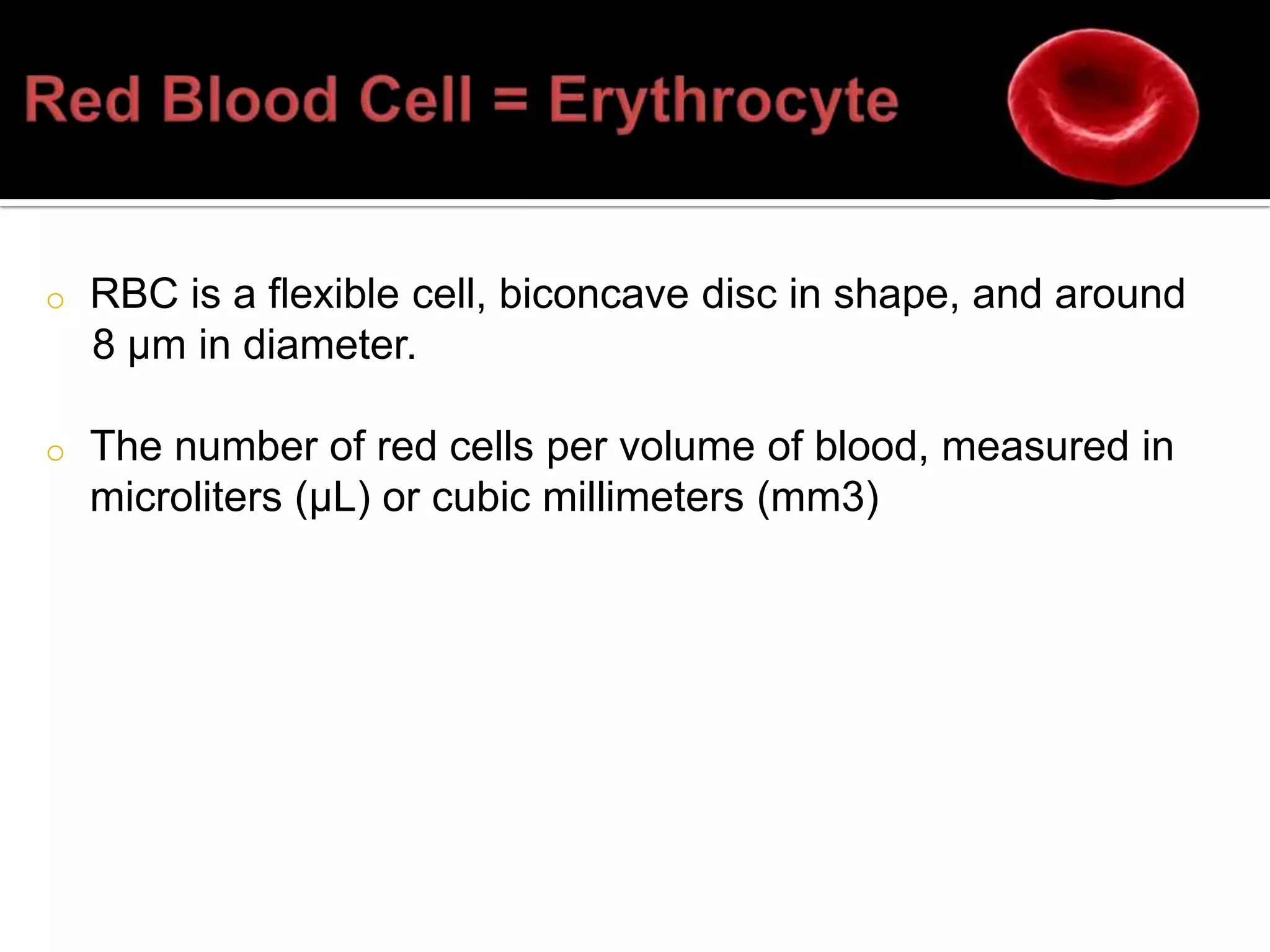
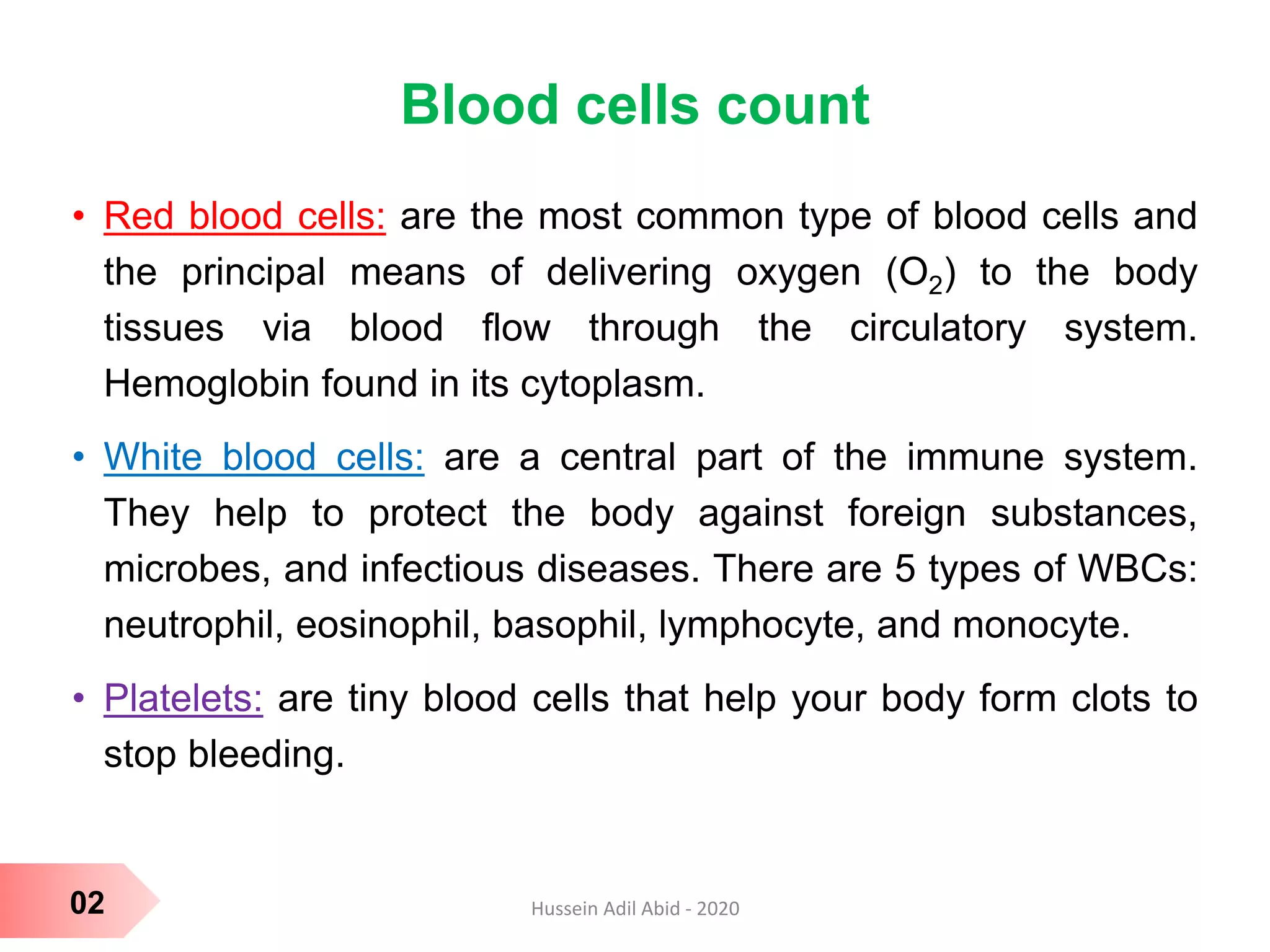
Red blood cells (RBCs), or erythrocytes, contain hemoglobin, an iron-rich protein responsible for transporting oxygen from the lungs to tissues throughout the body and returning carbon dioxide back to the lungs for excretion. When your body does not produce enough red blood cells, or when cells are destroyed faster than they can be replaced, the condition is clinically recognized as erythrocytopenia or anemia.
According to the National Heart, Lung, and Blood Institute, normal RBC ranges generally fall between 4.35 and 5.65 trillion cells per liter for adult men and 3.92 to 5.13 trillion cells per liter for adult women, though exact reference values vary slightly across diagnostic laboratories.
Red Blood Cell Production Cycle:
- Kidneys Detect Low O2: Release Erythropoietin (EPO) Hormone
- Bone Marrow: Needs Iron, B12, Folate, & Protein Building
- Mature Red Blood Cells: Transport Oxygen (Lifespan: 120 Days)
Key Symptoms of Low RBC Count
When red blood cell levels drop, tissue oxygenation decreases, leading to systemic symptoms:
- Persistent, unexplained fatigue and generalized physical weakness
- Shortness of breath (dyspnea) during routine activities
- Pale or yellowish skin (pallor) and pale inner eyelids
- Cold hands and feet due to altered peripheral circulation
- Dizziness, lightheadedness, or headache
- Irregular heartbeats (palpitations) or rapid pulse as the heart works harder to supply oxygen
Diagnostic Criteria
Diagnosing low red blood cells requires a Complete Blood Count (CBC) test. Physicians evaluate three primary metrics on the CBC panel:
- Red Blood Cell Count (RBC): The total number of erythrocytes per microliter of blood.
- Hemoglobin (Hb): The total concentration of oxygen-carrying protein (measured in grams per deciliter, g/dL).
- Hematocrit (Hct): The percentage of total blood volume composed of red blood cells.
Causes of Low Red Blood Cell Count
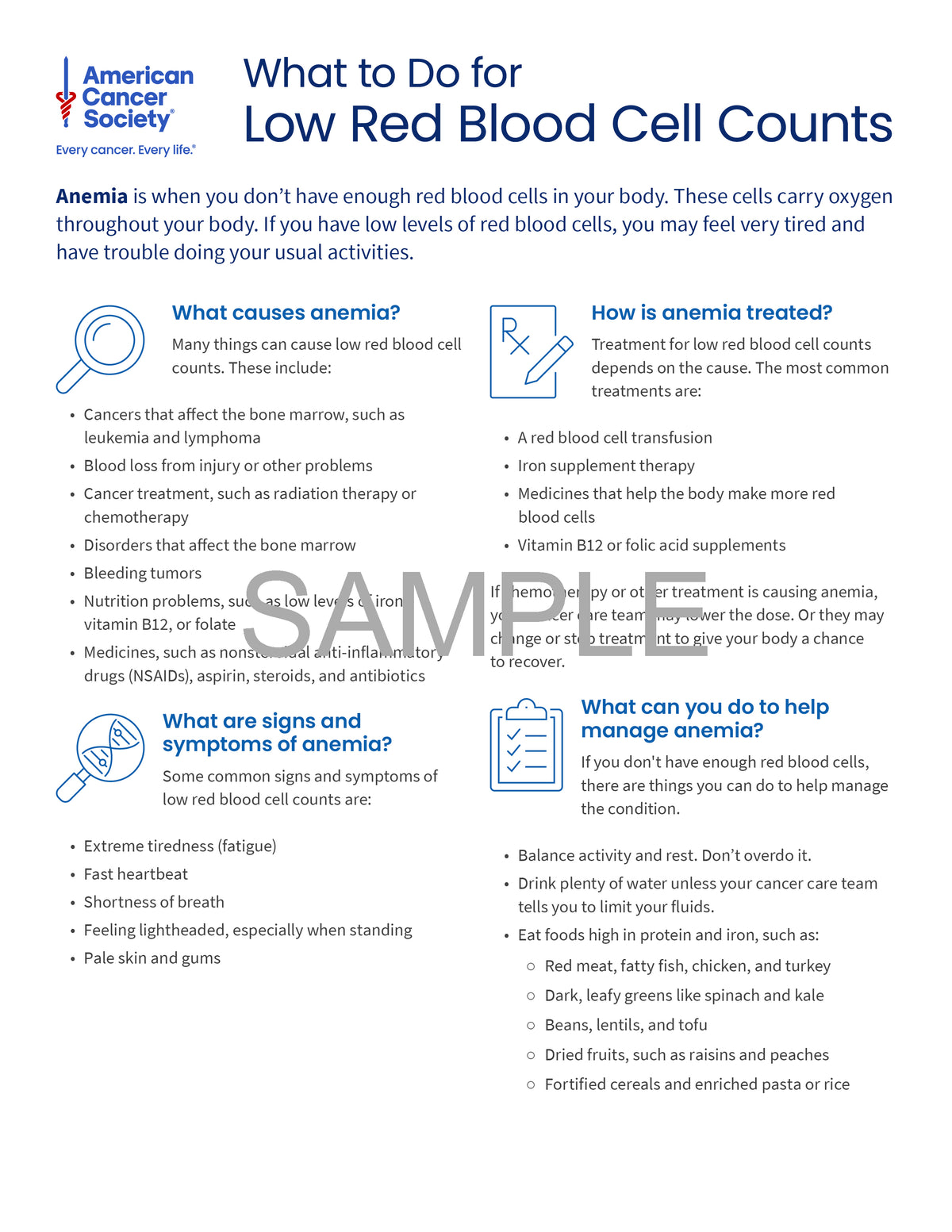
Effective treatment depends entirely on identifying why red blood cell levels are low. Causes generally fall into three distinct clinical categories: reduced cell production, increased cell destruction (hemolysis), or direct blood loss.
Causes of Low RBC Count:
- Decreased Production
- Iron / B12 / B9 Deficiency
- Chronic Kidney Disease
- Bone Marrow Suppression
- Increased Destruction
- Autoimmune Hemolysis
- Sickle Cell Anemia
- Splenomegaly
- Blood Loss
- Acute Trauma / Surgery
- Gastrointestinal Bleeding
- Heavy Menstruation
1. Nutritional Deficiencies
The bone marrow relies on specific vitamins and minerals to manufacture healthy erythrocytes. A lack of these raw materials slows down or distorts cell production:
- Iron Deficiency: The most common cause worldwide. Without iron, the body cannot create sufficient hemoglobin.
- Vitamin B12 Deficiency: Necessary for DNA synthesis during erythrocyte maturation. A lack of B12 causes megaloblastic anemia, where cells grow abnormally large but fail to divide properly.
- Folate (Vitamin B9) Deficiency: Similar to B12 deficiency, inadequate folate prevents healthy cell division in the bone marrow.
2. Chronic Diseases and Hormonal Deficits
- Chronic Kidney Disease (CKD): The kidneys produce erythropoietin (EPO), a hormone that signals bone marrow to generate red blood cells. Kidney damage reduces EPO output, directly suppressing cell production.
- Inflammatory and Autoimmune Disorders: Conditions such as rheumatoid arthritis, inflammatory bowel disease (IBD), and lupus trigger chronic inflammation, which interferes with how the body utilizes stored iron.
- Bone Marrow Disorders: Aplastic anemia, leukemia, myelodysplastic syndromes, and damage from chemotherapy or radiation impair the bone marrow's stem cells.
3. Blood Loss and Hemolysis
- Acute or Chronic Blood Loss: Heavy menstrual bleeding, gastrointestinal ulcers, colon polyps, or frequent blood donation deplete RBC reserves faster than the body can replenish them.
- Hemolytic Anemia: Conditions where red blood cells are prematurely destroyed in the bloodstream or spleen, caused by autoimmune activity, inherited blood disorders (such as sickle cell disease or thalassemia), or infections.
Dietary Solutions: Foods That Boost Red Blood Cell Count
Dietary interventions are effective for mild to moderate anemia caused by nutritional gaps. A balanced nutritional strategy focuses on consuming key building blocks and optimizing their bio-absorption.
Optimizing Iron & Mineral Absorption:
- ENHANCERS
- Vitamin C (Citrus, Peppers)
- Heme + Non-Heme Combinations
- Fermented Foods
- INHIBITORS
- Tannins (Tea, Coffee)
- Calcium (Milk, Antacids)
- Phytates (Whole Grains, Beans)
1. Iron-Rich Foods
Iron comes in two dietary forms: heme iron (found in animal products, highly bioavailable) and non-heme iron (found in plant sources, less readily absorbed).
- Heme Iron Sources: Red meat (beef, lamb), organ meats (liver, kidney), poultry, dark-meat chicken, tuna, sardines, and oysters. Heme iron is absorbed at an estimated rate of 15% to 35%.
- Non-Heme Iron Sources: Lentils, chickpeas, black beans, spinach, kale, pumpkin seeds, tofu, fortified breakfast cereals, and molasses. Non-heme iron absorption ranges from 2% to 20%.
2. Vitamin B12 and Folate Sources
- Vitamin B12: Found naturally in animal foods including clams, trout, beef liver, eggs, milk, cheese, and fortified plant milks or nutritional yeast.
- Folate (Vitamin B9): Abundant in dark leafy greens (spinach, mustard greens), asparagus, Brussels sprouts, black-eyed peas, avocados, and fortified grains.
3. Supporting Nutrients: Vitamin C, Copper, and Vitamin A
- Vitamin C (Ascorbic Acid): Chemically converts non-heme ferric iron ($Fe^{3+}$) into soluble ferrous iron ($Fe^{2+}$), increasing absorption in the duodenum by up to 300%. Include bell peppers, oranges, strawberries, and broccoli alongside plant-based iron meals.
- Copper: Essential for enabling iron transport across cell membranes and binding iron to transferrin. Good sources include cashews, sesame seeds, dark chocolate, and mushrooms.
- Vitamin A and Beta-Carotene: Help release stored iron from ferritin so it can be used to form hemoglobin. Eat sweet potatoes, carrots, winter squash, and dark leafy greens.
Nutritional Blueprint for RBC Production
The following table summarizes the essential nutrients required for red blood cell synthesis, their biological functions, daily dietary targets, top food sources, and absorption tips.
| Nutrient | Primary Biological Function | Recommended Daily Allowance (Adults) | Top Food Sources | Absorption Enhancement Strategy |
|---|---|---|---|---|
| Iron (Heme) | Direct constituent of the heme ring in hemoglobin | Men: 8 mgWomen (19-50): 18 mg | Beef liver, red meat, sardines, oysters, dark turkey | Consume with non-heme sources to improve overall iron uptake. |
| Iron (Non-Heme) | Raw material for hemoglobin synthesis in plant foods | Men: 8 mgWomen (19-50): 18 mg | Lentils, spinach, pumpkin seeds, tofu, kidney beans | Pair with Vitamin C-rich foods; avoid tea/coffee within 1 hour of meals. |
| Vitamin B12 | DNA synthesis and normal erythrocyte maturation | 2.4 mcg | Clams, salmon, beef liver, eggs, nutritional yeast | Requires intrinsic factor produced in the stomach for absorption. |
| Folate (B9) | Nucleic acid synthesis and cell division in bone marrow | 400 mcg DFE | Asparagus, spinach, lentils, black-eyed peas, avocado | Avoid overcooking leafy vegetables to prevent heat degradation of folate. |
| Vitamin C | Converts non-heme iron to its readily absorbed ferrous form | Men: 90 mgWomen: 75 mg | Citrus fruits, red bell peppers, broccoli, kiwi, strawberries | Consume raw or lightly steamed alongside plant-based iron meals. |
| Copper | Enables intestinal iron absorption and transferrin binding | 900 mcg | Cashews, dark chocolate (>70%), sunflower seeds, organ meats | Maintain balance; excessive zinc supplementation can block copper absorption. |
Medical Treatments for Low Red Blood Cell Count
When low RBC counts stem from underlying disease, severe nutritional depletion, or acute blood loss, dietary changes alone are insufficient. Medical interventions target the underlying cause and rapidly restore oxygen-carrying capacity.
1. Oral Iron and Vitamin Supplementation
- High-Dose Oral Iron: Formulations such as ferrous sulfate, ferrous gluconate, or ferrous fumarate provide elemental iron far above routine dietary levels. Side effects often include dark stools, constipation, nausea, or abdominal cramping. Taking iron with meals or switching to alternate-day dosing can improve tolerability.
- Therapeutic B12 Therapy: Individuals with pernicious anemia (an autoimmune condition destroying intrinsic factor) or severe malabsorption cannot absorb oral B12 effectively. They require intramuscular cyanocobalamin or hydroxocobalamin injections or high-dose oral supplementation (1,000–2,000 mcg daily).
- Folic Acid Supplementation: Synthetic folic acid is prescribed for confirmed deficiency or during conditions of increased cell turnover (e.g., pregnancy or hemolytic disorders).
2. Intravenous (IV) Iron Therapy
Intravenous iron infusions (such as ferric carboxymaltose, iron sucrose, or low-molecular-weight iron dextran) deliver iron directly into the bloodstream. IV iron is indicated when:
- Oral iron fails to raise hemoglobin levels.
- Severe gastrointestinal side effects prevent adherence to oral supplements.
- Conditions like inflammatory bowel disease (Crohn's or ulcerative colitis), chronic kidney disease, or gastric bypass surgery severely impair intestinal absorption.
- Rapid repletion is required prior to surgery or in severe late-stage pregnancy.
Clinical Pathway for Anemia:
- Mild to Moderate Anemia
- Check CBC, Ferritin, B12
- Nutritional Deficiency
- Oral Supplements
- Dietary adjustments
- Chronic Disease
- Treat underlying cause
- Consider ESAs (CKD)
- Severe Anemia
- Hemoglobin < 7-8 g/dL or symptomatic
- Immediate Medical Care
- Transfusion / IV Iron
- Urgent Diagnostic Workup
3. Erythropoiesis-Stimulating Agents (ESAs)
ESAs are recombinant forms of the human hormone erythropoietin (such as epoetin alfa or darbepoetin alfa). These prescription medications stimulate the bone marrow to produce red blood cells. ESAs are used primarily in:
- Patients with chronic kidney disease (CKD) who produce inadequate natural EPO.
- Cancer patients experiencing anemia secondary to myelosuppressive chemotherapy.
- Select patients undergoing major orthopedic surgery to reduce blood transfusion needs.
Note: ESA therapy requires careful monitoring of blood pressure and hemoglobin levels to prevent excessive RBC elevation, which increases thrombosis and cardiovascular risk.
4. Blood Transfusions
In acute, severe, or life-threatening situations—such as active hemorrhaging, acute trauma, or critical anemia with hemoglobin dropping below 7 to 8 g/dL—doctors perform a Packed Red Blood Cell (PRBC) transfusion. This immediately restores blood volume and tissue oxygenation.
Lifestyle Modifications and Dietary Habits to Avoid
Managing low red blood cell count requires removing dietary factors that hinder nutrient absorption while maintaining supportive lifestyle practices.
1. Avoid Iron Absorption Blockers During Meals
Certain compounds form insoluble complexes with iron, preventing it from crossing the intestinal wall:
- Tannins and Polyphenols: Present in black tea, green tea, coffee, and red wine. Drinking tea with a meal can reduce non-heme iron absorption by up to 60–70%. Consume these beverages at least 1 to 2 hours before or after meals.
- Calcium and Dairy: Calcium competes directly with iron for mucosal uptake. Avoid taking calcium supplements or consuming large amounts of milk, cheese, or yogurt alongside iron-heavy meals.
- Phytates (Phytic Acid): Found in unrefined whole grains, legumes, and nuts. Soaking, sprouting, or fermenting beans and grains breaks down phytates, increasing mineral bioavailability.
- Antacids and Proton Pump Inhibitors (PPIs): Gastric acid is necessary to solubilize iron and cleave B12 from dietary protein. Chronic use of acid-reducing medications can contribute to nutritional anemia over time.
2. Modulate Alcohol Intake
Excessive alcohol consumption exerts a direct toxic effect on the bone marrow, suppressing precursor cells and shortening the lifespan of circulating red blood cells. Chronic alcohol use also interferes with folate metabolism and liver iron storage. Limiting alcohol intake helps normalize bone marrow function.
3. Exercise and Altitude Training
Moderate aerobic exercise (such as brisk walking, swimming, or cycling) increases tissue oxygen demand, which naturally signals the body to maintain robust erythropoietin signaling. However, individuals with severe anemia should consult their doctor before exercising, as low hemoglobin places extra strain on the heart during physical exertion.
When to See a Doctor and Diagnostic Evaluation
A low red blood cell count is a sign of an underlying health issue, not an independent disease. Self-treating suspected anemia with high-dose iron without a medical diagnosis can be dangerous; excess iron accumulates in organs like the liver and heart, leading to iron overload (hemochromatosis).
Diagnostic Workup to Expect
If your doctor suspects low red blood cells, they will order targeted diagnostic tests:
Standard Diagnostic Tests:
Complete Blood Count
- RBC Count & Hemoglobin
- Hematocrit
- MCV (Cell Size)
Iron Status Panel
- Serum Ferritin (Stores)
- Serum Iron & TIBC
- Transferrin Saturation
Specialized Markers
- Reticulocyte Count (New RBCs)
- Serum B12 & Methylmalonic Acid
- Peripheral Blood Smear
Serum Ferritin: Measures total iron stores in the body. Ferritin is the most reliable marker for detecting iron deficiency anemia.
Total Iron-Binding Capacity (TIBC) and Transferrin Saturation: Assess how efficiently iron is transported through the bloodstream.
Reticulocyte Count: Measures newly released, immature red blood cells. A low count indicates reduced bone marrow output; a high count indicates the marrow is producing cells rapidly (e.g., in response to blood loss or cell destruction).
Peripheral Blood Smear: A microscopic evaluation of cell shape and size, distinguishing microcytic (small cells, typical of iron deficiency), normocytic (normal size, often chronic disease), and macrocytic (large cells, typical of B12/folate deficiency) anemias.
Frequently Asked Questions
How long does it take to increase a low red blood cell count?
Initial improvements in energy levels may occur within 1 to 2 weeks after starting appropriate treatment (such as oral iron or B12 therapy). However, reticulocyte counts typically peak at 7 to 10 days, and hemoglobin levels generally require 4 to 8 weeks of continuous therapy to normalize. To fully replenish body iron stores, oral supplementation often needs to continue for 3 to 6 months after blood counts normalize.
Can drinking more water increase red blood cell count?
Drinking water does not stimulate red blood cell production. However, severe dehydration causes hemoconcentration, where reduced fluid volume falsely elevates the concentration of RBCs on blood tests. Staying hydrated ensures accurate blood test results and supports healthy blood circulation, but true erythrocytopenia must be corrected through nutritional or medical interventions.
What foods boost red blood cells the fastest?
Organ meats (such as beef liver), red meat, clams, and fortified cereals elevate iron and B12 levels most efficiently because they contain highly bioavailable heme iron and concentrated vitamins. Combining non-heme sources like lentils or spinach with rich sources of Vitamin C (such as citrus or bell peppers) significantly speeds up non-heme iron absorption.
Is a low red blood cell count always classified as anemia?
Yes. Clinically, a red blood cell count, hemoglobin concentration, or hematocrit level below the established reference range for an individual's age and sex is defined as anemia. Anemia can vary in severity from mild and asymptomatic to severe and life-threatening.
Can taking too much iron to fix low RBCs be dangerous?
Yes. The human body has no active mechanism to excrete excess iron. Taking high-dose iron supplements without a confirmed iron deficiency can lead to iron toxicity, causing tissue damage to the liver, heart, and pancreas. Always confirm iron levels with a serum ferritin test before initiating high-dose iron supplementation.
Recommended Next Steps
- Schedule Blood Work: Request a Complete Blood Count (CBC), serum ferritin, serum iron, total iron-binding capacity, vitamin B12, and folate panel from your primary care physician.
- Identify the Root Cause: Work with your doctor to determine why levels are low (e.g., poor intake, GI bleeding, heavy menstruation, malabsorption, or chronic kidney issues).
- Implement a Targeted Plan:
- If deficient in iron, combine non-heme plant iron with Vitamin C and separate tea/coffee/dairy consumption from meals by 2 hours.
- If prescribed oral iron supplements, take them as directed and discuss alternate-day dosing if gastrointestinal side effects occur.
- If malabsorption or chronic disease is diagnosed, discuss advanced therapies such as IV iron or erythropoietin-stimulating agents with your specialist.
- Monitor Progress: Schedule follow-up lab testing in 4 to 8 weeks to confirm that red blood cell levels and hemoglobin are responding to treatment.
Image Gallery