Are Juul Pods Banned? Current Legal Status, FDA Regulations, and Availability
Juul pods are not universally banned in the United States, but their sale is subject to strict regulatory limitations. Juul products in Virginia Tobacco and Menthol flavors remain available for adult purchase while their Premarket Toba...
Juul pods are not universally banned in the United States, but their sale is subject to strict regulatory limitations. Juul products in Virginia Tobacco and Menthol flavors remain available for adult purchase while their Premarket Tobacco Product Applications (PMTAs) undergo substantive scientific review by the U.S. Food and Drug Administration (FDA). However, all fruit, sweet, and mint pod flavors remain illegal to market or sell under federal enforcement policies.
Contents
The Regulatory Evolution: Are Juul Pods Currently Banned?
The legal status of Juul e-cigarettes has undergone complex administrative and regulatory shifts. Questions regarding whether Juul pods are banned stem primarily from a high-profile June 2022 FDA Marketing Denial Order (MDO), which ordered Juul Labs Inc. to remove all its products from the U.S. market. That order covered the Juul device alongside its remaining 3.0% and 5.0% nicotine concentration pods in Virginia Tobacco and Menthol flavors.
However, that market removal was never fully realized. Immediately following the June 2022 MDO, Juul Labs sought an emergency stay in federal court. In July 2022, the FDA administratively stayed its own denial order to conduct an additional review of the scientific evidence and complex legal issues regarding chemical leaching and toxicological profiles.
The regulatory posture changed significantly in June 2024, when the FDA formally rescinded the June 2022 Marketing Denial Orders. By rescinding the MDOs, the agency placed Juul’s applications back into "pending review" status. This administrative step did not grant official marketing authorization (Premarket Tobacco Application approval), but it returned Juul products to enforcement discretion status. This allows Juul Virginia Tobacco and Menthol pods to remain legally on store shelves across the U.S. while the agency completes its scientific review.
JUUL REGULATORY STATUS SUMMARY
| Product Category | Regulatory Status |
|---|---|
| Virginia Tobacco & Menthol Pods (3% and 5%) | Pending PMTA Review (Allowed) |
| Fruit, Sweet, & Mint Pods (Cartridge-Based) | Banned Nationwide |
| Juul Hardware / Charging Devices | Pending PMTA Review (Allowed) |
Timeline of JUUL Regulatory Actions and Court Rulings
Understanding the current legal landscape requires reviewing the key regulatory milestones that shaped how closed-pod Electronic Nicotine Delivery Systems (ENDS) are governed.
- 2019: Voluntary Withdrawal of Flavors & Local Sales Bans
- Juul pulls fruit/sweet pods from retail stores; San Francisco passes citywide sales ban.
- 2020: FDA Final Enforcement Policy on Cartridge Flavors
- FDA prioritizes enforcement against non-tobacco, non-menthol cartridge e-cigarettes.
- 2022 (June): FDA Issues Marketing Denial Orders (MDOs)
- FDA orders all Juul devices and pods off the market over toxicological data gaps.
- 2022 (July): Administrative Stay Granted
- FDA stays the MDO to perform additional scientific evaluation; product remains on shelves.
- 2024 (June): FDA Rescinds 2022 Marketing Denial Orders
- Juul PMTAs return to pending review status under ongoing FDA enforcement discretion.
2019: Voluntary Flavor Withdrawals and Local Restrictions
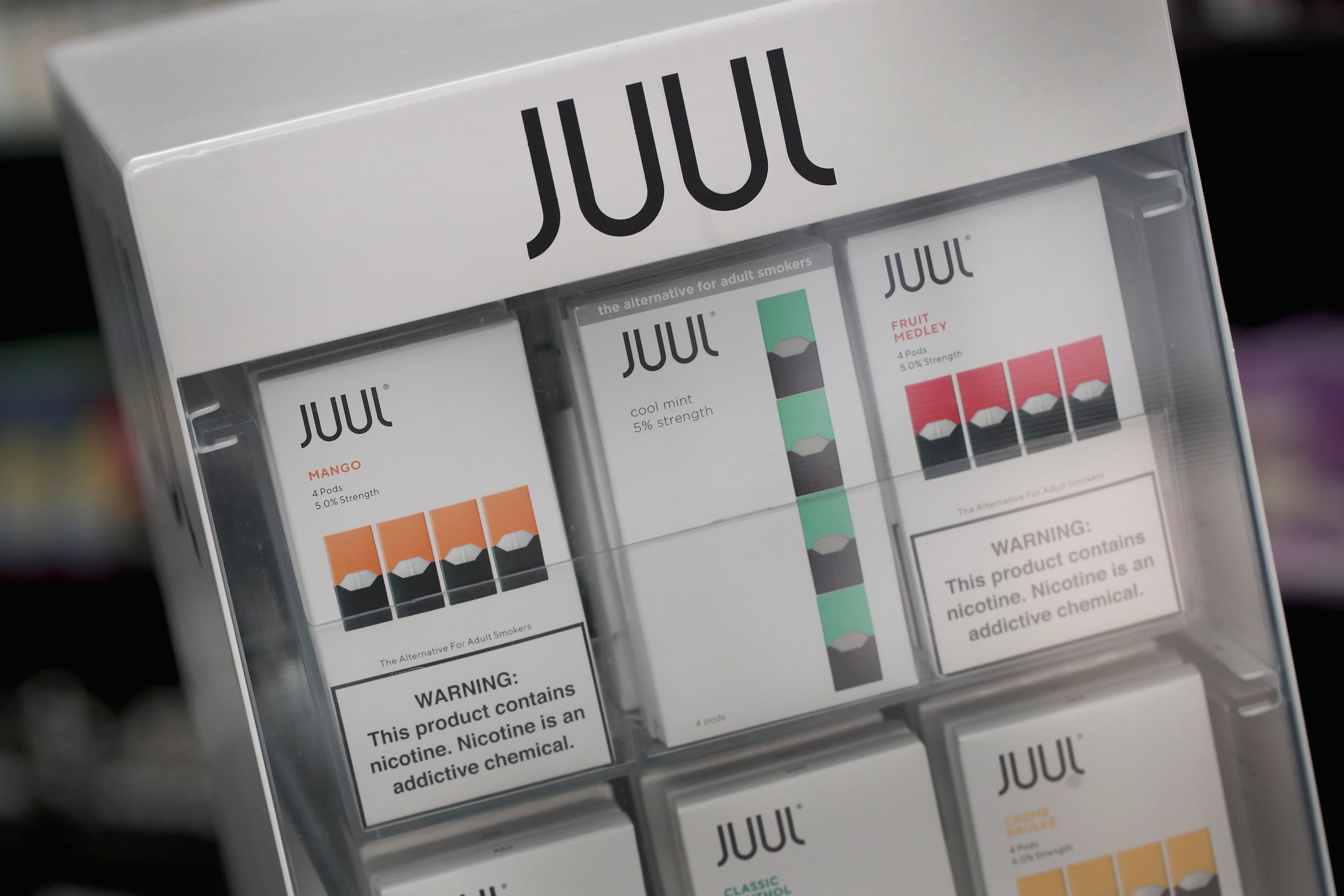
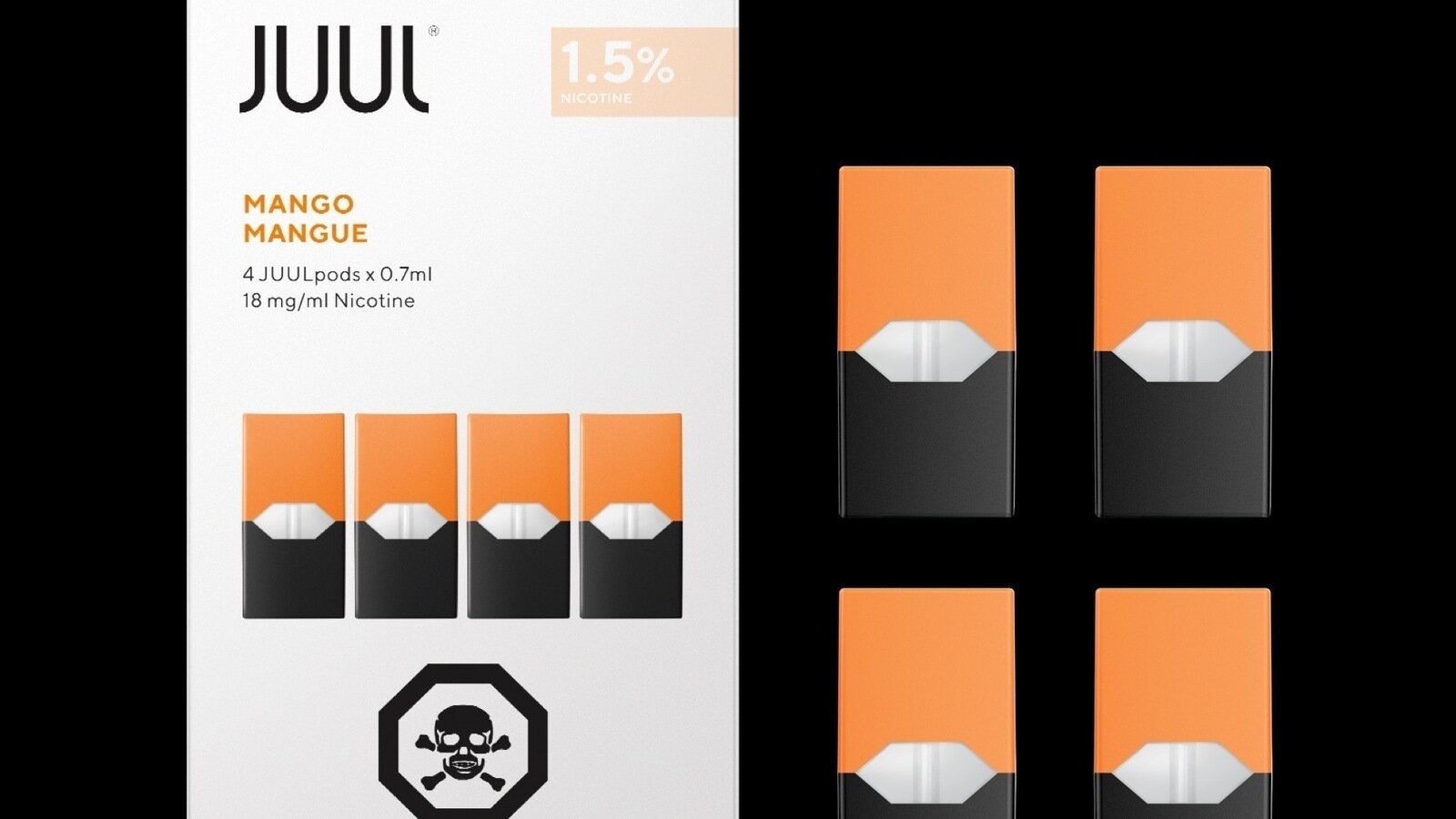
Rising public health scrutiny over youth vaping led Juul Labs to voluntarily suspend retail sales of its sweet and fruity flavors (including Mango, Fruit Medley, Cucumber, and Creme Brulee) in late 2018 and late 2019. During this same period, municipal jurisdictions began passing independent restrictions; San Francisco became the first major U.S. city to enact a complete ban on the sale of non-FDA-authorized e-cigarettes.
January 2020: Federal Flavor Enforcement Guidance
The FDA published final enforcement guidance targeting cartridge-based ENDS products. Under the FDA flavored e-cigarette enforcement policy, manufacturers were required to cease the manufacture, distribution, and sale of all pod-based flavors other than tobacco and menthol unless explicitly authorized by the agency. This policy permanently removed popular retail offerings like Juul Mint from the domestic market.
June 2022: The Marketing Denial Order (MDO)
The FDA issued an MDO ordering Juul Labs to halt the distribution and sale of its device and four pod variants (Virginia Tobacco 5.0%, Virginia Tobacco 3.0%, Menthol 5.0%, and Menthol 3.0%). The agency cited insufficient toxicological data, highlighting concerns regarding potential genotoxicity and chemical leaching from the company's proprietary liquid pods.
July 2022 – June 2024: Administrative Stay and Formal Rescission
Juul challenged the MDO in the U.S. Court of Appeals for the D.C. Circuit. Before court rulings were finalized, the FDA stayed the MDO in July 2022 to reassess the scientific filings. In June 2024, the FDA officially rescinded the MDOs for Juul Labs Inc. The rescission re-established pending status for Juul’s PMTAs, permitting continued commercial sales while a comprehensive scientific review proceeds.
Why Regulators Targeted JUUL Pods
JUUL became the central focal point of e-cigarette regulation due to a combination of market dominance, product design innovations, and youth adoption rates.
- KEY REGULATORY CONCERNS FOR JUUL
- Youth Vaping Surge (CDC)
- Nicotine Salt Formulation
- Toxicology & Data Gaps (FDA)
Youth Adoption Rates and Public Health Data
Between 2017 and 2019, national surveys published by the CDC on youth e-cigarette use documented a rapid surge in secondary school e-cigarette adoption. JUUL’s high market share during this period led public health agencies to associate the brand with youth nicotine initiation. The device’s compact, USB-like design made it easy to conceal in educational environments, prompting widespread regulatory intervention.
Nicotine Salt Formulation Technology
JUUL introduced a patented nicotine salt formulation using benzoic acid. Unlike freebase nicotine traditionally used in older e-cigarettes, nicotine salts lower the liquid’s pH level, reducing throat irritation at higher nicotine concentrations. This allowed JUUL pods to deliver 5% nicotine by weight (approximately 59 mg/mL) with a smoother inhalation profile, increasing concerns among regulators regarding nicotine addiction potentials.
Marketing Investigations and Legal Settlements
State attorneys general, the Federal Trade Commission (FTC), and congressional committees launched investigations into JUUL’s early promotional strategies, social media campaigns, and influencer partnerships. These inquiries concluded that early marketing efforts inappropriately targeted younger audiences. Juul Labs subsequently settled claims with dozens of states and territories, agreeing to pay over $1 billion in cumulative legal settlements while adopting stringent commercial operating restrictions.
Toxicological Concerns Cited by the FDA
When the FDA issued its short-lived 2022 MDO, it cited concerns over the toxicological profile of JUUL's proprietary e-liquids. Specifically, reviewers noted concerns regarding potentially harmful chemicals leaching from the plastic pod assembly into the liquid, as well as incomplete data regarding genotoxicity. Addressing these scientific criteria remains the focal point of the FDA’s ongoing PMTA evaluation.
Current Market Availability: Which Juul Pods Can You Buy?
Federal enforcement rules differentiate strictly based on flavor categories and regulatory review milestones. The following table provides a detailed breakdown of JUUL pod legal status, availability, and regional variations.
| Product / Pod Flavor | U.S. Federal Status | Nicotine Strengths Allowed | Legal Basis / Regulatory Vehicle |
|---|---|---|---|
| Virginia Tobacco | Commercialized (Pending PMTA) | 3.0%, 5.0% | Operating under FDA enforcement discretion post-MDO rescission |
| Menthol | Commercialized (Pending PMTA) | 3.0%, 5.0% | Operating under FDA enforcement discretion post-MDO rescission |
| Mint | Banned / Removed | None | Prohibited under 2020 FDA Cartridge Enforcement Policy |
| Mango | Banned / Removed | None | Prohibited under 2020 FDA Cartridge Enforcement Policy |
| Fruit Medley | Banned / Removed | None | Prohibited under 2020 FDA Cartridge Enforcement Policy |
| Creme Brulee | Banned / Removed | None | Prohibited under 2020 FDA Cartridge Enforcement Policy |
| Juul2 (Next-Gen) | International Only (UK/EU) | Max 1.8% (18 mg/mL in TPD regions) | Not authorized for commercial sale in the U.S. |
Global and Regional Variations in Juul Restrictions
The regulatory environment for Juul pods varies across international borders and state jurisdictions.
- GLOBAL REGULATORY FRAMEWORKS FOR JUUL
- UNITED STATES (FDA PMTA)
- Tobacco/Menthol only
- EUROPEAN UNION / UNITED KINGDOM
- Nicotine capped at 20 mg/mL (2%)
- AUSTRALIA & PRESCRIPTION
- Prescription-only medical import
- UNITED STATES (FDA PMTA)
European Union and United Kingdom Standards
Under the European Union’s Tobacco Products Directive (TPD) and UK regulations:
- Nicotine concentrations in e-liquids are legally capped at 20 mg/mL (2.0%).
- Juul cannot market its U.S. standard 5.0% (59 mg/mL) or 3.0% pods in these markets.
- Juul introduced specific lower-nicotine pods (1.8% and 0.9%) and launched Juul2 in the UK, featuring smart-chip pod authentication to combat counterfeiting.
State and Local Restrictions in the United States
Federal policy sets a baseline, but individual U.S. states and municipalities enforce stricter controls:
- Statewide Flavor Bans: States like Massachusetts, California, New York, and New Jersey enacted bans on all flavored e-cigarettes. In states with complete flavor bans (such as California and Massachusetts), even JUUL Menthol pods are restricted from retail sale.
- Local Sales Restrictions: Municipalities across various states enforce localized sales bans that restrict all ENDS sales regardless of PMTA status.
Prescription Models and Complete International Bans
- Australia: Nicotine-containing e-cigarettes, including Juul pods, are regulated as prescription-only medicines. Adults must secure a medical prescription to access authorized products via pharmacies.
- Complete Bans: Nations including India, Brazil, Singapore, and Thailand maintain outright prohibitions on the import, sale, and distribution of all electronic vaporizing devices.
Legal Compliance and Retail Enforcement
Retailers distributing Juul pods face strict compliance frameworks enforced by federal, state, and local agencies.
- RETAIL COMPLIANCE MANDATES
- Federal Tobacco 21 Compliance (Mandatory Photo ID under age 30)
- Automated Point-of-Sale (POS) Age Verification Systems
- Strict Bulk Purchase Limits (Prevents Unauthorized Resale)
- Prohibition of Online Sales to Minors (Third-Party ID Check)
Federal Tobacco 21 Enforcement
Under federal law amending the Food, Drug, and Cosmetic Act, the legal minimum age to purchase any tobacco or vaping product in the U.S. is 21. Retailers must verify photo identification for any customer under the age of 30. The FDA regularly conducts compliance checks, issuing Warning Letters and Civil Money Penalties (CMPs) to retail outlets selling products to minors.
Point-of-Sale Access Controls
As part of legal settlements with state attorneys general, Juul Labs established automated point-of-sale age verification systems for brick-and-mortar retailers. These systems automatically lock retail registers until a valid driver's license or government ID is scanned. Limits are also placed on bulk transactions to prevent informal secondary distribution.
Risks of Illegal Grey-Market and Counterfeit Pods
Because non-tobacco flavors like Mango and Mint remain banned in the U.S., a large illicit grey market exists for counterfeit or imported pods. Retailers selling unauthorized imported Juul pods face product seizures, heavy administrative fines, and potential federal injunctions. Consumers purchasing illicit pods risk exposure to unregulated e-liquids that lack formal quality control and testing for heavy metals, microcontaminants, or illegal additives like vitamin E acetate.
Frequently Asked Questions
Why did the FDA reverse its initial ban on Juul pods?
The FDA did not explicitly issue an approval, but rather rescinded its June 2022 Marketing Denial Orders (MDOs) in June 2024. The agency stated that the rescission was warranted to reassess scientific content and align with legal precedents established during administrative stays. This decision returned Juul’s PMTAs to active review status.
Are Juul Mango and Mint pods legally available in the U.S.?
No. All non-tobacco and non-menthol pod flavors remain prohibited under federal enforcement policies for cartridge-based e-cigarettes. Any seller offering Mango, Mint, Fruit Medley, or Creme Brulee Juul pods within the U.S. is operating outside federal law.
Can consumers legally import Juul pods from foreign countries?
No. Importing unauthorized tobacco products or pod flavors that violate federal enforcement policies is illegal under U.S. customs and tobacco regulations. Federal agencies can seize unauthorized vapor products imported via international mail or commercial couriers.
How do Juul pod regulations differ from disposable vapes?
Cartridge-based systems like Juul were targeted under the FDA’s 2020 flavor enforcement policy. Disposable e-cigarettes initially exploited regulatory language that specified "cartridge-based" devices. However, the FDA has since issued thousands of MDOs and Warning Letters to manufacturers and distributors of unauthorized flavored disposable vapes.
Is it illegal for an adult consumer to possess Juul pods?
No. Federal regulations focus on the manufacture, import, distribution, and commercial retail sale of tobacco products. It is not a federal crime for an adult consumer (aged 21 and older) to possess or use legally purchased Juul products in jurisdictions where they remain available.
Actions for Consumers and Retailers
Practical Steps for Consumers
- Verify Authentic Packaging: Only purchase Juul products from authorized retailers to avoid counterfeit products. Authentic U.S. packaging features required nicotine warning labels, standard lot numbers, and authorized flavor descriptions (Virginia Tobacco and Menthol).
- Check State and Local Laws: Review local statutes before purchasing or traveling with menthol products, as state-level flavor bans in jurisdictions like California supersede federal availability rules.
- Avoid Unofficial Online Sellers: Do not purchase banned flavors (e.g., Mango or Mint) from online sources claiming to ship imported stock into the U.S. These items are unauthorized and present safety risks due to potential counterfeiting.
Practical Steps for Retail Operations
- Maintain POS Age-Verification Technology: Ensure electronic point-of-sale systems require valid ID scans for all tobacco transactions to comply with Federal Tobacco 21 enforcement.
- Audit Inventory Regularly: Remove non-compliant third-party cartridges, grey-market imports, or unauthorized disposable vapes from store displays to avoid FDA Civil Money Penalties.
- Monitor FDA PMTA Determinations: Stay informed on official FDA announcements regarding final PMTA approvals or denial orders affecting closed-pod e-cigarettes.
Image Gallery