Understanding the 3 Types of Workers' Compensation Coverage Options
Navigating business insurance requires a clear understanding of the 3 types of workers' compensation coverage options available to employers: traditional commercial insurance policies, state-funded monopolistic funds, and self-insuranc...
Navigating business insurance requires a clear understanding of the 3 types of workers' compensation coverage options available to employers: traditional commercial insurance policies, state-funded monopolistic funds, and self-insurance arrangements. Selecting the correct coverage structure dictates how a company manages workplace injury risks, pays premiums, handles claims, and complies with statutory labor laws in 2026.
Contents
Workers' compensation is a vital safety net designed to protect both employees and employers. When an individual suffers a work-related injury or contracts an occupational illness, the system provides a predictable framework for medical care replacement and wage compensation without requiring protracted litigation. However, the mechanism through which a business funds and administers this protection varies significantly depending on jurisdiction, corporate size, and financial stability. Understanding these primary models allows business owners and risk managers to align their protection strategies with operational budgets, safety records, and long-term financial goals.
The Fundamentals of Workers' Compensation Insurance
Workers' compensation is a statutory system regulated primarily at the state level. Unlike general liability insurance, which protects a business against third-party claims of bodily injury or property damage, workers' compensation specifically addresses harm sustained by workers during the course and scope of their employment.
Statutory Obligations and Core Protections
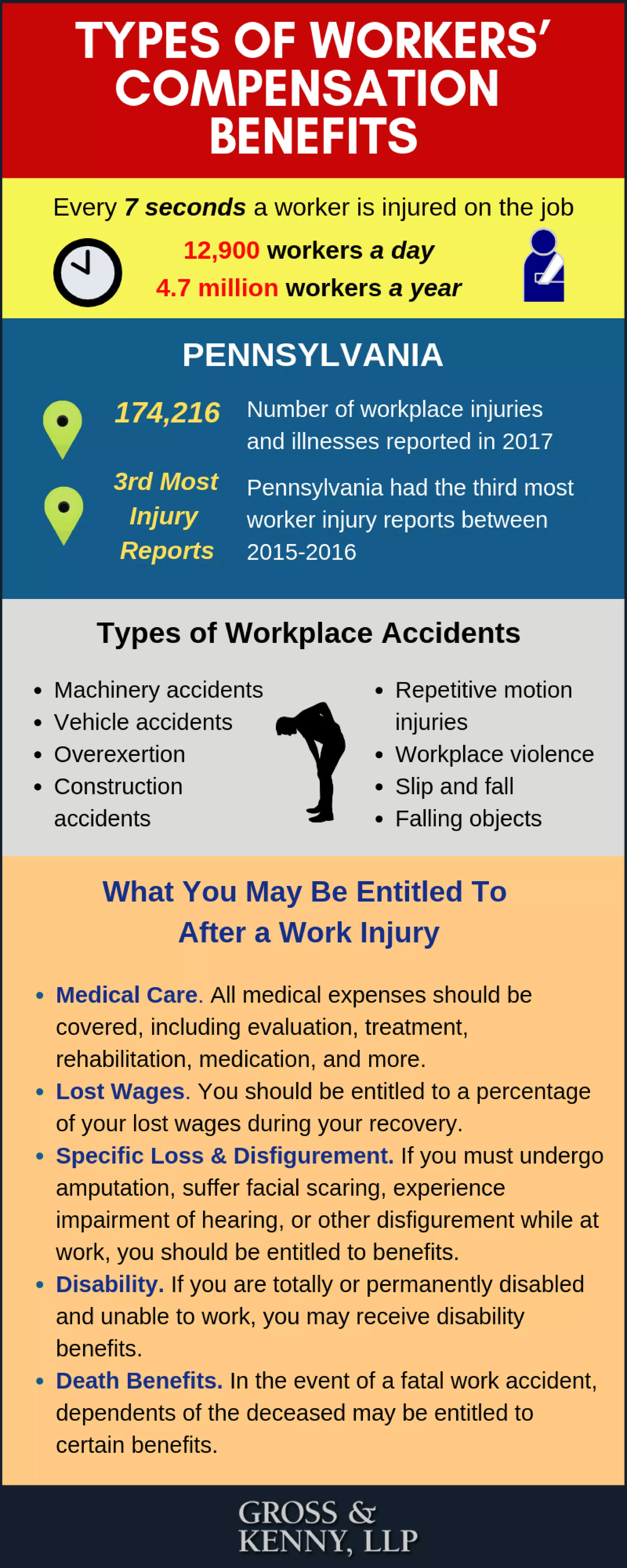
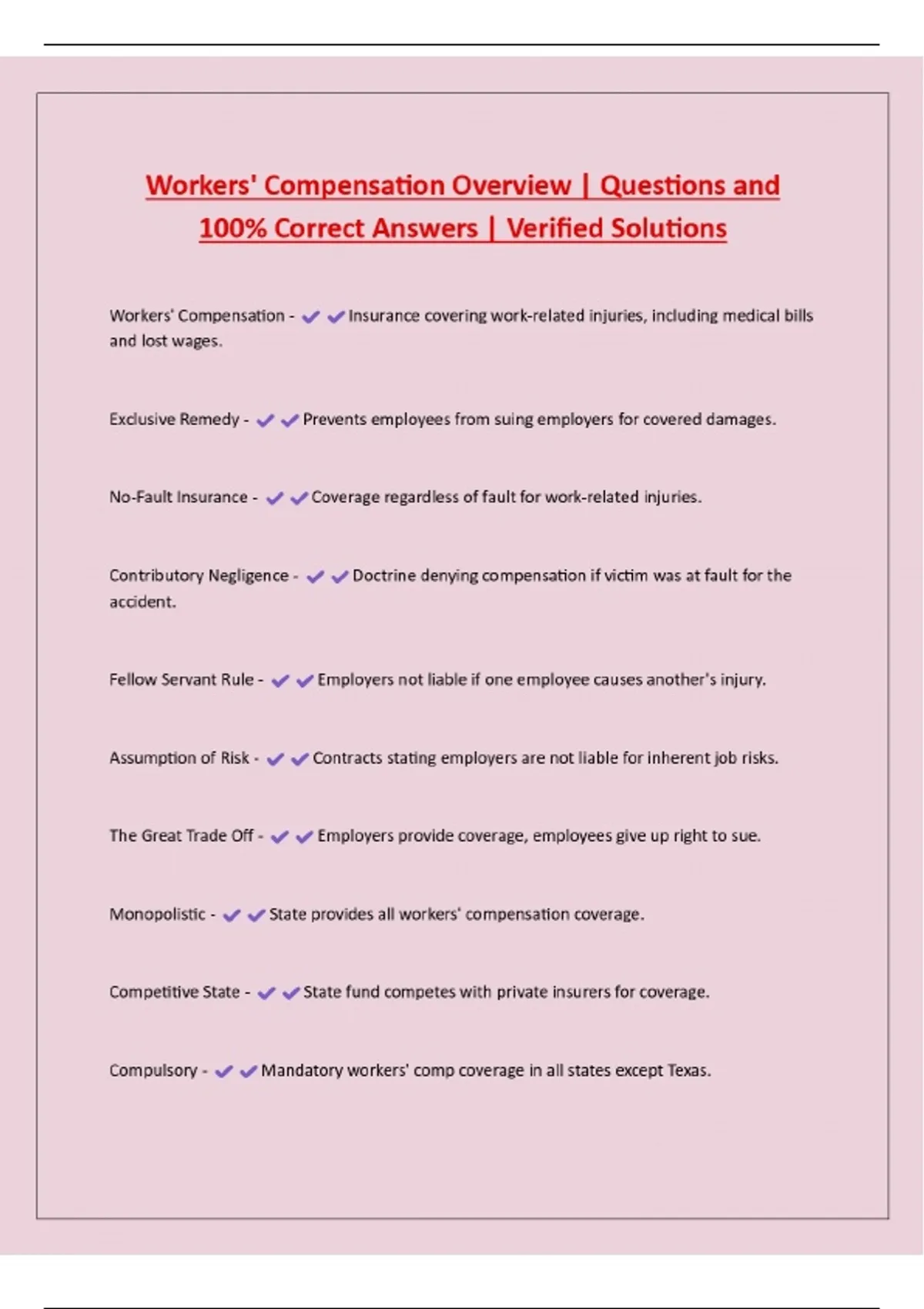
In nearly every jurisdiction, state laws mandate that employers maintain some form of workers' compensation insurance once they cross a specific threshold of employees. This statutory requirement acts as a trade-off, commonly known as the "exclusive remedy" doctrine. Under this principle, injured employees receive guaranteed, no-fault benefits for medical treatments, rehabilitation expenses, and a portion of lost wages. In exchange, employees generally surrender their right to sue the employer for negligence in civil court.
From an administrative standpoint, a standard workers' compensation policy consists of two main parts:
- Part One (Workers' Compensation): Covers statutory benefits due to an injured worker under state law with no monetary limits.
- Part Two (Employers' Liability): Protects the business against common-law lawsuits brought by employees or their families alleging employer negligence that led to an injury or illness not strictly barred by the exclusive remedy rule.
Understanding these foundational layers is essential because the method a company uses to acquire and service these obligations defines its overall financial exposure. The three primary structural options—commercial policies, state funds, and self-insurance—handle the administrative and financial burdens of these statutory duties in distinct ways.
Option 1: Traditional Commercial Workers' Compensation Insurance
Traditional commercial insurance is the most common method businesses use to satisfy statutory labor mandates. Under this model, a private, licensed property and casualty insurance carrier issues an insurance policy to the employer.
How Commercial Policies Function
When a business purchases a commercial workers' compensation policy, it pays a periodic premium calculated primarily using the company's payroll size, industry classification code, and historical loss experience—quantified via an Experience Modification Rate (EMR). If an employee sustains a workplace injury, the private insurer steps in to handle claims adjusting, medical bill processing, vocational rehabilitation, and indemnity payments.
This option offers significant administrative relief for small and mid-sized businesses. Because the insurance carrier maintains dedicated teams of claims adjusters, legal counsel, and risk engineering consultants, the employer is largely insulated from the day-to-day administrative complexities of managing an injury claim.
Advantages and Disadvantages of Commercial Insurance
Choosing a commercial carrier involves weighing specific financial and operational trade-offs:
- Pros:
- Turnkey Administration: The carrier manages claims processing, medical reviews, and legal defenses.
- Risk Mitigation Services: Many private insurers provide complimentary loss control assessments, safety training manuals, and ergonomic evaluations to help reduce future accidents.
- Flexibility: Businesses can shop around the open market, compare quotes from multiple carriers, and negotiate policy terms or dividend structures based on performance.
- Cons:
- Cost Fluctuations: Premiums can rise sharply if the industry sector experiences broad rate increases or if the specific company suffers a cluster of costly claims, driving up its EMR.
- Underwriting Restrictions: High-risk industries or businesses with poor safety histories may struggle to find voluntary market coverage, forcing them into expensive residual or assigned-risk pools.
Option 2: State-Funded and Monopolistic Workers' Compensation Funds
While the majority of states operate competitive markets where private insurers and state-sponsored funds coexist, a select number of jurisdictions mandate that employers purchase coverage exclusively through a government-run entity. These are known as monopolistic states.
The Monopolistic State Model Explained
As of 2026, a small group of states—including Ohio, Washington, North Dakota, and Wyoming—require employers operating within their borders to purchase their primary workers' compensation insurance directly from the state fund. Private commercial carriers are prohibited from writing standard workers' compensation policies for primary coverage in these jurisdictions.
State funds operate as mutualized pools. Premiums collected from employers are pooled together to pay out claims for injured workers within that state. Administration, claims adjudication, and safety regulation are centralized directly under a state agency or government-chartered bureau.
Navigating Out-of-State Operations
For businesses that operate nationally, monopolistic state funds introduce structural complexity. A company based in a monopolistic state that sends employees to perform work in a competitive state must secure a separate commercial policy. Conversely, an out-of-state business performing temporary operations within a monopolistic state must acquire localized coverage through that state's specific monopolistic fund or secure an endorsement known as "Other States Insurance" (though operational rules vary heavily by jurisdiction).
- Pros:
- Regulatory Simplicity: Compliance requirements within the state are standardized, and policy terms are dictated directly by statutory rules rather than complex private policy language.
- Access for High-Risk Sectors: Because state funds are mandated to cover eligible businesses within their borders, employers in hazardous industries cannot be arbitrarily declined coverage by private underwriters.
- Cons:
- Lack of Competition: Without private market options, employers cannot shop around for lower rates or alternative policy structures.
- Rigid Bureaucracy: Administrative interactions, audits, and appeals processes must go through state governmental agencies, which can sometimes involve longer processing times and rigid bureaucratic procedures.
Option 3: Self-Insurance and Group Self-Insurance Programs
For large corporations, enterprise-level organizations, and stable industry associations, self-insurance represents an alternative to purchasing traditional insurance products. Rather than paying premiums to an outside entity, the employer assumes direct financial responsibility for paying its own employee injury claims.
Mechanics of Self-Insurance
Self-insuring is not merely going without insurance; it is a highly regulated financial arrangement. To qualify for self-insurance, a business must secure formal approval from state regulatory authorities. This process typically requires demonstrating substantial net worth, robust financial liquidity, and an established history of stable operations.
Because the financial risk rests entirely on the balance sheet, self-insured employers usually purchase excess workers' compensation insurance (often called stop-loss insurance). Stop-loss policies protect the organization against catastrophic financial losses by kicking in after a single claim or total annual claims exceed a predetermined financial retention threshold (e.g., $500,000 per occurrence).
Additionally, most self-insured entities partner with a Third-Party Administrator (TPA). The TPA handles day-to-day claims management, medical bill review, and state reporting, while the employer funds the actual payout of benefits.
Group Self-Insurance
Smaller businesses that cannot individually meet the strict financial thresholds for self-insurance sometimes form Group Self-Insured Trusts (GSITs). Under this model, multiple businesses within the same or similar industry pool their resources, share risk collectively, and jointly secure regulatory approval to self-insure as a single cohesive unit.
| Coverage Type | Primary Risk Bearer | Regulatory Oversight | Best Suited For |
|---|---|---|---|
| Commercial Insurance | Private Insurance Carrier | State Insurance Department | Small to medium-sized businesses across competitive state markets. |
| State-Funded / Monopolistic | Government-Run State Fund | State Bureau or Agency | Employers physically operating within monopolistic state jurisdictions. |
| Self-Insurance | The Employer (with Stop-Loss) | State Workers' Comp Board | Large enterprises, major corporations, and approved industry groups. |
Key Factors in Choosing the Right Coverage Option
Choosing among commercial insurance, state funds, and self-insurance requires a systematic evaluation of several operational, financial, and legal variables. Business owners and risk managers must weigh these factors carefully before committing to a structure.
1. Geographic Footprint
A company's physical locations dictate its legal options. A business with employees exclusively in a monopolistic state has no choice but to utilize the state fund for primary coverage. Conversely, multi-state employers require flexible commercial policies or comprehensive multi-state endorsements to ensure seamless compliance across varied state lines.
2. Financial Stability and Cash Flow
Self-insurance requires immense liquidity and a balance sheet capable of absorbing volatile claims costs without threatening business solvency. Conversely, commercial insurance and state funds allow companies to trade unpredictable loss volatility for fixed, predictable periodic premium payments, smoothing out operational cash flow.
3. Claims History and Safety Culture
An organization with an exemplary safety record and low frequency of workplace injuries benefits significantly from commercial insurance, where good performance translates directly into lower EMRs and reduced premiums. Organizations with high claim frequencies or severe hazard profiles may find themselves priced out of the voluntary commercial market, making state-assigned pools or group self-insurance more practical avenues.
Common Mistakes to Avoid When Managing Workers' Compensation
Mistakes in workers' compensation administration can lead to severe financial penalties, underinsured losses, and regulatory non-compliance. Avoiding common pitfalls ensures long-term operational stability.
- Misclassifying Employees: Assigning incorrect payroll classification codes to workers is a frequent error. Under-reporting high-risk payroll or misclassifying independent contractors who are legally deemed statutory employees can result in massive premium underpayment penalties during annual insurance audits.
- Failing to Maintain Continuous Coverage: Allowing a policy to lapse—even for a single day—violates state labor laws, exposes the business to severe civil fines, stop-work orders, and strips away the protections of the exclusive remedy doctrine in the event of an injury.
- Neglecting Post-Injury Return-to-Work Programs: Failing to offer modified duty or transitional work to recovering employees dramatically increases indemnity costs and drives up the company's EMR over time. Structured return-to-work programs reduce the duration of wage replacement payouts.
Frequently Asked Questions
Can an employer choose not to carry workers' compensation?
In most states, carrying workers' compensation insurance is mandatory for businesses that meet specific employee count thresholds (often ranging from one to five employees, depending on the state). Operating without required coverage can result in criminal misdemeanor or felony charges, heavy financial penalties, and direct liability for all employee injury costs in civil lawsuits.
What is an Experience Modification Rate (EMR)?
An EMR is a numerical multiplier calculated by ratings bureaus based on a company's historical claims data compared to the average company in the same industry. An EMR of 1.0 represents the industry average. A score below 1.0 indicates a safer-than-average safety record and results in premium discounts, while a score above 1.0 indicates higher-than-average losses and results in premium surcharges.
How does stop-loss insurance protect self-insured employers?
Stop-loss insurance acts as a financial ceiling for self-insured companies. If an injured worker requires expensive, long-term medical care that exceeds the employer's pre-selected retention limit (deductible), the stop-loss carrier covers all subsequent medical and indemnity costs for that claim, shielding the company's operating budget from catastrophic drain.
Are independent contractors required to be covered under workers' compensation?
State laws vary regarding independent contractors. While genuine independent contractors are typically excluded from mandatory workers' compensation coverage, many states utilize strict statutory tests to determine worker classification. If an auditor or state board reclassifies independent contractors as employees, the business can face heavy retroactive premium assessments.
Next Action Steps for Business Owners
Evaluating your organization's workers' compensation posture begins with an internal audit of your current policy structure, geographic footprint, and recent claims history.
- Review Current Policies: Examine your existing policy declarations page to verify that all operating locations, payroll figures, and job classification codes are accurate and up to date.
- Consult with a Licensed Broker: Speak with a specialized commercial insurance broker or risk management professional to explore whether alternative rating structures, dividend plans, or self-insurance feasibility studies could optimize your premium expenditures.
- Enhance Safety Protocols: Implement rigorous internal safety committees and training programs to reduce workplace injuries, lower your EMR, and keep long-term insurance costs manageable.
Image Gallery