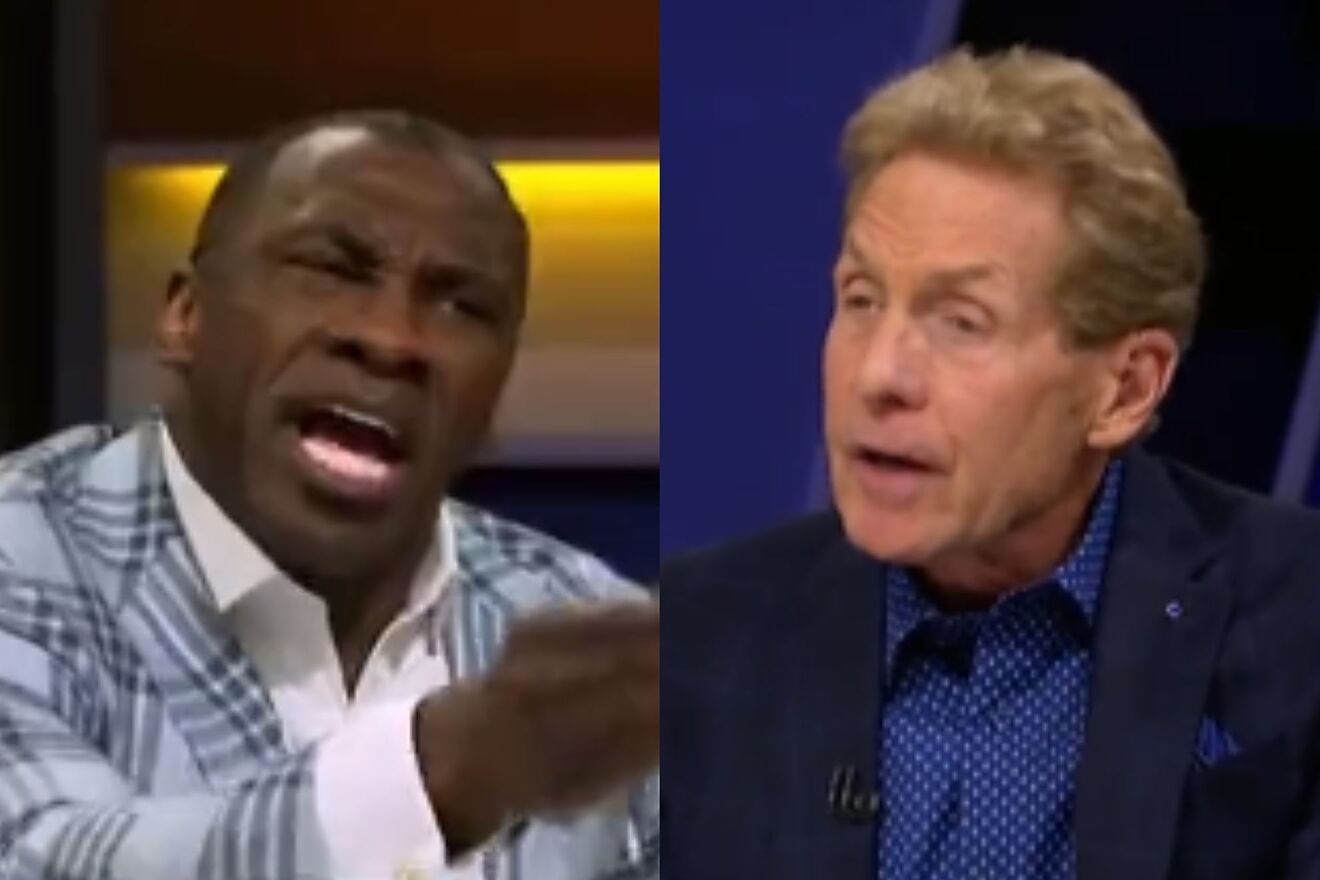
Understanding the Implications of the Shannon Sharpe Suspension and the Case for a Swift Resolution
The suspension of Shannon Sharpe from his media obligations represents a significant disruption to sports broadcasting, impacting both the professional landscape and audience engagement. Ending this suspension quickly is essential to r...
The suspension of Shannon Sharpe from his media obligations represents a significant disruption to sports broadcasting, impacting both the professional landscape and audience engagement. Ending this suspension quickly is essential to restoring stability to the platforms involved, maintaining consistent discourse for the audience, and preserving the brand equity Sharpe has cultivated throughout his career.
Contents
The Role of Shannon Sharpe in Modern Sports Media
Shannon Sharpe occupies a unique position in the sports media ecosystem. Transitioning from a Hall of Fame career as an NFL tight end to a prominent analyst, he bridged the gap between raw, locker-room authenticity and the polished expectations of network television. His work on Undisputed and subsequently on his own media platforms, including the Club Shay Shay podcast and his contributions to ESPN’s First Take, has redefined the "personality-led" sports commentary model.
When a figure of this magnitude is removed from the rotation, it creates a vacuum that is difficult to fill. The audience that follows Sharpe is not merely looking for scores or statistical analysis; they are seeking a specific brand of candid, often unfiltered, commentary that has become a staple of his professional identity. The suspension creates a disruption in this content stream, leading to a decline in viewer trust and a fracturing of the scheduled programming that his audience relies upon.
Why Temporal Efficiency Matters in Professional Branding
In the digital media era, momentum is a perishable commodity. Sports media operates on a 24-hour cycle where relevancy is tied directly to presence. A suspension, while intended as a corrective or administrative measure, acts as a barrier that prevents the talent from engaging with current events. The longer the absence persists, the more difficult it becomes to recapture the specific "voice" that defined the initial relationship with the audience.
From an organizational perspective, a swift resolution is necessary to manage the narrative. Prolonged periods of uncertainty invite speculation, social media rumors, and a degradation of the brand’s professional image. For the platforms that partner with Sharpe, a protracted absence creates a liability; investors and advertisers value consistency, and an absent lead contributor represents a deviation from the agreed-upon value proposition. By resolving the suspension quickly, stakeholders can demonstrate that they prioritize operational stability and that the disciplinary framework—should one exist—is functioning as a temporary corrective rather than a punitive exile.
Impact on Audience Engagement and Platform Loyalty
The relationship between a broadcaster and their audience is built on habit. Viewers tune in at specific times, expecting a specific dynamic. When that dynamic is interrupted by a suspension, the viewer experience is compromised. Data from 2026 media trends suggest that audiences in the sports commentary niche are particularly sensitive to shifts in show lineups.
A suspension often leads to "channel switching," where the audience migrates to alternative platforms to fulfill their need for sports discourse. Once that habit of tuning in elsewhere is established, returning to the original platform becomes more difficult. Swift resolution acts as a retention strategy. It minimizes the time window in which the audience is incentivized to explore competing media outlets, thereby safeguarding the platform's market share and overall reach.
Analyzing the Administrative and Contractual Framework
In the professional sports media landscape, suspensions are rarely arbitrary. They are typically governed by complex contractual agreements that outline conduct standards, morality clauses, and content guidelines. Understanding these factors is crucial to why a quick resolution is often in the best interest of both the individual and the organization.
| Factor | Impact of Prolonged Suspension | Benefit of Swift Resolution |
|---|---|---|
| Audience Retention | High risk of migration to competitors | Stabilizes viewership habits |
| Brand Equity | Dilution of talent recognition | Reaffirms professional consistency |
| Contractual Stability | Potential for litigation or breach claims | Alignment of obligations and output |
| Revenue Flow | Decreased advertising impressions | Predictable inventory for sponsors |
The table above illustrates that the risks associated with a long-term absence are systemic. For organizations managing talent, the legal and financial complexities of a prolonged suspension often outweigh the benefits of maintaining the punitive measure. A swift resolution—potentially involving mediation, public clarification, or short-term performance agreements—is almost always more cost-effective and operationally sound than an indefinite silence.
Mitigating Professional Consequences
For Shannon Sharpe, the professional stakes are high. His brand, characterized by high-profile interviews and candid sports analysis, depends on his ability to remain at the center of the conversation. When he is sidelined, he loses the platform required to influence the sports discourse of the day.
Furthermore, the "suspension" label carries a stigma that can impact future negotiations. In the high-stakes world of sports media, where contracts are worth millions of dollars and sponsorship portfolios are significant, a suspension can be interpreted by third parties as a sign of instability. Expediting the end of the suspension allows the parties to frame the event as a minor administrative hiccup rather than a fundamental incompatibility, which is essential for long-term professional health.
Addressing Common Questions Regarding Media Suspensions
What is the typical catalyst for a media suspension of this nature? Suspensions usually stem from a breach of conduct policies, including disagreements regarding content direction, social media behavior, or conflicts with network editorial guidelines. They serve as a cooling-off period meant to prevent further escalation.
Does a suspension always indicate a permanent split? No. In most cases, a suspension is an administrative tool used to force a negotiation or to manage a temporary PR crisis. It is rarely the first step toward termination, which is a much more complex and legally rigorous process.
How does the audience know when a suspension is over? Generally, platforms use official press releases or a return to scheduled programming as the primary indicator. In modern media, the talent’s return is usually signaled by social media activity or a teaser announcement ahead of their first post-suspension segment.
Can legal counsel influence the speed of a resolution? Yes. Professional representatives are often brought in to ensure that the terms of the suspension remain within the scope of the original employment contract, which can effectively force the employer to either move forward with resolution or justify the continued absence.
Why is it hard to replace a talent like Shannon Sharpe? Sharpe’s value lies in his unique combination of athletic credibility and personality. He cannot be replaced by a generic analyst because his audience is loyal to his specific perspective, history, and delivery style.
Is it common for media personalities to have suspension clauses? Most high-level media contracts contain clauses that allow for administrative leave or temporary suspensions if specific behaviors violate company policy. These are standard, yet sensitive, elements of media management.
Moving Forward: The Path to Reintegration
The path to ending the suspension should be characterized by open dialogue and a commitment to shared goals. For the media platforms involved, the priority should be to establish clear boundaries and expectations that allow for a return to work without the threat of repeat incidents.
For the audience, the best outcome is one that respects their desire for the content they enjoy while maintaining the professional standards of the platforms they frequent. A swift, negotiated end to the suspension is not merely about returning to the screen; it is about acknowledging the value of the contributor while maintaining the integrity of the media environment. Moving past this period of inaction is the most practical step toward ensuring that the sports commentary space remains vibrant, competitive, and relevant throughout the remainder of 2026.
Image Gallery