AARP Supplemental Medicare Explained: Navigating Your Coverage Options
AARP supplemental Medicare policies, officially known as Medicare Supplement Insurance (Medigap) plans, are private insurance policies designed to help pay for out-of-pocket costs that Original Medicare (Part A and Part B) does not cov...
AARP supplemental Medicare policies, officially known as Medicare Supplement Insurance (Medigap) plans, are private insurance policies designed to help pay for out-of-pocket costs that Original Medicare (Part A and Part B) does not cover, such as copayments, coinsurance, and deductibles. These plans are insured by UnitedHealthcare and help provide predictable healthcare expenses for beneficiaries.
Contents
Understanding Medicare Basics and the Role of Medigap
To understand how AARP supplemental Medicare plans function, you must first understand the structural framework of Original Medicare. Original Medicare consists of Part A (hospital insurance) and Part B (medical insurance). While these programs provide robust coverage for inpatient hospital stays, doctor visits, and preventive services, they do not cover 100% of all medical costs. Beneficiaries are typically responsible for a 20% coinsurance under Part B, various deductibles, and hospital copayments after specific thresholds.
This is where Medicare Supplement Insurance, or Medigap, enters the picture. Medigap policies are standardized by the federal government and sold by private insurance companies. Standardized plans are labeled with letters (such as Plan A, Plan G, and Plan N), and each plan letter must offer the exact same basic benefits regardless of which insurance company sells it. The primary difference between insurers offering the same plan letter is the monthly premium, customer service reputation, and additional value-added perks.
AARP-branded Medigap plans are insured and administered by UnitedHealthcare. They are designed to integrate seamlessly with Original Medicare, acting as a secondary payer. When a beneficiary receives medical care, Original Medicare pays its share first, and the Medigap policy then pays its designated share of the remaining approved costs. This mechanism drastically reduces financial unpredictability for seniors managing chronic conditions or frequent medical appointments.
Eligibility Requirements and Enrollment Windows
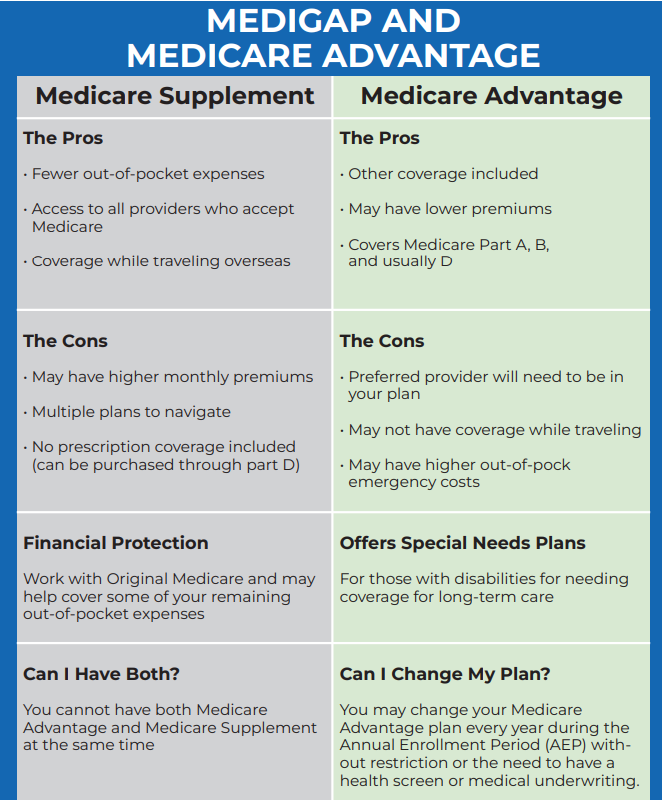
Navigating the enrollment process for an AARP supplemental Medicare plan requires strict adherence to federal timelines. Eligibility for a Medigap policy requires that you are already enrolled in both Medicare Part A and Medicare Part B. It is important to note that Medigap plans cannot be combined with a Medicare Advantage plan (Part C); you can have either a Medigap policy or a Medicare Advantage plan, but not both simultaneously.
The absolute best time to purchase an AARP supplemental Medicare plan is during your Medigap Open Enrollment Period. This is a six-month window that begins automatically on the first day of the month in which you are both 65 or older and enrolled in Medicare Part B. During this specific window:
- Insurance companies cannot use medical underwriting to deny you coverage.
- Insurers cannot charge you a higher premium based on your current health status, pre-existing conditions, or medical history.
- You have a guaranteed issue right to purchase any Medigap policy sold in your state.
If you miss your initial Open Enrollment Period, you can still apply for an AARP Medigap plan at any time of the year, but you will typically have to go through medical underwriting. During underwriting, the insurance company can review your health history, ask detailed medical questions, and potentially deny coverage or charge higher rates based on pre-existing health conditions, unless you qualify for specific federal or state guaranteed issue rights (such as losing employer-sponsored coverage).
Key Plan Options Available Through AARP UnitedHealthcare
AARP offers several standardized Medigap plan designs. While availability can vary slightly depending on your state of residence, the most popular and comprehensive options include Plan G and Plan N. Understanding the specific benefits of these plans allows beneficiaries to match their financial risk tolerance with their expected medical utilization.
Plan G: Comprehensive Coverage
Plan G is currently one of the most comprehensive Medigap policies available to individuals who became eligible for Medicare after January 1, 2020. It covers almost all out-of-pocket costs associated with Original Medicare, with one notable exception: the annual Medicare Part B deductible. Once you pay the Part B deductible out of pocket for the year, Plan G covers 100% of remaining approved costs for Part A and Part B coinsurance, hospital costs, skilled nursing facility care coinsurance, and foreign travel emergency care.
Plan N: Cost-Sharing Alternative
Plan N offers a lower monthly premium than Plan G in exchange for modest cost-sharing responsibilities. Under Plan N, you are responsible for paying the Part B deductible, copayments of up to $20 for some doctor visits, and up to $50 for emergency room visits that do not result in an inpatient admission. Plan N does not cover Part B excess charges (the amount a doctor may legally charge above the Medicare-approved amount, up to 15%), so beneficiaries must ensure their healthcare providers accept Medicare assignment.
| Plan Feature | Plan G | Plan N |
|---|---|---|
| Medicare Part A Coinsurance & Hospital Costs | Covered (100%) | Covered (100%) |
| Medicare Part B Coinsurance | Covered (100%) | Covered (except minor copays) |
| Blood (First 3 Pints) | Covered (100%) | Covered (100%) |
| Skilled Nursing Facility Coinsurance | Covered (100%) | Covered (100%) |
| Medicare Part A Deductible | Covered (100%) | Covered (100%) |
| Medicare Part B Deductible | Not Covered | Not Covered |
| Part B Excess Charges | Covered (100%) | Not Covered |
| Foreign Travel Emergency | Covered (80%) | Covered (80%) |
Cost Factors and Financial Considerations
The financial commitment of an AARP supplemental Medicare plan involves more than just the monthly premium paid to UnitedHealthcare. Evaluating the total cost of ownership requires a holistic view of fixed and variable healthcare expenses.
- Monthly Premiums: This is the recurring fee paid to keep the policy active. Premium rates are determined by how the insurance company prices its policies (community-rated, issue-age-rated, or attained-age-rated) as well as factors like your age, gender, tobacco use, and residential zip code.
- Rate Adjustments: Medigap premiums can increase over time due to inflation, rising healthcare costs, and general age increases (if the plan is attained-age-rated). UnitedHealthcare files rate adjustments with state insurance departments annually.
- Out-of-Pocket Savings: While premiums represent a fixed monthly cost, the financial protection against catastrophic medical bills or routine 20% Part B coinsurance often results in net savings for individuals with chronic or acute healthcare needs.
- Household Discounts: Many AARP Medigap plans offer household discounts (often around 5% to 10%) if multiple members living at the same address enroll in a plan with the insurer.
Additional Perks and Member Benefits
Beyond standard medical expense coverage, AARP Medigap policies insured by UnitedHealthcare often bundle non-insurance value-added services. These extras are designed to support overall wellness and administrative ease, though they do not replace core medical benefits.
- AARP Membership Requirement: To enroll in an AARP-branded Medigap plan, you must be a member of AARP. Membership is open to individuals age 50 and older, and it grants access to various discounts on travel, dining, and retail, alongside the insurance portfolio.
- Fitness Programs: Plans often include access to specialized fitness memberships, such as Renew Active, which covers gym memberships at participating locations and provides digital workout platforms designed for older adults.
- Vision and Hearing Discounts: While Original Medicare does not cover routine eye exams, glasses, or hearing aids, AARP Medigap members frequently receive discounted access to vision networks and hearing aid providers.
- Dedicated Customer Support: UnitedHealthcare provides specialized customer service lines, online member portals, and mobile applications to help beneficiaries track claims, view policy documents, and manage billing preferences.
Frequently Asked Questions
Can I be denied an AARP supplemental Medicare plan due to health conditions?
If you apply during your initial six-month Medigap Open Enrollment Period when you first turn 65 and enroll in Part B, insurance companies cannot deny you coverage or charge you more based on your health. If you apply outside this window, medical underwriting applies, and you can be denied or charged higher rates based on pre-existing conditions.
Does an AARP Medigap plan cover prescription drugs?
No. Standardized Medigap policies do not include outpatient prescription drug coverage. To cover medications, you must enroll in a standalone Medicare Prescription Drug Plan (Part D) or obtain coverage through another creditable source.
Can I visit any doctor with an AARP supplemental Medicare plan?
Yes. Because Medigap works alongside Original Medicare, you can see any doctor, specialist, or hospital in the United States that accepts Medicare patients. There are no network restrictions, and you do not need a primary care physician referral to see a specialist.
What happens if I move to a different state?
AARP Medigap policies are generally portable. If you move to another state, you can typically keep your existing plan, though your monthly premium may adjust to reflect the healthcare cost structure of your new zip code. You also have a guaranteed right to switch Medigap plans if you move out of your plan's service area.
Are AARP Medigap plans the same as Medicare Advantage?
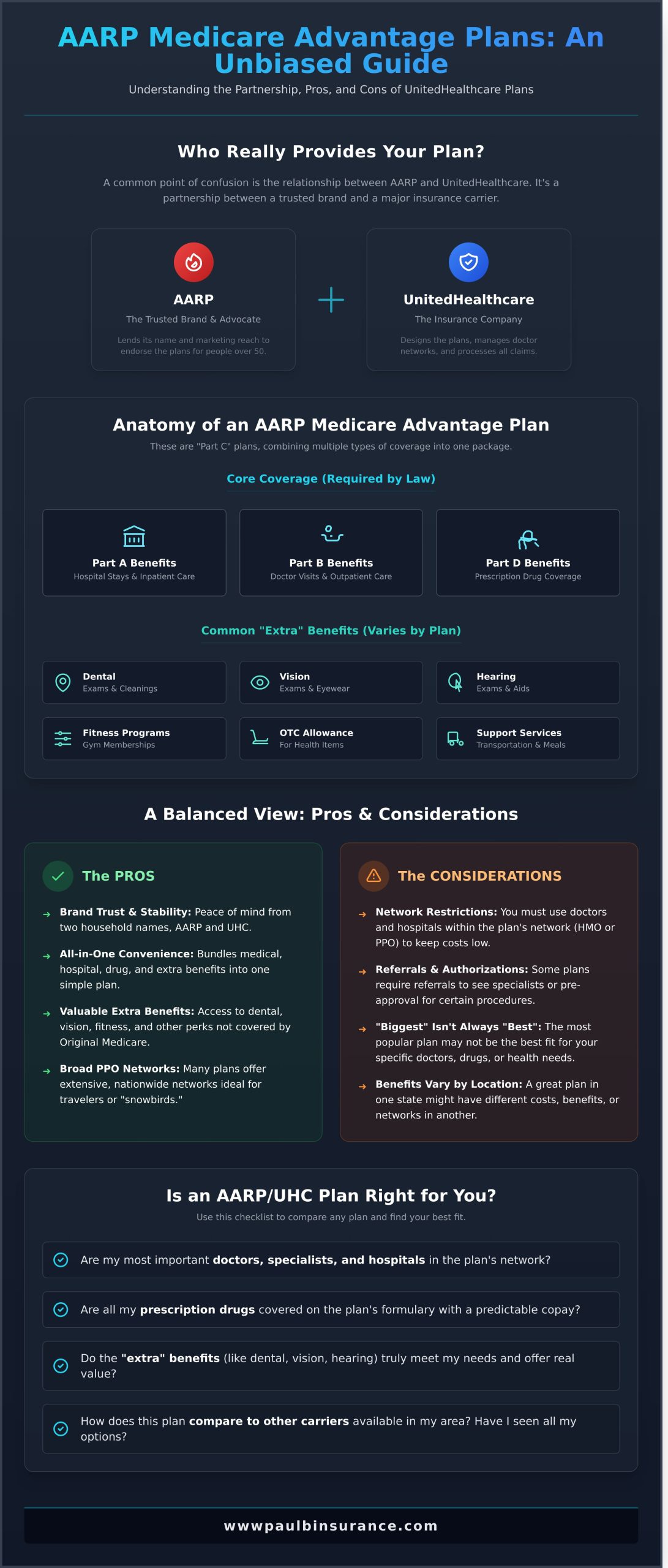
No. Medicare Advantage (Part C) plans replace Original Medicare and are managed by private insurers, often incorporating networks and built-in drug coverage. AARP Medigap plans supplement Original Medicare, allowing you to keep Original Medicare as your primary insurance while the supplement picks up the remaining out-of-pocket costs.
Next Actions and Getting Started
Evaluating whether an AARP supplemental Medicare plan aligns with your healthcare needs requires reviewing your current medical usage, anticipated future procedures, and monthly budget. If you are approaching age 65 or preparing for a qualifying life event, gather your Medicare card, review your current doctor network, and compare plan letters such as Plan G and Plan N. Contact UnitedHealthcare or an independent licensed insurance broker to obtain personalized rate quotes and verify exact plan availability in your specific zip code before making your final enrollment decision.
Image Gallery