Business Casual in San Francisco: The Modern Professional Dress Code Guide
Navigating the professional dress code in San Francisco requires understanding a unique blend of tech-industry pragmatism, traditional corporate expectations, and a strong preference for sustainable, high-quality materials. Business ca...
Navigating the professional dress code in San Francisco requires understanding a unique blend of tech-industry pragmatism, traditional corporate expectations, and a strong preference for sustainable, high-quality materials. Business casual in the Bay Area leans toward functional comfort while retaining a polished appearance suitable for client meetings, venture capital pitches, and modern office environments.
Contents
The Evolution of San Francisco Business Casual
The concept of business casual in San Francisco has undergone a dramatic transformation over the past two decades. Historically anchored by traditional finance institutions in the Financial District, the city’s dress code was once dominated by stiff suits, conservative ties, and formal leather shoes. However, the rapid ascent of the technology sector shifted the cultural baseline toward hyper-casual attire—think hoodies, graphic t-shirts, and sneakers.
Today, business casual in San Francisco represents a calibrated middle ground between these two extremes. It bridges the gap between the ultra-formal traditions of Wall Street and the ultra-casual comfort of Silicon Valley garages. Professionals working in tech, biotech, venture capital, law, and consulting navigate this landscape by prioritizing versatility, smart layering, and weather-appropriate fabrics. The modern Bay Area aesthetic values looking intentional and put-together without appearing overly stiff or disconnected from the local culture.
Furthermore, San Francisco's distinct microclimates heavily influence daily wardrobe choices. A morning fog rolling in from the Pacific Ocean requires heavy outerwear, while a warm afternoon in the Mission District demands breathable layers. Consequently, business casual here is inherently functional, engineered to keep professionals comfortable as they transition between climate-controlled offices, public transit, and outdoor walking meetings.
Core Elements of the Bay Area Wardrobe
Building a functional business casual wardrobe in San Francisco starts with versatile foundation pieces that can be easily mixed, matched, and layered. Unlike rigid corporate environments that mandate suits, the Bay Area framework allows for individualized style expression anchored by clean tailoring and premium fabrics.
Tops and Layering Pieces
The cornerstone of Bay Area business casual layering is the high-quality sweater, cardigan, or tailored vest. Because temperatures fluctuate dramatically throughout the day, heavy winter coats are often replaced by lightweight technical fleeces, structured blazers, or minimalist overshirts.
- Button-Down Shirts: Crisp Oxford cloth button-downs (OCBDs), chambray, and fine poplin shirts remain staples. They can be worn tucked or untucked depending on the office culture, though tucking is recommended for client-facing roles.
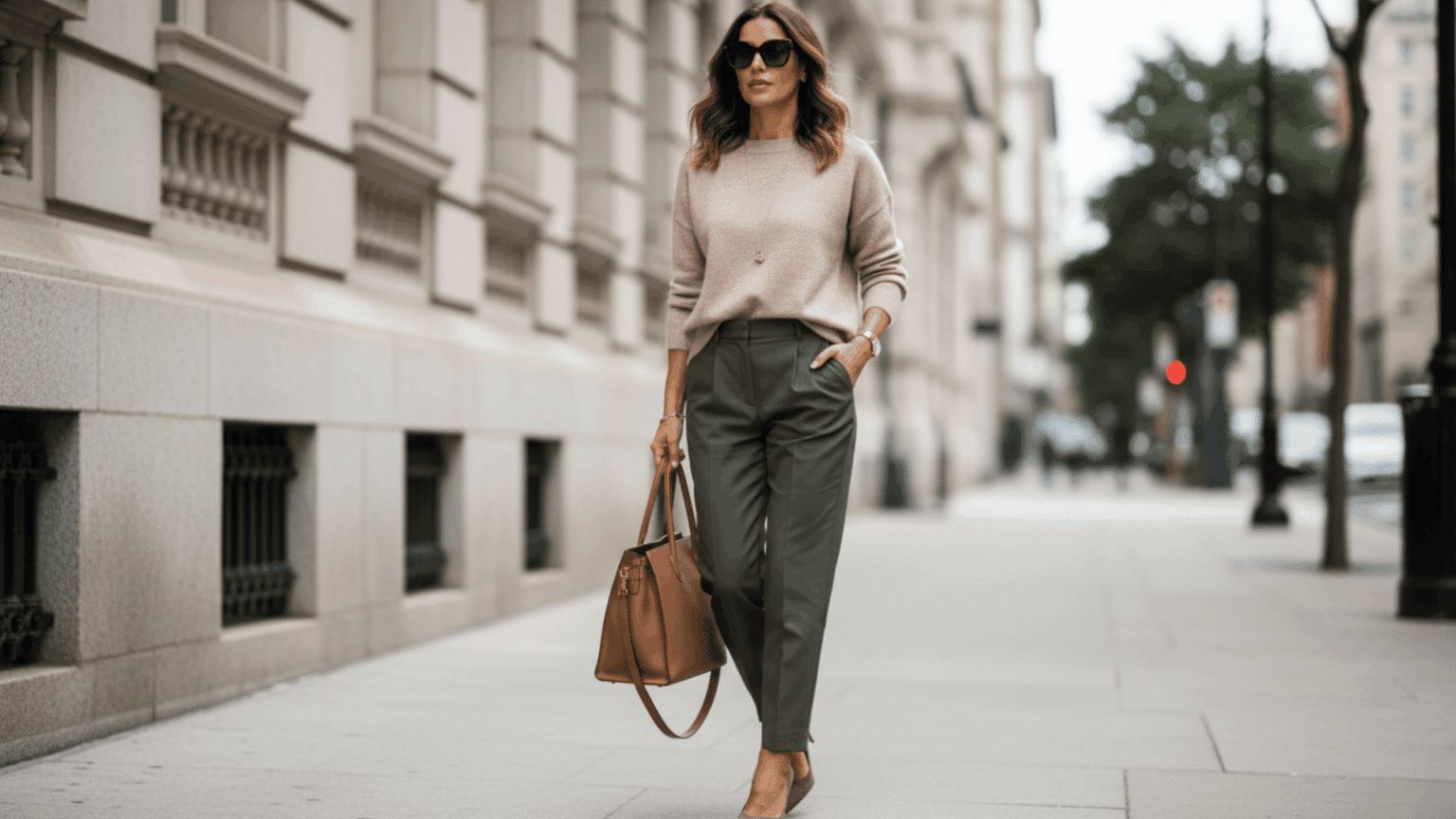
- Knitwear: Fine-gauge merino wool and cashmere sweaters, quarter-zips, and cardigans offer a refined alternative to traditional suit jackets.
- Blazers and Sport Coats: Unstructured blazers made from cotton-blend, linen, or lightweight wool provide an instant elevation of any outfit for formal presentations or board meetings.
Bottoms and Trousers
Denim holds a uniquely respected position in San Francisco business casual. However, not all jeans are acceptable in professional environments.
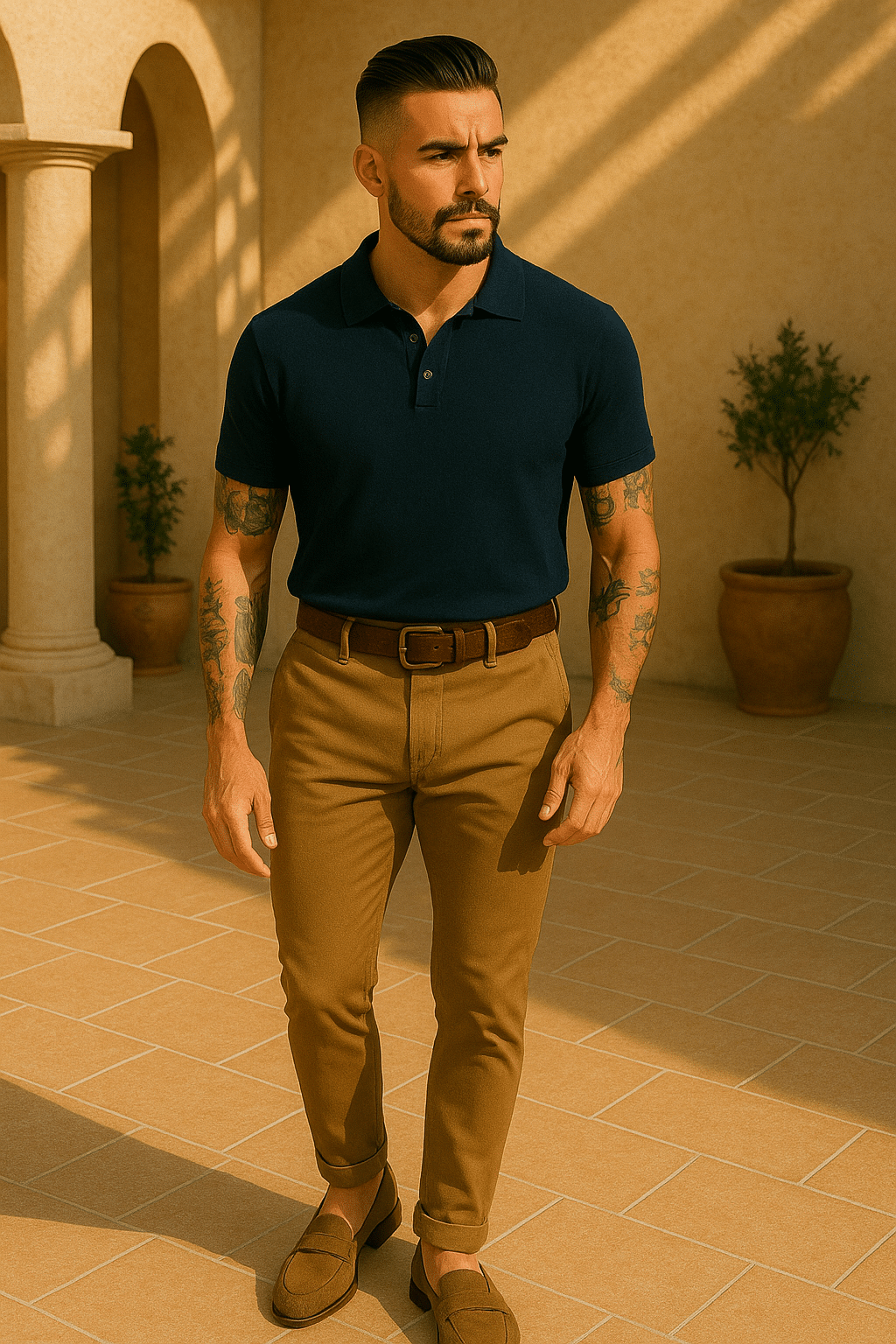
- Tailored Chinos and Trousers: Slim-straight or tapered chinos in navy, olive, charcoal, and khaki provide a clean silhouette.
- Premium Denim: Dark-wash, unwashed, or black denim free of distressing, fading, or rips is widely accepted across tech and creative sectors. The fit must be tailored and clean.
- Trousers: Wool-blend dress pants or technical trousers (often sourced from performance-wear brands popular in the region) offer moisture-wicking benefits and stretch for bicycle commuters.
Footwear
Footwear in San Francisco must balance style with the practical reality of walking on steep hills, navigating public transit, and walking through dense urban neighborhoods.
- Leather Sneakers: Clean, minimalist leather sneakers in white or black have become standard office footwear, provided they are spotless and well-maintained.
- Chelsea and Chukka Boots: Suede or leather boots offer excellent ankle support, weather resistance, and an elevated professional look.
- Loafers and Oxfords: Traditional loafers and brogues remain necessary for traditional legal, financial, and executive settings within the Financial District.
| Clothing Category | Traditional Corporate | San Francisco Business Casual | Unacceptable / Too Casual |
|---|---|---|---|
| Outerwear | Wool topcoat, trench coat | Technical fleece, unstructured blazer, bomber | Athletic hoodies, worn-out windbreakers |
| Tops | Dress shirt with tie | OCBD, merino wool sweater, quarter-zip | Graphic tees, tank tops, gym wear |
| Bottoms | Pleated wool dress pants | Tailored chinos, dark raw denim | Athletic sweatpants, distressed or torn jeans |
| Footwear | Polished oxford shoes | Leather sneakers, Chelsea boots, loafers | Running shoes, flip-flops, worn sandals |
Industry Variations: Financial District vs. Tech and Venture Capital
While the term "business casual" is applied broadly, its execution varies significantly depending on the specific industry and neighborhood in San Francisco. A professional walking into a law firm on California Street faces a markedly different standard than someone entering a software startup in SoMa or a venture capital office on Sand Hill Road (just south of the city).
Financial, Legal, and Consulting Sectors
Firms operating in traditional sectors within the Financial District retain a conservative approach to business casual. While full three-piece suits are increasingly reserved for courtroom appearances or major client galas, the standard leans heavily toward "smart casual" or traditional business casual.
- Expectations: Collared shirts, pressed trousers, blazers, and leather footwear are standard. Ties are typically optional unless meeting external stakeholders.
- Color Palette: Muted, neutral tones such as navy, charcoal, gray, and black dominate the wardrobe.
Tech, Biotech, and Venture Capital
Technology companies, biotechnology firms, and venture capital funds pioneered the relaxed dress code that defines modern West Coast business. However, "casual" does not mean unkempt; rather, it reflects a culture of elevated casualness.
- Expectations: Dark premium denim, branded tech fleece vests, clean sneakers, and layered knitwear are ubiquitous. VCs often wear tailored blazers paired with dark jeans and designer sneakers.
- Color Palette: Greater flexibility, including earthy tones, subtle patterns, and branded company apparel.
Navigating San Francisco Weather and Commuting Realities
Dressing for business casual in San Francisco requires solving a daily logistical challenge: the city's notorious microclimates. It is entirely common to experience cool, foggy conditions in the morning in the Sunset or Richmond districts, bright sunshine and wind in downtown at noon, and a chilly breeze sweeping off the bay by evening.
Layering is not merely a stylistic choice; it is a practical necessity. Professionals who commute via BART, Muni, or bicycle must select garments that regulate temperature and withstand outdoor elements.
- Commuter Footwear: Many professionals wear supportive walking shoes or specialized commuter boots during transit, swapping them for office shoes stored at their desks.
- Weather-Resistant Outerwear: Water-resistant trench coats, technical rain jackets, and packable windbreakers protect professional attire from sudden mist or fog without sacrificing aesthetic appeal.
Common Mistakes to Avoid
Misinterpreting the boundaries of business casual can lead to professional faux pas. Avoiding common pitfalls ensures a polished and respected presence in any Bay Area workplace.
- Confusing Casual with Athletic Wear: Gym wear, yoga pants, sweatpants, and athletic hoodies are rarely appropriate for business casual settings, even in casual tech environments.
- Wearing Distressed Denim: Jeans with rips, fraying hems, heavy acid-washing, or paint splatters belong on the weekend, not in the boardroom or client meetings.
- Neglecting Grooming and Maintenance: Casual clothing amplifies the appearance of wrinkles, scuffed shoes, and pet hair. Ironing or steaming garments and maintaining clean footwear are essential when wearing relaxed clothing styles.
- Ignoring the Company Context: When starting a new position or meeting external clients for the first time, it is always safer to overdress slightly than to assume ultra-casual norms apply immediately.
Frequently Asked Questions
Are suits completely dead in San Francisco?
No. While everyday suiting has declined significantly outside of traditional law and finance, suits remain essential for high-stakes courtroom appearances, formal executive board meetings, galas, and specific financial sector roles.
Can I wear sneakers to a job interview in San Francisco?
It depends entirely on the industry. For a software engineering or design role at a tech startup, clean minimalist leather sneakers are generally acceptable. For finance, legal, or traditional corporate roles, traditional leather dress shoes or loafers are still strongly recommended.
Is denim acceptable for client-facing meetings?
Yes, provided the denim is dark-washed, clean, un-distressed, and paired with an elevated top such as a structured blazer, crisp button-down, or fine-knit sweater. Avoid light washes and casual styling for important client presentations.
How do I dress for a tech interview if the dress code is unknown?
When in doubt, aim for smart-casual. A pair of tailored chinos, a button-down shirt or fine-gauge sweater, an unstructured blazer, and clean leather shoes or minimalist sneakers strike the right balance without appearing overdressed or underdressed.
What is the best outerwear for San Francisco's climate?
Versatile options include technical water-resistant vests, wool overshirts, trench coats, and lightweight rain jackets. Layers that can be easily removed and stored are ideal for navigating changing microclimates throughout the day.
Next Actions and Practical Recommendations
To build an effective business casual wardrobe tailored to San Francisco, audit your existing closet for versatile foundation pieces. Invest in three to four pairs of tailored chinos or dark, premium jeans, a selection of high-quality merino wool sweaters and button-downs, and at least one versatile unstructured blazer. Prioritize durable, weather-resistant fabrics that accommodate layering, ensuring you remain comfortable and professional regardless of the neighborhood or weather conditions.
Image Gallery