Larry Ellison and the Lanai Purchase: Impacts, Vision, and the Evolution of a Private Island
In June 2012, Oracle co-founder Larry Ellison purchased approximately 98% of the Hawaiian island of Lanai from billionaire David Murdock for an estimated $300 million to $500 million. This acquisition placed nearly 88,000 acres of land...
In June 2012, Oracle co-founder Larry Ellison purchased approximately 98% of the Hawaiian island of Lanai from billionaire David Murdock for an estimated $300 million to $500 million. This acquisition placed nearly 88,000 acres of land under the control of Ellison’s management company, Pūlama Lāna‘i, with the stated goal of transforming the island into a sustainable, data-driven "wellness laboratory" and a premier luxury destination.
Contents
The Mechanics of the 2012 Acquisition
The purchase of Lanai remains one of the most significant private real estate transactions in modern history. Before Larry Ellison entered the picture, the island was owned by David Murdock, the chairman of Castle & Cooke. Murdock had struggled to make the island’s operations profitable, reportedly losing upwards of $20 million to $30 million annually on the upkeep of the island’s infrastructure and its two major Four Seasons resorts.
When the sale was finalized in June 2012, Ellison did not just buy land; he bought a functioning ecosystem, including the island's water utility, the local power grid's infrastructure (in partnership with local utilities), the social services buildings, and the majority of the residential and commercial rental stock in Lanai City. While the State of Hawaii retains control over the airport and the harbor, and about 2% of the land remains in private hands (mostly longtime residents), Ellison is effectively the steward of the entire island.
The deal was executed through his entity, Carbon Beach LLC, and management was later handed to Pūlama Lāna‘i. The name, which means "to cherish Lanai," was chosen to signal a shift from the previous plantation-era management style to one focused on conservation and sustainability.
Pūlama Lāna‘i: The Framework of Modern Governance
Under Ellison’s ownership, Pūlama Lāna‘i functions as much as a local government as it does a land management firm. Because the company owns the majority of the housing and the primary places of employment, the relationship between the owner and the residents is uniquely intertwined.
As of 2026, the company has stabilized the island's economy by moving away from the volatile pineapple export model of the 20th century toward a diversified portfolio of luxury tourism, sustainable agriculture, and technological research. The organizational structure of Pūlama Lāna‘i includes departments for:
- Conservation: Managing invasive species and protecting native Hawaiian flora and fauna.
- Infrastructure: Upgrading the island’s aging water pipes and sewage systems.
- Community Development: Overseeing the rental market and managing the commercial spaces in Dole Park.
- Sustainability: Implementing renewable energy projects and advanced waste management.
This centralized management allows for rapid prototyping of new technologies, such as island-wide smart grids, which would be difficult to implement in a more traditional municipal setting.
The Vision for a Sustainable Future
A core component of the Lanai purchase was Ellison’s desire to create a "sustainability lab." This vision is primarily manifested through Sensei Ag, a technology-driven agricultural company. Ellison’s goal was to make the island self-sufficient in food production, reducing the reliance on expensive shipments from the mainland or other islands.
High-Tech Agriculture
Sensei Ag utilizes advanced hydroponic greenhouses located in the island’s interior. These facilities use significantly less water than traditional soil-based farming and are monitored by thousands of sensors that track nutrient levels, humidity, and growth rates. By 2026, these greenhouses supply a large percentage of the produce consumed at the island’s resorts and provide local residents with access to fresh, affordable vegetables that were previously scarce.
Energy and Water Security
Energy independence has been a major pillar of the post-purchase strategy. Before Ellison, Lanai was almost entirely dependent on imported diesel for electricity. Ellison has invested heavily in solar arrays and large-scale battery storage systems (utilizing Tesla Powerpack technology) to transition the island toward 100% renewable energy.
Water management is equally critical. Lanai relies on a single aquifer. Ellison’s team has implemented sophisticated leak-detection systems and is exploring desalination technologies powered by renewable energy to ensure the long-term viability of the island’s water supply in the face of climate change.
Luxury Hospitality and the "Sensei" Brand
The economic engine that funds Ellison’s sustainability projects is high-end tourism. After the purchase, Ellison closed and completely renovated the two Four Seasons properties on the island:
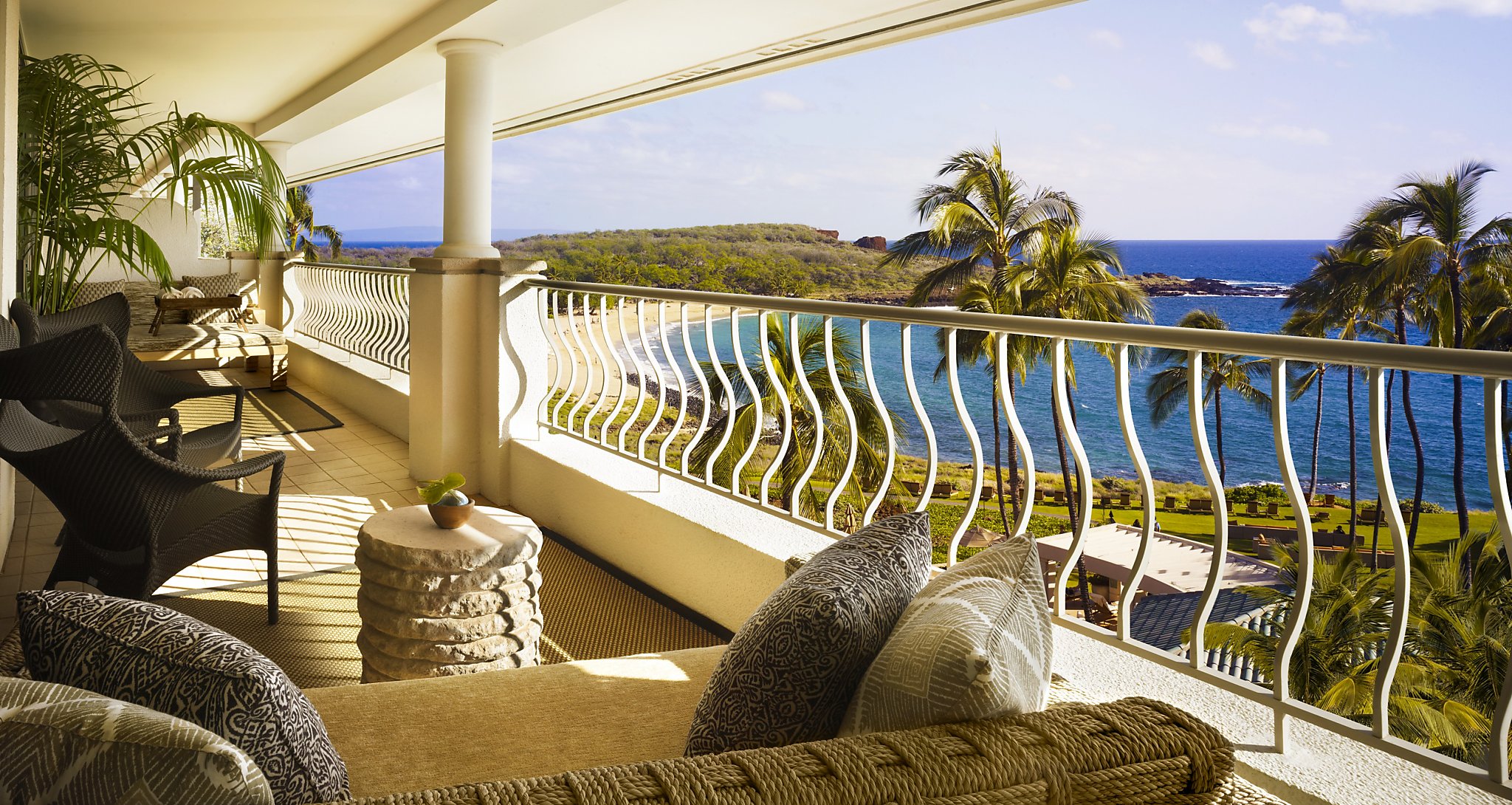
- Four Seasons Resort Lanai (Manele Bay): Reimagined as an ultra-luxury beach resort with world-class amenities, including a Nobu restaurant.
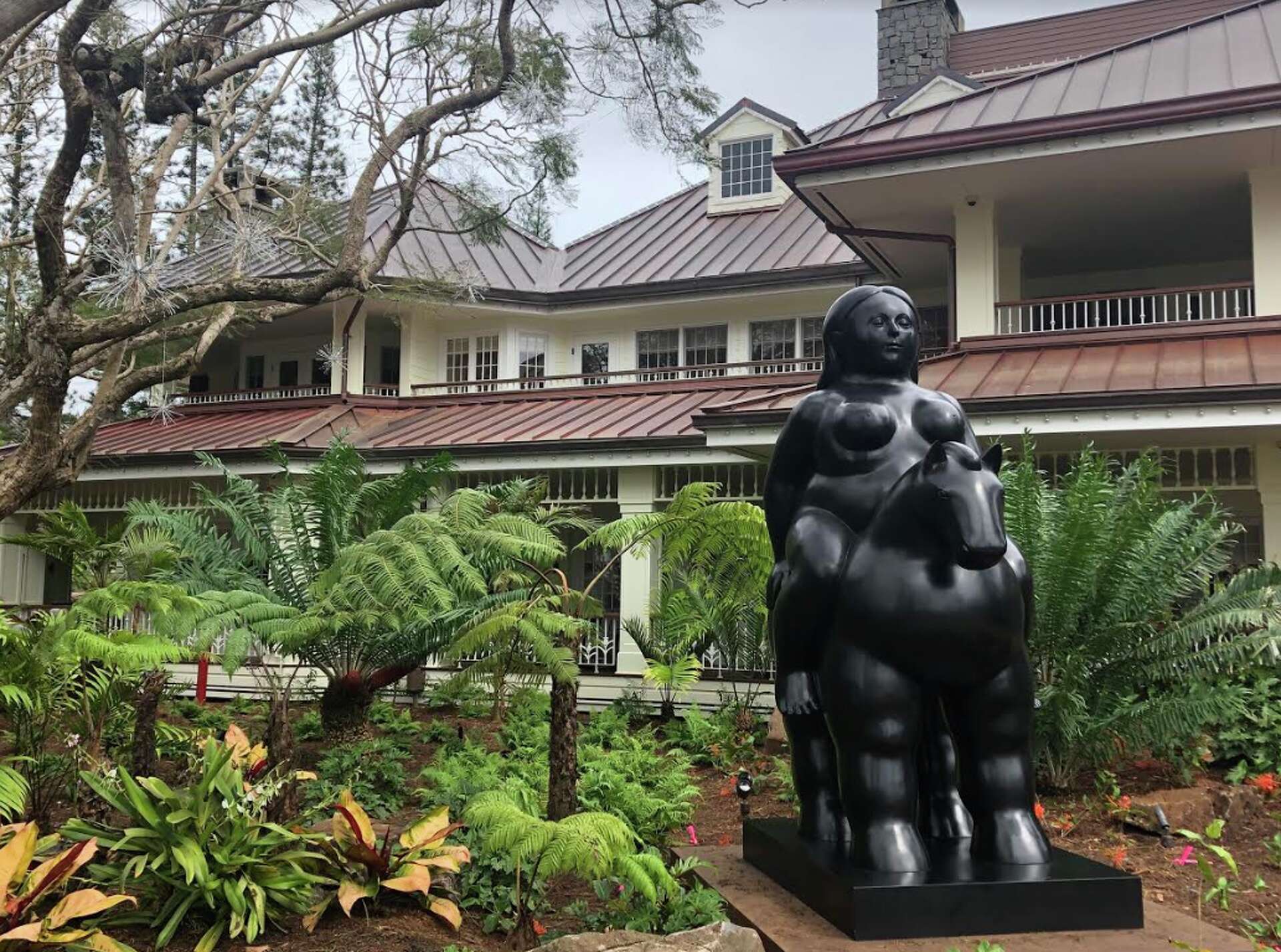
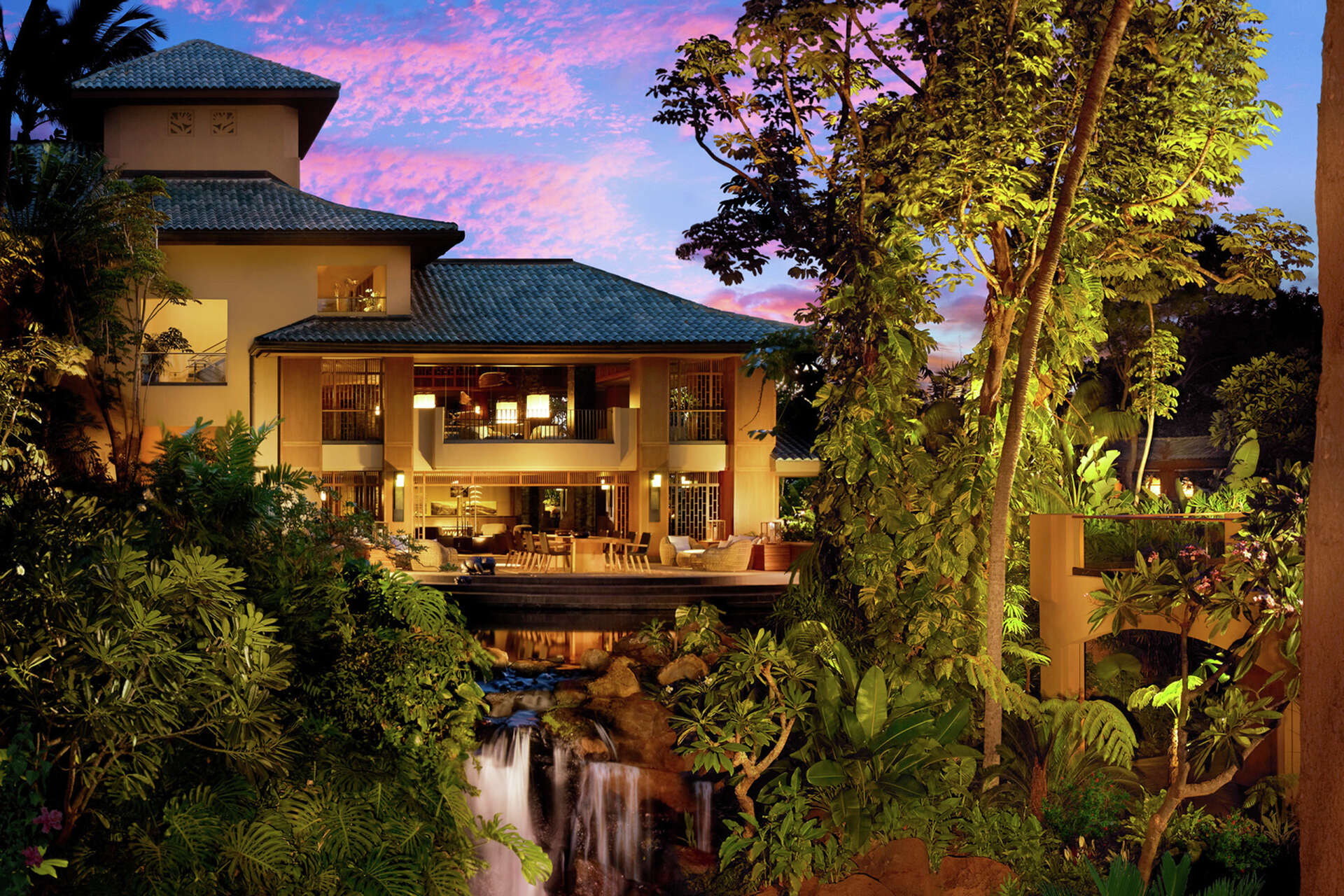
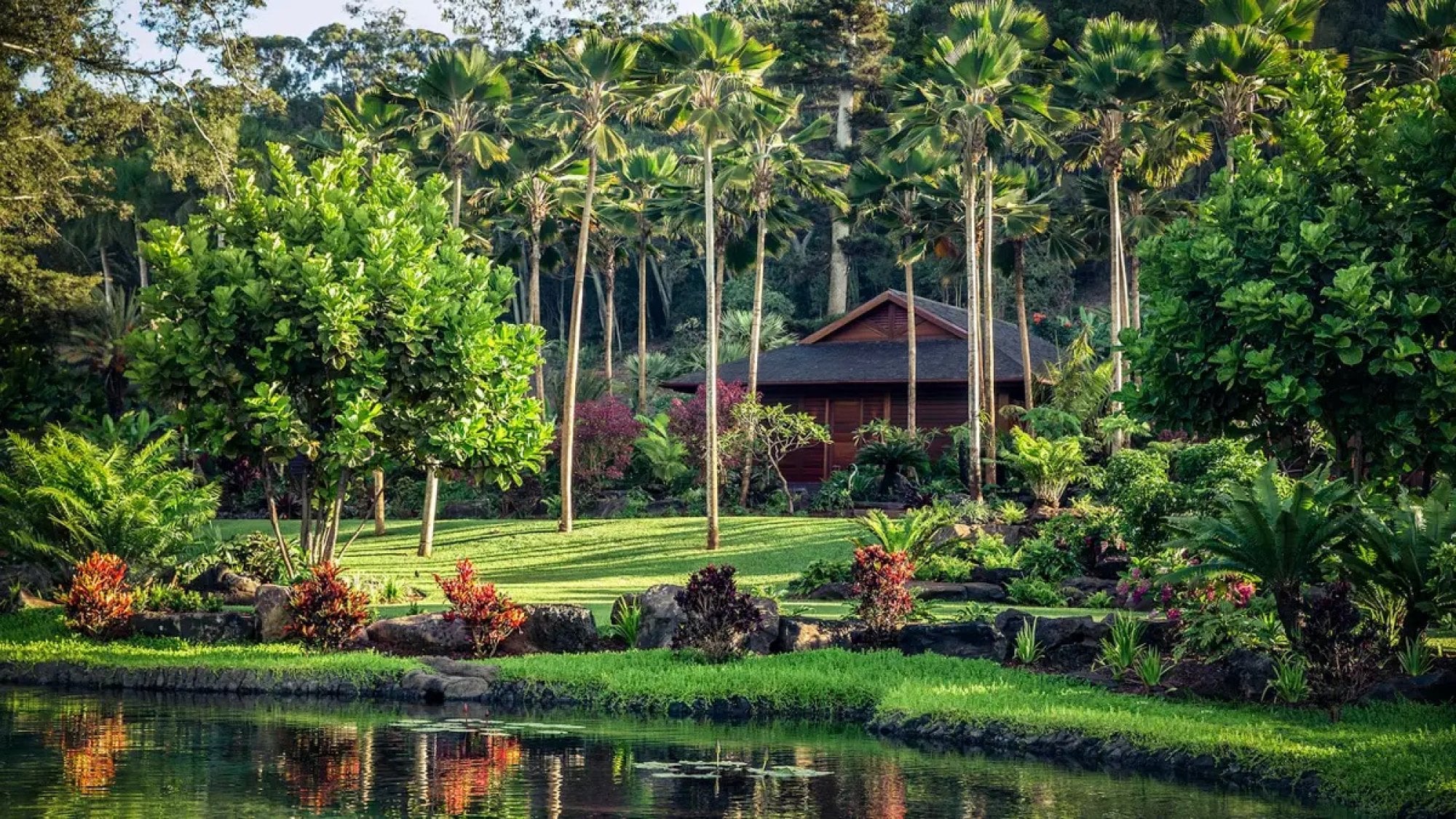
- Sensei Lanai, A Four Seasons Resort (The Lodge at Koele): This property was transformed from a traditional hunting lodge into a wellness retreat focused on "The Sensei Way"—a philosophy centered on movement, nourishment, and rest.
The "Sensei" brand represents Ellison’s personal interest in longevity and health. The retreat offers data-backed wellness programs where guests work with "Sensei Guides" to track their biomarkers and optimize their lifestyles. This shift has changed the profile of the Lanai visitor from a general luxury traveler to a demographic focused on health, technology, and privacy.
The Social and Economic Impact on Residents
The purchase of Lanai created a complex dynamic for the island’s approximately 3,200 residents. On one hand, Ellison’s deep pockets have provided job security and infrastructure improvements that the previous owner could not afford. On the other hand, the "company town" nature of the island raises concerns about autonomy and the cost of living.
The Landlord-Employer Dynamic
Because Pūlama Lāna‘i owns the majority of the housing, many residents find themselves in a position where their employer is also their landlord. This has led to tensions regarding lease terms and the availability of affordable housing for the next generation of Lanaians. Ellison has addressed some of these concerns by funding new housing developments, but the demand remains high as the luxury sector expands.
Economic Diversification
While tourism remains the primary employer, the growth of Sensei Ag and the conservation departments has provided new career paths for residents in technology, science, and environmental management. This diversification is intended to make the island more resilient to global tourism fluctuations.
Lanai Ownership and Development Statistics (Projected 2026 Status)
| Feature | Pre-Purchase (Pre-2012) | Current Status (2026) |
|---|---|---|
| Primary Owner | David Murdock (Castle & Cooke) | Larry Ellison (Pūlama Lāna‘i) |
| Primary Industry | Conventional Tourism / Pineapple | Wellness Tourism / Tech-Ag |
| Energy Source | 90%+ Diesel Generators | 60%+ Solar and Battery Storage |
| Food Supply | 95% Imported | 40% Locally Grown (Hydroponic) |
| Hospitality Focus | General Luxury | Wellness and Longevity (Sensei) |
| Infrastructure Condition | Aging / High Leakage | Upgraded / Smart Grid Integrated |
Frequently Asked Questions
Can the general public still visit Lanai?
Yes, Lanai remains open to the public. While Larry Ellison owns the majority of the land, the state-owned airport and harbor provide public access. Visitors can travel to the island via the Lanai Ferry from Maui or by air. However, accommodation options are primarily limited to the high-end Four Seasons resorts or a small number of local inns, as Ellison’s company controls most of the commercial hospitality inventory.
Does Larry Ellison own the entire island?
No, he owns approximately 98%. The remaining 2% includes federally and state-owned land (such as highways, the airport, and the harbor), as well as private property owned by families who have held titles for generations. These private parcels are primarily located within Lanai City.
What is Pūlama Lāna‘i?
Pūlama Lāna‘i is the land management company established by Larry Ellison to oversee the operations, development, and conservation of his holdings on the island. It serves as the primary employer and utility provider for the island, managing everything from the water system to the luxury resorts.
How has the purchase affected local housing?
The purchase has had a mixed impact. While Ellison has invested in repairing and upgrading existing rental units, the influx of luxury-focused development has increased the overall cost of living. Pūlama Lāna‘i has initiated several housing projects to address the shortage, but the "company town" model remains a point of debate among residents regarding long-term property ownership and equity.
What is the long-term goal for the island?
The long-term goal is to create a fully sustainable, carbon-neutral community that serves as a global model for environmental and agricultural technology. Ellison envisions Lanai as a self-sufficient ecosystem where data and technology optimize every aspect of life, from food production to energy consumption and personal health.
Practical Recommendations for Visitors and Researchers
For those interested in the evolution of Lanai under Larry Ellison's ownership, the island serves as a living case study in private-sector environmentalism.
- For Travelers: If you are visiting to experience the "Sensei" wellness model, it is recommended to book well in advance, as the Lodge at Koele operates at a low-density, high-service capacity.
- For Residents/Job Seekers: Those looking for opportunities in Lanai should focus on the intersection of hospitality and sustainable technology, as these are the growth sectors targeted by Pūlama Lāna‘i.
- For Policy Analysts: Lanai represents a unique "charter city" style environment. Monitoring the balance between private corporate goals and the public needs of the residents provides valuable insights into the future of private-public land management.
To see the direct results of the purchase, a visit to the Sensei Farm stands or a tour of the solar infrastructure offers the most tangible evidence of how Ellison’s capital is reshaping the island's physical and economic landscape.
Image Gallery