Williamson County Arrest Records and Public Booking Information: 2026 Guide
To find information on individuals recently arrested or "busted" in Williamson County, you must access the official public records provided by the Williamson County Sheriff’s Office or the County Clerk’s online portal. These records ty...
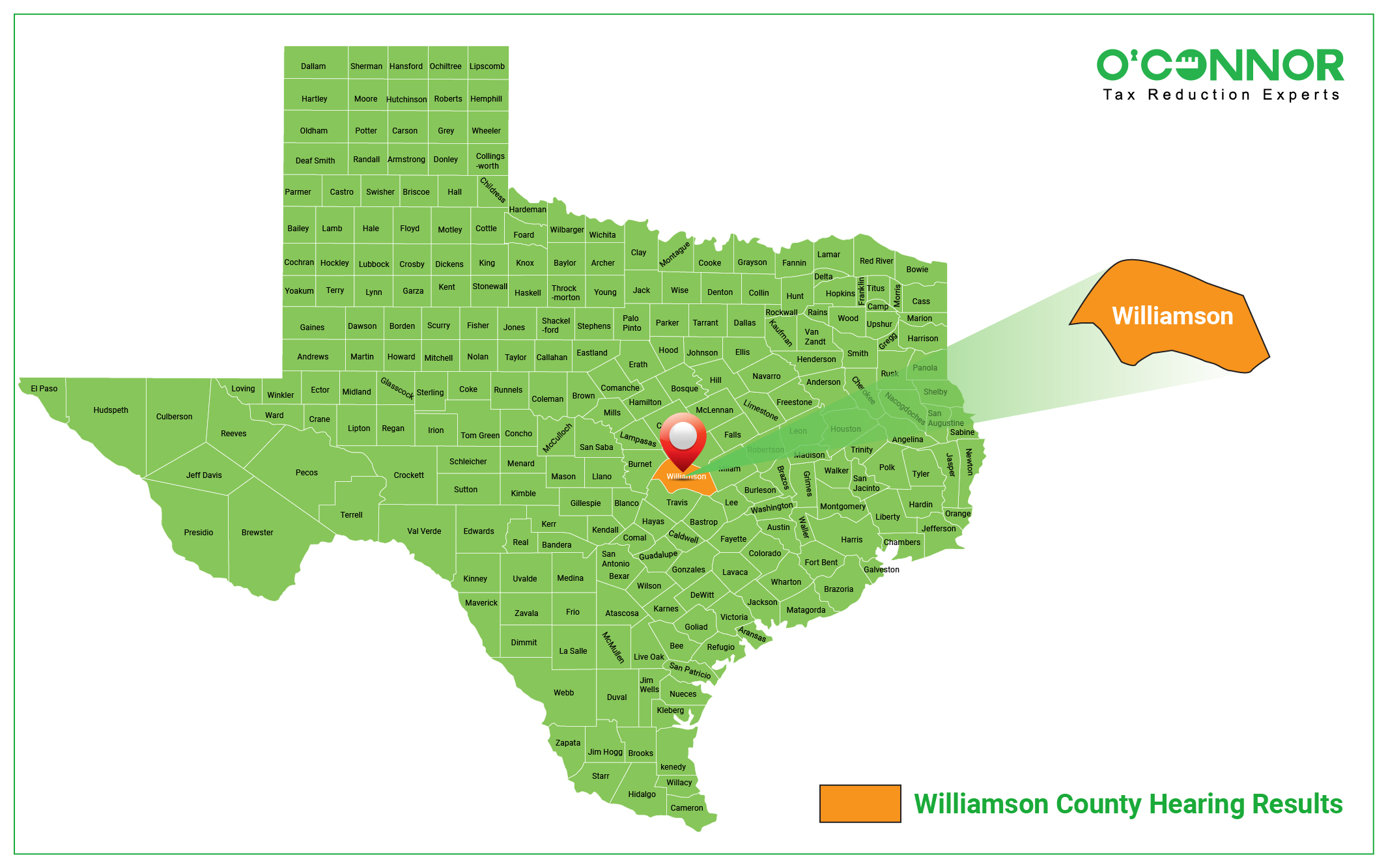
To find information on individuals recently arrested or "busted" in Williamson County, you must access the official public records provided by the Williamson County Sheriff’s Office or the County Clerk’s online portal. These records typically include booking photos, charges, and bond amounts. While this guide focuses primarily on Williamson County, Texas—the most frequent search destination—similar protocols apply to Williamson County, Tennessee.
Contents
Public records in Williamson County are governed by the Texas Public Information Act (TPIA), which ensures that government transparency remains a priority. In 2026, the process of locating arrest data has become highly digitized, allowing citizens to monitor law enforcement activity, verify the status of detainees, and access court calendars with high efficiency. Navigating these systems requires an understanding of the distinction between an arrest record, a jail roster, and a formal criminal history.
Navigating the Williamson County Public Records Landscape
The term "busted" is often used colloquially to describe the act of being arrested and processed into the county jail system. In Williamson County, particularly in the seat of Georgetown, Texas, law enforcement maintains a rigorous standard for documentation. As of 2026, the county utilizes an integrated justice system portal that links law enforcement bookings directly with judicial proceedings.
When searching for records, it is essential to distinguish between the various entities that hold information:
- The Williamson County Sheriff’s Office (WCSO): Responsible for the operation of the county jail and the initial booking of most individuals arrested within the county lines.
- The District Clerk and County Clerk: These offices maintain the formal records of the court proceedings that follow an arrest.
- Municipal Police Departments: Agencies in cities like Round Rock, Cedar Park, and Taylor may perform the initial "bust," but the individual is almost always transferred to the main county facility for long-term processing.
Accessing these records is a matter of public right, but users should be aware that "recent" arrests may take 2 to 24 hours to appear in the online database depending on the speed of the booking and intake process.
Step-by-Step Guide to Finding Arrest Records in 2026
Locating a specific individual or viewing a daily "busted" list involves a few specific technical steps. The county’s digital infrastructure in 2026 is designed for mobile-first access, ensuring that records can be searched on the go.
1. Utilize the Official Jail Records Search
The most direct way to find someone currently in custody is the Jail Records Search tool.
- Search Parameters: You will typically need a last name and at least the first initial. Searching by booking date is also a common filter for those looking for the "daily bust" list.
- Data Provided: The results will show the full name, date of birth, booking number, and the specific charges (e.g., DWI, Possession, Assault).
- Bond Information: In 2026, the system provides real-time updates on whether a bond has been set and if the individual is eligible for release.
2. Checking the Court Records Portal
If the individual has already been released or if the arrest happened several weeks ago, they may no longer appear on the active "Inmate" list. In this case, you must search the Odyssey Portal or the county’s equivalent judicial search engine.
- Case Status: This will tell you if the District Attorney has formally filed charges.
- Future Dates: You can see upcoming "Appearance" or "Arraignment" dates, which are vital for family members and legal counsel.
3. Verification of Mugshots
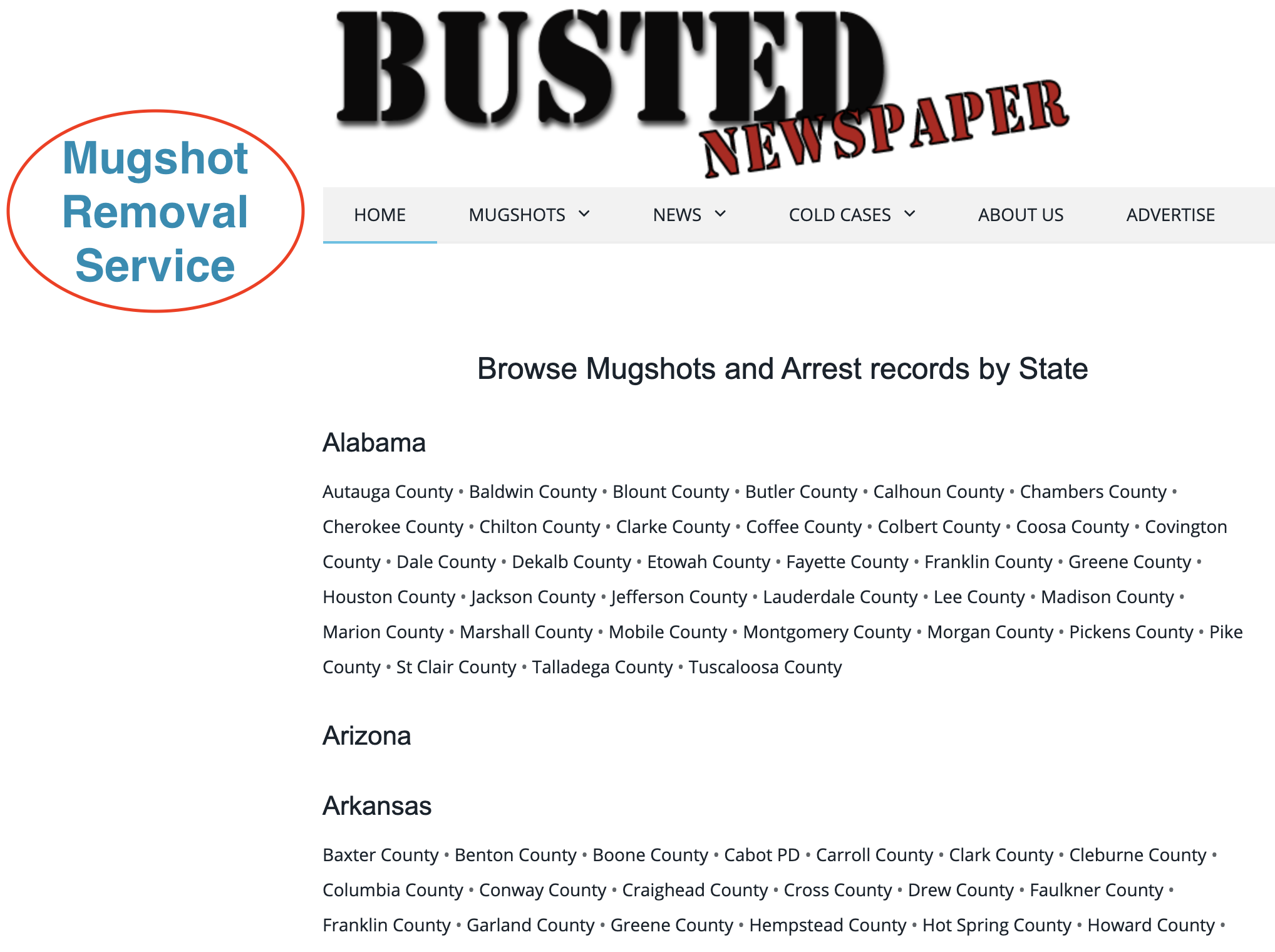
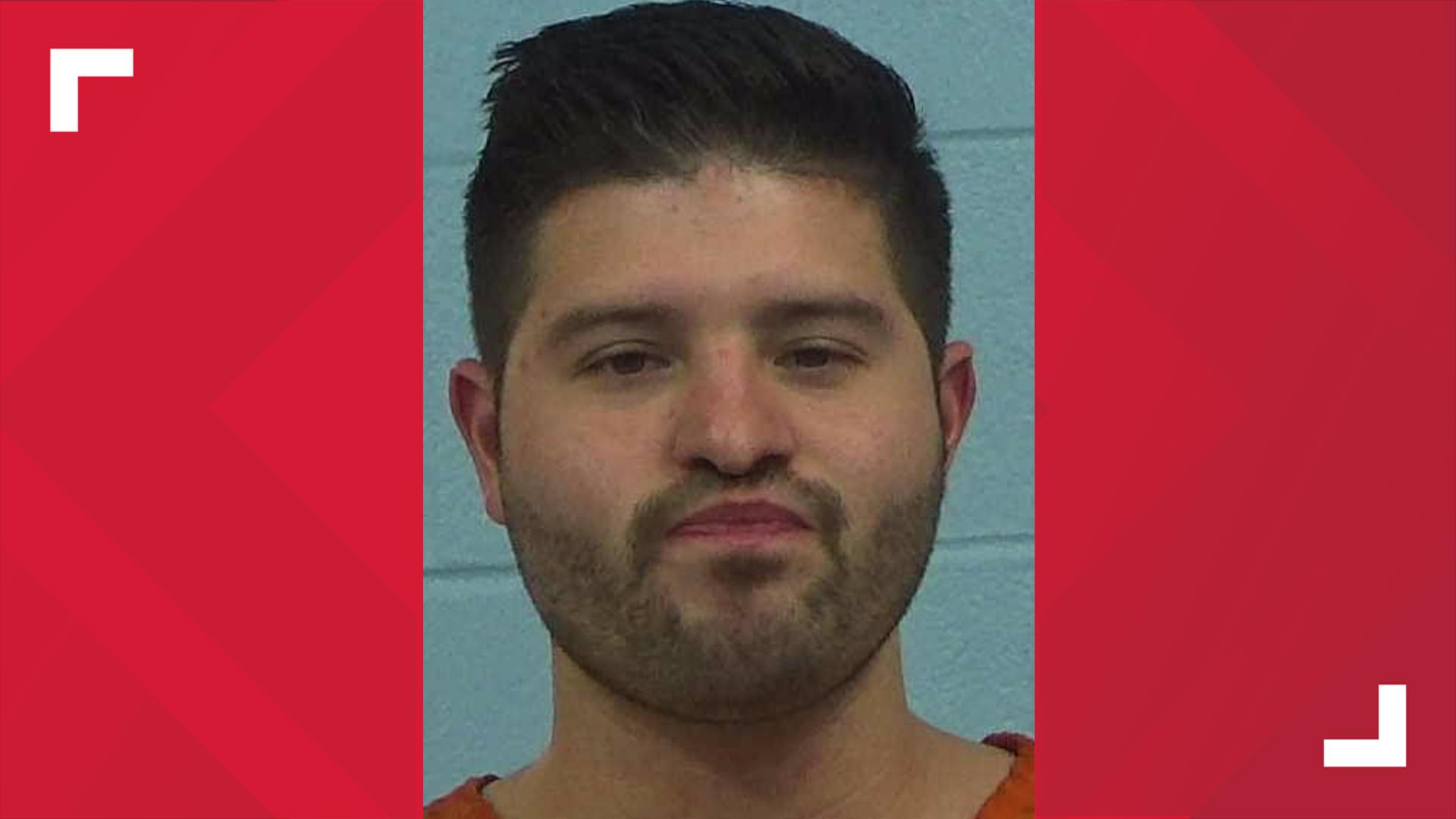
While many third-party "busted" websites aggregate mugshots, these sites are often outdated or require fees for removal. For the most accurate and legally defensible information, always refer to the Sheriff's official portal. Note that in 2026, certain privacy laws may restrict the public display of mugshots for individuals whose charges were dismissed or who were found not guilty, a trend that began in the early 2020s to protect civil liberties.
Comparison of Official Portals vs. Third-Party "Busted" Sites
It is common for users to encounter "mugshot galleries" or "busted" magazines online. It is crucial to understand the risks and benefits associated with these different sources of information.
| Feature | Official County Portal (2026) | Third-Party Aggregator Sites | Local News "Busted" Columns |
|---|---|---|---|
| Accuracy | 100% Real-time / Verified | Often Outdated (Days/Weeks) | High (Vetted by Reporters) |
| Cost | Free to Public | Often Hidden "Removal" Fees | Free / Ad-Supported |
| Full Legal Context | Includes Case Updates | Mugshot Only | Narrative Summary |
| Privacy Compliance | Adheres to TPIA/State Law | Frequently Non-Compliant | Journalistic Exception |
| Update Frequency | Hourly / Immediate | Periodic Scrapes | Weekly or Bi-Weekly |
Legal Rights and Record Expunction in 2026
Being "busted" in Williamson County initiates a public record, but that record is not necessarily permanent in the public eye. Texas law provides mechanisms for managing how these records impact your future.
Important Considerations for Record Management
The Presumption of Innocence An arrest record is merely a documentation of an accusation. It is not a conviction. In 2026, many employers and housing providers are legally barred from using a mere arrest record (without a conviction) as a sole basis for denial, though policies vary by industry.
Expunction and Non-Disclosure If a case is dismissed, if the individual completes a pretrial intervention program, or if they are acquitted, they may be eligible for an Expunction. This legally erases the arrest from the public record. For certain misdemeanors, a Petition for Non-Disclosure can hide the record from private entities while leaving it visible to law enforcement.
Removal from Private Sites By 2026, Texas has strengthened laws regarding "mugshot extortion." Private websites that charge a fee to remove an arrest photo are subject to significant civil penalties. If you find your "busted" photo on a private site after your case was dismissed, you may have legal grounds to demand its removal without payment.
The Booking Process at the Williamson County Jail
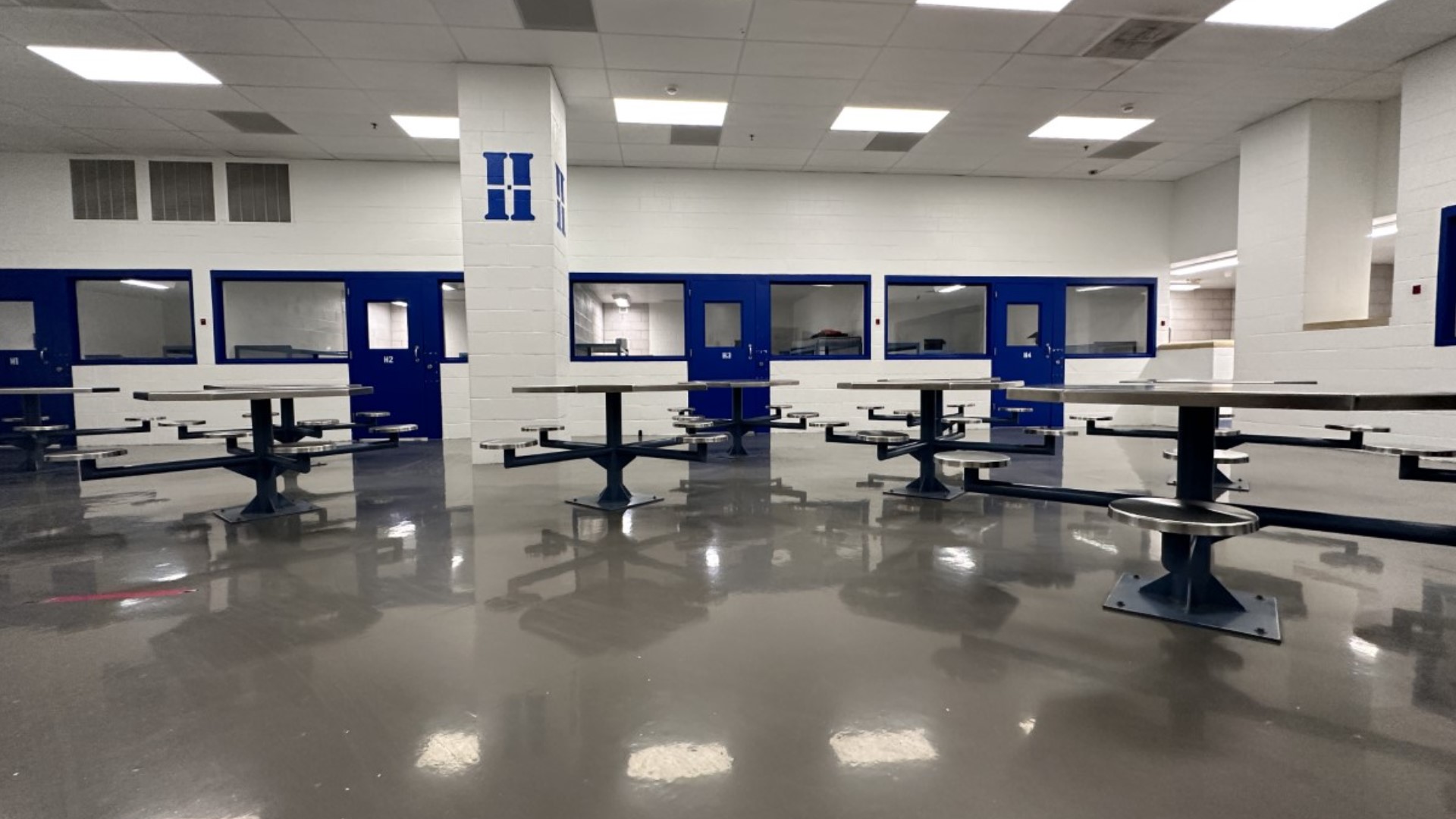
Understanding what happens after a "bust" helps in navigating the search for records. The Williamson County Jail, located at 306 West 4th Street in Georgetown, follows a standardized intake procedure.
- Intake and Search: The individual is brought in, searched, and their personal property is cataloged.
- Medical Screening: A mandatory health assessment is conducted to ensure the safety of the detainee and the facility staff.
- Booking and Fingerprinting: This is when the "busted" record is officially created. Fingerprints are sent to state and federal databases (AFIS).
- Magistration: Within 24 to 48 hours, the individual appears before a magistrate (judge) via video link or in person. The judge informs them of the charges and sets a bond amount.
- Classification: The detainee is assigned to a housing unit based on the severity of the charges and their prior history.
Frequently Asked Questions
How can I find out if someone was arrested in Williamson County today?
To see today's arrests, visit the Williamson County Sheriff’s Office Jail Records search page and filter by the current date. The system updates frequently, but expect a delay of a few hours from the actual time of the arrest to the online posting.
Are mugshots from Williamson County public record?
Yes, mugshots are generally considered public information under the Texas Public Information Act. However, in 2026, access to these photos for commercial "mugshot gallery" purposes is increasingly restricted to prevent predatory practices, though they remain available on official government sites for public safety and transparency.
What should I do if I find an error in a "busted" listing?
If the official county portal contains an error (such as an incorrect spelling or charge), you should contact the Williamson County Records Division immediately. For errors on third-party websites, you may need to provide official court documentation showing the corrected information or the disposition of the case.
How do I pay a bond for someone "busted" in Williamson County?
Bonds can be paid 24/7 at the Williamson County Jail. You can pay a "Cash Bond" for the full amount, which is refundable (minus fees) after the case is closed, or use a "Surety Bond" through a licensed bail bondsman, which typically costs 10-15% of the total bond amount and is non-refundable.
Can I see why someone was arrested without their consent?
Yes. Because arrest records are public documents, any citizen can view the charges against an individual. You do not need the consent of the arrested person to access the jail roster or court records.
Summary of Best Practices for Record Retrieval
When searching for "busted" individuals in Williamson County in 2026, the key is to prioritize official channels. The digital landscape is rife with outdated or predatory sites that may misrepresent the current status of a legal case.
- Verify the County: Ensure you are looking at the correct Williamson County (TX vs. TN).
- Check the Date: Ensure the booking record is the most recent one; many individuals have multiple historical entries.
- Follow Up: An arrest is the start of a process. Use the court's Odyssey Portal to track the case through to its final disposition to ensure you have the full story.
For those seeking legal assistance or further information on specific local ordinances, consulting with a licensed attorney specializing in Central Texas criminal law is highly recommended. The Williamson County Bar Association also provides resources for finding qualified legal counsel to navigate the complexities of the 2026 justice system.
Image Gallery