Why the Prince of Saudi Arabia's Private Jet Matters: Geopolitics, Security, and Global Aviation
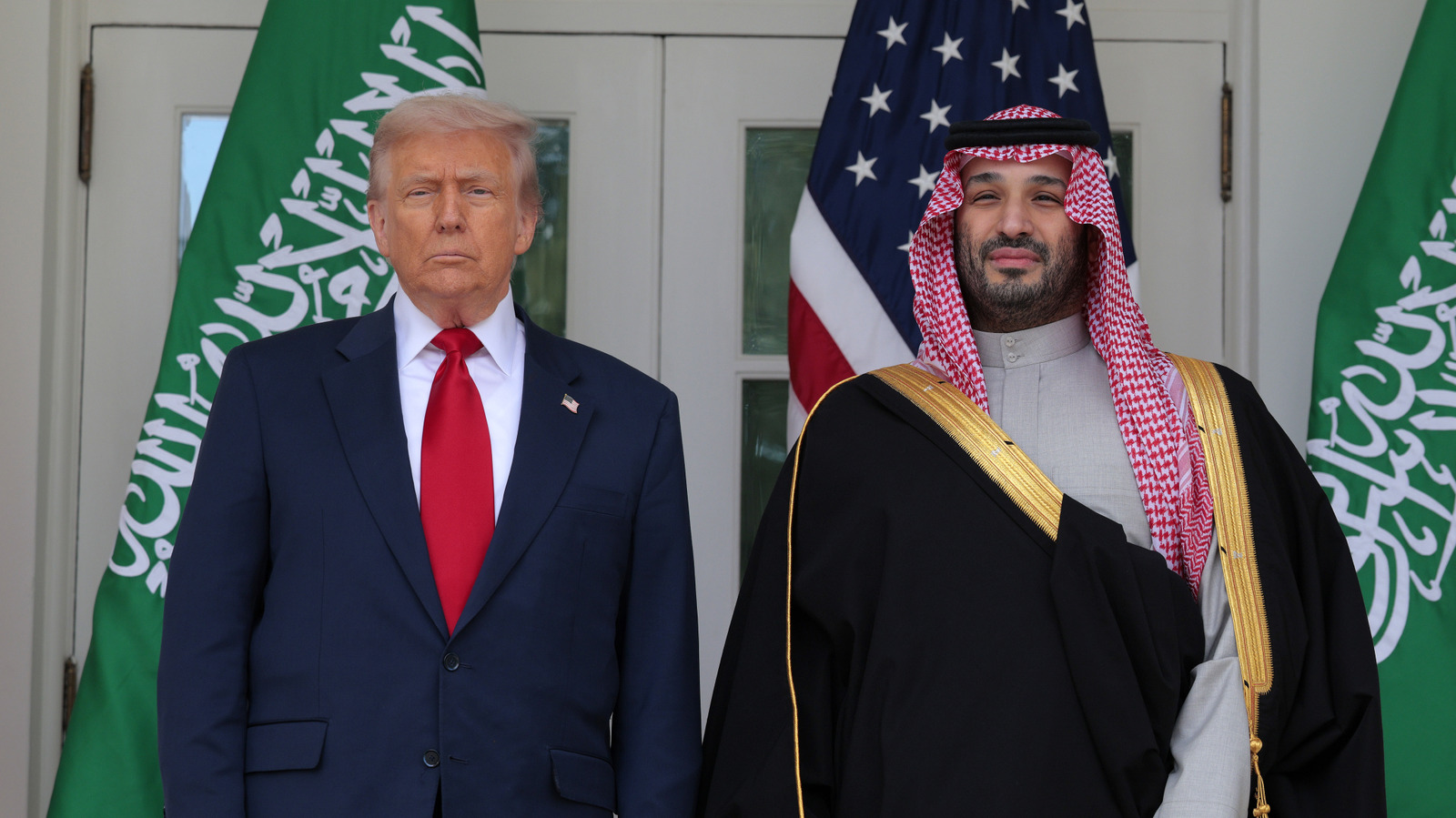
The private jets operated by Saudi princes—most notably Crown Prince Mohammed bin Salman and high-profile royals like Prince Alwaleed bin Talal—serve as mobile command centers, geopolitical instruments, and economic drivers. Far beyond...
The private jets operated by Saudi princes—most notably Crown Prince Mohammed bin Salman and high-profile royals like Prince Alwaleed bin Talal—serve as mobile command centers, geopolitical instruments, and economic drivers. Far beyond mere luxury transport, these ultra-long-range aircraft project sovereign power, ensure secure state communications during international crises, and shape global defense, completion, and maintenance supply chains.
Contents
Decoupling Myth from Reality: The Structure of Saudi Royal Air Transport
To understand why royal private aviation in Saudi Arabia commands international attention, one must first distinguish between state-operated head-of-state transport and privately owned assets. The term "the Prince of Saudi Arabia's private jet" often conflates the official fleet used by Crown Prince Mohammed bin Salman (MBS) with the personal aircraft owned by billionaire members of the House of Saud, such as Kingdom Holding Company founder Prince Alwaleed bin Talal.
Official transport for the King, the Crown Prince, and senior cabinet ministers is managed primarily under the umbrella of the Saudi Royal Flight (frequently integrated with government flight operations and supported by national carriers). This fleet comprises dedicated VVIP widebody aircraft, including custom-configured Boeing 747-8s, Boeing 777-300ERs, and Boeing 787 Dreamliners.
In contrast, private royal family members hold individual assets registered privately or through corporate holding entities across international jurisdictions.
Saudi Royal Aviation Structure:
- Saudi Royal Flight (State Fleet)
- Used by: King, Crown Prince (MBS), Senior Ministers
- Aircraft: Boeing 747-8 BBJ, 777-300ER VIP, 787-9 VIP
- Private Royal Holdings (Individual Fleet)
- Used by: Private Princes (e.g., Kingdom Holding)
- Aircraft: Airbus A340-600 VIP, Boeing 747-400, Gulfstream G650
This dual structure creates a distinct operational reality. While private business jets owned by individual princes reflect personal wealth and international corporate mobility, the state-level royal aircraft operate with military-grade security clearances, diplomatic immunity, and integrated defense architectures. Both categories, however, exert significant influence over aviation economics, international diplomacy, and global surveillance analysis.
Airborne Command and Control: Defense Systems and Secure Communications
When the Crown Prince or senior Saudi leadership travels, the aircraft functions as an airborne continuity-of-government platform. In an region marked by dynamic security challenges, these VVIP aircraft are built to survive electronic warfare threats, missile risks, and communication blackouts.
Advanced Threat Countermeasures
State-operated Saudi royal jets are equipped with defense suites comparable to military command aircraft. While specific defensive loads remain classified, public aviation defense disclosures confirm that long-range head-of-state transports from the Kingdom regularly incorporate:
- Directed Infrared Countermeasures (DIRCM): Laser-based defense systems designed to blind the guidance heads of heat-seeking man-portable air-defense systems (MANPADS).
- Radar Warning Receivers (RWR) and Jamming Suites: Sensor packages that alert flight crews to radar locks and actively jam incoming tracking signals.
- Encrypted Satellite Communications (SATCOM): High-bandwidth, multi-frequency communication arrays operating on military-grade encryption protocols, ensuring unhackable lines to the Ministry of Defense and the Royal Court.
Operational Autonomy and Intercontinental Range
The selection of widebody airframes like the Boeing 747-8 and Boeing 777-300ER allows non-stop travel from Riyadh to major diplomatic destinations, including Washington D.C., Beijing, and Tokyo, without requiring intermediate refueling stops. Eliminating technical stops reduces vulnerability to ground-level security threats and bypasses transit visa and diplomatic overflight complications during times of geopolitical tension.
Geopolitical Power Projection and High-Stakes Diplomacy
In international relations, the arrival of a sovereign leader in a multi-hundred-million-dollar custom widebody jet sends a clear signal of state capability and economic leverage. For Saudi Arabia, the world's largest crude oil exporter and a primary driver of the Gulf region's economic transformation under Vision 2030, private air travel is a core instrument of soft and hard power projection.
Economic Diplomacy and Delegations
When Crown Prince Mohammed bin Salman leads foreign delegations, the state aircraft is accompanied by a network of support planes transporting cabinet ministers, executives from the Public Investment Fund (PIF), trade negotiators, and security personnel.
These flights serve as the tip of the spear for bilateral trade summits. The physical presence of this airborne infrastructure reinforces Saudi Arabia's ability to commit capital to international joint ventures, infrastructure projects, and defense acquisitions on short notice.
Unannounced Statecraft and Crisis Mediation
Private long-range air transport provides diplomatic agility. During regional crises or sensitive bilateral negotiations, leaders can deploy to third-party capitals quietly. Unlike commercial scheduled flights or heavily restricted military transports, state-operated VVIP jets can maneuver within international airspace under diplomatic flight clearances, enabling swift, direct engagement without the extended lead times required by conventional diplomatic channels.
Economic Ripple Effects on the VIP Aviation and Completion Market
The Saudi royal family's aviation requirements heavily influence the global business aviation economy, particularly the ultra-luxury interior completion and Maintenance, Repair, and Overhaul (MRO) sectors.
Economic Footprint of Saudi Royal Aviation:
- Interior Completion Centers (e.g., Lufthansa Technik, Jet Aviation)
- OEM Manufacturers (Boeing Business Jets, Airbus Corporate Jets)
- Specialized MRO & Engineering Support Facilities
- Tactical Defense Integrators & SATCOM Vendors
The VIP Completion Industry
Converting a commercial airframe such as a Boeing 747-8 or Airbus A350 into a flying palace and operational command post is a project costing between $100 million and $300 million beyond the base airframe price. Facilities like Lufthansa Technik in Germany and Jet Aviation in Switzerland rely significantly on contracts from Gulf-based royals and state flight departments.
These custom completions require specialized engineering in several key areas:
- Acoustic Insulation: Reducing cabin noise levels to below 45 decibels to permit executive meetings and rest during intercontinental transit.
- Structural Weight Management: Installing heavy materials—such as real wood veneers, stone countertops, master suites, and specialized medical bays—while maintaining the aircraft's center of gravity and operational range.
- Medical Support Bays: Incorporating intensive-care capabilities, telemetry equipment, and dedicated medical staff seating to safeguard senior leadership in transit.
Supply Chain Impact
The long-term service contracts required to maintain these customized fleets support thousands of aerospace engineering, avionics, and specialized maintenance jobs across Europe and North America. The rigorous maintenance schedules enforced by Saudi state flight operations ensure that these airframes maintain high operational readiness, serving as benchmark projects for original equipment manufacturers (OEMs) like Boeing Business Jets (BBJ) and Airbus Corporate Jets (ACJ).
OSINT, Flight Tracking, and Digital Geopolitics
In recent years, the open-source intelligence (OSINT) community and global news organizations have used real-time flight tracking technology to monitor the movements of royal aircraft. This transparency has elevated the strategic significance of every flight.
ADS-B Exchange and Geopolitical Monitoring
Modern aircraft broadcast their location, altitude, and speed via Automatic Dependent Surveillance-Broadcast (ADS-B) signals to facilitate safe air traffic management. Independent flight-tracking platforms aggregate these unredacted signals, allowing analysts to trace the movements of Saudi state and private jets.
ADS-B Signal Flow:
- Aircraft Avionics
- Unencrypted 1090 MHz
- Ground Receivers / OSINT Networks
- Public Analytics Platforms
Flight data monitoring yields real-time diplomatic insights:
- Diplomatic Realignments: Sudden flights to neutral capitals often indicate unannounced negotiations before official announcements occur.
- Economic Roadshows: Sequences of stops across financial hubs (e.g., London, New York, San Francisco, Singapore) track major investment initiatives by Saudi sovereign funds.
- Verification of Reports: OSINT tracking serves as a factual baseline to verify official statements regarding the location and travel schedules of senior officials.
While state aircraft sometimes use military callsigns or request block lists on commercial tracking sites to protect operational security, ADS-B signals remain visible to ground-based receiver networks worldwide, making royal aviation a key data source for global security analysts.
Key Aircraft Specifications in Saudi Royal and VVIP Aviation
The following table details the key performance metrics and operational roles of the primary widebody aircraft types deployed within Saudi royal state and high-level VVIP operations:
| Aircraft Model | Typical Configuration | Operational Range (nmi) | Primary Strategic Role | Key Security/Avionics Features |
|---|---|---|---|---|
| Boeing 747-8 VIP | State Suite, Meeting Rooms, Medical Bay | ~8,000 | Head-of-State Transport (King / Crown Prince) | DIRCM, Anti-Jam SATCOM, Airborne Command Desk |
| Boeing 777-300ER VIP | High-Capacity VVIP, Cabinet Seating | ~7,300 | Delegation & Ministerial Support | Secure Data Links, Extended ETOPS Certification |
| Boeing 787-9 BBJ | Executive Suite, Lounge, Office Space | ~9,400 | Long-Range Diplomatic Courier / MBS Operations | Advanced Cabin Pressurization, Carbon-Composite Airframe |
| Airbus A340-600 VIP | Private VVIP Custom Interior | ~7,500 | Private Royal Family / Corporate Mobility | Custom Interior Architecture, Multi-Zone Environment |
Environmental Scrutiny and Fleet Modernization
As global climate policy drives tighter scrutiny of corporate and private aviation, the high carbon footprint of widebody VVIP jets has drawn attention from international environmental organizations. Operating a Boeing 747-8 or 777 for executive travel generates significantly higher per-passenger carbon emissions than standard commercial air travel or smaller purpose-built business jets.
In response to global sustainability trends and Saudi Arabia's internal target of reaching net-zero carbon emissions by 2060 under the Saudi Green Initiative, the fleet is undergoing gradual modernization. Key developments include:
- Transition to Carbon-Composite Airframe Platforms: Modernizing fleets with aircraft like the Boeing 787 Dreamliner, which reduces fuel burn and CO₂ emissions by approximately 20% to 25% compared to the older twin-aisle jets it replaces.
- Sustainable Aviation Fuel (SAF) Adoption: Increasing integration of SAF blends for state delegation departures from major international airports equipped with bio-fuel supply infrastructure.
- Optimized Routing Protocols: Utilizing modern flight management software to optimize high-altitude trajectories, reducing fuel burn on transoceanic routes.
Frequently Asked Questions
Does Crown Prince Mohammed bin Salman own his private jet personally?
No. The primary widebody aircraft used by Crown Prince Mohammed bin Salman are owned by the state of Saudi Arabia and operated under the Saudi Royal Flight department or official government aviation channels. While private members of the royal family own personal jets, head-of-state travel uses official government assets.
What security capabilities do Saudi royal jets possess?
Saudi state VVIP aircraft feature advanced defense technologies, including Directed Infrared Countermeasures (DIRCM) to protect against heat-seeking missiles, encrypted satellite communication systems for secure command-and-control operations, and hardened avionics designed to withstand electronic jamming.
Why do Saudi royals use commercial-sized airframes like Boeing 747s instead of traditional business jets?
The large footprint of Saudi foreign delegations requires airframes capable of carrying dozens of advisers, security teams, medical personnel, and cabinet members alongside the principal leader. Additionally, widebody aircraft accommodate advanced secure communications, medical suites, and meeting rooms necessary for long-distance flights.
Can open-source researchers track Saudi royal flights?
Yes. Although state flight operations may use non-standard callsigns or request filtering on commercial tracking websites, the unencrypted ADS-B signals transmitted by these aircraft can be captured by independent receiver networks, allowing open-source intelligence analysts to monitor their routes.
How do Saudi VVIP aircraft impact the global aviation economy?
Saudi royal aviation accounts for a significant share of high-value completion and maintenance contracts worldwide. Retrofitting single widebody airframes with custom VVIP interiors generates hundreds of millions of dollars for specialized engineering firms, supporting niche aerospace manufacturing and MRO ecosystems in Europe and North America.
Strategic Takeaways for Industry and Defense Analysts
The private and state aircraft used by Saudi Arabia's leadership are valuable indicators of diplomatic, economic, and security priorities. For analysts tracking Middle Eastern geopolitical dynamics, monitoring these assets provides clear insights into statecraft:
- Track Diplomatic Intent: Unannounced movements of state widebody aircraft often signal imminent foreign policy moves or high-level economic negotiations before they are formally announced.
- Evaluate Security Postures: The defense and communications equipment fitted to these airframes highlights the security standards required for Gulf leadership mobility.
- Monitor Aerospace Contracting: The retrofit and maintenance cycles of the Saudi VVIP fleet remain a useful economic benchmark for the global specialized aerospace sector.
Understanding the role of Saudi royal aviation requires looking beyond luxury—these aircraft remain an essential operational component of state sovereignty and global political outreach.
Image Gallery