Mastering the Ultimate Expert Escape Room SF Experience in 2026
Expert escape rooms in San Francisco offer high-complexity puzzles, immersive set designs, and strict time limits designed specifically for seasoned players and corporate groups seeking an advanced challenge. Navigating these elite SF...
Expert escape rooms in San Francisco offer high-complexity puzzles, immersive set designs, and strict time limits designed specifically for seasoned players and corporate groups seeking an advanced challenge. Navigating these elite SF venues requires mastering non-linear puzzle architectures, advanced team communication protocols, and sophisticated cryptographic decoding techniques.
Contents
Defining the Expert Escape Room SF Tier
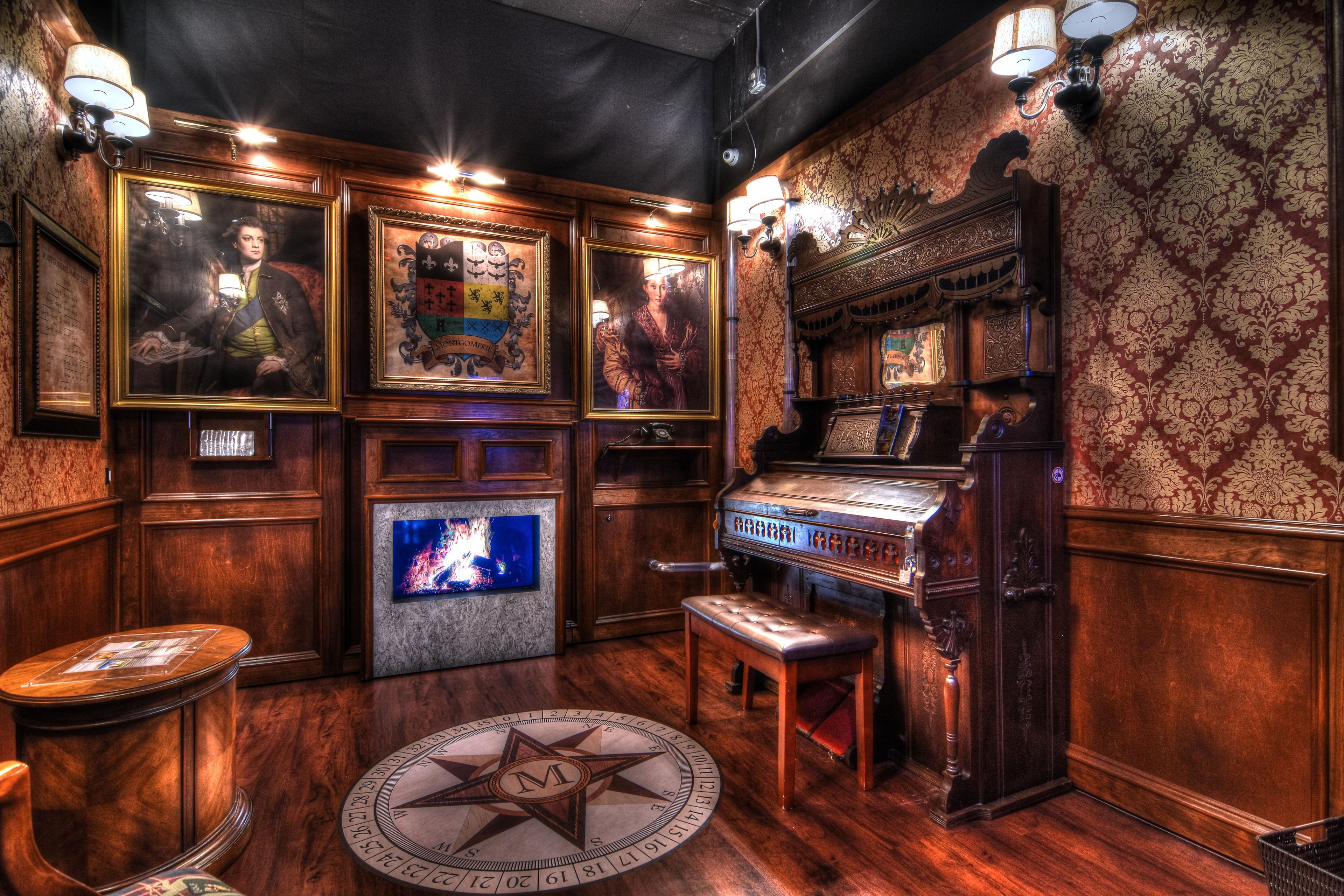
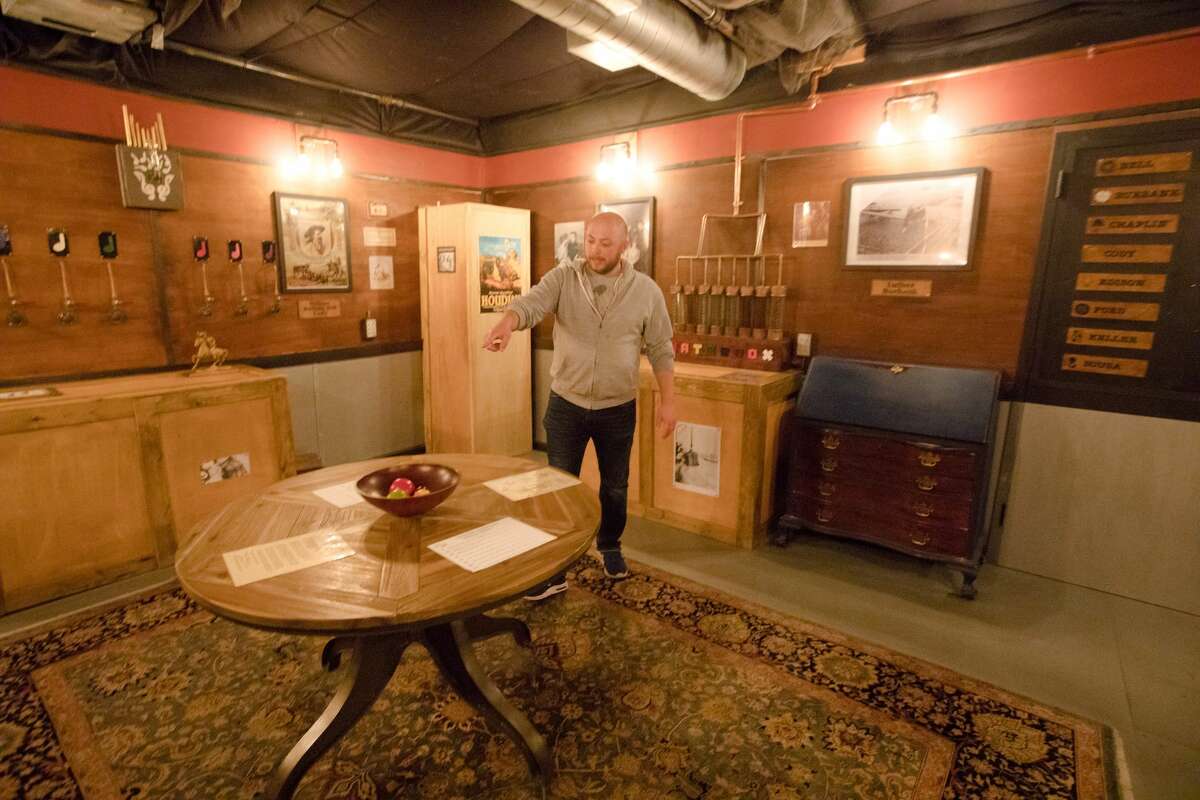
San Francisco hosts one of the most competitive immersive entertainment markets in the United States. While standard rooms cater to casual groups, bachelor parties, and novice tourists with linear puzzle paths and frequent hints, expert-tier escape rooms elevate the medium. These experiences feature success rates below 20%, expansive multi-room footprints, physical manipulation tasks, and thematic integrations driven by professional actors or complex automation.
To qualify as an expert escape room in the San Francisco Bay Area, facilities must meet specific design standards:
- Non-Linear Progression: Multiple puzzles must be solvable simultaneously, demanding that teams split up and manage parallel workflows.
- Red Herrings and Noise: Environments contain deliberate distractions, false clues, and environmental clutter that require rigorous critical thinking to filter out.
- Advanced Mechanics: Integration of custom microcontrollers, RFID technology, acoustic sensors, and complex mechanical linkages rather than standard four-digit padlock combinations.
- Physical and Mental Endurance: Puzzles that require dexterity, spatial awareness, memory retention, and sustained concentration over a mandatory 60-to-90-minute window.
Top Expert Venues and Neighborhood Context in San Francisco
The Bay Area features several standout operators specializing in high-difficulty immersive entertainment. Understanding the local geographic context helps enthusiasts plan logistics, parking, and team arrivals effectively.
| Venue Name | Primary Location | Notable Expert Experience | Average Success Rate | Technology Profile |
|---|---|---|---|---|
| Palace Games | Palace of Fine Arts (Marina District) | The Roosevelt Asylum / The Edison Test | 15% - 22% | Heavy custom electronics, mechanical engineering, historical themes |
| Real Escape Games SF | Japantown / Western Addition | Various seasonal advanced scenarios | 18% - 25% | Classic lock-and-key combined with high-concept narrative logic |
| Maze Rooms SF | SoMa / Financial District | Futuristic and sci-fi high-tech rooms | 20% - 28% | Laser grids, sensor arrays, automation |
| Omescape | Sunnyvale (South Bay Extension) | Kingdom of Cats / The Penitentiary | 12% - 20% | Massive multi-room sets, physical endurance tasks |
When booking an expert room near the Marina or Financial District, allow at least 45 minutes for parking or rideshare transit. San Francisco traffic patterns and limited street parking can easily compromise a strict team arrival window, which often results in forfeited bookings or shortened game times.
Essential Prerequisites for Elite Teams
Stepping into an expert escape room without preparation guarantees failure. Advanced venues do not hold your hand; game masters observe silently and intervene only when safety is compromised.
Team Composition and Role Specialization
Successful expert teams operate like specialized tactical units. Assigning unstructured roles leads to communication bottlenecks and wasted time.
- The Captain / Project Manager: Tracks overall game state, monitors time remaining, and decides when to abandon a failing puzzle line.
- The Logistics Coordinator: Manages inventory, collects loose items, ensures small props find their correct pairing locations, and organizes loose notes.
- The Cryptographer / Pattern Matcher: Focuses on symbolic logic, substitution ciphers, numerical sequences, and linguistic puzzles.
- The Technical Specialist: Interacts with physical machinery, wiring, spatial layouts, and mechanical triggers.
Communication Protocols
Chaos destroys escape room momentum. Expert teams utilize concise callouts:
- Announce discoveries immediately ("I found a UV flashlight under the desk").
- State when a puzzle is actively being worked on ("I am testing combinations on the brass lock").
- Confirm when a resource has been exhausted ("This gear ratio has been checked; it does not fit the west wall").
Step-by-Step Strategic Playbook for High-Difficulty Rooms
Mastering an expert room requires a disciplined, repeatable methodology from the moment the door locks behind your team.
- Conduct an Immediate, Aggressive Search (The First 5 Minutes): Do not read every piece of text immediately. Sweep the entire room systematically. Look under rugs, inside light fixtures, behind loose baseboards, and inside every pocket of props. Consolidate every movable item onto a central staging table.
- Catalog and Categorize Clues: Sort items by type—keys, physical tokens, numerical codes, written notes, and mechanical tools. Establish a shared understanding of what tools are currently available versus what locks remain closed.
- Map Out Parallel Workstreams: Assign sub-teams to distinct puzzles based on initial discoveries. If Puzzle A requires a symbol decoder and Puzzle B requires an audio analysis, two independent pairs must work simultaneously without overlapping until convergence points are reached.
- Test Hypotheses Methodically: When facing combination locks, avoid random guessing. Document tried combinations on a whiteboard or notepad. For multi-stage locks, verify that all input variables have been correctly gathered before attempting entry.
- Manage Time Milestones: Establish rigid time benchmarks. For a 60-minute game, your team should ideally breach the second major room or narrative act by the 30-minute mark. If you spend more than 12 minutes on a single dead-end puzzle, call for a strategic hint or pivot entirely.
Pros and Cons of Expert Escape Rooms
Before booking a high-difficulty experience, evaluate whether your team possesses the patience, resilience, and collaborative skill set required.
Advantages
- Deep Immersion: High budgets allow for movie-quality set dressing, authentic historical artifacts, and compelling storytelling.
- True Sense of Accomplishment: Escaping a room with a sub-20% success rate delivers a genuine dopamine rush and validates team chemistry.
- Advanced Intellectual Stimulation: Puzzles avoid cliché tropes, offering novel cryptographic and physical challenges.
Disadvantages
- Frustration Potential: Poor communication can lead to gridlock, arguments, and an expensive, unsatisfying experience where half the room goes unseen.
- Physical Demands: Many expert rooms require crawling through tight spaces, standing for extended periods, or manipulating heavy components.
- Cost Prohibitive: Premium venues in San Francisco often command higher ticket prices per person due to the sheer scale of the sets and technology involved.
Troubleshooting Common Expert Room Mistakes
Even experienced groups fall victim to predictable cognitive traps. Recognizing these pitfalls keeps your run on track.
Confirmation Bias: Teams often try to force a clue to fit a preconceived theory rather than letting the evidence dictate the solution. If a code does not work after two logical attempts, step back, discard your assumption, and re-read the prompt.
Tunnel Vision: Focusing entirely on one glittering mechanical prop while ignoring a basic physical key sitting in plain sight on a bookshelf. Always audit your inventory when progress stalls.
Information Silos: One player discovers a crucial piece of text and keeps it to themselves while pondering it silently. Every discovery must be shouted out and shared with the group immediately.
Frequently Asked Questions
What makes an escape room "expert" level compared to standard rooms?
Expert escape rooms feature non-linear puzzle architectures, low success rates under 20%, complex automation, and minimal guidance from game masters. They require teams to manage multiple parallel tasks and solve sophisticated cryptographic or mechanical challenges.
How many people should be on a team for an expert SF escape room?
Most expert venues in San Francisco recommend a full team capacity—typically 4 to 8 players—depending on the room's physical footprint. Too few players make parallel workflows impossible, while overcrowding can cause communication bottlenecks.
Are expert escape rooms suitable for corporate team building?
Yes, expert escape rooms are exceptional for corporate groups, engineering teams, and leadership offsites in San Francisco. They test project management, crisis communication, and collaborative problem-solving under extreme time pressure.
Should we use hints if we get stuck?
Using hints is a strategic decision rather than a failure. If your team has spent more than 10 uninterrupted minutes on a single puzzle without making logical progress, requesting a targeted nudge preserves your remaining time for the rest of the experience.
Do expert escape rooms require physical exertion?
Some advanced rooms in the Bay Area incorporate physical elements such as crawling, reaching into dark compartments, or operating mechanical levers. Review the venue's accessibility guidelines and waiver details before booking if team members have mobility limitations.
Secure Your Booking
Ready to test your team's mettle against San Francisco's most challenging immersive environments? Review venue schedules, assemble your specialized squad, and book your expert escape room experience in the Bay Area today to claim bragging rights.
Image Gallery