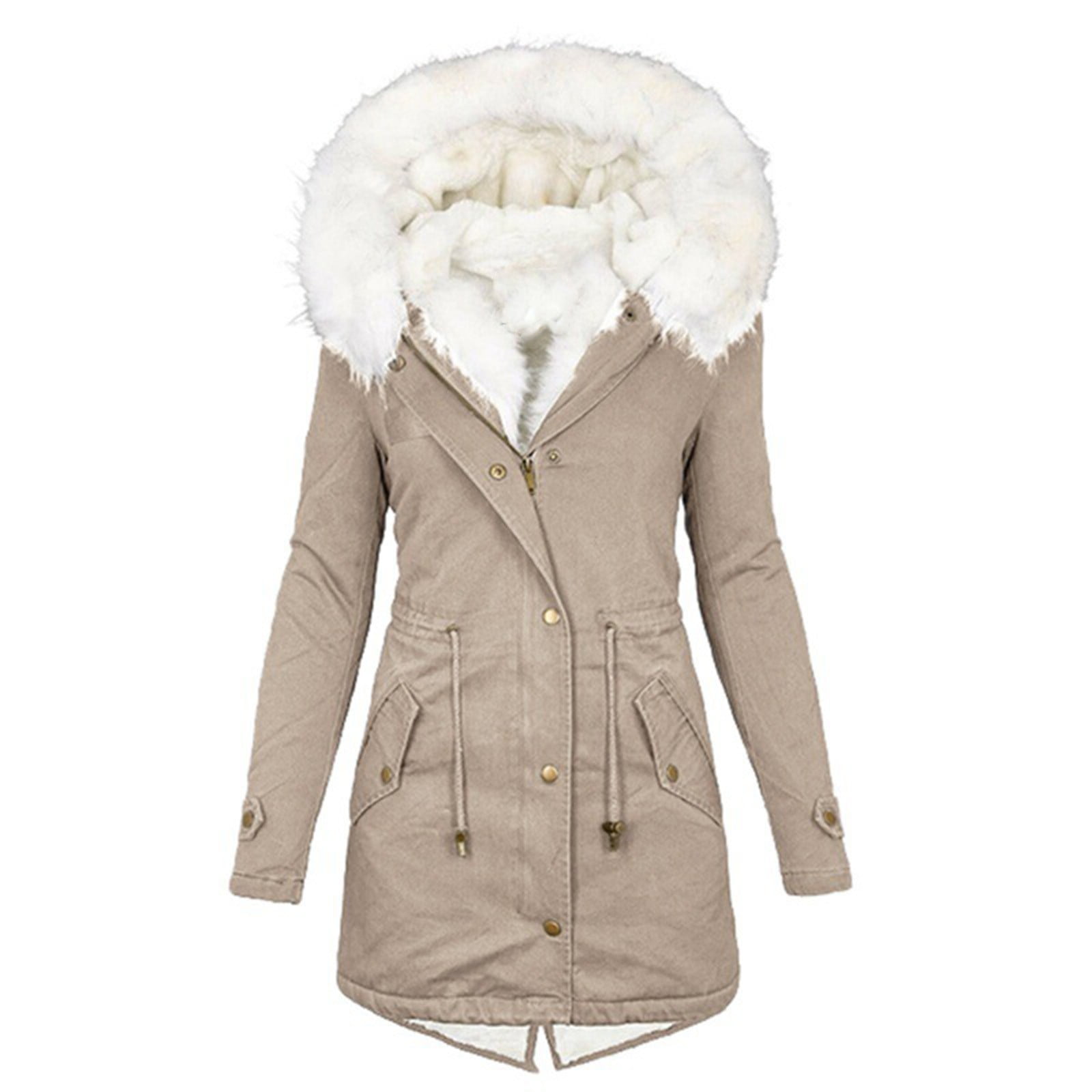
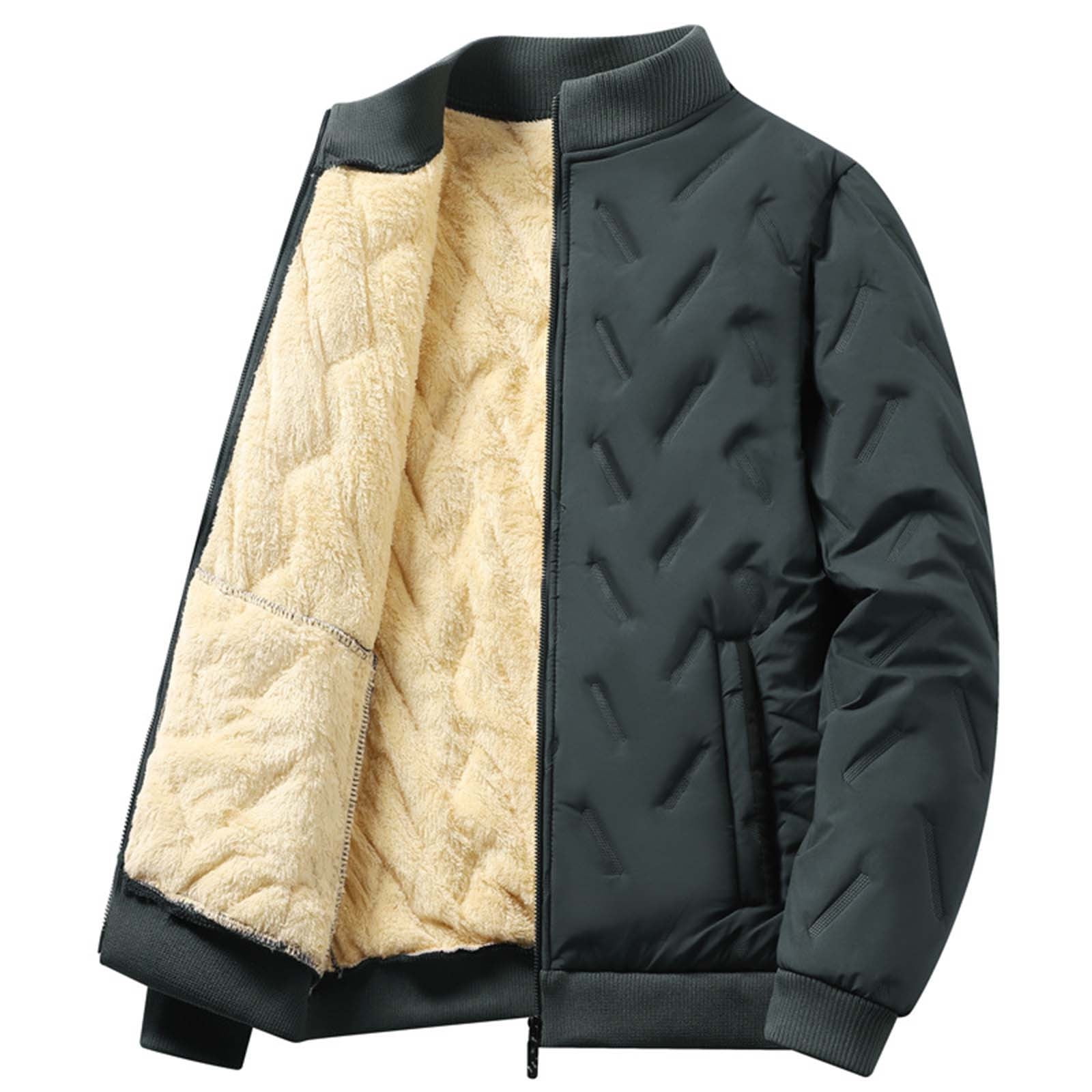
Are Warm Jackets for the Winter Worth the Price?
Investing in a high-end winter jacket can be a financial commitment, but premium weatherproofing, advanced insulation technologies, and long-term durability typically justify the higher price tag for individuals regularly exposed to ha...
Investing in a high-end winter jacket can be a financial commitment, but premium weatherproofing, advanced insulation technologies, and long-term durability typically justify the higher price tag for individuals regularly exposed to harsh, cold climates.
Contents
When winter temperatures plummet, the search for reliable outerwear becomes a priority. Consumers are routinely faced with a stark financial contrast: budget-friendly fashion jackets priced under $50 versus technical mountaineering and urban expedition coats stretching past $500 or even $1,000. Deciding whether expensive winter coats are genuinely worth the price requires moving past brand marketing and examining the engineering, materials, and long-term performance that separate a cheap seasonal garment from a lifetime investment.
Understanding the True Cost of Winter Outerwear
The sticker shock of premium winter jackets often raises questions about what consumers are actually paying for. While designer labels add a markup, the price of a high-end technical jacket is primarily driven by raw materials, specialized labor, rigorous testing, and research and development.
Budget jackets often cut corners on internal components, utilizing low-grade synthetic insulation, loose stitching, and porous outer shells treated with temporary water-resistant coatings. These garments may suffice for brief commutes or mild climates, but they degrade rapidly under stress. Conversely, premium brands invest in proprietary waterproof-breathable membranes, ethically sourced high-fill-power down, and heavy-duty hardware like YKK zippers that withstand thousands of cycles without failing.
When evaluating cost-per-wear, an expensive jacket often proves more economical over time. A $600 jacket designed to last for a decade costs roughly $60 per year. If a budget $75 jacket loses its structural integrity, leaks moisture, or suffers a broken zipper after a single season, replacing it annually becomes more expensive in the long run while generating unnecessary textile waste.
Insulation Technologies: Down Versus Synthetic
The core function of any winter jacket is thermal regulation. The insulation type dictates warmth-to-weight ratio, performance in wet weather, and overall longevity.
Natural Down Insulation
Down—the fluffy under-plumage of ducks or geese—remains the gold standard for pure warmth-to-weight efficiency. The quality of down is measured by its fill power, which indicates the volume in cubic inches that one ounce of down occupies. Fill powers range from 550 to over 900. Higher fill power means the down traps more air relative to its weight, creating a lighter, more compressible, and warmer garment.
- Pros: Exceptional warmth, highly compressible, lightweight, and long-lasting if properly maintained (often 10–20 years).
- Cons: Loses insulating ability when thoroughly soaked with water, requires specialized laundering, and commands a high price point. (Note: Many modern premium down jackets feature hydrophobic treatments to mitigate moisture absorption).
Synthetic Insulation
Synthetic alternatives, often made from fine polyester fibers, mimic the loft of down. Brand-name synthetics such as PrimaLoft or Thinsulate are engineered to trap body heat effectively even when damp.
- Pros: Retains warmth when wet, dries quickly, is hypoallergenic, is generally less expensive, and is easier to wash at home.
- Cons: Heavier and bulkier for the same level of warmth, compresses over time, and has a shorter overall lifespan than natural down (typically 3–7 years).
| Insulation Type | Warmth-to-Weight Ratio | Performance in Wet Conditions | Lifespan | Typical Price Range |
|---|---|---|---|---|
| High-Fill Down (700+ FP) | Exceptional | Poor (unless treated) | 10–20+ Years | $300 – $1,000+ |
| Standard Down (550–650 FP) | Good | Poor (unless treated) | 5–10 Years | $150 – $350 |
| Premium Synthetic | Moderate | Good | 5–8 Years | $150 – $400 |
| Budget Synthetic | Low to Moderate | Moderate | 1–3 Years | $40 – $100 |
Outer Shells, Weatherproofing, and Construction Quality
An effective winter jacket must block wind and repel moisture. Windchill drastically accelerates heat loss; if cold air penetrates the outer fabric, even the thickest insulation becomes ineffective.
Premium jackets utilize tightly woven face fabrics, often reinforced with ripstop nylon or polyester, coupled with waterproof-breathable membranes like Gore-Tex or proprietary equivalents. These membranes feature microscopic pores that prevent liquid water droplets from entering while allowing sweat vapor to escape, preventing internal dampness during physical activity.
Construction details further separate premium garments from cheap alternatives:
- Seam Taping: Fully taped or welded seams prevent water from seeping through needle holes. Budget jackets may only tape critical shoulder seams or omit it entirely.
- Baffle Construction: For down jackets, sewn-through baffles allow cold spots to form at the stitch lines. Premium jackets use box-wall baffle construction, creating tiny internal walls that allow the down to loft fully without compressed cold zones.
- Storm Flaps and Cuffs: Adjustable hook-and-loop wrist cuffs, internal stretch gaskets, and double-storm flaps over main zippers block drafts from entering.
Evaluating Value: When is an Expensive Jacket Worth It?
Not every consumer requires a expedition-grade parka. Determining whether a warm winter jacket is worth the price depends heavily on lifestyle, local climate, and intended use.
High-Value Scenarios
- Severe Winters: Individuals living in regions with sub-freezing temperatures, heavy snowfall, and biting winds (such as the Upper Midwest, New England, Canada, or Northern Europe) rely on heavy-duty outerwear for daily survival and comfort.
- Extended Outdoor Exposure: Public transit commuters who wait outdoors for extended periods, dog owners, and winter outdoor enthusiasts (hikers, snowshoers) benefit immediately from superior thermal retention and weatherproofing.
- Longevity Seekers: Buyers who prefer purchasing a single durable item rather than replacing cheap garments every few years save money and resources over time.
Low-Value Scenarios
- Mild Climates: In regions where winter temperatures rarely drop below freezing and rain is more common than snow, a heavy down parka is unnecessary and uncomfortably warm. A versatile rain shell with a lightweight fleece liner is a more practical investment.
- Short Urban Commutes: If daily exposure to the elements consists of a brief walk from a garage to a heated office building, a mid-layer sweater under a standard wool coat or lightweight jacket is usually sufficient.
Common Mistakes When Buying Winter Outerwear
Purchasing a winter jacket involves navigating aggressive marketing and confusing technical specifications. Avoiding common pitfalls ensures you spend your money wisely.
- Buying Solely for Brand Aesthetics: Paying for a luxury fashion label without verifying insulation fill power or waterproof ratings often results in a jacket that looks good in mild weather but fails in a blizzard.
- Ignoring Layering Room: Buying a jacket tailored too tightly restricts movement and prevents the air circulation needed for insulation. Always test a jacket with the thickest sweater or fleece you plan to wear underneath.
- Overlooking Care Requirements: Natural down jackets require specific washing and drying instructions (often involving tumble-drying with clean tennis balls to restore loft). Failing to follow these instructions can ruin expensive insulation.
- Confusing Water-Resistant with Waterproof: A jacket treated with a DWR (Durable Water Repellent) coating will shed light drizzle, but prolonged heavy rain will saturate the fabric. True waterproof jackets require a physical membrane and taped seams.
Frequently Asked Questions
Do I need a down jacket, or is synthetic better for everyday winter wear?
Down offers superior warmth and packs down smaller, making it ideal for dry, freezing conditions. Synthetic insulation is better if you live in a wet climate where sleet and freezing rain are common, as it maintains its insulating properties when damp and is easier to wash.
What does "fill power" mean when looking at down jackets?
Fill power measures the fluffiness and insulating efficiency of down. A higher number (such as 800 compared to 550) indicates that the down traps more air per ounce, providing greater warmth with less weight and bulk.
Are expensive waterproof membranes like Gore-Tex really necessary?
For heavy rain, wet snow, and high-wind environments, premium waterproof-breathable membranes are worth the cost because they prevent internal moisture buildup. For dry, cold snow climates, a tightly woven, wind-resistant non-membrane fabric is often sufficient and more breathable.
How can I make my winter jacket last longer?
Follow the manufacturer's care label precisely. Wash down jackets using specialized technical wash detergents rather than harsh household soaps, and dry them thoroughly on low heat with dryer balls to prevent clumping. Store them uncompressed in a dry closet during the off-season.
Is a heavy jacket always warmer than a layering system?
Not necessarily. A modular system—consisting of a moisture-wicking base layer, an insulating mid-layer (like fleece or down), and a windproof/waterproof outer shell—often provides better thermal regulation because you can add or remove layers as your activity level changes.
Conclusion and Next Actions
Warm winter jackets are indeed worth the price for individuals facing harsh climates, extended outdoor exposure, or those seeking multi-year durability. If your daily life involves braving freezing temperatures and severe weather, investing in quality down or high-grade synthetic insulation, robust windproofing, and solid construction delivers tangible comfort and long-term financial value.
Before making a purchase, assess your local climate, daily transit habits, and fit requirements. Check garment specifications for fill power, insulation type, and shell construction rather than relying on brand reputation alone. By matching the technical specifications of the jacket to your actual environmental needs, you ensure your investment provides reliable warmth season after season.
Image Gallery