When an Apt vs House Decision Works for You: A Comprehensive Housing Guide
An apartment decision works best when you prioritize lower maintenance responsibilities, predictable monthly expenses, urban proximity, and location flexibility. Conversely, choosing a single-family house works best when your priority...
An apartment decision works best when you prioritize lower maintenance responsibilities, predictable monthly expenses, urban proximity, and location flexibility. Conversely, choosing a single-family house works best when your priority is maximizing space, building long-term fee-simple equity, securing private outdoor areas, and exercising complete autonomy over property modifications and structural customization.
Contents
Disclaimer: Real estate decisions involve significant financial commitments. Housing markets, tax implications, and financing terms vary by jurisdiction. This guide is for educational purposes; consult a licensed real estate broker, mortgage professional, or financial advisor for personalized guidance.
Key Financial Considerations: Capital Outlay and Ongoing Costs
Evaluating whether an apartment or a single-family house fits your current situation requires analyzing both initial liquidity requirements and long-term operational expenses. While headline purchase prices or monthly rent figures provide a baseline, the structural distribution of costs differs significantly between multi-unit apartments and detached dwellings.
Initial Entry Barriers and Capital Deployment
Acquiring or leasing an apartment generally requires lower upfront capital than purchasing a single-family home. For renters entering an apartment, initial cash outlay is typically limited to a security deposit, first month's rent, and nominal administrative fees. For apartment buyers (such as condominium purchasers), down payments often mirror standard mortgage guidelines, but overall purchase prices per unit in urban centers vary widely relative to square footage.
Purchasing a single-family house demands substantial upfront liquidity. In addition to a down payment—which typically ranges from 3% to 20% of the purchase price—buyers must cover closing costs, title insurance, home inspection fees, and initial property escrow deposits. Furthermore, single-family buyers must maintain an immediate emergency cash reserve to handle unexpected structural repairs, such as roof leaks or HVAC failures, that may arise shortly after taking title.
Recurring Upkeep vs. Fixed HOA and Maintenance Fees
The recurring expense model of an apartment contrasts sharply with that of a house:
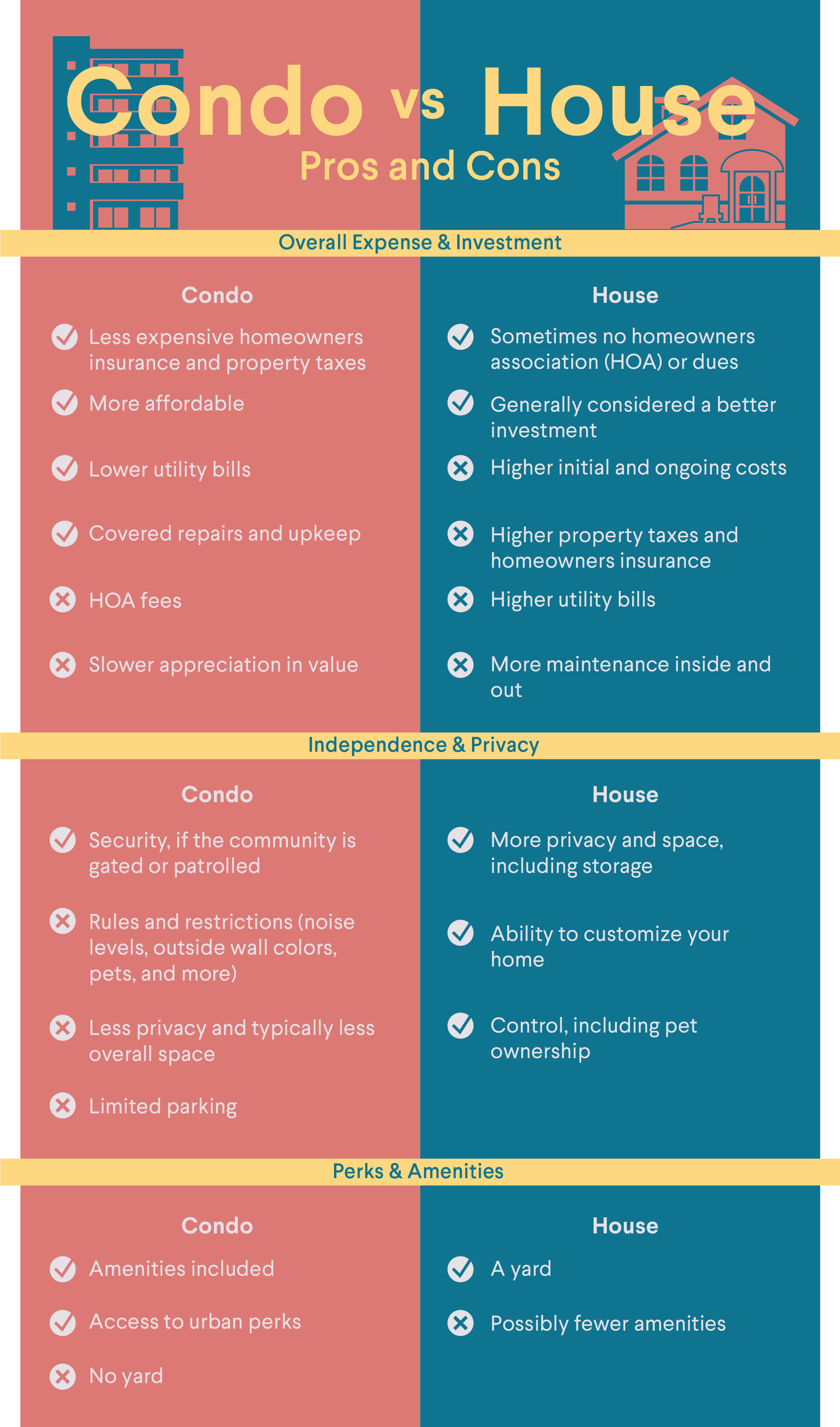
- Apartments and Condominiums: Monthly operational costs are structured through rent or Homeowners Association (HOA) dues. In rented apartments, the landlord absorbs structural repair costs, major appliance replacements, and building maintenance. For condominium owners, HOA dues cover common element maintenance (such as elevators, roofing, and shared utilities), landscaping, and building insurance. While HOA fees provide predictable maintenance management, buyers face the risk of special assessments if the HOA reserve fund is underfunded when major repairs become necessary.
- Single-Family Houses: Single-family homeowners retain full responsibility for all capital expenditures (CapEx) and ongoing repairs. Industry standards suggest budgeting between 1% and 3% of the home's total value annually for routine maintenance and long-term structural reserves. While a homeowner avoids monthly HOA fees (unless located within a master-planned community), financial outlay is highly variable and unpredictable, with single repair events often costing thousands of dollars.
Operational and Maintenance Responsibilities
The decision between an apartment and a house deeply impacts your daily lifestyle and routine time allocation. Property management duties dictate how much leisure time must be converted into physical upkeep or oversight.
Exterior and Structural Maintenance Overhead
Apartment living delegates exterior property care to building management or property management companies. Tasks such as snow removal, lawn care, gutter cleaning, exterior painting, and mechanical system maintenance are managed externally. This operational model works exceptionally well for professionals with demanding careers, frequent travel schedules, or physical limitations that make home maintenance impractical.
Single-family homeownership requires active management of exterior systems. Homeowners must maintain the roof, foundation, siding, driveways, drainage systems, and land surrounding the home. Neglecting these areas can lead to property degradation, loss of asset value, and potential municipal code violations. For individuals who enjoy hands-on property upkeep, gardening, and physical maintenance tasks, a house offers direct stewardship over the physical asset.
Lifestyle Autonomy and Property Customization
Autonomy over your living environment differs fundamentally across housing types:
- Apartment Living (Condo / Rental)
- Subject to CC&Rs / Lease Terms
- Restricted Alterations (Walls, Exterior, Fixtures)
- Shared Wall Noise / Common Area Rules
- High Operational Convenience (Turn-key)
- Subject to CC&Rs / Lease Terms
- Single-Family House (Fee-Simple)
- Complete Title Autonomy
- Full Architectural & Interior Customization
- Structural Expansions (Subject to Zoning)
- Private Use of Land and Outbuildings
- Complete Title Autonomy
Apartment residents operate under lease agreements or condominium Covenants, Conditions, and Restrictions (CC&Rs). These documents govern cosmetic modifications, pet policies, noise thresholds, sub-leasing rights, and parking usage. While these restrictions protect building standards, they limit absolute personal freedom within the property.
Single-family homeowners holding fee-simple title enjoy broad autonomy over their interior and exterior space, limited only by local zoning codes, municipal building permits, and optional community guidelines. Homeowners can renovate floor plans, add living space, landscape freely, install specialized equipment (such as EV chargers or solar arrays), and host events without navigating shared-building policies.
Life Stage, Spatial Needs, and Location Trade-Offs
Choosing between an apartment and a house requires aligning housing features with your life stage, career trajectories, family structure, and daily transportation requirements.
Urban Proximity and Commute Efficiency
Apartments are disproportionately concentrated in dense urban cores and transit-oriented developments. Selecting an apartment decision works best when proximity to business centers, cultural amenities, walkable retail, and public transit reduces reliance on personal vehicle ownership. Minimizing daily commute times improves personal schedule flexibility and reduces transportation expenses.
Single-family housing stock is predominantly located in suburban and rural environments where land costs permit lower-density development. Choosing a house often entails a trade-off: accepting longer commute times or reliance on personal vehicles in exchange for lower cost per square foot of living space.
Outdoor Space, Privacy, and Household Expansion
Spatial layout remains one of the clearest differentiators in housing selection:
- Privacy Levels: Apartment living involves shared walls, corridors, floors, and ceilings, which elevates background ambient noise and common-area interactions. Single-family houses provide spatial separation from neighbors, enhancing acoustic privacy and personal space.
- Outdoor Living: Apartments typically feature modest private balconies or shared community courtyards. Single-family homes offer private yards, enabling dedicated spaces for children, pets, private gardening, outdoor recreation, and swimming pools.
- Household Scaling: Single-family homes provide expandable square footage, multiple bedrooms, garage storage, and dedicated work-from-home space, accommodating growing families or multi-generational living arrangements far more easily than typical urban apartments.
Comparing Apartment Living vs. House Ownership
The following comparison details key operational, financial, and structural trade-offs between selecting an apartment or a single-family house:
| Decision Parameter | Apartment (Rented or Condo) | Single-Family House (Fee-Simple) |
|---|---|---|
| Initial Upfront Capital | Low to Moderate (Deposit or Standard Down Payment) | High (Down Payment, Closing Costs, Emergency Reserves) |
| Maintenance Burden | Minimal (Handled by Landlord or HOA) | High (Full responsibility for interior and exterior CapEx) |
| Monthly Cost Stability | High (Fixed Rent or Stable Mortgage + HOA) | Variable (Mortgage plus fluctuating repair/CapEx costs) |
| Architectural Autonomy | Restricted (Subject to Lease or CC&Rs) | High (Subject only to local zoning and permits) |
| Private Outdoor Area | Minimal (Balconies or shared amenities) | Extensive (Private yards, decks, and land usage) |
| Location Profile | Urban centers, high walkability, transit-adjacent | Suburban/rural corridors, lower density, auto-dependent |
| Long-Term Equity Creation | Zero (if renting); Moderate (if condo) | High potential fee-simple land and asset equity growth |
| Noise & Spatial Privacy | Shared walls/floors; higher ambient interaction | Independent structure; maximum acoustic privacy |
Common Financial and Operational Pitfalls to Avoid
When evaluating whether an apartment vs. house decision works for your situation, avoid these common analytical oversights:
- Underestimating HOA Special Assessments: Buying a condo apartment based solely on current monthly HOA dues can lead to financial strain. If the homeowners association fails to maintain an adequate reserve fund, owners may receive sudden multi-thousand-dollar special assessments to fund major building updates like roof replacements or elevator modernization. Review association reserve studies carefully before purchasing.
- Ignoring the True Cost of House Ownership: Prospective home buyers often compare mortgage principal and interest payments directly against their current rent. This comparison ignores property taxes, home insurance premiums, utility cost differentials (heating a large house versus a compact apartment), landscaping expenses, and mandatory structural reserves.
- Overlooking Resale and Market Liquidity: Single-family homes in strong school districts typically hold consistent resale demand. Condominiums and urban apartments can experience greater price volatility during real estate downturns, especially in markets with significant ongoing multi-family construction supply.
- Misjudging Lifestyle Adaptability: Purchasing a house solely because it seems like the next expected life milestone—despite personal preference for urban walkability and low maintenance—often results in dissatisfaction with ongoing yard work, long commutes, and home upkeep tasks.
Frequently Asked Questions
Is buying an apartment (condo) a good long-term equity strategy compared to a house?
Buying a condo builds home equity compared to renting, but single-family homes historically appreciate faster over long periods. Single-family homes derive value from both the building and the underlying land. Land in desirable locations appreciates as availability decreases, whereas condos own a proportional share of common land and face competition from new multi-family developments.
How do I know if I am financially ready to transition from an apartment to a house?
You are generally ready to transition when you possess a stable income, a complete down payment, additional liquid cash for closing costs, and a separate emergency fund equal to 3–6 months of living expenses plus 1–2% of the home's purchase price reserved for home repairs. Additionally, your total debt-to-income (DTI) ratio should comfortably support property taxes and home insurance.
Does an apartment decision make sense for a growing family?
Yes, an apartment decision works well for growing families if the property offers sufficient square footage, multi-bedroom layouts, access to nearby public parks, and access to strong local schools. Many urban families prioritize reduced commute times and proximity to cultural amenities over private yard space.
What is the 1% maintenance rule for single-family homes?
The 1% rule is a standard budgeting baseline suggesting homeowners set aside at least 1% of the property's total purchase price each year to fund ongoing upkeep and long-term capital replacements. For example, a $400,000 home requires a $4,000 annual maintenance and CapEx budget.
Can renting an apartment be financially smarter than buying a house?
Yes. Renting an apartment can be financially advantageous when the total cost of owning a home (interest, taxes, insurance, maintenance, opportunity cost of capital) significantly exceeds local rent levels. If the cost savings from renting are consistently invested in diversified market portfolios, individuals can build substantial wealth without real estate illiquidity.
Next Steps: Making Your Housing Decision
To determine whether an apartment or single-family house decision works best for your current profile, follow this systematic evaluation process:
- Calculate Total Cost of Occupancy: Calculate the comprehensive monthly outlay for both options. Compare apartment costs (Rent/Mortgage + HOA dues + renter's/condo insurance + unit utilities) directly against single-family ownership costs (Mortgage PITI + 1–2% maintenance reserve + expanded utilities + yard maintenance).
- Audit Your Time and Skills: Honestly evaluate the time you are willing to invest in property management. If weekend lawn care, system repairs, and contractor oversight conflict with your lifestyle preferences, an apartment provides immediate lifestyle efficiencies.
- Evaluate Your 5-Year Horizon: If your career trajectory, marital status, or family size will require relocation within three to five years, renting an apartment avoids the high transactional friction costs (agent commissions, transfer taxes, closing fees) associated with buying and selling real estate.
- Review Financing and Legal Documents: If buying a condo apartment, demand and review the HOA balance sheet, reserve study, and meeting minutes to detect impending special assessments. If buying a house, commission a full professional inspection to identify pending structural expenditures.
Image Gallery