How a Builder Franchise Works: A Comprehensive Guide to the Business Model
A builder franchise works by granting an independent operator the right to use a parent company’s established brand, construction systems, and business processes in exchange for initial fees and ongoing royalties. The franchisor provid...
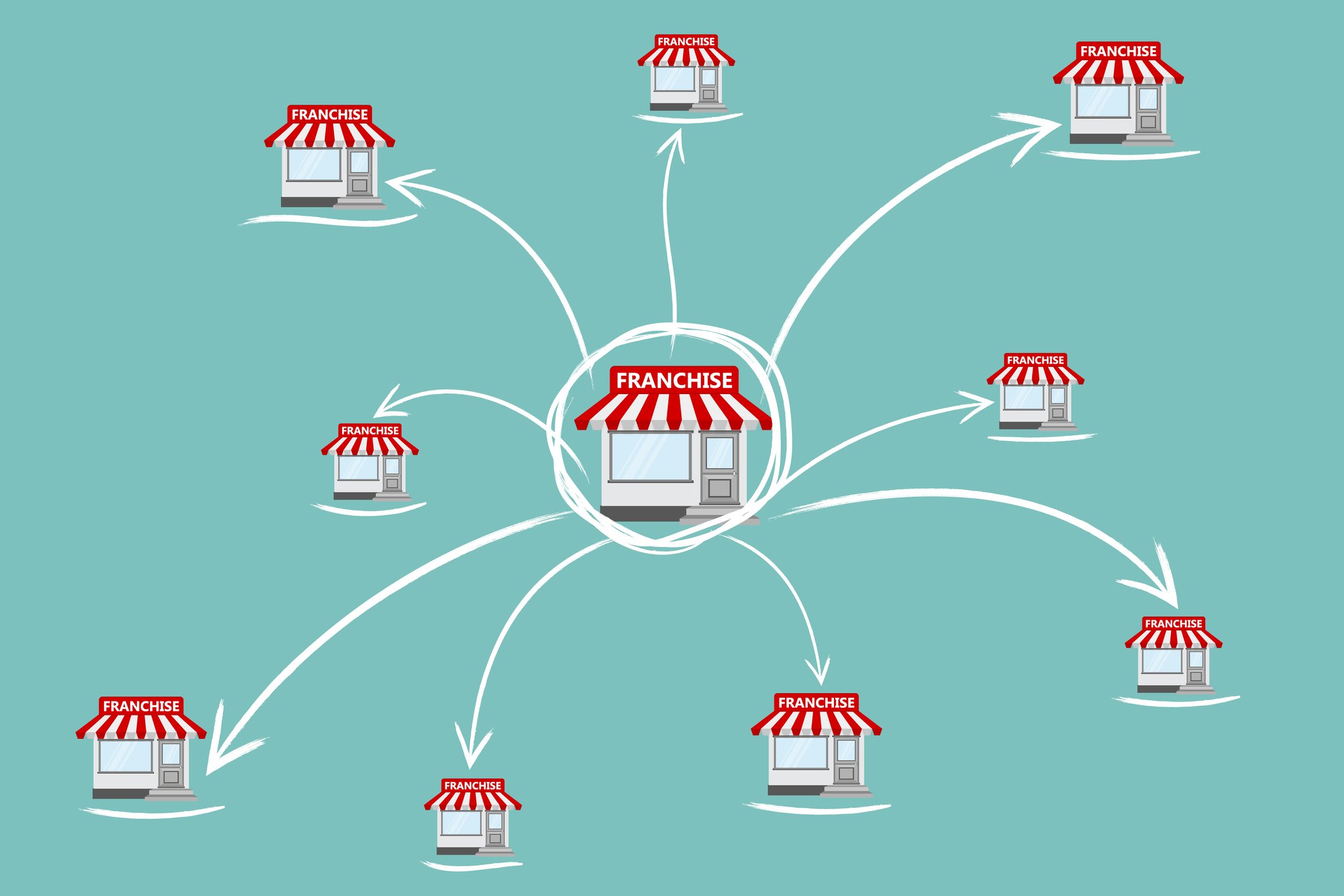
A builder franchise works by granting an independent operator the right to use a parent company’s established brand, construction systems, and business processes in exchange for initial fees and ongoing royalties. The franchisor provides floor plans, marketing support, and bulk-purchasing power, while the franchisee manages local operations, hiring, and project execution.
Contents
Building a construction business from the ground up is a capital-intensive and high-risk endeavor. The builder franchise model aims to mitigate these risks by providing a "business in a box" framework. In 2026, the construction landscape has become increasingly sophisticated, with higher demands for sustainable materials, integrated smart-home technology, and streamlined digital project management. For many entrepreneurs and existing small-scale contractors, joining a franchise offers a pathway to scale that would be difficult to achieve independently.
The Mechanics of the Builder Franchise Ecosystem
The relationship between a franchisor (the parent company) and a franchisee (the local builder) is governed by a legal contract that dictates how the business must be run. Unlike a simple licensing agreement, a franchise is a deep partnership where the franchisor’s success is directly tied to the franchisee’s performance.
When you join a builder franchise, you are not just buying a name; you are buying a proven methodology. This includes architectural designs that have already been engineered for cost-efficiency and compliance with modern building codes. In 2026, these designs often include prefabricated components or modular sections that allow for faster turnaround times on-site. The franchisor maintains the intellectual property of these designs, providing the franchisee with a competitive edge in local markets where custom architectural fees might otherwise be prohibitive for clients.
The operational flow typically involves the franchisor handling the "macro" elements—brand development, national marketing, and R&D for new building techniques—while the franchisee handles the "micro" elements. This includes securing local permits, managing subcontractors (plumbers, electricians, framers), and maintaining direct relationships with customers.
Financial Obligations: Entry Costs and Recurring Fees
Entering a builder franchise requires a significant financial commitment. As of 2026, these costs are generally categorized into three tiers: the initial franchise fee, the total setup investment, and ongoing operational levies.
Initial Investment and Franchise Fees
The initial franchise fee is the "entry price" to join the network. This fee covers the cost of training, territory rights, and the initial setup of your digital infrastructure. Depending on the brand's prestige and the size of the protected territory, this fee can range from $40,000 to over $150,000.
Beyond the fee, the total liquid capital required to start is often much higher. Builders must account for office space, branded vehicles, initial staffing, and insurance premiums. In the 2026 market, franchisors often require franchisees to have a net worth of at least $500,000 to ensure the business can withstand the cyclical nature of the housing market and the high costs of materials.
Ongoing Royalty and Marketing Levies
Once the business is operational, the franchisee pays recurring fees, usually calculated as a percentage of gross sales.
- Royalty Fees: Typically ranging from 3% to 6%, these fees pay for the ongoing support, software updates, and the right to continue using the brand name.
- Marketing/Brand Fund: Most franchises require a contribution (often 1% to 2%) to a collective marketing fund. This money is used for national advertising campaigns, SEO management, and lead generation tools that benefit all franchisees.
Operational Support: The "Business in a Box"
The primary value proposition of a builder franchise is the operational support system. For a local builder, managing the administrative side of construction—estimating, scheduling, and client communication—is often the most significant bottleneck to growth.
Proprietary Software and Estimating Tools
In 2026, builder franchises rely heavily on integrated Enterprise Resource Planning (ERP) systems. These platforms allow franchisees to input project dimensions and automatically generate accurate cost estimates based on real-time material pricing. This reduces the risk of "under-bidding" a project, which is a common cause of failure for independent builders. These systems also include project management modules where clients can track progress, view photos of the build, and approve change orders digitally.
Supply Chain Leverage and Vendor Relationships
One of the most tangible benefits of the franchise model is "volume power." A national franchise can negotiate deep discounts with suppliers of lumber, flooring, appliances, and HVAC systems. An individual builder might pay retail or small-trade prices, whereas a franchise owner accesses "Tier 1" pricing. Over the course of a year, these savings on COGS (Cost of Goods Sold) can often offset the cost of the royalty fees paid to the franchisor.
Legal Considerations and the Franchise Disclosure Document (FDD)
Before any money changes hands, the franchisor must provide a Franchise Disclosure Document (FDD). This is a comprehensive legal document required by regulators that outlines the history of the company, any litigation, and the specific obligations of both parties.
Key sections of the FDD to analyze include:
- Item 19 (Financial Performance Representations): This is where the franchisor may disclose how much existing franchisees are actually earning. It is the most critical section for assessing potential ROI.
- Territory Rights: Does the franchise grant an "exclusive" territory, or can the franchisor open another location three miles away? In 2026, most reputable builder franchises provide exclusive territories based on zip codes or population density to prevent internal competition.
- Renewal and Termination: Most agreements last 5 to 10 years. Understanding the conditions under which a franchise can be renewed or sold is vital for long-term wealth building.
Comparison Table: Independent Builder vs. Franchise Owner
The following table compares the typical experience of an independent contractor versus a builder franchise owner in the 2026 market.
| Feature | Independent Builder | Builder Franchisee |
|---|---|---|
| Brand Recognition | Local reputation only; high trust-building time. | Immediate national or regional brand equity. |
| Purchasing Power | Limited to local trade discounts. | National volume pricing on all materials. |
| Technology | Generic or manual spreadsheets/third-party apps. | Proprietary, integrated end-to-end ERP systems. |
| Lead Generation | Word of mouth and local SEO; inconsistent. | Centralized marketing and national lead funnels. |
| Operational Flexibility | Total control over designs and processes. | Must follow strict brand standards and floor plans. |
| Profit Margins | No royalties, but higher material costs. | 4-8% off the top for fees; lower COGS. |
| Exit Strategy | Difficult to sell without the owner's "name." | Easier to sell as a turnkey business asset. |
The Step-by-Step Path to Ownership
If an individual decides the franchise route is appropriate, the process generally follows a structured path that takes between three to nine months from initial inquiry to breaking ground on the first project.
- Initial Inquiry and Discovery: The candidate reviews the brand’s basic requirements and participates in a "Discovery Day," usually at the franchisor’s headquarters, to meet the executive team.
- Due Diligence: The candidate reviews the FDD and, crucially, speaks with existing franchisees. This is the time to ask about the reality of the support provided and the accuracy of the profit projections.
- Financing and Legal Review: Prospective owners secure funding through SBA loans, private investors, or personal capital. A franchise attorney should review the final agreement.
- Training: Most builder franchises require a multi-week training program. This covers not just construction techniques, but also the "soft skills" of sales, the use of the proprietary software, and the brand’s specific customer service standards.
- Site and Staffing: The franchisee sets up their local office and hires a core team. In many cases, the franchisor assists with the recruitment profiles for project managers and sales staff.
- Grand Opening and Marketing Launch: The franchisor typically coordinates a local marketing blitz to generate the first "hot leads" and establish the builder’s presence in the territory.
Frequently Asked Questions
Do I need to be a licensed builder to buy a franchise?
Not always. While many franchisees are experienced contractors, some "executive" franchise models are designed for business managers. In these cases, the franchise owner acts as the CEO and hires a licensed "Qualifying Party" or General Contractor to oversee the actual construction. However, you must still comply with state-specific licensing boards, which may require the business entity itself to hold certain certifications.
How much can a builder franchise owner expect to earn?
Earnings vary significantly based on territory, project volume, and management efficiency. Most FDDs in 2026 show that while gross revenues can be high (often exceeding $2 million to $5 million for established territories), net profit margins typically hover between 10% and 20% after all expenses, royalties, and owner draws are accounted for.
What happens if I want to use my own custom floor plans?
Most builder franchises require you to use their approved library of plans to ensure brand consistency and quality control. However, some "conversion franchises"—which are designed for existing independent builders—allow for a hybrid model where you can use your own plans if they meet the franchisor’s structural and aesthetic standards.
How are leads distributed within a franchise network?
Leads are typically distributed based on the "Exclusive Territory" defined in the contract. If a potential client enters their zip code on the national website, the lead is automatically routed to the franchisee owning that territory. Some franchises use a "round-robin" system for neutral territories, but this is less common in the construction industry where physical location is paramount.
What is the biggest risk of joining a builder franchise?
The primary risk is "fixed overhead." Even if the local housing market slows down, you are still responsible for the ongoing technology fees, office leases, and potentially minimum royalty payments. Additionally, if the franchisor’s national reputation suffers due to an issue in another state, your local business may experience a "guilt by association" impact on sales.
Practical Recommendation
For those considering this path in 2026, the most critical next action is to conduct "validation calls" with at least five current franchisees. Do not only speak with the "top performers" recommended by the franchisor. Instead, look through the FDD’s list of all current operators and pick a few at random. Ask them specifically about the "hidden costs" of the software and how the franchisor responded during material shortages or local economic downturns. This peer-level insight is far more valuable than any marketing brochure or projected earnings statement.
Image Gallery