Understanding Your Exide Life Insurance Statement: A Comprehensive Guide
An Exide Life Insurance statement is an official document issued by the insurance provider that details the financial status, fund values, premium payment histories, and overall performance of your life insurance policy, serving as a c...
An Exide Life Insurance statement is an official document issued by the insurance provider that details the financial status, fund values, premium payment histories, and overall performance of your life insurance policy, serving as a critical tool for tracking your investment and protection coverage.
Contents
Navigating the financial documentation associated with your long-term protection plans can often feel like deciphering an unfamiliar dialect. When an official document arrives from your provider, understanding its contents is essential for managing your personal finances, ensuring your coverage remains active, and evaluating how your investments are performing.
Whether you hold a traditional endowment plan, a whole life policy, or a unit-linked insurance plan (ULIP), the annual or periodic statement provides a transparent window into the health of your policy. This guide breaks down the core components of these documents, explains how to read each section, outlines the terminology, and provides actionable steps for managing your financial portfolio effectively.
The Purpose and Importance of Your Insurance Statement
Insurance companies are legally and operationally required to provide policyholders with periodic disclosures regarding the status of their contracts. For policyholders, these records are not merely administrative paperwork; they are comprehensive financial reports that verify your premium contributions, track fund growth, and outline the exact benefits payable under various scenarios.
When you purchase a policy, you enter into a long-term agreement. Over years or decades, economic shifts, changing interest rates, and fluctuating market conditions will impact your policy's value. The periodic statement acts as a snapshot, recording these changes in real time. Reviewing these documents regularly allows you to confirm that your premiums have been correctly credited, monitor the growth of any accumulated bonuses or fund units, and ensure that your contact and nomination details remain accurate.
Furthermore, these documents are frequently required for external verification processes. Financial institutions, tax advisors, and estate planners often request recent policy statements to assess your net worth, calculate tax deductions under applicable financial codes, or determine collateral value when exploring credit options.
Key Sections and Terminology of an Exide Life Insurance Statement
To make sense of your document, you must familiarize yourself with the specific layout and standard financial terms used throughout the text. While exact layouts vary depending on the specific product type—such as traditional participating plans versus market-linked contracts—most statements share a common architectural structure.
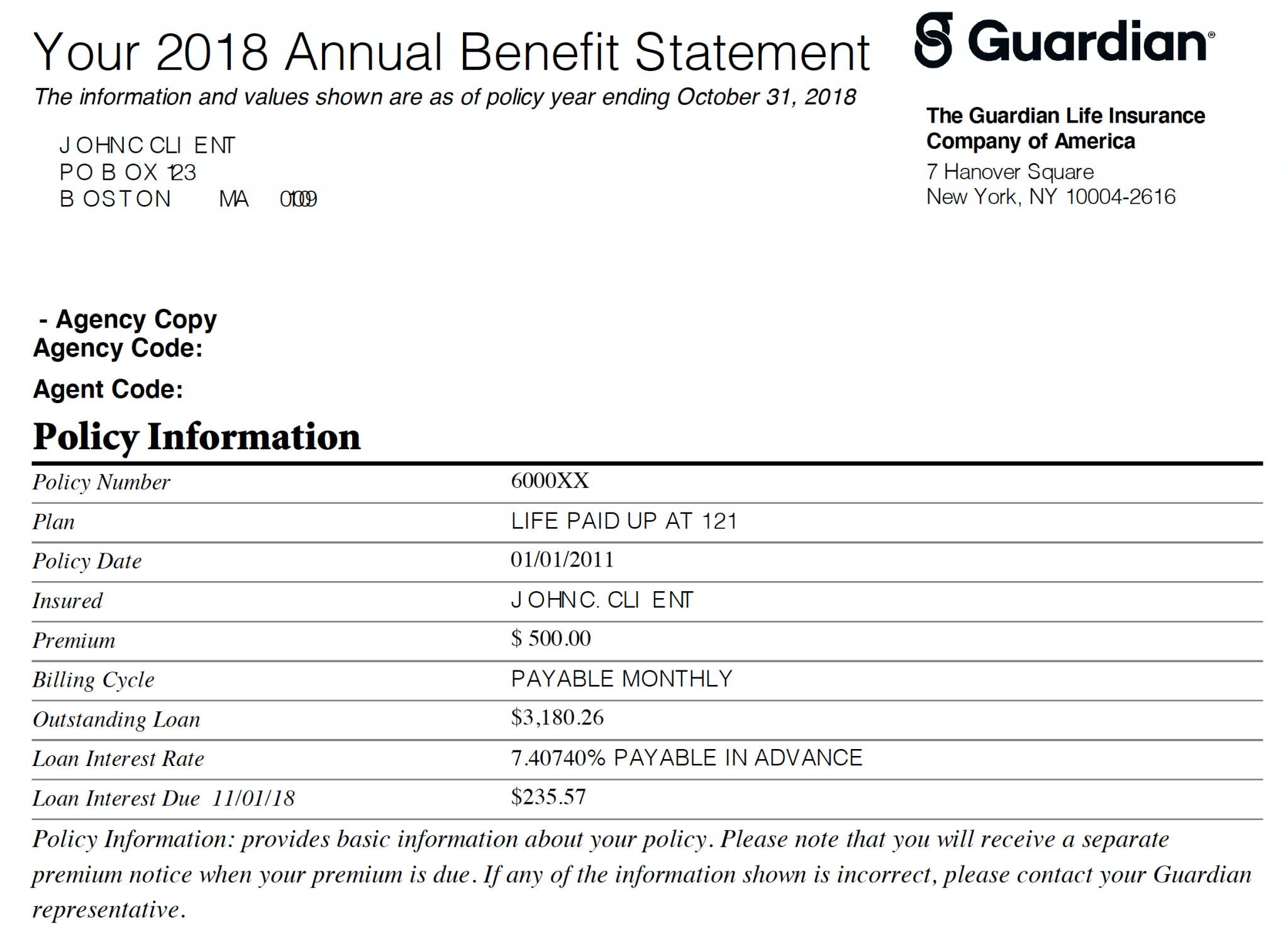
1. Policyholder and Policy Information Header
The top section of the document establishes the identity of the contract. It contains vital data points that distinguish your file from millions of others. Key elements include:
- Policy Number: The unique alphanumeric identifier assigned to your contract.
- Life Assured and Proposer Details: The name, address, and contact information of the person whose life is insured and the policy owner (if different).
- Date of Commencement: The official inception date of the policy, which dictates milestone calculations such as maturity dates and lock-in periods.
- Plan Name and Type: The specific marketing name of the product (e.g., guaranteed wealth plan, traditional endowment, or unit-linked plan) and its structural classification.
2. Premium Status and Payment History
This section tracks the financial obligations you have fulfilled and those that remain upcoming. It typically features:
- Premium Amount: The exact monetary contribution required per installment.
- Premium Paying Term (PPT): The total duration over which you are obligated to pay premiums, contrasted with the Policy Term (the total duration of the insurance coverage).
- Due Dates and Grace Periods: The exact date your next payment is due, alongside information regarding any permitted grace period.
- Last Payment Received: Confirmation of the date and amount of your most recent successful transaction, ensuring your payments are properly posted to your ledger.
3. Fund Value and Investment Performance (For ULIPs)
If your product is a market-linked insurance plan, the statement devotes significant space to unit allocations and fund performance. This segment breaks down:
- Fund Types: The specific asset allocations you have selected, such as equity funds, debt funds, or balanced portfolios.
- Number of Units: The total quantity of units you currently hold within each specific fund.
- Net Asset Value (NAV): The current market price per unit on the date the statement was generated.
- Total Fund Value: Calculated by multiplying the total number of units by the prevailing NAV, representing the current cash value of your market investments.
4. Bonuses and Accumulations (For Traditional Plans)
For non-linked traditional participating policies, market values do not dictate your returns. Instead, this section outlines:
- Reversionary Bonuses: Additional amounts declared annually by the insurer based on the performance of the participating fund, which attach permanently to your policy.
- Terminal Bonuses: A final, one-time bonus paid out upon maturity or death, reflecting the long-term performance of the fund.
- Guaranteed Additions: Fixed financial increments added to the policy value at predetermined intervals as specified in your original contract terms.
Summary of Key Statement Metrics
| Metric Category | Traditional / Endowment Plans | Unit-Linked Insurance Plans (ULIPs) | Purpose / Significance |
|---|---|---|---|
| Primary Value Indicator | Sum Assured + Accumulated Bonuses | Total Fund Value (Units × NAV) | Shows the current financial worth or payout potential of the policy. |
| Cost Deductions | Mortality charges included internally | Explicitly itemized (Fund management, mortality, administration) | Details the fees deducted from your contributions or fund balance. |
| Growth Mechanism | Declared annual reversionary bonuses | Market-driven unit price fluctuations | Explains how your policy accumulates additional monetary value over time. |
| Maturity Expectation | Guaranteed base sum plus accrued bonuses | Variable based on historical and projected market returns | Estimates what you will receive at the conclusion of the policy term. |
Decoding Charges and Deductions
Insurance products involve administrative, operational, and mortality costs that keep the plan active. Reviewing these deductions helps you understand the net efficiency of your financial vehicle.
In traditional policies, these costs are generally factored into the premium calculation, meaning the quoted returns are net of standard operational deductions. However, in market-linked plans, transparency mandates a clear itemization of charges. You will typically see deductions for:
- Mortality Charges: The direct cost of providing the life insurance cover (the risk premium).
- Policy Administration Fees: Administrative expenses incurred by the insurer for maintaining the records and servicing the contract.
- Fund Management Charges (FMCs): Fees levied by the asset management team for managing the specific investment funds you selected.
Reviewing these charges annually allows you to evaluate whether your investment returns are comfortably outpacing the operational drag of the policy fees.
Accessing and Verifying Your Statement
Obtaining your official documentation is a streamlined process in modern administrative environments. Insurers typically dispatch annual statements via registered email addresses or physical postal mail following the conclusion of the financial year.
If you have misplaced a document or require an immediate update, you can access your records through digital self-service portals:
- Online Customer Portals: Log into the official customer self-service portal using your registered mobile number, email, or client ID.
- Mobile Applications: Utilize dedicated mobile applications provided by the insurer to download statements directly to your smartphone or tablet as a PDF file.
- Customer Support Channels: Reach out to official helpline numbers or visit authorized branch offices to request duplicate physical or digital copies of historical statements.
When reviewing a newly downloaded or received statement, perform a quick audit by cross-referencing the personal details, premium payment receipts, and contact phone numbers against your own financial records. Discrepancies in premium crediting or personal data should be reported to customer service immediately to ensure prompt rectification.
Common Misinterpretations to Avoid
Policyholders frequently misread specific entries on their financial statements, leading to unnecessary confusion. Understanding these common pitfalls ensures accurate interpretation:
- Surrender Value vs. Fund Value: The surrender value is the amount you will receive if you voluntarily terminate the contract before its maturity date. This is almost always significantly lower than the total fund value or total premiums paid, especially in the early years of the policy, due to applicable surrender charges and policy lock-in rules.
- Sum Assured vs. Maturity Value: The sum assured is the guaranteed minimum payout paid upon the unfortunate demise of the life assured. It is distinct from the maturity value, which represents the accumulated payout delivered if the life assured survives to the end of the contract term.
- Projected vs. Guaranteed Returns: Illustrations showing future growth at specific rates (such as 4% or 8%) are projections based on regulatory assumptions, not guaranteed returns. Only explicitly stated guaranteed additions or base sums assured represent contractual obligations.
Frequently Asked Questions
What should I do if my Exide Life Insurance statement shows an incorrect premium payment?
If a payment you made is not reflected, gather your bank transaction receipt, payment reference number, and premium receipt. Contact the customer service department immediately with these details to initiate a ledger reconciliation and ensure your policy does not lapse due to perceived non-payment.
How often are insurance statements issued?
Most insurers issue comprehensive financial statements on an annual basis, typically concluding at the end of the financial year. However, electronic portals allow policyholders to generate interim valuation statements and premium certificates on demand at any time during the year.
Can I use my insurance statement for tax filing purposes?
Yes. The annual statement or a dedicated premium payment certificate acts as valid documentary proof of the premiums paid toward your life insurance contract, which may be eligible for tax deductions under applicable regional tax laws and statutes. Always consult a certified tax professional regarding specific jurisdictional limits.
Why is my surrender value lower than the total premiums I have paid?
Life insurance is designed as a long-term financial protection tool. In the initial years, a substantial portion of your premium is allocated toward mortality charges, administrative costs, and acquisition expenses. Consequently, the surrender value builds up progressively over time and only becomes more favorable in the later stages of the policy term.
How do I update my personal contact details shown on the statement?
You can update your address, phone number, or email address by logging into the online customer self-service portal or by submitting a formal written request accompanied by valid identity and address proof documents at an authorized branch office.
Next Actions and Practical Recommendations
To maintain absolute control over your financial planning, make a habit of downloading and reviewing your life insurance statements systematically every year. Verify that your nominated beneficiaries are up to date, check that your premium payment history is flawless, and ensure your contact details remain current. Should you identify any discrepancies or require adjustments to your asset allocation—such as switching funds within a ULIP—contact your financial advisor or the insurer's support team promptly to execute the necessary changes.
Image Gallery