Understanding Time Zones in Nevada: Is Las Vegas on Mountain or Pacific Time?
Las Vegas is on Pacific Time, observing Pacific Standard Time (PST, UTC-8) during the winter months and shifting to Pacific Daylight Time (PDT, UTC-7) when Daylight Saving Time is in effect. As the most populous city in the state of Ne...
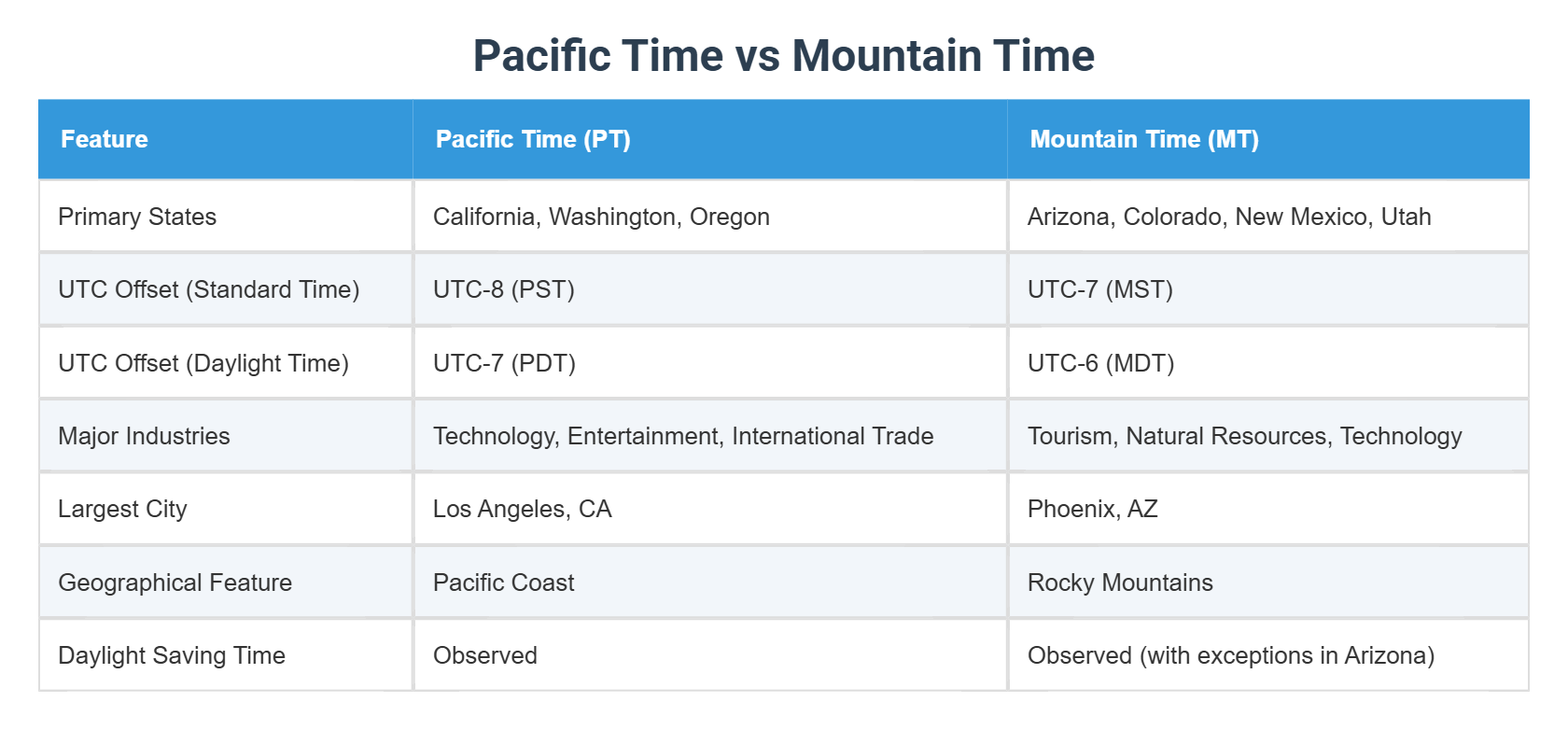
Las Vegas is on Pacific Time, observing Pacific Standard Time (PST, UTC-8) during the winter months and shifting to Pacific Daylight Time (PDT, UTC-7) when Daylight Saving Time is in effect. As the most populous city in the state of Nevada, Las Vegas shares its time zone with major West Coast hubs like Los Angeles, San Francisco, and Seattle, making scheduling, travel planning, and business coordination straightforward for visitors and residents alike.
Contents
Navigating time zones across the United States can occasionally cause confusion, particularly when traveling across state borders or visiting states that maintain internal time zone splits. For travelers planning a trip to the entertainment capital of the world, knowing the correct time zone ensures seamless flight arrangements, hotel check-ins, show reservations, and business call management. This guide explores Nevada's official time zone geography, examines the historical and legislative reasons behind state boundaries, details how Daylight Saving Time is observed, and provides practical advice for managing time differences.
The Official Time Zone of Las Vegas and Nevada
The entire state of Nevada, including Las Vegas and Reno, officially operates on the Pacific Time Zone. This administrative choice aligns the state's commercial, political, and cultural activities with neighboring California and the broader Pacific coast region.
To understand why Las Vegas is on Pacific Time, it helps to examine how the United States regulates time zones. Time zones in the United States are federally mandated by the Department of Transportation (DOT) under the Standard Time Act of 1918 and subsequent legislation like the Uniform Time Act of 1966. While federal law establishes the boundaries, state legislatures or local authorities can petition the DOT to adjust boundaries if economic, geographic, or social factors warrant a change.
In Nevada's case, its primary population centers and economic corridors have historically looked west toward California. Although Nevada shares a long eastern border with Utah, which sits firmly in the Mountain Time Zone, the vast, sparsely populated desert expanses created a natural barrier. Consequently, the state petitioned to remain unified under the Pacific Time Zone, preventing logistical complications for businesses and government entities operating between Las Vegas and Carson City.
Pacific Standard Time vs. Pacific Daylight Time
Like most of the United States, Las Vegas observes Daylight Saving Time (DST). This means the local time shifts twice a year:
- Pacific Standard Time (PST): UTC-8. This is observed from the first Sunday in November until the second Sunday in March. During these months, the sun sets earlier in the evening, and Las Vegas is three hours ahead of Eastern Standard Time (EST).
- Pacific Daylight Time (PDT): UTC-7. This is observed from the second Sunday in March until the first Sunday in November. Clocks are moved forward one hour, lengthening evening daylight hours during the hot summer months.
Understanding this biannual shift is crucial for visitors flying into Harry Reid International Airport or tuning into national broadcasts, as failing to adjust watches or digital devices can result in missed flights or appointments.
Geographic and Regional Time Zone Variations in Nevada
While Las Vegas and the vast majority of Nevada observe Pacific Time, a small, highly localized exception exists along the border with neighboring states. Understanding these geographic quirks is essential for anyone traveling through rural parts of the state or conducting business near the eastern frontier.
The most notable exception involves West Wendover, a small city located in Elko County in northeastern Nevada. Due to its close economic integration and shared municipal services with Wendover, Utah, the city officially requested and received permission from the Interstate Commerce Commission and the Department of Transportation to operate on Mountain Time.
| Region / City | State | Time Zone | UTC Offset (Standard / Daylight) |
|---|---|---|---|
| Las Vegas | Nevada | Pacific Time | UTC-8 / UTC-7 |
| Reno / Carson City | Nevada | Pacific Time | UTC-8 / UTC-7 |
| West Wendover | Nevada | Mountain Time | UTC-7 / UTC-6 |
| Salt Lake City | Utah | Mountain Time | UTC-7 / UTC-6 |
| Los Angeles | California | Pacific Time | UTC-8 / UTC-7 |
As illustrated in the table above, while 99% of Nevada operates on Pacific Time, travelers heading to the extreme northeastern edge of the state must account for the shift to Mountain Time. However, visitors remaining in Las Vegas, Henderson, North Las Vegas, or typical tourist corridors will never encounter this shift.
Impact on Travel, Transportation, and Communication
Operating on Pacific Time heavily influences how Las Vegas interacts with the rest of the country and the world. Because the city is a premier international tourism and convention destination, visitors frequently arrive from the East Coast, Europe, and Asia.
Coordinating Domestic Travel
Travelers flying from New York, Miami, or other Eastern Time Zone locations experience a three-hour time difference (or four hours during regions where practices diverge, though DST is uniform across most states). A flight departing JFK at 8:00 AM EST and lasting five hours will land in Las Vegas around 10:00 AM PST. Recognizing this difference helps travelers plan hotel itineraries and rental car pickups accurately.
For business travelers participating in major trade shows at the Las Vegas Convention Center, the Pacific Time zone offers a distinct advantage for afternoon synchronization with East Coast corporate offices, though morning hours require working around the three-hour lag.
International Connections
Las Vegas serves as a major gateway for international travelers, particularly from Pacific Rim countries like Japan, South Korea, and Australia, as well as direct European flights from cities like London and Frankfurt. Managing jet lag across multiple time zones requires careful itinerary planning, especially given the dry desert climate and bustling nightlife environment of the Las Vegas Strip.
Daylight Saving Time Legislation and Future Outlook
The debate surrounding Daylight Saving Time frequently makes headlines across the United States. Periodically, state legislatures introduce bills to either remain on Pacific Standard Time permanently or adopt permanent Daylight Saving Time year-round.
To date, federal law requires an act of Congress for any state to adopt permanent Daylight Saving Time. While several states have passed legislation contingent on neighboring states or federal approval, Nevada continues to follow the federal standard, transitioning clocks twice a year in March and November. Visitors and residents should verify current scheduling rules if federal legislation changes in future legislative sessions.
Frequently Asked Questions
Does Las Vegas observe Daylight Saving Time?
Yes. Las Vegas observes Daylight Saving Time, shifting forward one hour to Pacific Daylight Time (UTC-7) on the second Sunday in March and falling back to Pacific Standard Time (UTC-8) on the first Sunday in November.
Is all of Nevada on Pacific Time?
No. While the vast majority of Nevada—including Las Vegas, Reno, and Carson City—is on Pacific Time, the city of West Wendover in Elko County officially operates on Mountain Time to align with its neighboring community in Utah.
What is the time difference between Las Vegas and New York?
Las Vegas is three hours behind New York. When it is 12:00 PM (noon) in Las Vegas, it is 3:00 PM in New York, regardless of whether standard or daylight time is active.
How does the time zone affect check-in times at Las Vegas hotels?
Hotel check-in times in Las Vegas are strictly enforced according to local Pacific Time. If you arrive early from an eastern time zone, your body may feel like it is later in the day, but front desks will process check-ins based on local clock time, typically starting between 3:00 PM and 4:00 PM PST.
Do mobile phones automatically update time zones in Las Vegas?
Modern smartphones and connected devices utilize network-based time synchronization. When traveling to Las Vegas, cellular towers automatically update your device to Pacific Time, provided network roaming or automatic time settings are enabled in your device preferences.
Practical Guidance for Visitors
When planning a trip to Las Vegas, synchronization is key to ensuring a smooth experience. Always check that your flight boarding passes, digital calendar appointments, and reminders reflect local Pacific Time. When coordinating dinner reservations, show tickets, or spa appointments along the Las Vegas Strip, confirm whether venues operate on local time—which they always do—to avoid missing scheduled events. By keeping these regional timekeeping practices in mind, you can focus entirely on enjoying everything the destination has to offer without scheduling mishaps.
Image Gallery