Understanding the "Simple Jack" Character: Context, Cultural Impact, and Controversy
The "Simple Jack" character is a fictional, intellectually disabled movie role played by Ben Stiller's character, Tugg Speedman, within a satirical film-within-a-film in the 2008 comedy Tropic Thunder. The character became a central li...
The "Simple Jack" character is a fictional, intellectually disabled movie role played by Ben Stiller's character, Tugg Speedman, within a satirical film-within-a-film in the 2008 comedy Tropic Thunder. The character became a central lightning rod for controversy due to its heavy use of caricature, makeup choices, and the repeated employment of a derogatory slur.
Contents
To fully understand what the "Simple Jack" character represents, it is necessary to examine its origins within the script of Tropic Thunder, the satirical purpose behind its creation, the real-world backlash it triggered from disability advocacy groups, and its enduring legacy in modern cinematic and cultural discussions regarding representation.
Origins in Tropic Thunder and the Film-Within-a-Film Concept
In the 2008 satirical action-comedy Tropic Thunder, directed by and starring Ben Stiller, the plot follows a group of self-absorbed Hollywood actors shooting an expensive Vietnam War movie. When their frustrated director drops them into the actual jungle to force them into genuine method-acting scenarios, the actors must survive actual threats while remaining trapped in their distorted perceptions of show business.
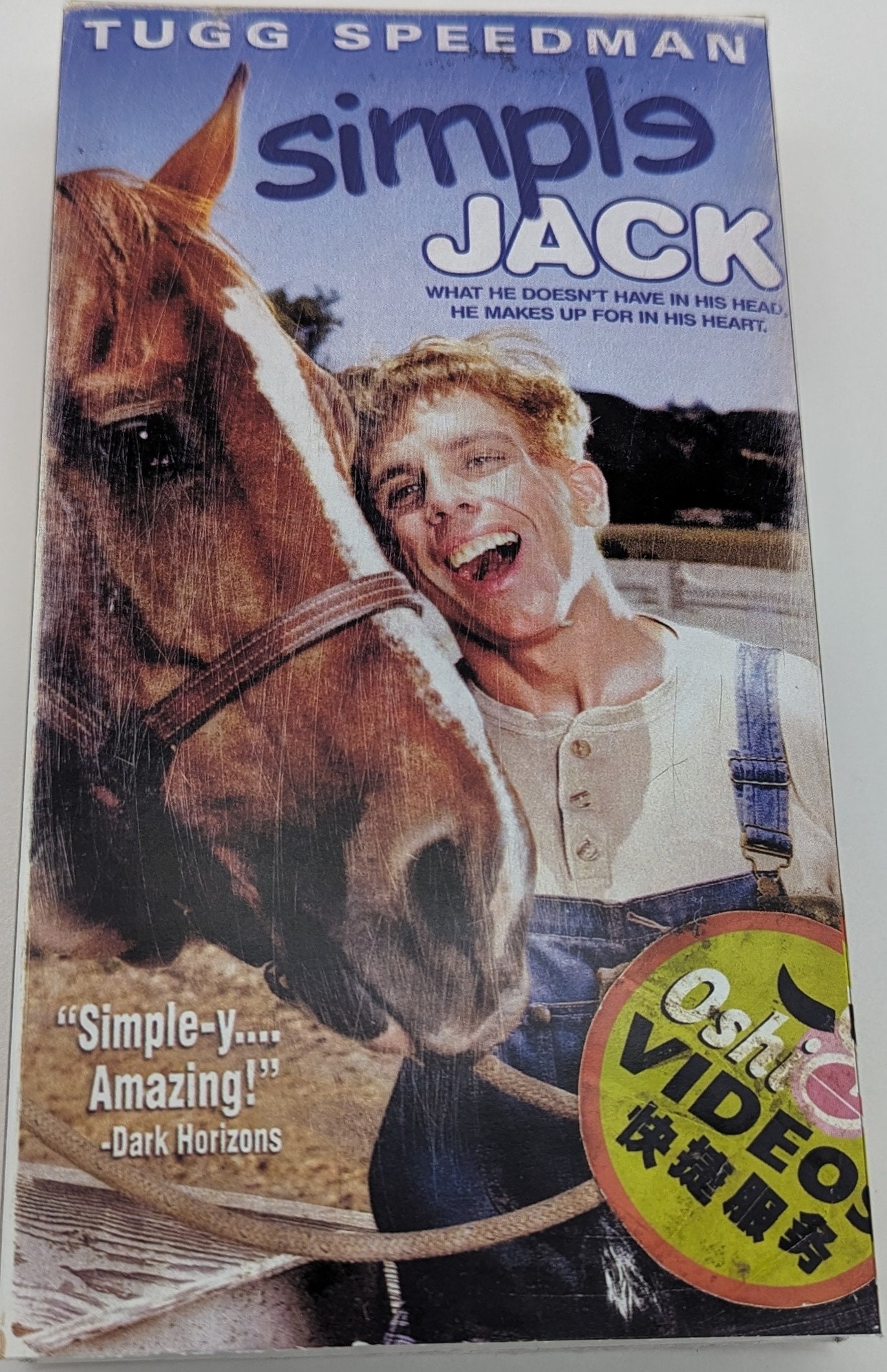
Central to the arc of the main protagonist, Tugg Speedman (played by Ben Stiller), is his desperate attempt to transition from action blockbusters to prestige, "serious" dramatic acting that will win him an Academy Award. To achieve this, Speedman stars in a fictional Oscar-bait film titled Simple Jack.
Within Tropic Thunder, Simple Jack tells the story of a gentle, intellectually disabled farm hand. In promotional clips and script excerpts shown in the movie, Jack is depicted wearing a plaid shirt, a bowl haircut, heavy orthodontic headgear, and carrying a stuffed scarecrow. The character speaks in a high-pitched, exaggerated vocal cadence and relies on a simplistic, rural aesthetic.
The fictional movie within the movie functions as Hollywood satire. It mocks the cynical practice of major film studios and actors manufacturing heavy-handed, deeply stereotypical melodramas about marginalized groups solely to court critical acclaim and win awards during Oscar season.
Satirical Intent Versus Real-World Impact
The creative team behind Tropic Thunder, including Ben Stiller, co-writer Justin Theroux, and co-writer Etan Cohen, intended the Simple Jack segment to be a direct critique of Hollywood's superficial approach to portraying intellectual and developmental disabilities. The target of the satire was never individuals with disabilities, but rather the vain, out-of-touch actors and greedy studio executives who exploit sensitive subject matter as a shallow vehicle for commercial recognition.
However, the execution of the satire triggered a massive, immediate real-world backlash. Disability advocacy organizations, including the Special Olympics, the Arc of the United States, and United Cerebral Palsy, launched coordinated protests against the film upon its release in August 2008.
The primary point of contention was the film's repeated use of the clinical pejorative "r---rd" (and variants thereof), both within the fictional Simple Jack trailers and in dialogue spoken by various characters throughout Tropic Thunder. Advocacy groups argued that regardless of the satirical framing, the repetition of the slur reinforced harmful social stigmas, humiliated people with intellectual disabilities, and normalized derogatory language in mainstream media.
| Aspect of "Simple Jack" | Intentional Satirical Design | Real-World Controversy & Criticism |
|---|---|---|
| Primary Target | Hollywood actors chasing awards through stereotypical melodramas. | The use of a vulnerable demographic as a punchline. |
| Visual Depiction | Exaggerated wardrobe, bowl haircut, and dental headgear. | Perpetuation of harmful physical tropes associated with disability. |
| Language | Critiquing the simplistic writing found in low-effort Oscar-bait scripts. | Heavy reliance on the explicit use of a deeply offensive clinical slur. |
| Studio Response | Defended the film as an edgy, anti-Hollywood satire. | Sparked nationwide boycotts, picketing, and public apologies. |
The Industry Backlash and Public Response
As the release date of Tropic Thunder approached, protests outside theater chains intensified. Activists argued that mocking poor portrayals by actively participating in the very behavior being criticized created a dangerous paradox. For everyday viewers with intellectual disabilities and their families, the nuance of the satire was overshadowed by the sheer volume of derogatory dialogue.
In response to the mounting controversy, DreamWorks and Paramount Pictures defended the film, noting that the satirical context made it clear that Tugg Speedman's performance in Simple Jack was meant to be viewed as a misguided, embarrassing misfire by a desperate actor. Ben Stiller himself defended the creative choice in multiple interviews, asserting that the film was aimed squarely at Hollywood elitism.
Despite the friction, the controversy prompted a broader public conversation regarding the representation of marginalized groups in comedy. It highlighted the fine line between satirizing prejudice and perpetuating it, a debate that continues to influence how modern studio comedies handle sensitive subjects.
Legacy and Cultural Context in Modern Media
Decades after its theatrical run, the "Simple Jack" character remains a frequent reference point in discussions concerning cinematic boundaries, offensive content, and the evolution of comedy.
In contemporary media environments, a character like Simple Jack would face significantly higher hurdles during the development and greenlight phases. Modern studio risk assessments, coupled with heightened awareness from sensitivity readers and diversity consultants, have largely pushed mainstream comedies away from using developmental disabilities as comedic tropes or employing explicit slurs, even within satirical frameworks.
At the same time, Tropic Thunder has maintained a cult following among fans who view it as a biting, fearless satire of an era of Hollywood filmmaking that has largely vanished. The film's defenders point out that the narrative ultimately punishes Tugg Speedman for taking the role—his career hits rock bottom, and the fictional movie is universally panned as a catastrophic artistic failure. Within the internal logic of the story, Simple Jack is a bad movie made by a narcissistic actor, rather than a malicious endorsement of mocking the disabled.
Frequently Asked Questions
What movie is the "Simple Jack" character from?
The "Simple Jack" character appears in the 2008 satirical comedy Tropic Thunder. The character exists inside a fictional movie-within-a-movie starring the fictional actor Tugg Speedman, played by Ben Stiller.
Why was the "Simple Jack" character controversial?
The character generated significant controversy due to its use of an extreme caricature of an intellectually disabled person, complete with physical props and a high-pitched vocal style, alongside the repeated use of the offensive clinical slur "r---rd."
Did Ben Stiller apologize for the character?
While Ben Stiller defended the satirical intent of Tropic Thunder during its initial theatrical release, acknowledging the sensitivities involved, he and the studio defended the film as a critique of Hollywood's cynical handling of serious topics rather than an attack on individuals with disabilities.
Can you watch the fictional Simple Jack movie in full?
No. Simple Jack is not a real, standalone feature-length film. Only brief fake trailers, promotional clips, and scene snippets are shown within the runtime of Tropic Thunder.
How does Tropic Thunder treat the character within its plot?
Within the story of Tropic Thunder, Simple Jack is portrayed as a disastrous career choice for Tugg Speedman. The role is widely mocked by critics and industry insiders within the film's universe, serving as a cautionary tale for the character's vanity.
Next Actions and Further Reading
For researchers, film students, and media analysts examining the intersection of comedy and social advocacy, reviewing the original marketing campaigns and subsequent press releases from organizations like the Special Olympics offers valuable historical context. Analyzing Tropic Thunder requires balancing an understanding of 2000s Hollywood satire with the legitimate grievances raised by disability rights advocates regarding media representation.
Image Gallery