How a House Fire in Washington State Is Handled: Emergency Response, Legal Steps, and Recovery
When a house fire occurs in Washington State, handling the incident follows a structured multi-agency process: immediate emergency suppression by local fire departments, a mandatory origin-and-cause investigation under state law, munic...
When a house fire occurs in Washington State, handling the incident follows a structured multi-agency process: immediate emergency suppression by local fire departments, a mandatory origin-and-cause investigation under state law, municipal safety board-ups, environmental hazardous waste testing, and an insurance settlement governed by Washington Office of the Insurance Commissioner regulations.
Contents
Disclaimer: This guide is for informational purposes only and does not constitute formal legal, financial, or safety advice. For specific insurance disputes, structural assessments, or legal claims in Washington State, consult a qualified attorney, certified public adjuster, or municipal building official.
Phase 1: Emergency Response and Suppression
The management of a residential fire begins the moment a call is placed to 911. Local fire protection districts and municipal fire departments respond based on regional mutual-aid agreements. Once on site, the incident commander establishes control under the Incident Command System (ICS) to coordinate fire suppression, search and rescue, and property conservation.
- 911 Call Dispatch
- Suppression & Rescue
- Utility Disconnects
- Overhaul & Scene Release
During suppression, firefighters perform tactical operations that include ventilation (cutting openings in roofs or windows to release trapped heat and smoke) and overhaul (searching for hidden embers inside walls, attics, and subfloors). To ensure public safety and prevent electrical or gas-fueled reignition, emergency crews notify local utility providers—such as Puget Sound Energy, Avista, Tacoma Public Utilities, or Seattle City Light—to isolate and disconnect gas and electrical service lines at the meter or street level.
Once the fire is completely extinguished, the incident commander maintains custody of the structure until control can be transferred to fire investigators or the legal property owner.
Phase 2: Fire Investigation and Cause Determination
Under Washington State law, every structural fire must undergo a formal investigation to determine its origin and cause.
Under Revised Code of Washington (RCW) 43.44.050, the chief of the local fire department or fire protection district is legally obligated to investigate the cause, origin, and circumstances of every fire occurring within their jurisdiction. If the initial investigation indicates that the fire is of suspicious origin, involves high property loss, or results in severe injury or fatality, local authorities may request assistance from the Washington State Patrol Fire Protection Bureau (often referred to as the State Fire Marshal’s Office).
- Incident Commander
- Local Fire Marshal
- (If Suspicious/Major Loss) WA State Fire Marshal
During this phase, the property is treated as an active investigation scene:
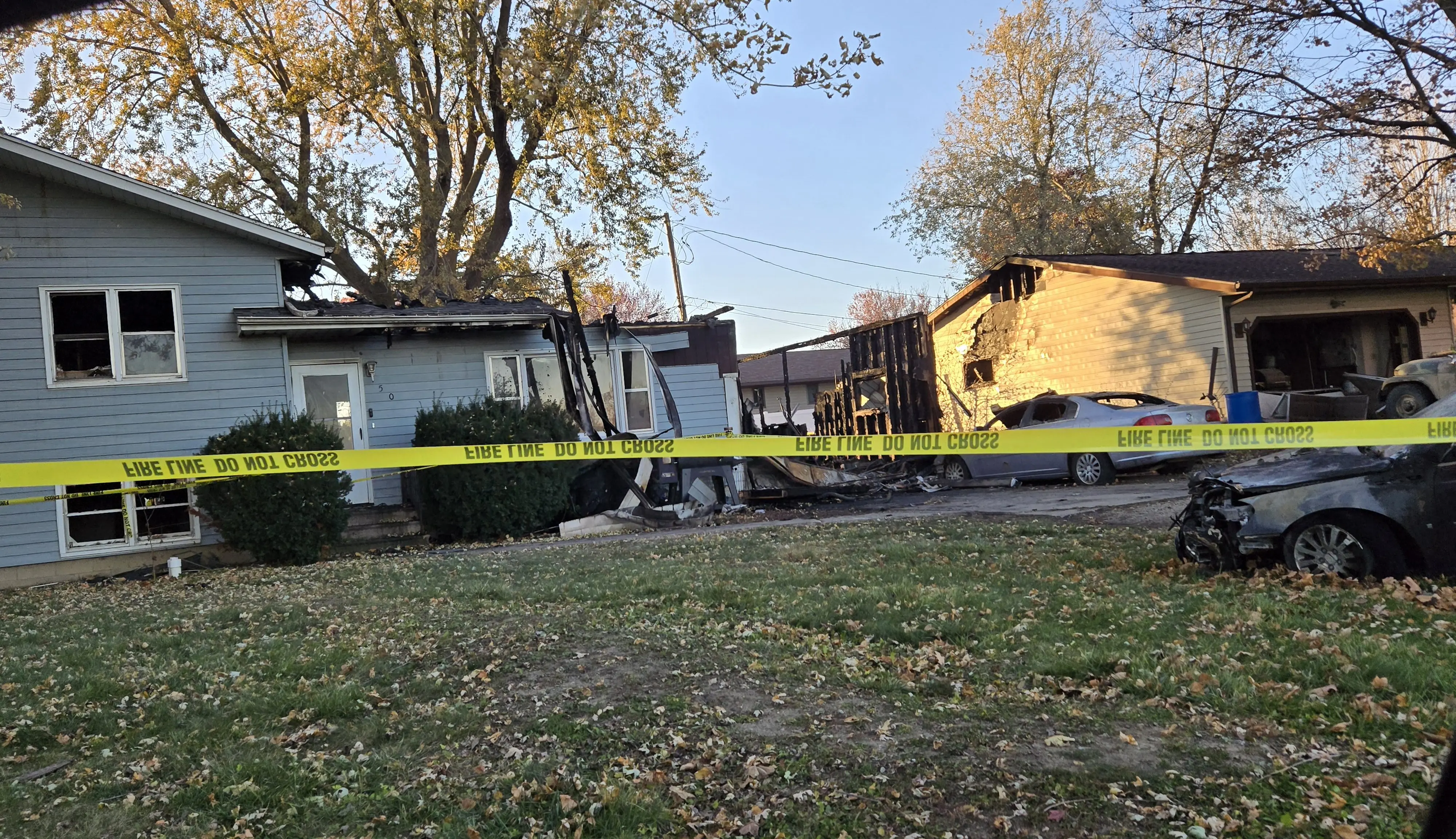
- Scene Preservation: Property owners and residents are prohibited from entering the structure, removing items, or commencing cleanup until the fire marshal or lead investigator officially releases the scene.
- Evidence Collection: Investigators document burn patterns, examine electrical panels, inspect heating appliances, and collect physical samples if accelerants are suspected.
- Incident Reports: The official fire report generated by the investigating agency serves as an essential document for insurance claims, police inquiries, and building permit applications.
Phase 3: Securing the Property and Municipal Safety Compliance
Once law enforcement and fire officials release the property back to the owner, the focus shifts to structural stabilization, public safety, and loss mitigation.
Municipal Unsafe Structure Notices
City or county building inspectors (such as the Seattle Department of Construction and Inspections or Pierce County Planning & Public Works) often visit the site of significant fires. If structural timbers, trusses, or load-bearing walls are compromised, the municipal building official will post a formal notice—often referred to as a "red tag"—declaring the building unsafe for occupancy. Re-entry without explicit clearance from a licensed structural engineer or building official can result in legal penalties.
The Policyholder’s Duty to Mitigate Loss
Standard homeowners insurance policies, as well as Washington contract law, place an affirmative duty on the policyholder to protect the property from secondary damage after a loss. Failure to mitigate further damage can empower insurance carriers to deny coverage for subsequent deterioration. Key mitigation actions include:
- Board-Up and Structural Tarping: Sealing broken windows, damaged doors, and roof breaches with exterior-grade plywood and heavy-duty weather tarps to prevent rain intrusion, vandalism, and animal entry.
- Water Extraction: Standing water left behind from fire suppression efforts must be pumped out promptly to prevent rapid mold growth, which thrives in Washington’s humid maritime climate.
- Fencing and Security: Erecting temporary chain-link perimeter fencing around heavily damaged structures to deter unauthorized entry and protect the public from collapse hazards.
Phase 4: Navigating Insurance Claims Under Washington State Law
Filing and settling a residential fire claim in Washington involves navigating specific state regulations established to protect consumers during catastrophic losses. The insurance industry in the state is regulated by the Washington State Office of the Insurance Commissioner (OIC).
Regulatory Protections for Policyholders
Washington State maintains consumer protection rules governing how insurance companies must handle property claims. Under WAC 284-30-330 (Unfair Claims Settlement Practices), insurers operating within the state are prohibited from engaging in unfair or deceptive settlement practices. Key requirements include:
- Timely Acknowledgment: Insurers must acknowledge receipt of a claim notice within 15 working days.
- Prompt Investigation: Insurers must complete their investigation of a claim promptly and provide reasonable assistance to the insured.
- Written Explanations: If a claim is denied or a settlement offer is reduced, the insurer must provide a written explanation referencing the specific policy provisions, conditions, or exclusions relied upon.
Understanding Policy Coverage Categories
A standard homeowners insurance policy (such as an HO-3 or HO-5 policy) divides fire loss recovery into distinct coverage categories:
| Coverage A | Coverage C | Coverage D |
|---|---|---|
| Dwelling | Personal Property | Loss of Use (ALE) |
| Structural repair or rebuild | Belongings & contents inventory | Temporary housing & living expenses |
- Coverage A (Dwelling): Pays to repair or rebuild the physical structure of the home. Settlements are paid based on Actual Cash Value (ACV) initially, with Replacement Cost Value (RCV) holdback funds released as repairs are completed, provided the policy includes replacement cost coverage.
- Coverage B (Other Structures): Covers unattached buildings such as detached garages, sheds, or fences.
- Coverage C (Personal Property): Reimburses the owner for damaged furniture, clothing, electronics, and personal items. Insurers require a detailed itemized inventory including age, brand, condition, and purchase price.
- Coverage D (Loss of Use / Additional Living Expenses): Reimburses reasonable increases in living costs incurred so the household can maintain its normal standard of living. This includes temporary rental housing, extra mileage costs, utility adjustments, and storage fees while the primary residence is uninhibable.
Representation Options: Public Adjusters vs. Company Adjusters
Homeowners in Washington have the option to navigate claims independently, rely on the insurance company’s staff adjuster, or hire an independent public adjuster.
Under RCW 48.17, public adjusters in Washington State must be licensed by the Office of the Insurance Commissioner. Unlike staff adjusters (who work for the insurer) or independent adjusters (contracted by the insurer), a public adjuster works exclusively on behalf of the policyholder to appraise the loss, prepare the inventory, and negotiate the settlement. Public adjusters typically charge a contingency fee based on a percentage of the final claim payout.
Phase 5: Environmental Regulations, Asbestos Rules, and Debris Removal
Debris removal following a house fire in Washington is not simply a matter of hauling away burnt materials. Strict environmental regulations govern how fire-damaged debris must be inspected, handled, and landfilled.
Mandatory Asbestos Surveys
The Washington Department of Ecology along with regional air clean agencies—such as the Puget Sound Clean Air Agency (PSCAA), Olympic Region Clean Air Agency (ORCAA), Southwest Clean Air Agency (SWCAA), and Spokane Regional Clean Air Agency—enforce stringent asbestos regulations.
- Fire Incident
- AHERA Asbestos Survey
- Abatement (if present)
- Permitted Waste Transport
Before any structural demolition, major cleanup, or waste transport can occur, Washington rules require an asbestos survey conducted by an AHERA-certified (Asbestos Hazard Emergency Response Act) building inspector. This requirement applies regardless of the age of the structure, as asbestos was used in materials ranging from insulation and acoustic ceiling pop-corn texture to vinyl flooring, drywall joint compound, and roofing felts.
If asbestos-containing materials (ACM) are identified in the fire debris:
- A licensed asbestos abatement contractor must perform the removal under containment.
- Notification must be filed with the local clean air agency prior to disturbance.
- Hazardous debris must be wetted, double-bagged or wrapped in heavy plastic, labeled, and transported to an authorized landfill certified to accept asbestos waste.
Hazardous Waste Disposal Protocols
Fire ash and burned structural materials often contain concentrated toxins, including heavy metals (lead, arsenic), polycyclic aromatic hydrocarbons (PAHs), and dioxins from melted plastics. Washington waste management regulations prohibit dumping uncharacterized fire ash into standard residential municipal solid waste streams. Waste must be properly profiled and taken to approved regional transfer stations or Class III industrial waste landfills.
Phase 6: Permitting, Code Compliance, and Rebuilding
Rebuilding a home after a severe fire requires navigating local planning departments and updated building standards enforced across Washington.
- Architect/Engineering Plans
- Local Permitting
- Modern Code Adjustments
- Final Inspection
Building Permits and Land Use
Homeowners must submit structural plans, engineering calculations, and site surveys to their city or county building department to secure building, electrical, plumbing, and mechanical permits. Rebuilding must comply with current land-use ordinances, critical area buffers (such as wetland or steep slope protections under the state’s Growth Management Act), and local setback rules.
Building Code Upgrades and the Washington State Energy Code
When rebuilding, the new construction cannot simply replicate the old house using obsolete methods. Structures must be built to conform to the current codes adopted by the Washington State Building Code Council (SBCC), including:
- The International Residential Code (IRC) with Washington state amendments.
- The Washington State Energy Code (WSEC), which enforces strict thermal envelope, HVAC efficiency, air leakage testing, and renewable energy credit requirements.
- Fire-resistant construction requirements, particularly for homes located within Wildland-Urban Interface (WUI) zones across Central and Eastern Washington or forested Western Washington counties.
Law and Ordinance Insurance Coverage
Because upgrading a fire-damaged structure to meet modern building codes adds substantial cost, policyholders should review their policy for Law and Ordinance Coverage (also known as Code Upgrade Coverage). Standard policy limits may not cover the additional expenses required to bring an older home up to current WSEC energy standards or seismic codes without this specific endorsement.
Washington State House Fire Process Summary
The table below outlines the governing authorities, core legal obligations, and key operational phases involved in managing a residential fire in Washington State.
| Phase | Primary Responsible Party / Authority | Core Legal Requirement or Action | Key Statutory / Regulatory Reference |
|---|---|---|---|
| Emergency Suppression | Local Fire District / Municipal Fire Department | Incident command, fire suppression, site stabilization, utility shut-off | Local Municipal Codes / Fire Codes |
| Origin & Cause Investigation | Local Fire Marshal / WA State Patrol Fire Protection Bureau | Mandatory investigation into cause, origin, and circumstances of the fire | RCW 43.44.050 |
| Property Protection & Board-Up | Property Owner / Emergency Mitigation Contractors | Duty to protect property from secondary damage; board-up and water extraction | Policy Contract Terms & WA Common Law |
| Insurance Claim Processing | Property Owner & Insurer / WA Office of the Insurance Commissioner | Prompt claim acknowledgment (15 days), fair settlement practices, ALE reimbursement | WAC 284-30-330 |
| Environmental Hazard Survey | AHERA Certified Inspector / Regional Clean Air Agencies | Mandatory asbestos inspection before demolition or fire debris removal | Clean Air Agency Rules / Dept. of Ecology |
| Rebuilding & Permitting | City or County Building Department / SBCC | Obtaining structural permits and complying with current IRC and Washington Energy Code | Washington State Energy Code (WSEC) |
Frequently Asked Questions
Who determines when it is safe to re-enter a fire-damaged house in Washington State?
Initial entry authorization is granted by the incident commander or local fire marshal once the fire is fully suppressed and the origin-and-cause investigation is complete. However, if the local municipal building department posts an "Unsafe Structure" or "Red Tag" notice, entry remains restricted until a licensed structural engineer or building official clears the structure.
How long does an insurance company have to respond to a fire claim in Washington?
Under WAC 284-30-330, insurance companies operating in Washington are required to acknowledge receipt of a claim notification within 15 working days. The insurer must also act promptly to complete its investigation and provide clear written updates if additional time is required to evaluate the claim.
Is an asbestos inspection mandatory before cleaning up fire debris?
Yes. Washington regional clean air agencies (such as PSCAA, ORCAA, and SWCAA) and the Department of Ecology require an asbestos survey by an AHERA-certified inspector prior to disturbing, clearing, or demolishing fire-damaged building materials, regardless of when the home was originally constructed.
What is Additional Living Expense (ALE) coverage, and what does it cover?
ALE (Coverage D) pays for the increase in living costs necessary to maintain your household's normal standard of living while your home is uninhabitable. Eligible expenses include temporary apartment or home rentals, utility setup differences, pet boarding fees, excess mileage driven due to relocation, and laundry expenses. Receipts must be retained for all claims.
Can I hire my own adjuster to handle my insurance claim in Washington?
Yes. Homeowners may retain a Public Insurance Adjuster. In Washington State, public adjusters must be licensed by the Office of the Insurance Commissioner under RCW 48.17. They represent the policyholder directly in evaluating structural damage, inventorying personal contents, and negotiating settlements with the insurance company.
Practical Action Plan for Washington Property Owners
If your home experiences a fire, taking deliberate, organized steps in the hours and days following the event helps protect both your legal rights and financial recovery:
- Obtain Official Authorization Before Re-Entry: Do not enter the property until the fire department, fire marshal, and building official have declared the site safe.
- Request the Official Incident Report: Contact the local fire department to obtain a copy of the completed fire incident report, which contains vital details for your insurer and municipal inspectors.
- Notify Your Insurance Carrier Immediately: Contact your insurer to open a claim. Request an immediate advance under Coverage D (Additional Living Expenses) to secure temporary lodging, emergency clothing, and essential personal supplies.
- Secure the Property to Prevent Secondary Damage: Contract a professional emergency service firm to board up doors and windows, place protective tarps over roof openings, and erect safety fencing. Keep all receipts for reimbursement under your policy's mitigation clause.
- Schedule an AHERA Asbestos Survey: Before authorizing contractors to clear ash or pull down burnt drywall, hire an AHERA-certified inspector to evaluate the debris for asbestos and lead hazards.
- Create an Itemized Contents Inventory: Document damaged personal belongings systematically. Note the item description, brand, estimated age, purchase location, and replacement cost. Take detailed photographs or videos before items are discarded.
Image Gallery