Navigating the Steps in a Relationship Dating Journey
The relationship dating journey is a progressive series of developmental stages that move from initial attraction to establishing a long-term, stable partnership. By understanding these transitions—ranging from casual dating and exclus...
The relationship dating journey is a progressive series of developmental stages that move from initial attraction to establishing a long-term, stable partnership. By understanding these transitions—ranging from casual dating and exclusive commitment to deep emotional integration—individuals can better navigate compatibility, communication expectations, and the practical requirements of building a lasting connection.
Contents
The Foundation: Initial Attraction and Casual Dating
The dating journey begins with the attraction phase, which typically involves initial contact and the assessment of mutual interest. Whether meeting through digital platforms or in-person social settings, this stage serves as a filtering process. At this point, the primary objective is to determine basic compatibility, shared values, and whether there is enough chemistry to warrant further interaction.
During the casual dating phase, individuals often explore multiple connections or spend time getting to know one another without the expectation of exclusivity. This period is crucial for setting boundaries and observing how a potential partner handles time, communication, and social situations. Practical considerations during this time include maintaining personal autonomy, balancing dating activities with existing social or professional responsibilities, and ensuring that individual needs are not compromised in favor of external validation.
Key Indicators of Progression
Progression from casual dating to a more focused connection is rarely marked by a single event; rather, it is identified by a shift in behavior. Increased frequency of communication, a reduction in the number of other dating prospects, and the introduction of a partner to one’s social circle are standard indicators that the relationship is moving toward a more serious stage.
Transitioning to Exclusivity and Commitment
Moving from casual dating to exclusivity represents a formal, albeit often verbal, shift in the relationship structure. This stage requires a transparent conversation regarding expectations. Both parties must be clear about what exclusivity means for them—whether it involves closing accounts on dating apps, committing to monogamy, or simply prioritizing each other’s presence over other leisure activities.
This transition is often accompanied by an increase in vulnerability. As the partnership becomes exclusive, the necessity for honest dialogue about personal histories, long-term goals, and conflict resolution styles becomes paramount. Failure to address these topics early can lead to misalignment in the later stages of the journey.
Establishing Relationship Requirements
A successful transition to a committed partnership depends on meeting several essential requirements:
- Mutual Transparency: Open communication regarding personal expectations and boundaries.
- Conflict Resolution: Demonstrating the ability to disagree constructively without resorting to damaging behavior.
- Lifestyle Alignment: Confirming that long-term life plans, such as career goals or geographic preferences, do not fundamentally conflict.
Deep Integration: The "Real World" Phase
Once a partnership is established, the relationship moves into an integration phase. This involves incorporating a partner into one’s daily reality, including family events, financial discussions, and joint long-term planning. This is often where the "honeymoon phase" transitions into a more pragmatic, mature form of affection.
This phase is defined by the move toward interdependence. Partners begin to rely on each other for support during crises, professional transitions, or health issues. It is a period characterized by the normalization of the other person’s presence in one’s life. However, it is also the stage where the most significant challenges occur, as the reality of two distinct lives merging often creates friction.
Comparison of Relationship Stages
| Stage | Focus Area | Primary Objective | Risk Factor |
|---|---|---|---|
| Initial Attraction | Chemistry & Interest | Assessing compatibility | Misinterpretation of intent |
| Casual Dating | Exploration | Testing boundaries | Emotional inconsistency |
| Exclusivity | Verbal Commitment | Establishing trust | Mismatched expectations |
| Integration | Life Merging | Long-term stability | Loss of personal identity |
Navigating Challenges and Troubleshooting
No relationship journey is linear. Challenges such as communication breakdown, external stressors like career changes, or shifting individual priorities can cause temporary instability. Troubleshooting a relationship requires a return to the fundamentals: effective communication and shared goals.
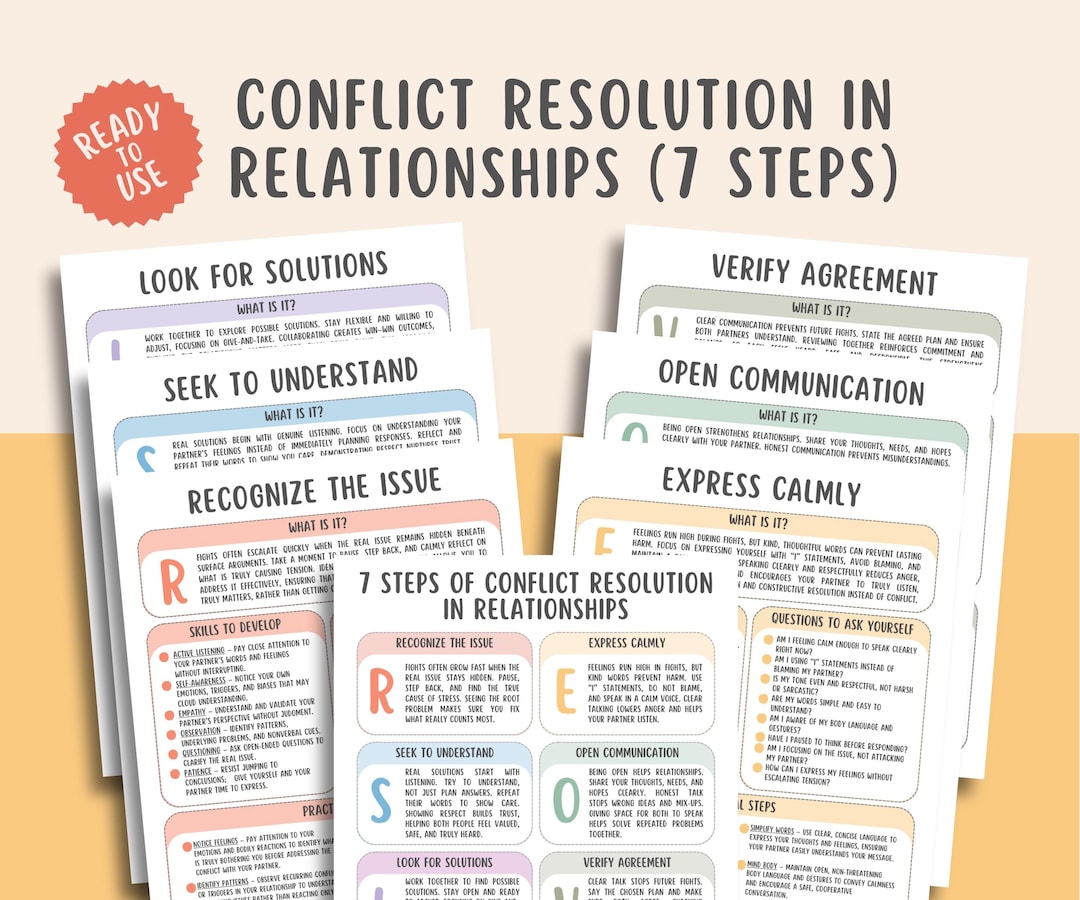
When conflict arises, experts suggest identifying the underlying need rather than focusing solely on the symptom. For example, if a disagreement occurs over how time is spent, the root cause may be a lack of quality connection or differing views on the necessity of "me time." Addressing the root cause prevents recurring arguments and fosters a stronger foundation.
Common Pitfalls
- Over-communication of feelings without action: Speaking about needs is necessary, but consistently failing to adjust behavior leads to resentment.
- Neglecting individual growth: Relying entirely on a partner for personal fulfillment can create an unsustainable power dynamic.
- Ignoring "Red Flags": Disregarding fundamental differences in values—such as views on finances or life milestones—early in the journey often leads to significant complications later.
Long-term Sustainability and Maintenance
Long-term success in a relationship is not a static state; it is an active process of maintenance. By 2026, research into relational health increasingly highlights the importance of "micro-habits"—small, consistent actions that reaffirm commitment and care. These can include scheduled check-ins regarding the state of the relationship, consistent physical affection, and collaborative financial management.
For couples reaching this stage, the journey involves refining the partnership to accommodate changes. As careers evolve and life circumstances change, the agreement made in the exclusivity stage may require updates. Maintaining a flexible and communicative approach ensures that the partnership remains resilient against the inevitable stresses of adult life.
Frequently Asked Questions
How do I know when to have the "exclusive" conversation? The conversation should occur when you reach a point of discomfort with the uncertainty of seeing others or when you feel that your time and emotional energy are being primarily invested in one person. There is no set timeline, but it should happen before expectations become misaligned.
Is it normal for a relationship to lose its initial intensity? Yes. The biological intensity of early attraction typically fades into a more stable, companionate form of love. This transition is a natural part of a maturing relationship and allows for deeper trust and partnership to take root.
What is the best way to handle disagreements about long-term goals? Begin by articulating the goal clearly and listening to your partner’s perspective without immediate judgment. Identify if the goals are mutually exclusive or if there is a middle ground or compromise that allows both partners to feel supported in their individual growth.
How do you re-establish connection after a period of distance? Focus on quality time that minimizes external distractions. Engage in new shared activities or revisit habits that were prioritized during the early stages of the relationship to help rebuild positive association and communication pathways.
Should we discuss finances early in the dating journey? While you do not need to share specific account details early on, discussing financial philosophies—such as attitudes toward debt, saving, and spending—is essential before moving into serious commitment or cohabitation to ensure fundamental values are aligned.
Recommendation for Moving Forward
If you are currently evaluating your position in a dating journey, start by conducting a self-assessment. Identify which stage you are currently in and compare your current communication and habits against the requirements of that stage. If there is a discrepancy, initiate a transparent, low-pressure conversation with your partner. Clarity in the present is the most effective tool for building the future you desire.
Image Gallery