The Complete Timeline and Voice Cast of Simba in The Lion King (1994)
The 1994 animated classic The Lion King features Simba’s character development across multiple life stages, voiced by Jonathan Taylor Thomas as a cub, Jason Weaver for his singing voice, and Matthew Broderick as an adult. This developm...
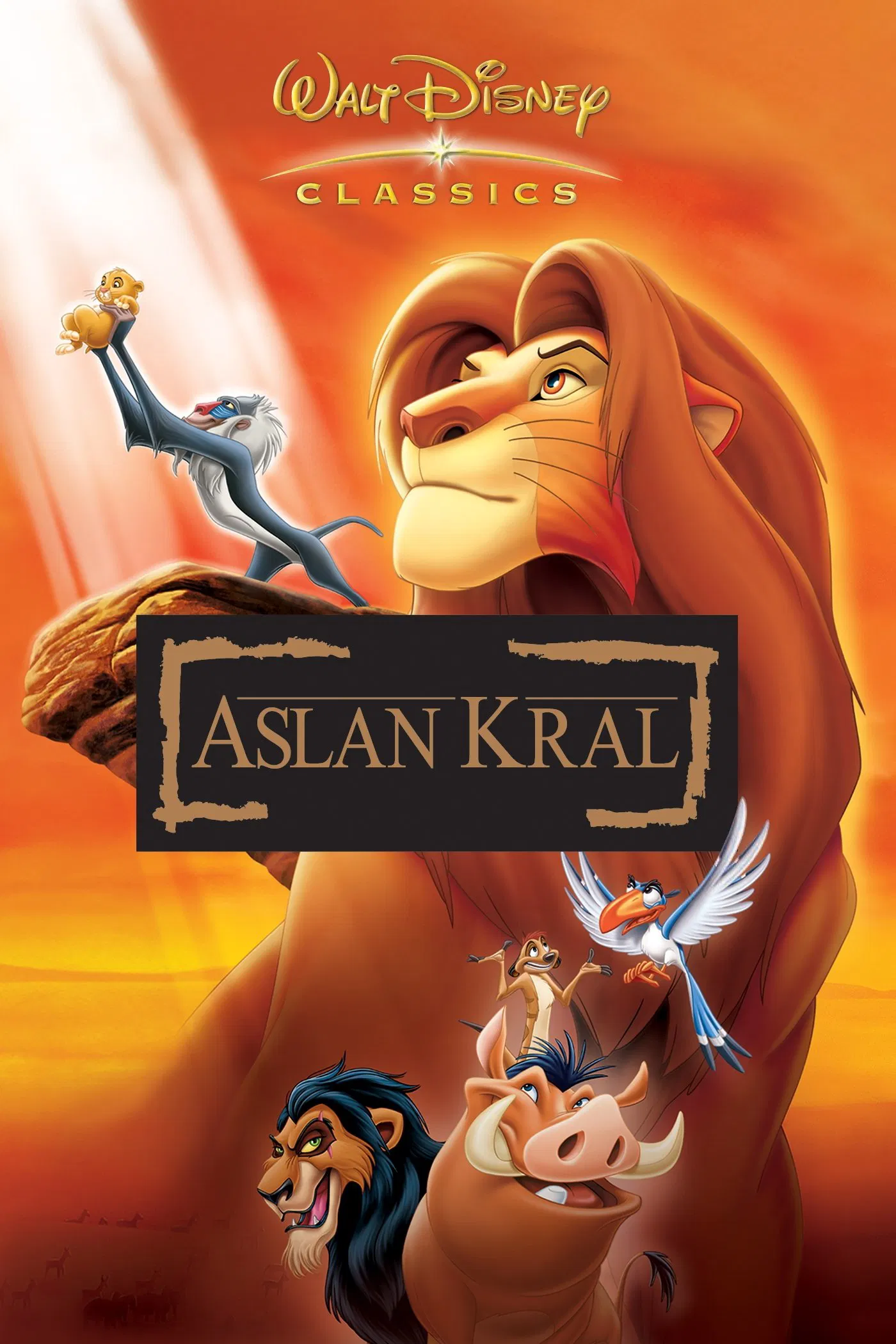
The 1994 animated classic The Lion King features Simba’s character development across multiple life stages, voiced by Jonathan Taylor Thomas as a cub, Jason Weaver for his singing voice, and Matthew Broderick as an adult. This developmental timeline traces Simba from his birth and early lessons in the Pride Lands through his exile, growth in the jungle under Hakuna Matata, and triumphant return to claim his rightful place as king.
Contents
Understanding Simba's Character Arc in the 1994 Masterpiece
Walt Disney Feature Animation released The Lion King in June 1994, introducing audiences to a sweeping coming-of-age narrative heavily inspired by Shakespeare's Hamlet. At the emotional center of this epic is Simba, the son of Mufasa and Sarabi. His journey from an eager, reckless cub to a mature, responsible monarch forms the backbone of the film's structural narrative.
To fully understand how Simba evolves throughout the film, one must examine both the narrative milestones of his life stages and the specific voice talent that brought each phase to life. The film's directors, Roger Allers and Rob Minkoff, structured the narrative around three distinct physiological and psychological phases: cubhood, adolescence in exile, and adulthood. Each phase requires a distinct vocal profile and emotional register, making the voice casting choices critical to the film's enduring legacy.
The Voice Cast Behind Simba Across the Years
Creating a believable vocal evolution for a lion growing from a cub into a full-grown adult male required dividing the role among multiple performers. This approach allowed the vocal textures to match Simba’s changing physical stature and emotional maturity.
Young Simba (Speaking Voice)
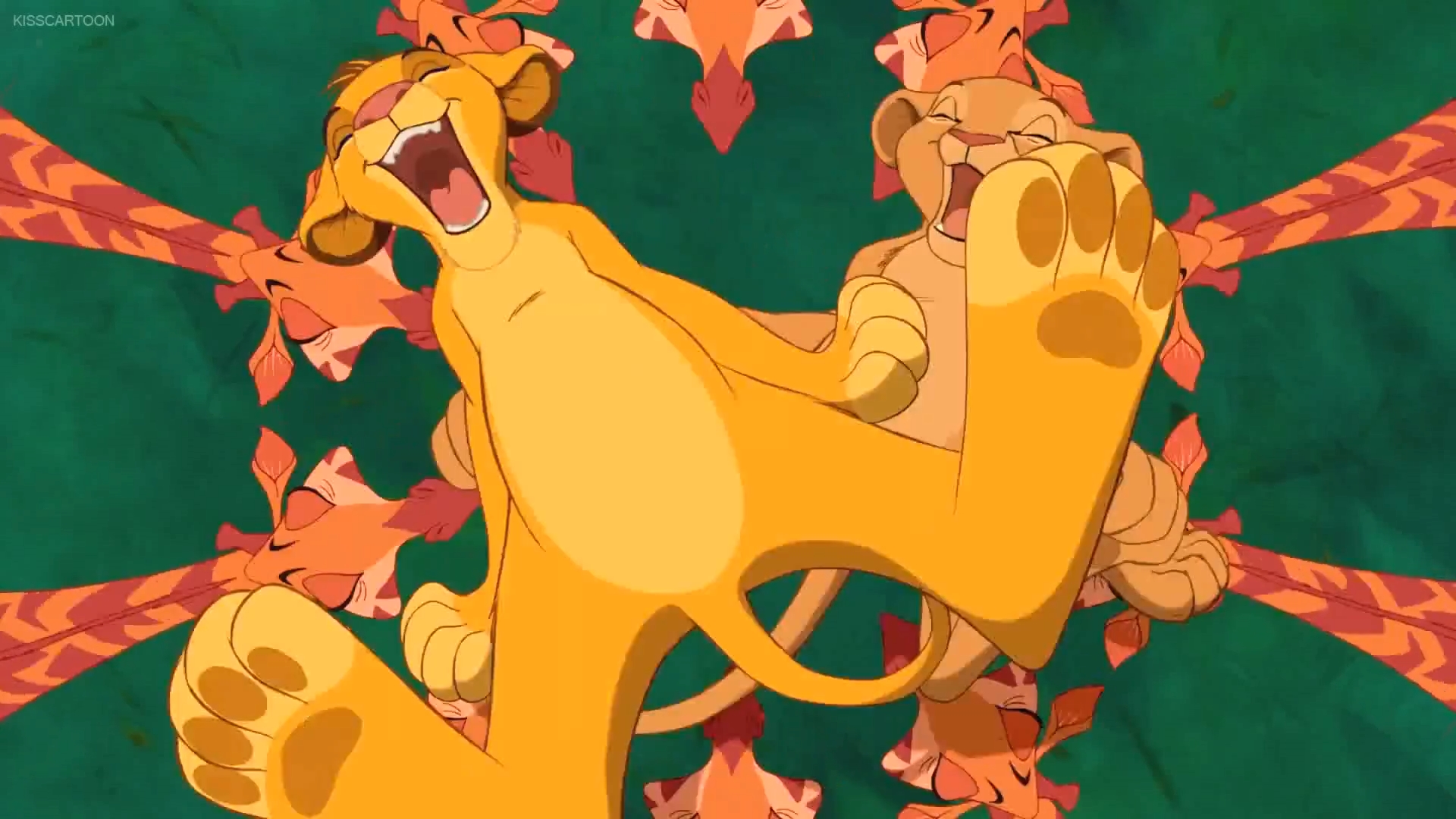
Jonathan Taylor Thomas, widely recognized at the time for his television work on Home Improvement, provided the speaking voice for Young Simba. His vocal delivery captured the high-energy enthusiasm, stubborn curiosity, and vulnerable innocence of a young prince who believes he can conquer the world before he is ready. Thomas’s performance grounds scenes like the "I Just Can't Wait to Be King" sequence and the tense encounters in the Elephant Graveyard.
Young Simba (Singing Voice)
Because young Thomas's vocal range could not handle the specific melodic demands of the film's musical numbers, studio producers hired actor and singer Jason Weaver to provide Young Simba's singing voice. Weaver delivered the iconic vocal performances for "I Just Can't Wait to Be King," blending youthful exuberance with professional musicality. Weaver's vocal contributions ensured that the youthful numbers carried the necessary Broadway-style punch required for Disney's animated musical renaissance.
Adult Simba
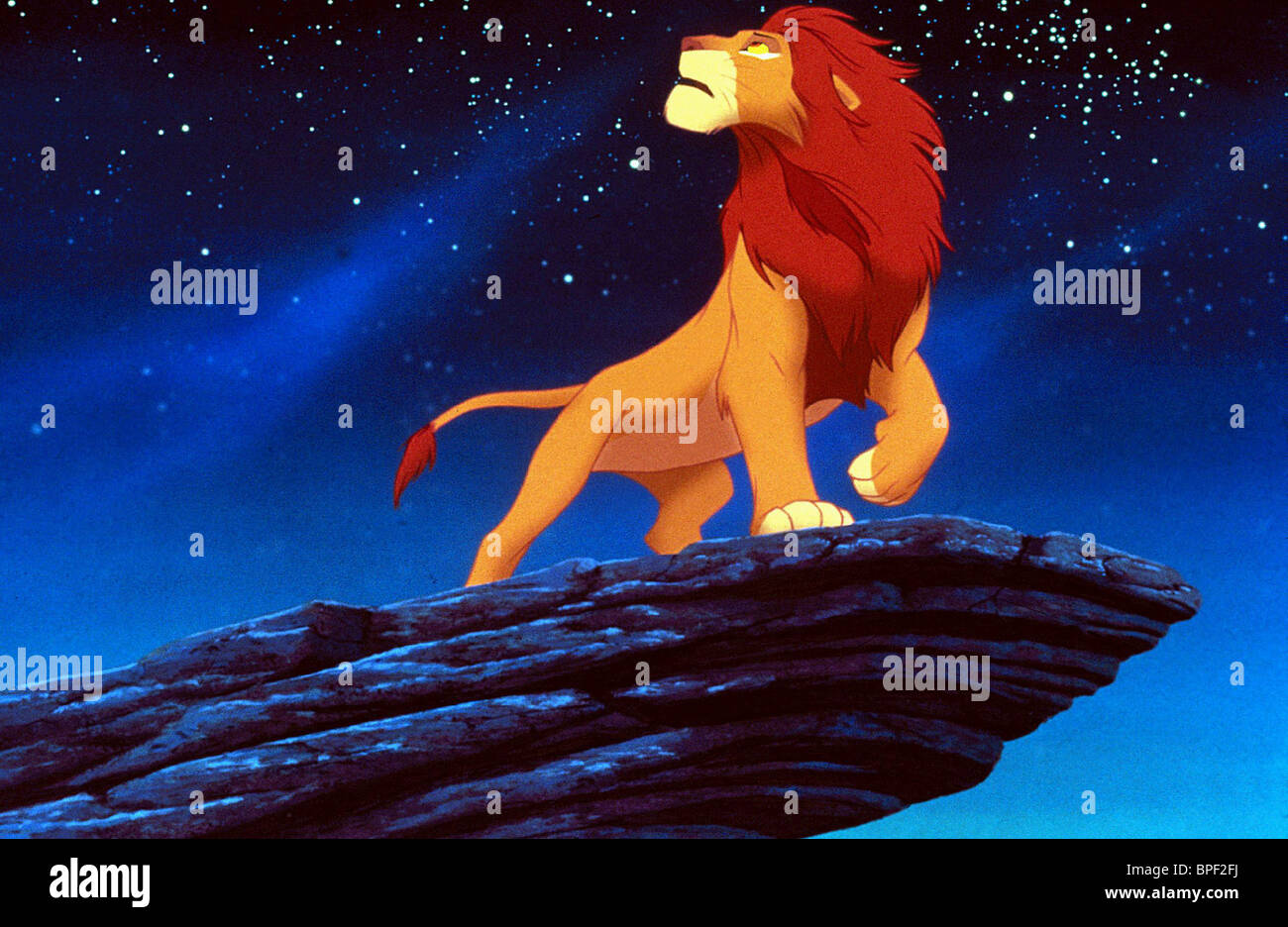
When Simba flees the Pride Lands and grows into maturity during his years in exile, Matthew Broderick assumes the role. Broderick brought a distinct charm, laid-back cadence, and underlying emotional weight to Adult Simba. His performance effectively communicates a character running from his past, trying to adopt the carefree philosophy of "Hakuna Matata" while wrestling with unresolved grief and guilt over his father's death. Broderick's voice anchors the second half of the film, culminating in the fierce determination required for the final confrontation with Scar.
Chronological Timeline of Simba's Life Stages
The narrative timeline of The Lion King spans several years, transitioning from joyful celebration to tragic loss, psychological flight, and ultimate redemption.
1. Birth and Presentation (Cubhood: Phase One)
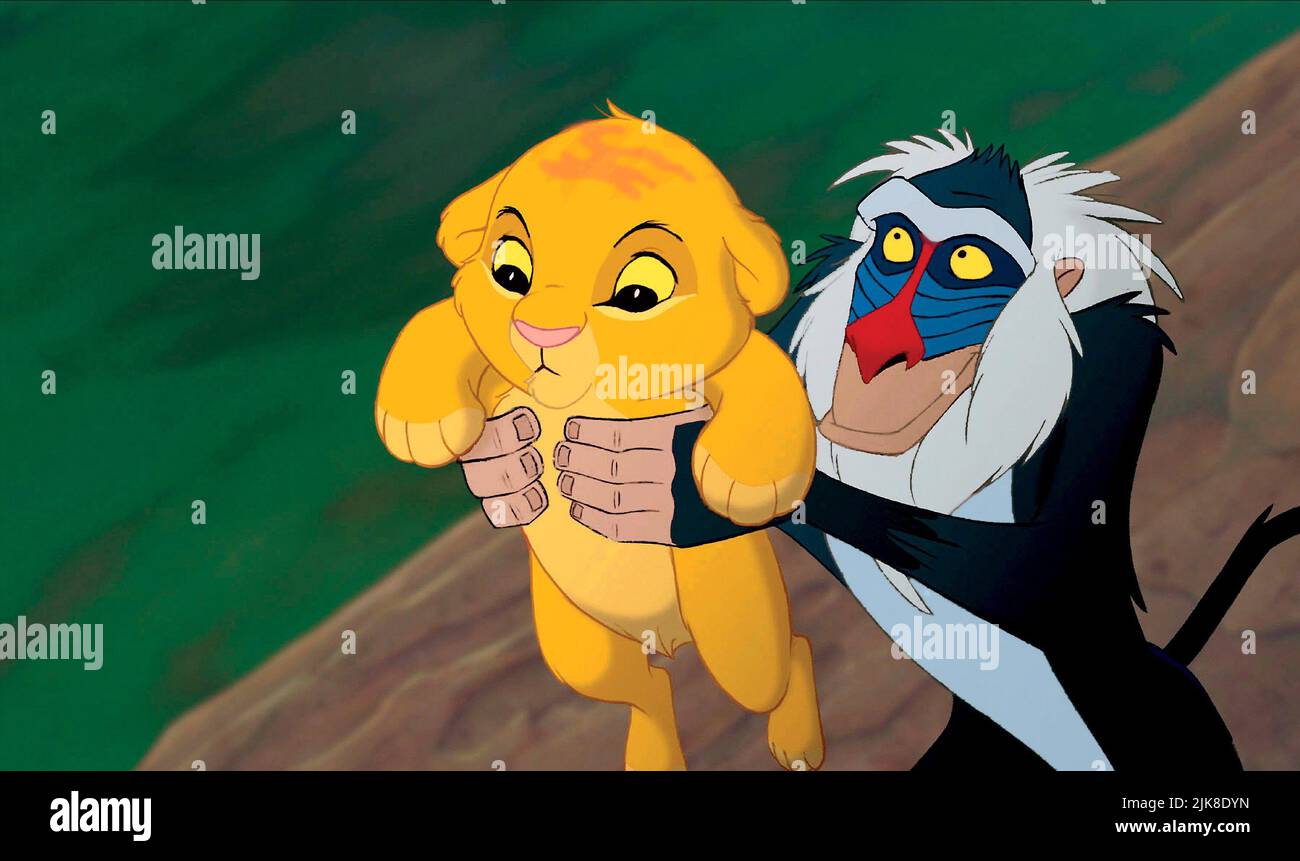
The film opens with the legendary "Circle of Life" sequence, depicting the birth and presentation of Prince Simba to the assembled animals of the Pride Lands by Rafiki. During this early stage, Simba is under the direct tutelage of his father, Mufasa. Mufasa teaches him about the delicate balance of nature, the responsibilities of leadership, and the boundaries of the kingdom—specifically warning him away from the shadowy Elephant Graveyard.
2. The Elephant Graveyard and the Stampede (Cubhood: Phase Two Driven by Trauma)
Driven by the manipulation of his uncle Scar, Simba and his best friend, Nala, visit the forbidden Elephant Graveyard, where they are ambushed by hyenas before Mufasa rescues them. Shortly thereafter, Scar orchestrates a wildebeest stampede in a gorge, trapping Simba. Mufasa saves his son from the stampede's path but loses his own life when Scar betrays him and casts him into the gorge. Scar then manipulates the grieving cub into believing he is entirely responsible for his father's death, driving a devastated Simba into exile.
3. Exile and Growth in the Jungle (Adolescence)
Collapsing from exhaustion in a distant desert, Simba is discovered by Timon (Nathan Lane) and Pumbaa (Ernie Sabella), a meerkat and warthog duo who rescue him and introduce him to their stress-free philosophy: Hakuna Matata ("no worries"). Simba transitions into adolescence in this lush, hidden sanctuary, deliberately burying his past, his royal identity, and his responsibilities as he grows into a full-sized adult lion.
4. The Reunion and Confrontation (Adulthood)
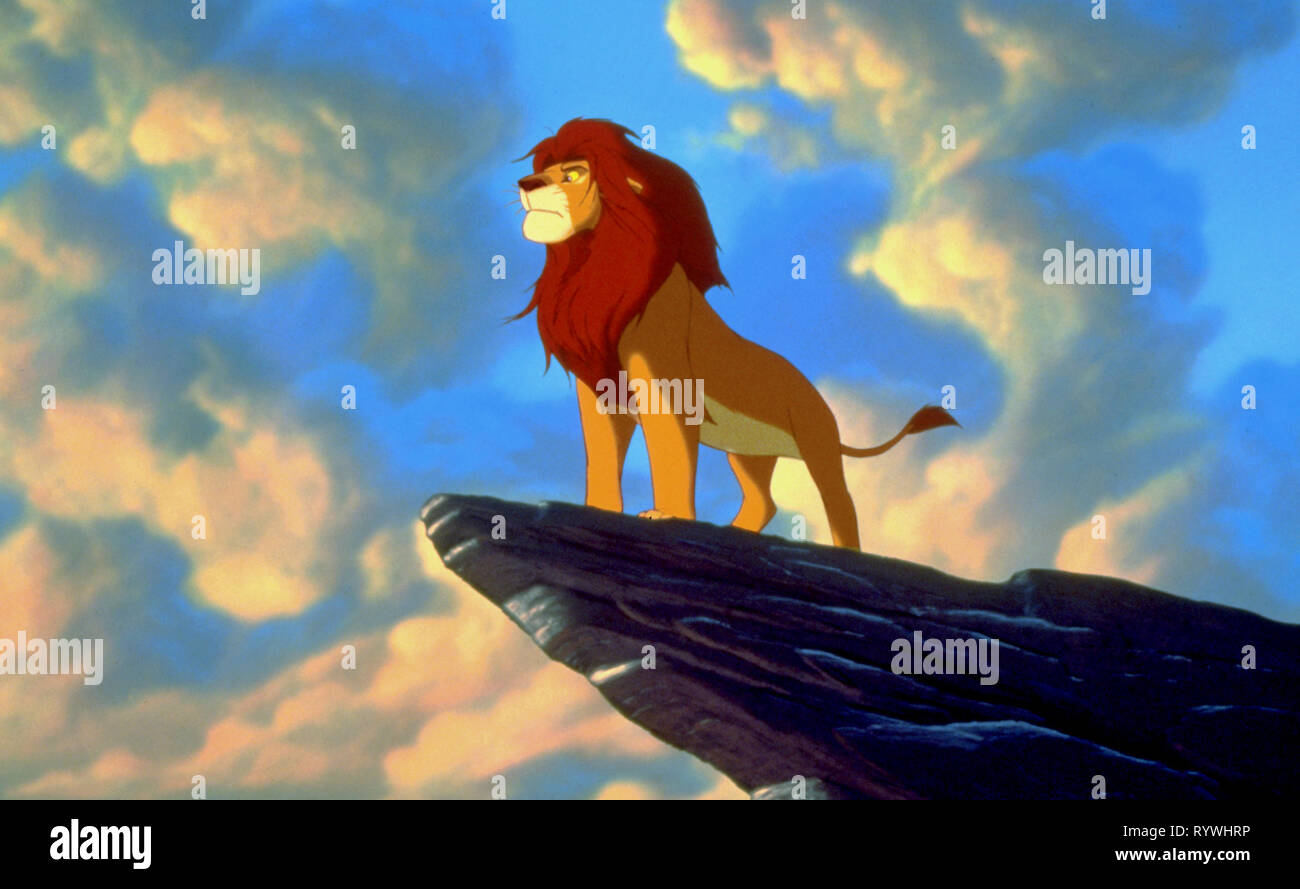
Simba's adolescence ends abruptly when an adult Nala wanders into their jungle territory while hunting and discovers him alive. Nala informs him that under Scar's tyrannical rule, the Pride Lands have been devastated, turning into a barren wasteland. Haunted by his past, mentored by the mystical mandrill Rafiki, and visited by a ghostly apparition of Mufasa in the night sky, Simba accepts his identity. He returns to the Pride Lands, defeats Scar, restores the ecological balance, and ascends Pride Rock as the rightful king.
Comparative Voice Cast and Role Breakdown
| Character Stage | Performer | Primary Responsibility | Key Musical/Narrative Association |
|---|---|---|---|
| Young Simba | Jonathan Taylor Thomas | Speaking dialogue for cub scenes | Curiosity, Elephant Graveyard, relationship with Mufasa |
| Young Simba | Jason Weaver | Singing voice for musical numbers | "I Just Can't Wait to Be King" |
| Adult Simba | Matthew Broderick | Speaking and singing for adult arc | Exile, "Hakuna Matata," return to Pride Rock |
| Adult Nala | Moira Kelly | Companion and catalyst for return | "Can You Feel the Love Tonight" |
| Scar | Jeremy Irons | Antagonist and catalyst for timeline shift | "Be Prepared," usurpation of the throne |
Frequently Asked Questions
Who voiced Simba in the 1994 animated movie The Lion King?
Simba was voiced by multiple performers depending on his age and whether he was speaking or singing. Jonathan Taylor Thomas provided the speaking voice for Young Simba, Jason Weaver provided the singing voice for Young Simba, and Matthew Broderick voiced Adult Simba.
Why did different people voice Young Simba's speaking and singing roles?
Disney production teams frequently separate speaking and singing roles in animated features to secure the ideal dramatic acting performance for dialogue while hiring professional vocalists who can hit complex Broadway-style musical notes required for major songs.
How many years pass during Simba's timeline in The Lion King?
While the film does not state an exact number of calendar years, the narrative implies a multi-year jump. Simba transitions from a small cub who cannot roar effectively to a fully grown adult lion with a thick mane, while his childhood friend Nala simultaneously matures into an adult lioness.
Who directed The Lion King (1994)?
The Lion King was directed by Roger Allers and Rob Minkoff, marking their feature-film directorial debuts for Walt Disney Feature Animation. Don Hahn served as the producer, and the film featured songs by Elton John and Tim Rice.
Next Actions and Recommendations
For viewers seeking to explore Simba's timeline further, comparing the 1994 animated feature with Jon Favreau's 2019 CGI remake offers valuable insight into how modern digital filmmaking recreates the same chronological milestones. Reviewing the original soundtrack recordings by Elton John and Hans Zimmer also provides deeper context into how musical motifs track Simba's emotional evolution from tragedy to triumph.
Image Gallery