How Flame Color Reveals Heat: The Physics of Combustion Temperatures
Flame color reveals heat by acting as a visual indicator of temperature through two primary physical processes: black-body radiation and chemiluminescence. As a substance burns more intensely, the light emitted shifts from longer wavel...
Flame color reveals heat by acting as a visual indicator of temperature through two primary physical processes: black-body radiation and chemiluminescence. As a substance burns more intensely, the light emitted shifts from longer wavelengths (red/orange) to shorter wavelengths (blue/white), signifying an increase in thermal energy and combustion efficiency.
Contents
The Relationship Between Color and Thermal Energy
To understand how flame color reveals heat, one must first distinguish between the light produced by glowing solid particles and the light produced by chemical reactions. In most common fires, such as a wood-burning fireplace or a candle, the dominant light source is incandescence. This occurs when tiny particles of carbon—known as soot—become so hot that they glow.
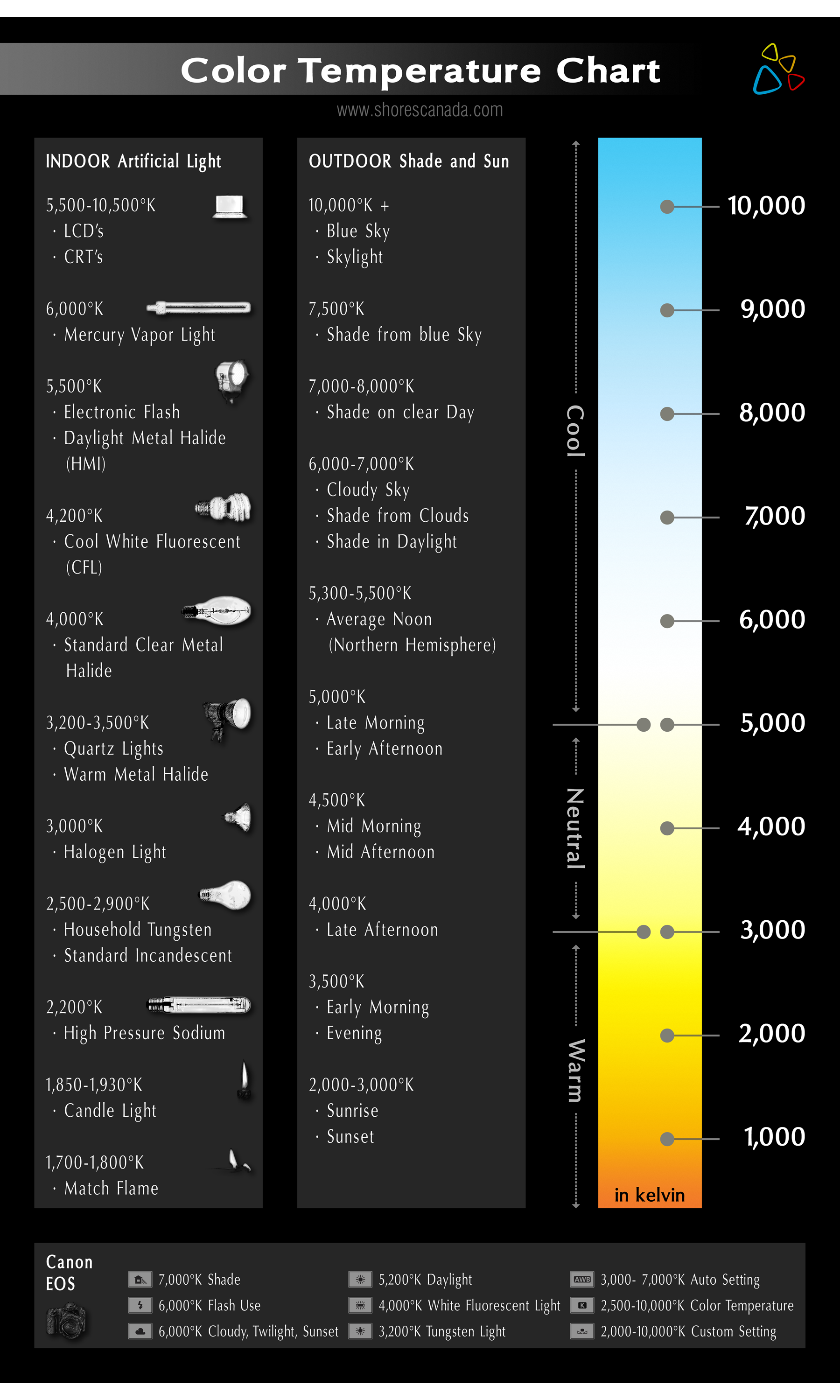
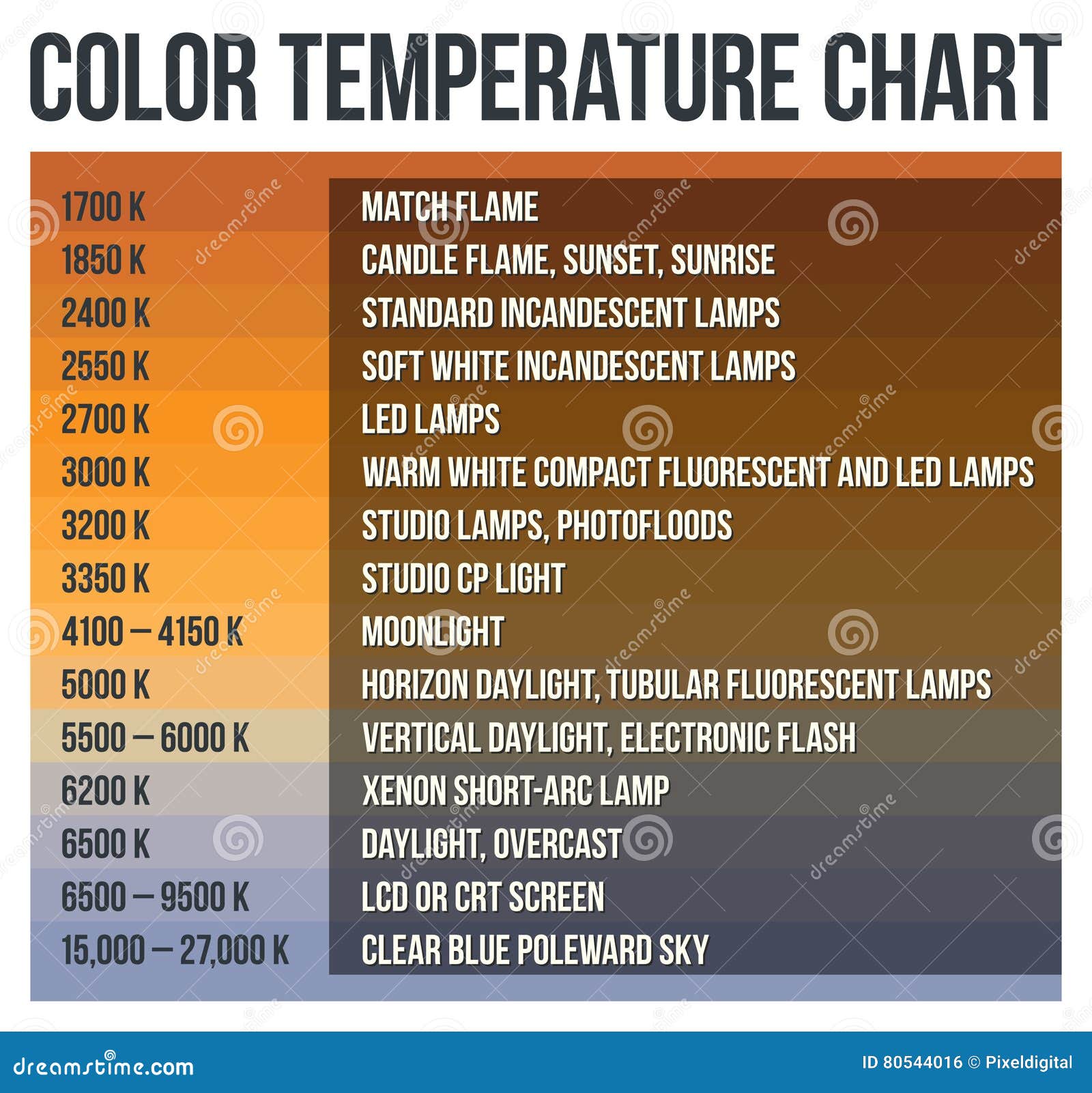
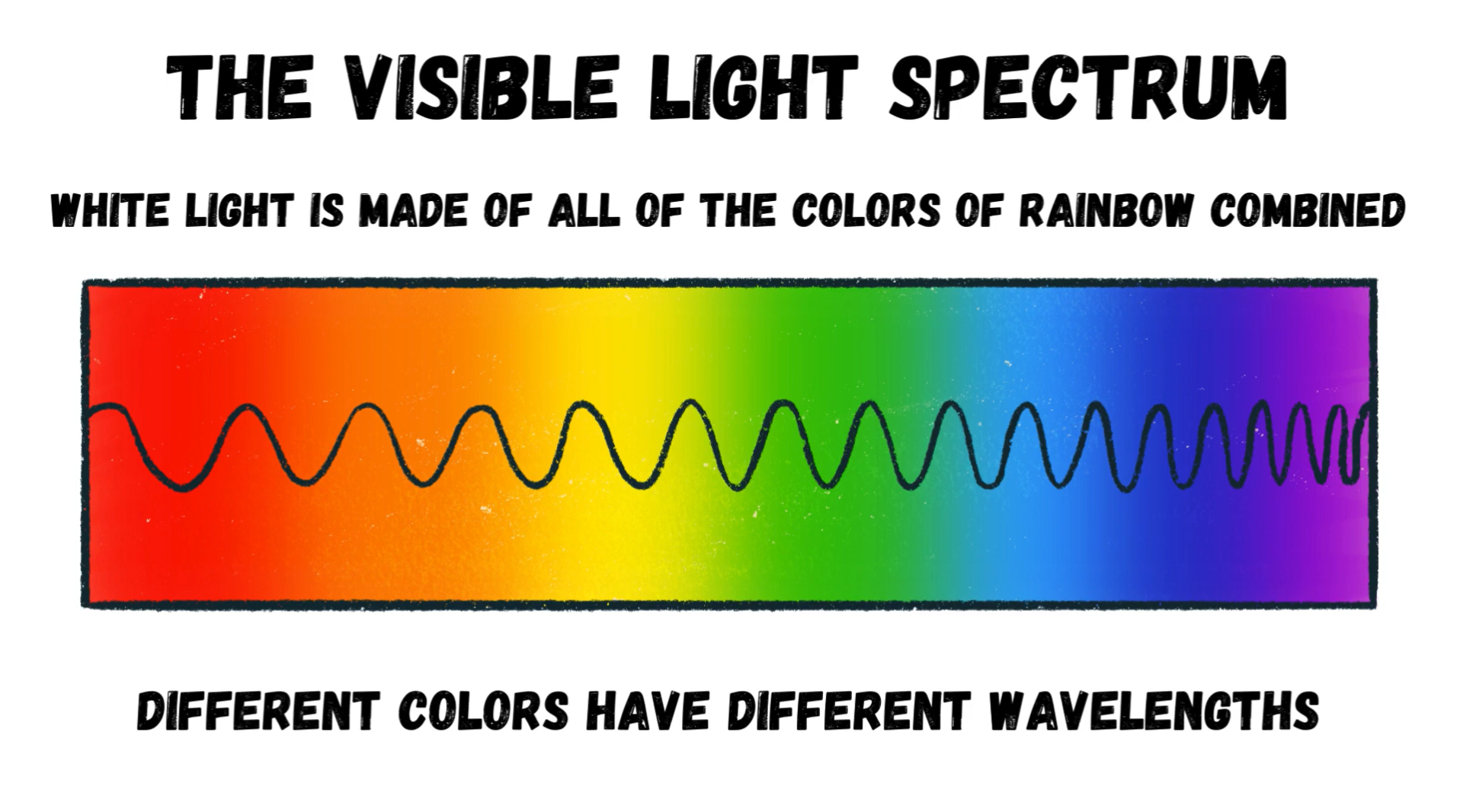
As the temperature of these particles increases, they emit photons at higher energy levels. This is governed by Wien’s Displacement Law, a fundamental principle of physics stating that the peak wavelength of light emitted by a black body is inversely proportional to its absolute temperature. In simpler terms, as an object gets hotter, the color of the light it emits moves from the red end of the visible spectrum toward the blue and ultraviolet end.
In 2026, thermal imaging and spectroscopic analysis remain the gold standards for precise measurement in industrial settings, but the fundamental visual cues of flame color still provide essential, real-time data for blacksmiths, glassblowers, and HVAC technicians.
The Progression of Flame Temperatures by Color
The color spectrum of a flame provides a reliable, albeit approximate, thermometer for the observer. By identifying the specific hue, one can estimate the thermal energy present within the combustion zone.
Red and Dark Orange: The Lower Threshold
A dull red flame typically indicates a temperature range of approximately 525°C to 1,000°C (975°F to 1,800°F). This is often seen in the early stages of a fire or in embers where the oxygen supply is limited. While 500°C is certainly hot enough to cause severe burns and ignite many materials, it is considered "cool" in the context of professional combustion. In these flames, the combustion is often incomplete, leading to higher levels of smoke and carbon monoxide.
Bright Orange and Yellow: Standard Combustion
Most wood fires and decorative candles operate in the yellow-to-orange range, which corresponds to temperatures between 1,100°C and 1,200°C (2,000°F to 2,200°F). The bright yellow color is primarily caused by the incandescence of soot particles. In these instances, the flame is "fuel-rich," meaning there is more fuel available than oxygen to burn it completely. The unburnt carbon particles are heated to the point of glowing yellow before they leave the flame zone as smoke.
White: Intense Thermal Energy
When a flame reaches a white hue, it generally indicates temperatures exceeding 1,300°C to 1,500°C (2,400°F to 2,700°F). This transition occurs because the emission spectrum has become broad enough to include almost all colors of visible light, which the human eye perceives as white. You will often see white flames in high-efficiency furnaces or at the heart of a large, well-oxygenated industrial forge.
Blue: The Peak of Efficiency
Blue flames represent the hottest and most efficient form of combustion, often reaching 1,400°C to 1,650°C (2,550°F to 3,000°F) or higher. Unlike yellow flames, the blue color does not usually come from glowing soot. Instead, it is the result of chemiluminescence. In a blue flame, there is enough oxygen to ensure that all the fuel is burned completely. The light comes from excited molecular fragments, specifically CH and C2 radicals, which emit light in the blue region of the spectrum as they react.
Flame Color and Temperature Reference Table
| Flame Color | Estimated Temperature (°C) | Estimated Temperature (°F) | Primary Cause |
|---|---|---|---|
| Dull Red | 525 – 700 | 975 – 1,300 | Incandescence (Soot) |
| Bright Red | 700 – 1,000 | 1,300 – 1,800 | Incandescence (Soot) |
| Orange | 1,100 – 1,200 | 2,000 – 2,200 | Incandescence (Soot) |
| Yellow | 1,200 – 1,300 | 2,200 – 2,400 | Incandescence (Soot) |
| White | 1,300 – 1,500 | 2,400 – 2,700 | Broad Spectrum Incandescence |
| Blue | 1,400 – 1,650+ | 2,550 – 3,000+ | Chemiluminescence |
Why Oxygen Content Changes Flame Color
The availability of oxygen is the single most important factor in determining flame color and, consequently, heat. This is best demonstrated using a Bunsen burner, a staple of laboratory science.
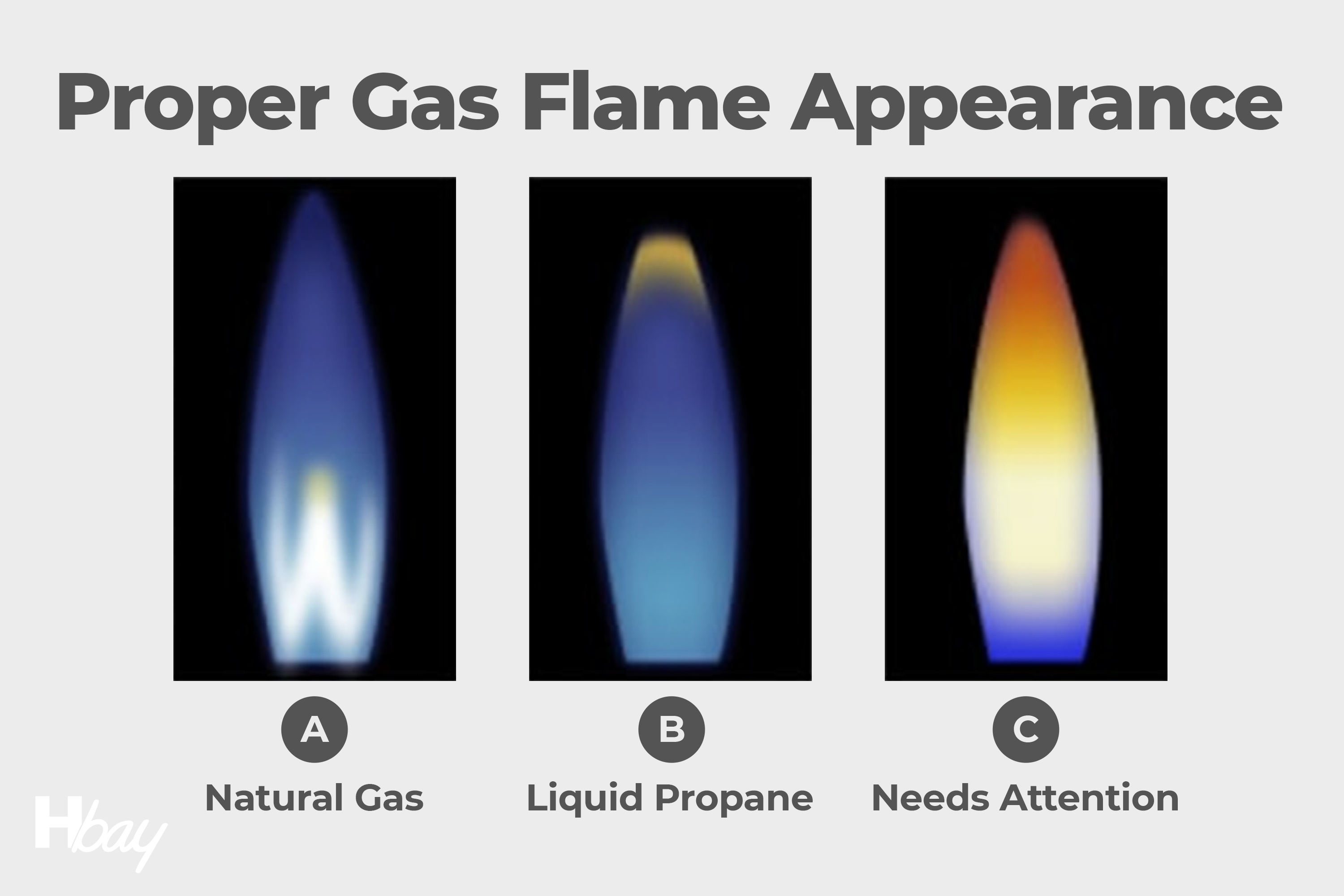
- Air Hole Closed: When the air intake is closed, the burner produces a "safety flame." This flame is yellow and relatively cool. Because oxygen is only available at the outer surface of the flame, combustion is incomplete, creating many soot particles that glow yellow.
- Air Hole Open: When the air intake is opened, oxygen is pre-mixed with the gas before it reaches the burner tip. This results in a "roaring blue flame." The combustion is nearly perfect (stoichiometric), and the absence of soot means the light is produced by chemical transitions rather than glowing dust.
In industrial applications, such as power plants or glass manufacturing, maintaining a blue flame is critical for maximizing fuel efficiency and minimizing pollutant emissions. A shift toward yellow in a system designed for blue indicates a drop in temperature and an increase in carbon buildup.
Chemical Additives and the "False" Color Signal
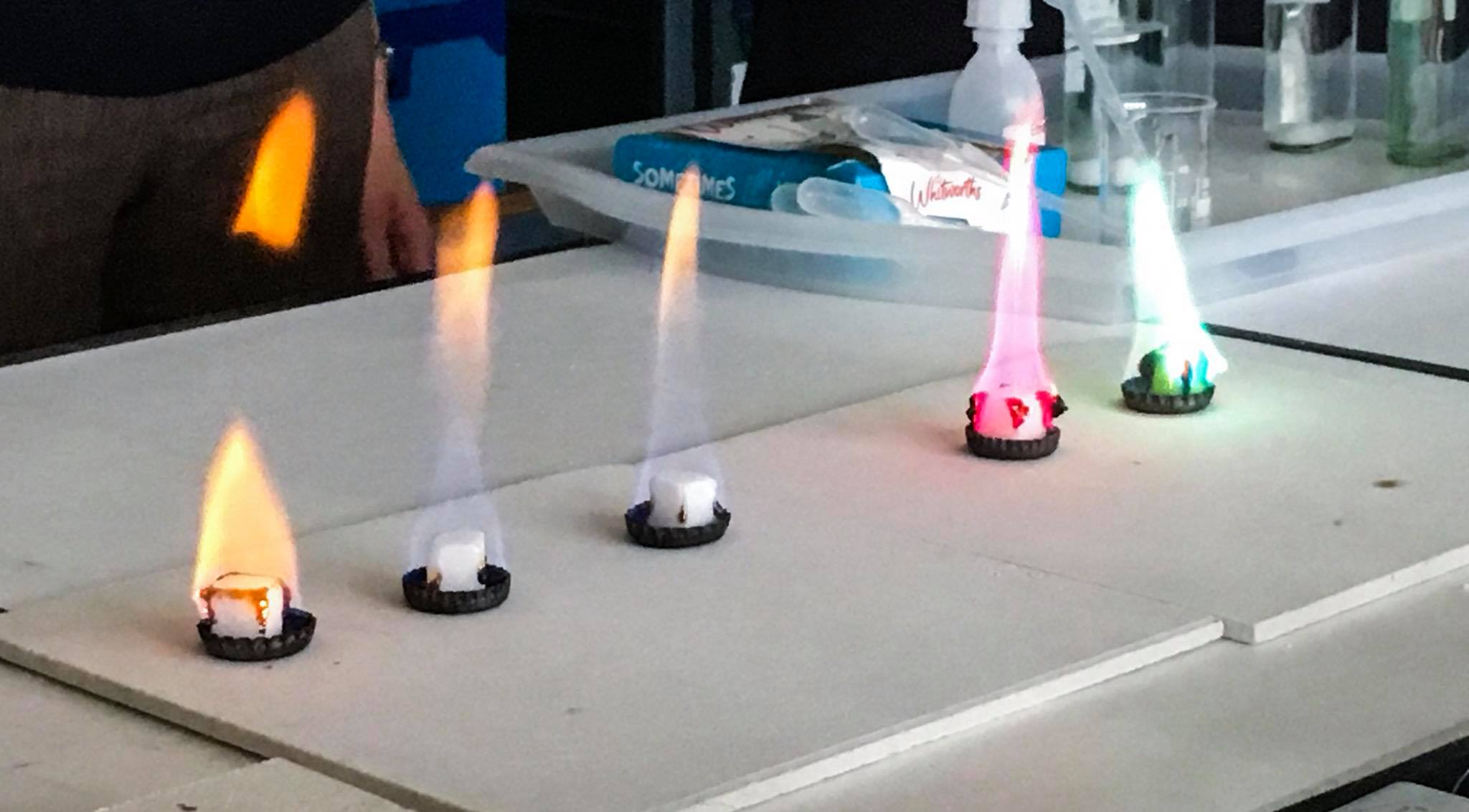
While color is a great indicator of heat for pure hydrocarbons (like wood, wax, or natural gas), it can be misleading if other elements are present. This is the principle behind fireworks.
When specific metal salts are introduced into a flame, they undergo their own electronic transitions, emitting light at characteristic wavelengths that have nothing to do with the flame's temperature. For example:
- Copper: Produces a green or blue flame.
- Strontium or Lithium: Produces a deep red flame.
- Potassium: Produces a lilac or violet flame.
- Sodium: Produces an intense, overwhelming yellow flame.
In these cases, a "green" flame isn't necessarily cooler or hotter than a "red" one; the color is a reveal of chemical composition rather than thermal energy. When evaluating heat, you must ensure the fuel source is "clean" or recognize that these chemical signatures override the standard black-body radiation rules.
Practical Applications in Industry and Safety
Understanding how flame color reveals heat is not just a matter of scientific curiosity; it has practical implications for safety and efficiency across various sectors.
HVAC and Home Safety
In a residential gas furnace or water heater, the flame should always be blue. A steady blue flame indicates that the appliance is burning fuel efficiently and safely. If the flame appears yellow or orange, it is a sign of incomplete combustion. This is a critical safety warning, as incomplete combustion is the primary producer of carbon monoxide (CO), a colorless, odorless, and potentially lethal gas. Homeowners in 2026 are encouraged to monitor pilot lights and burner colors as a first line of defense against CO poisoning.
Metalworking and Blacksmithing
Forgers and blacksmiths use the color of both the flame and the heated metal to determine workability. While modern shops may use infrared pyrometers, an experienced smith can judge the "heat" of the forge by the whiteness of the flame. Different tasks, such as tempering versus forge-welding, require specific temperature ranges that are easily identified by the transition from cherry red to bright yellow.
Firefighting and Emergency Response
Firefighters use flame and smoke color to assess the stage and intensity of a structure fire. A dark, "lazy" red flame often indicates a fire that is oxygen-starved but full of fuel, posing a high risk of a backdraft if a door or window is opened. Conversely, a bright, intense white light visible through windows suggests an extremely high-temperature environment where structural collapse may be imminent.
Further Scientific Context
For those seeking to dive deeper into the mathematics of flame temperature, several authoritative bodies provide extensive data. The National Institute of Standards and Technology (NIST) offers comprehensive tables on the thermal properties of fuels. Additionally, research into microgravity combustion by NASA has revealed how flame shape and color change when convection is removed, further proving the link between oxygen delivery and heat production. For detailed engineering constants regarding combustion, The Engineering Toolbox remains a primary resource for calculating adiabatic flame temperatures.
Frequently Asked Questions
Is a blue flame always hotter than a red flame?
In the context of standard combustion (like a gas stove or a candle), yes, a blue flame is significantly hotter than a red flame. The blue color indicates complete combustion and higher energy release. However, if chemicals like copper are added to a fire, they can create a blue color at much lower temperatures.
Why is the bottom of a candle flame blue?
The base of a candle flame has better access to the surrounding oxygen. In this small "pre-mixed" zone, the combustion is more complete, resulting in a blue hue. As the gases rise, they become oxygen-depleted and filled with soot, which then glows yellow in the upper part of the flame.
At what temperature does a flame turn white?
A flame generally begins to appear white to the human eye when it surpasses 1,300°C (2,400°F). At this point, the soot particles are so hot that they emit a broad range of wavelengths across the visible spectrum.
Does flame color change in a vacuum?
In a true vacuum, a flame cannot exist because combustion requires an oxidizer (usually oxygen). However, in microgravity (like on the International Space Station), flames become spherical and often appear more blue because the lack of convection leads to a different oxygen-mixing profile.
Can you determine the exact temperature of a fire just by looking?
No. While color provides a very good estimate, it is not precise. Factors like the type of fuel, the presence of impurities, and even the ambient lighting can change how we perceive the color. For exact measurements, scientists use thermocouples or spectrometers.
Practical Recommendation
When observing a flame to determine its heat, first identify the fuel source. If you are looking at a gas-powered appliance, strive for a crisp blue flame, as this ensures both maximum heat efficiency and safety from carbon monoxide. If you are working with wood or coal and require higher heat, increase the oxygen supply (using a bellows or fan) until the flame shifts from orange to a bright yellow or white. Always use appropriate eye protection, such as IR-filtered lenses, when observing high-temperature white or blue flames for extended periods to prevent "arc eye" or thermal retinal damage.
Image Gallery