The Legacy of "I'll Be Missing You" and "Every Breath You Take": Sampling, Rights, and Music History
The connection between "I'll Be Missing You" (1997) and "Every Breath You Take" (1983) represents one of the most famous examples of music sampling and copyright law in history. Puff Daddy (Sean Combs) sampled the iconic guitar riff fr...
The connection between "I'll Be Missing You" (1997) and "Every Breath You Take" (1983) represents one of the most famous examples of music sampling and copyright law in history. Puff Daddy (Sean Combs) sampled the iconic guitar riff from The Police's hit to create a tribute to the late Notorious B.I.G., but failed to clear the rights beforehand. This resulted in Sting, the primary songwriter of the original, receiving 100% of the publishing royalties for the new track.
Contents
The Genesis of "Every Breath You Take" (1983)
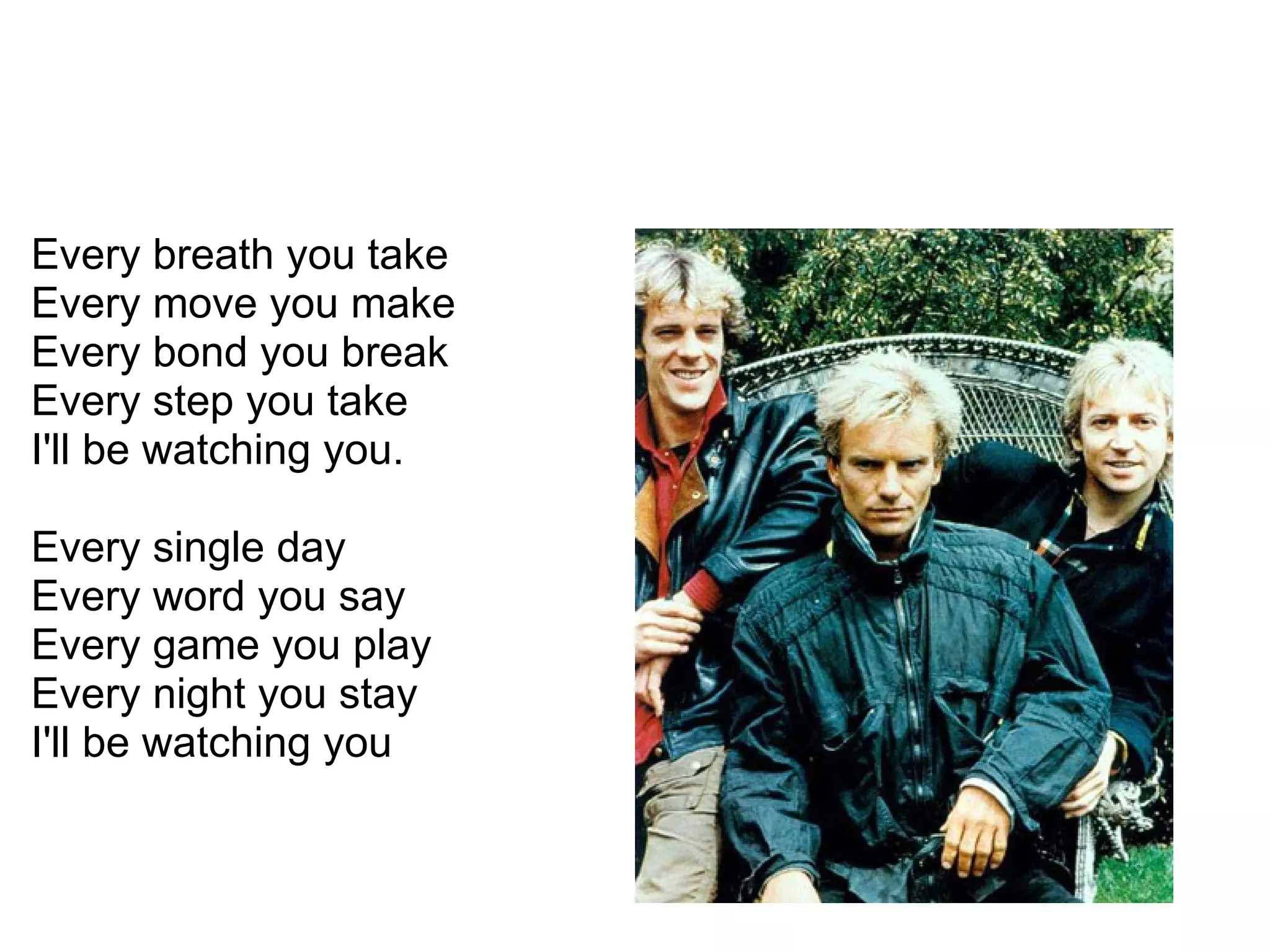
To understand the 1997 tribute, one must first look at the foundation laid by The Police in the early 1980s. Released in 1983 as the lead single from the album Synchronicity, "Every Breath You Take" is often misinterpreted as a gentle love song. In reality, Sting wrote the lyrics during a period of personal turmoil following his separation from Frances Tomelty. The song is an exploration of obsession, surveillance, and jealousy.
The track’s signature sound is defined by guitarist Andy Summers’ intricate, chorused guitar riff. Although Sting wrote the melody and the lyrics, Summers' contribution—a cyclical, arpeggiated figure—gave the song its hypnotic and slightly menacing quality. The song spent eight weeks at number one on the Billboard Hot 100 and won two Grammy Awards, cementing its place as a definitive piece of 1980s pop-rock.
As of 2026, "Every Breath You Take" remains one of the most-played songs in radio history. Its longevity is attributed to its deceptive simplicity; the "I'll be watching you" refrain resonates across generations, albeit for different reasons than the songwriter originally intended.
The Tragedy Behind "I'll Be Missing You" (1997)
The cultural landscape of 1997 was overshadowed by the tragic murder of Christopher Wallace, known globally as The Notorious B.I.G. (Biggie Smalls). In the wake of his death, his close friend and producer Sean "Puff Daddy" Combs sought a way to process the grief and pay homage to the fallen legend.
Combs, along with Faith Evans (Wallace’s widow) and the R&B group 112, recorded "I'll Be Missing You." The song was built directly upon the instrumental foundation of "Every Breath You Take." While the original was a song about a stalker's obsession, the 1997 version transformed the melody into a soulful eulogy. The chorus, sung by Evans, mirrors the melody of Sting’s original but changes the lyrics to reflect loss: "Every step I take, every move I make / Every single day, every time I pray / I'll be missing you."
The song was an immediate global phenomenon. It debuted at number one on the Billboard Hot 100, a rare feat at the time, and stayed there for eleven weeks. It eventually won the Grammy Award for Best Rap Performance by a Duo or Group. However, behind the scenes, a significant legal oversight was brewing.
The Sampling Mistake and Legal Consequences
In the mid-1990s, sampling was a standard practice in hip-hop, but the legal frameworks surrounding it were becoming increasingly rigid. Typically, a producer must "clear" a sample by obtaining permission from the copyright owners—both the master recording owner (the label) and the publishing owner (the songwriter).
Puff Daddy failed to secure permission from Sting before releasing "I'll Be Missing You." Because the song relied so heavily on the distinctive guitar riff and the melodic structure of the chorus, it was considered a derivative work rather than a transformative one.
When Sting’s legal team discovered the unauthorized use, they had immense leverage. Under copyright law, an unauthorized sample can lead to an injunction, preventing the song from being sold or played. To settle the matter, Sting demanded—and received—100% of the publishing royalties for "I'll Be Missing You."
The Financial Reality in 2026
The financial implications of this deal have been staggering. For decades, Sting has been the sole beneficiary of the songwriting income generated by "I'll Be Missing You." In various interviews over the years, including reflections updated through 2024 and 2025, Sting has confirmed that the song still generates significant daily income.
Estimated figures often suggest that Sting earns between $2,000 and $5,000 per day from the track, though these numbers fluctuate based on streaming volumes and licensing deals. By 2026, the cumulative earnings for Sting from a song he didn't technically write (but which used his intellectual property) likely exceed $40 million.
The Perspective of Andy Summers
A point of historical contention involves Andy Summers, the guitarist who actually created the riff used in the sample. Because the riff was considered part of the arrangement rather than the "composition" (which is legally defined by melody and lyrics), Summers does not receive publishing royalties from either "Every Breath You Take" or "I'll Be Missing You." In the music industry of the 1980s, session contributions and specific instrumental parts were rarely credited as songwriting unless negotiated upfront. Summers has occasionally expressed frustration in memoirs and interviews, referring to the 1997 track as "the major rip-off of all time" regarding his specific creative input.
Comparative Analysis: Two Eras of a Melody
The following table compares the key metrics and attributes of both tracks, illustrating how a single musical idea dominated two different decades.
| Feature | Every Breath You Take (The Police) | I'll Be Missing You (Puff Daddy & Faith Evans) |
|---|---|---|
| Release Year | 1983 | 1997 |
| Primary Genre | New Wave / Rock | Hip-Hop / R&B |
| Main Theme | Obsession / Stalking | Grief / Tribute |
| Songwriter(s) | Sting | Sting (credited due to sample) |
| Billboard Hot 100 | #1 (8 weeks) | #1 (11 weeks) |
| Grammy Awards | Song of the Year, Best Pop Performance | Best Rap Performance by a Duo or Group |
| Ownership | Sting (100% Publishing) | Sting (100% Publishing) |
| Key Instrument | Electric Guitar (Andy Summers) | Sampled Guitar / Roland TR-808 |
Musical Structure and Production
The production of "I'll Be Missing You" is a masterclass in emotional resonance through minimalism. Producer Stevie J (Steven Jordan) of the "Hitmen" production team loops the first few bars of the Police song, adding a heavy hip-hop drum beat and a gospel-influenced choir.
The Use of Interpolation vs. Sampling
While "I'll Be Missing You" uses a direct sample of the master recording (the actual sound of Andy Summers' guitar), it also utilizes "interpolation" for the chorus. Faith Evans sings a new set of lyrics to the existing melody of Sting's original. In modern music law (as of 2026), both actions require separate clearances.
- The Master Use License: Required to use the actual audio from The Police's 1983 recording.
- The Mechanical/Publishing License: Required to use the underlying composition (the melody and lyrics written by Sting).
Because Puff Daddy bypassed both, he forfeited the entirety of the song's long-term value to Sting. Despite the financial loss for Bad Boy Records, the song succeeded in its primary goal: keeping the memory of The Notorious B.I.G. alive in the global consciousness.
Cultural Impact and 2026 Perspective
Looking back from 2026, "I'll Be Missing You" is viewed as a pivotal moment in hip-hop's transition into the mainstream pop world. It demonstrated that rap music could be vulnerable, elegiac, and universally accessible. It also served as a cautionary tale for the "sampling era" of the late 90s, leading to much stricter vetting processes within labels like Bad Boy, Def Jam, and Interscope.
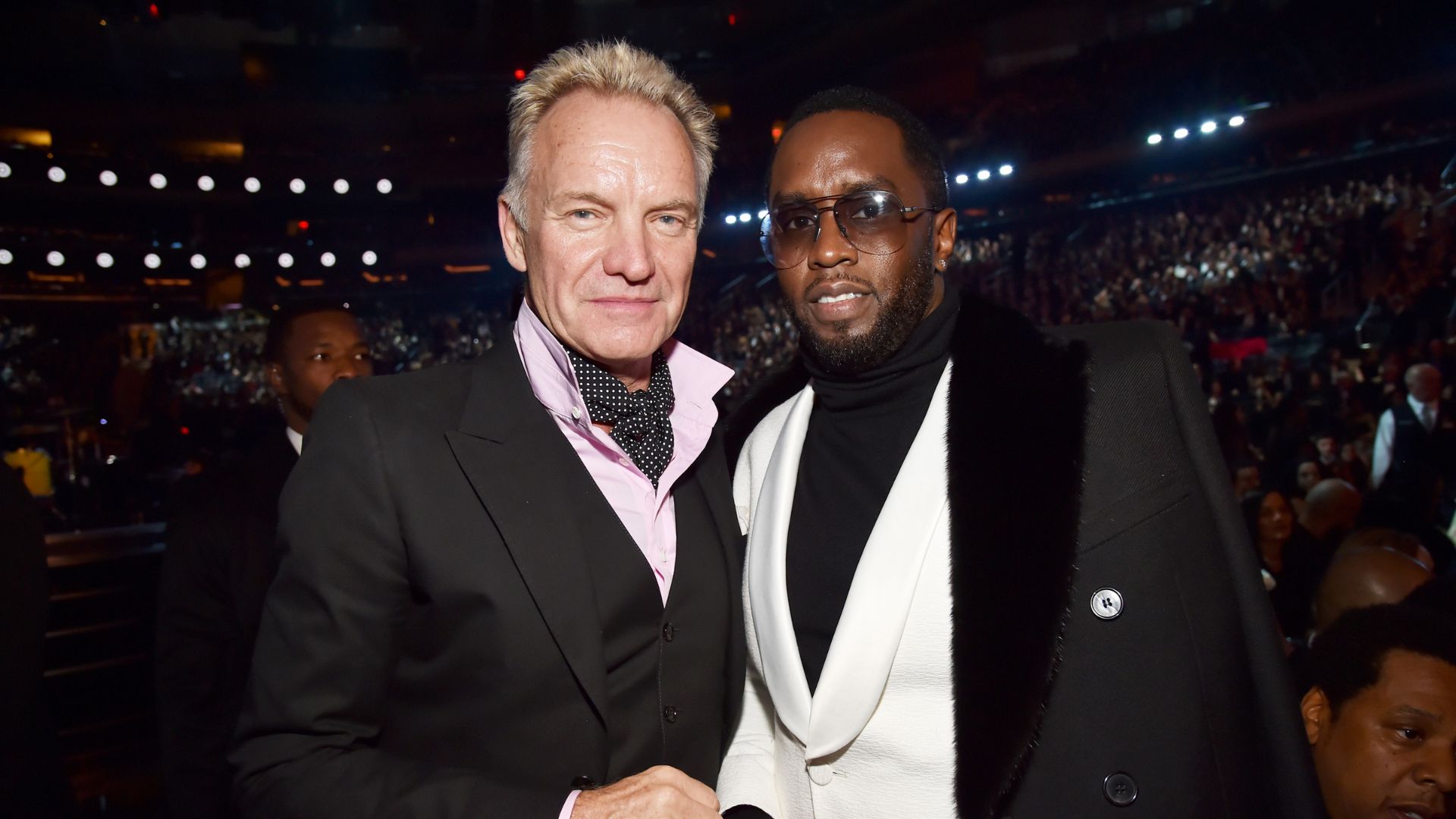
The relationship between Sting and Sean Combs has remained surprisingly cordial over the years. They famously performed the song together at the 1997 MTV Video Music Awards, a symbolic gesture that showed Sting's approval of the tribute, even if he kept the checks. In 2023, a lighthearted exchange on social media reaffirmed that they were still on good terms, with Combs jokingly acknowledging the "daily payments" he sends to the rock icon.
Common Misconceptions
There are several myths surrounding these two songs that persist even decades later. Clarifying these points helps provide a clearer picture of music history.
- Did Sting sue Puff Daddy? No. There was never a formal public lawsuit. Once the unauthorized sample was identified, the parties reached a settlement where 100% of the publishing was handed over.
- Did The Police play on the 1997 version? No. The song uses a sample of the 1983 recording. No new instruments were played by the original members for the 1997 studio version.
- Is "I'll Be Missing You" a cover? Technically, no. It is a rap song that samples a rock song. A cover would involve rerecording the entire song with the original lyrics and structure.
FAQ
Why did Sting get 100% of the royalties for "I'll Be Missing You"?
Because the song used the core melody and a direct sample of the guitar riff from "Every Breath You Take" without prior permission. In copyright negotiations involving high-profile unauthorized samples, the original creator often demands total ownership of the new work's publishing rights as a condition for not blocking the song's release.
Does Faith Evans receive any money from the song?
As a performer, Faith Evans receives "neighboring rights" or performance royalties when the song is played on certain platforms (like digital radio or in certain international territories), but she does not receive songwriting (publishing) royalties unless she was credited as a writer of the new lyrics. The bulk of the "songwriter" income goes entirely to Sting.
How did the Notorious B.I.G.'s estate benefit?
While the publishing royalties go to Sting, the "Master" royalties (money earned from the actual sale and streaming of the 1997 recording) are split between the record label (Bad Boy/Atlantic) and the artists/estate. The song provided significant financial support to Biggie's family through his estate's share of the recording's success.
What does "publishing royalties" actually mean?
Publishing royalties are the earnings generated from the composition of a song (the lyrics and the melody). This is separate from "master royalties," which are earned from the specific audio recording. Because Sting wrote the original melody used in the 1997 chorus, he owns the "composition" rights to the new song.
Is Andy Summers credited as a songwriter now?
No. Under standard music industry contracts of the early 1980s, instrumental parts and riffs were rarely considered "songwriting." Sting is the sole credited writer of "Every Breath You Take," and therefore he is the sole legal recipient of the publishing settlement for "I'll Be Missing You."
Summary of Next Actions
For those interested in the intersections of music production and law, the story of these two songs serves as the ultimate case study. If you are a creator in 2026 looking to sample music:
- Identify all rights holders (both the label and the publisher) before you record.
- Negotiate a percentage upfront. It is much cheaper to give away 25-50% of a song before it's a hit than 100% after it's released.
- Understand the difference between sampling (using the audio) and interpolation (re-singing the melody), as both require legal clearance.
Image Gallery