The OU Chick-fil-A Debate: Navigating Campus Values and Corporate Presence
The debate surrounding Chick-fil-A’s presence at the University of Oklahoma (OU) centers on the conflict between the brand's high popularity among students and concerns regarding its historical charitable contributions to anti-LGBTQ+ o...
The debate surrounding Chick-fil-A’s presence at the University of Oklahoma (OU) centers on the conflict between the brand's high popularity among students and concerns regarding its historical charitable contributions to anti-LGBTQ+ organizations. While the university maintains the restaurant in the Oklahoma Memorial Union for its revenue and student demand, student activists continue to push for more inclusive dining alternatives.
Contents
The Origins of the Controversy at the University of Oklahoma
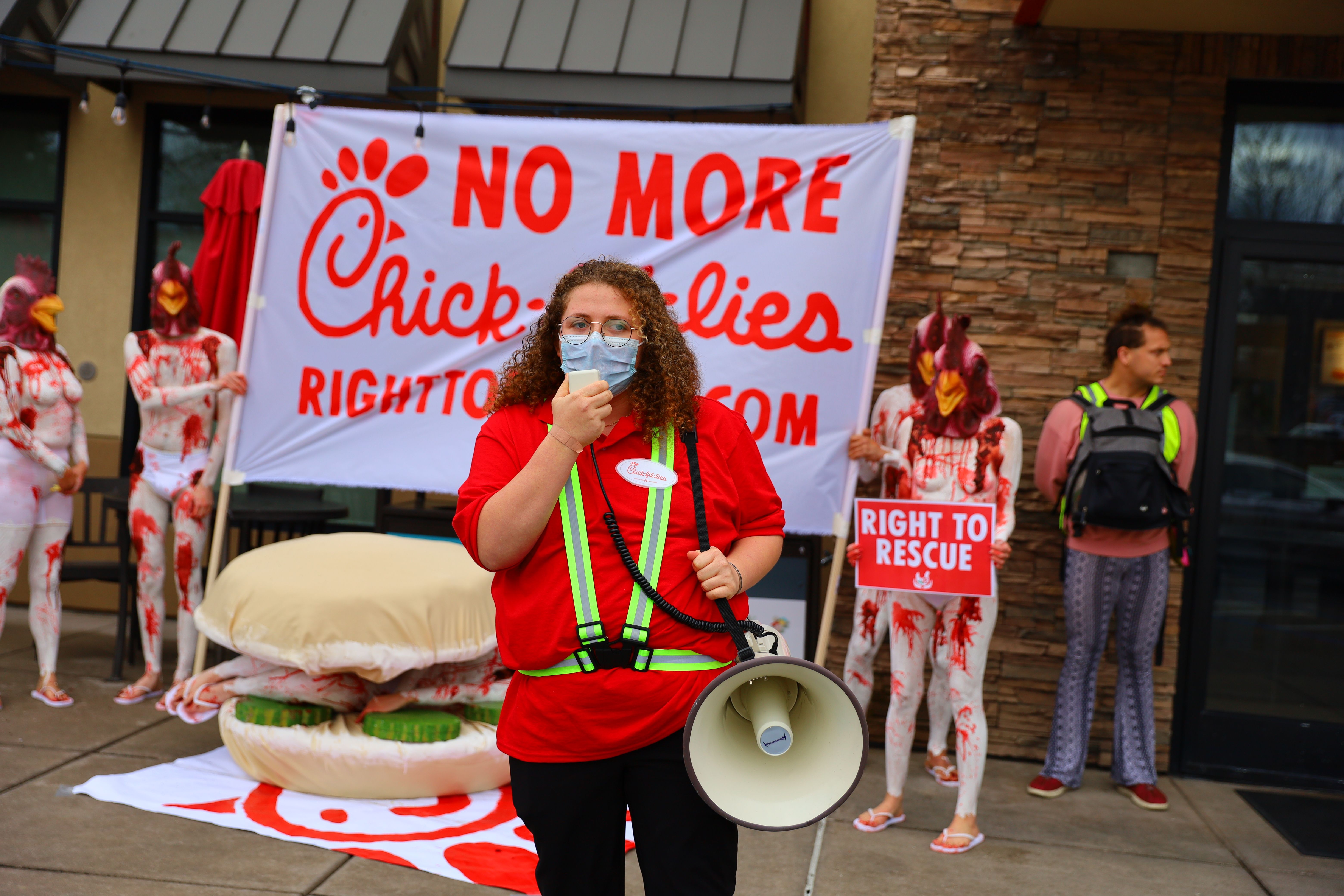
The "OU Chick-fil-A debate" is not a recent phenomenon but a long-standing point of friction that reached a boiling point in late 2019 and early 2020. The controversy began in earnest when the University of Oklahoma’s Student Government Association (SGA) passed a resolution calling for the removal of the restaurant from the Oklahoma Memorial Union (OMU). The primary driver behind this movement was the brand's history of donating to organizations that many students and faculty viewed as discriminatory toward the LGBTQ+ community.
At the heart of the 2019 resolution was the argument that a public university, committed to diversity, equity, and inclusion, should not provide a platform or financial benefit to a corporation whose values appeared to contradict those institutional goals. Student leaders argued that the presence of the brand created an unwelcoming environment for LGBTQ+ individuals on campus. This debate mirrored similar movements across the United States at institutions like NYU, Cal Poly, and Trinity University, where students questioned the ethics of campus vendor selections.
The SGA Resolution and Student Activism
The SGA resolution was a pivotal moment in the debate. It wasn’t merely a symbolic gesture; it was a formal request to the university administration to reconsider its contractual relationship with the vendor. The student representatives pointed to specific IRS filings from Chick-fil-A’s charitable arm, which at the time showed donations to groups like the Fellowship of Christian Athletes (FCA) and the Salvation Army.
While these organizations are widely recognized, they were scrutinized by campus activists for their then-existing policies regarding same-sex marriage and LGBTQ+ rights. For many OU students, the debate was about "voting with their tuition dollars." They argued that because a portion of their student fees supports the maintenance of the Oklahoma Memorial Union, they should have a say in which businesses occupy that space.
The University’s Institutional Response
Despite the pressure from the SGA and various student advocacy groups, the University of Oklahoma administration chose to keep Chick-fil-A in the Union. The university’s decision-making process involved a complex mix of financial considerations, contractual obligations, and legal constraints. As a public institution, OU must navigate the First Amendment and state laws regarding the exclusion of vendors based on political or religious viewpoints.
University officials often pointed to the high volume of sales generated by the location as evidence of widespread student support. Chick-fil-A consistently remains one of the most profitable and highly trafficked dining options on the Norman campus. From a purely operational standpoint, removing a high-revenue vendor without an immediate, equally popular replacement could create a significant budgetary gap for the Oklahoma Memorial Union’s auxiliary services.
Chick-fil-A’s Corporate Policy Shift
In response to nationwide pressure, including the high-profile debates at universities like OU, Chick-fil-A announced a significant change to its charitable giving strategy in late 2019. The company shifted its focus toward three main pillars: education, homelessness, and hunger. This change resulted in the cessation of donations to several of the organizations that had sparked the initial controversy.
For some members of the OU community, this shift was seen as a positive step toward reconciliation. It allowed the university to justify the continuation of the contract by pointing to the company’s evolving corporate social responsibility (CSR) profile. However, for more skeptical activists, the move was viewed as a public relations maneuver rather than a genuine change in corporate heart. The debate in 2026 remains influenced by these varying interpretations of the company’s motivations.
Legal and Contractual Complexities of Campus Dining
Removing a vendor from a public university is not as simple as a vote by a student body. There are several technical and legal hurdles that the University of Oklahoma must consider:
- Contractual Bindings: Most campus dining agreements are long-term contracts. Terminating a contract early without cause (such as a health code violation or failure to pay rent) can lead to significant litigation and financial penalties.
- First Amendment Protections: In some jurisdictions, public universities have been warned that excluding a vendor based on the owner's religious beliefs or the company’s legal political contributions could be viewed as a violation of free speech or religious exercise rights.
- Procurement Laws: State-funded institutions are often required to follow strict competitive bidding processes. If Chick-fil-A won a fair bid based on the criteria set by the university (revenue share, service capacity, etc.), removing them for non-performance reasons becomes legally precarious.
The "Chicken vs. Conscience" Paradox
One of the most interesting aspects of the OU Chick-fil-A debate is the behavior of the student body itself. While student government resolutions and protests highlight the ethical concerns, the physical lines at the Chick-fil-A in the Union often tell a different story. This paradox—where a brand is simultaneously protested and highly patronized—creates a difficult landscape for administrators.
Data from campus dining services typically shows that Chick-fil-A’s transaction volume exceeds that of many other Union vendors combined during peak hours. This creates a "silent majority" effect where the students who enjoy the service do not participate in the debate, while the vocal minority drives the political conversation. By 2026, the university has attempted to balance these tensions by introducing more diverse, local, and minority-owned food options to the Union to ensure that the dining ecosystem isn't dominated by a single controversial brand.
Stakeholder Perspectives on the OU Debate
To understand the complexity of the issue, it is helpful to compare the priorities of the different groups involved in the conversation.
| Stakeholder Group | Primary Concern | Desired Outcome |
|---|---|---|
| SGA & Activists | LGBTQ+ inclusion and campus ethics. | Removal of the vendor or replacement with an inclusive alternative. |
| University Admin | Financial stability and legal compliance. | Maintaining high-revenue contracts and avoiding litigation. |
| General Student Body | Convenience, price, and food quality. | Keeping a popular and reliable dining option available. |
| OMU Board | Building maintenance and operational costs. | Ensuring the Union remains self-sustaining through vendor rent. |
| Corporate CFA | Brand reputation and market share. | Maintaining a presence in a high-traffic collegiate market. |
The Current Landscape: The Debate in 2026
As we look at the situation in 2026, the OU Chick-fil-A debate has evolved from a heated protest into a broader discussion about corporate accountability and campus diversity. The restaurant remains a fixture of the Oklahoma Memorial Union, but the environment surrounding it has changed. The university has implemented more robust "Social Responsibility" clauses in its new vendor contracts, requiring businesses to disclose their community impact and alignment with the university’s non-discrimination policies.
Furthermore, the university has invested in the "Union Food Court Expansion," which brought in several local Oklahoma City and Norman-based restaurants. This strategy was designed to decentralize the power of any single national brand and provide students who object to Chick-fil-A with high-quality alternatives within the same building. The debate today is less about "kicking them out" and more about "diluting their influence" through a more competitive and diverse marketplace.
Frequently Asked Questions
Is Chick-fil-A still located in the OU Student Union?
Yes, as of 2026, Chick-fil-A continues to operate in the Oklahoma Memorial Union. It remains one of the most popular dining options for students, faculty, and visitors on the Norman campus. The university has maintained the contract despite previous student government resolutions calling for its removal.
Why did the OU Student Government want to remove Chick-fil-A?
The 2019 SGA resolution was based on the brand's historical financial support of organizations that opposed LGBTQ+ rights. Students argued that the presence of the restaurant conflicted with the university’s mission of inclusion and that student fees should not support a business with such a controversial history of charitable giving.
Has Chick-fil-A changed its donation policies since the OU debate began?
Yes. In late 2019, Chick-fil-A's leadership announced a new charitable giving model. They stopped funding several organizations that were at the center of the controversy and redirected their efforts toward hunger, homelessness, and education. This move was intended to address the criticisms raised by campus communities like the University of Oklahoma.
What are the alternatives to Chick-fil-A at the OU Union?
The Oklahoma Memorial Union has expanded its offerings to include several local and national vendors. Options typically include Crossroads (a 24/7 burger and breakfast spot), various international cuisine stations, and rotating local vendors. The university has intentionally diversified these options to provide alternatives for those who choose to boycott Chick-fil-A for ethical reasons.
Can the university legally remove a vendor based on student protests?
It is legally difficult for a public university like OU to remove a vendor based solely on the political or religious views of its owners. Doing so could lead to First Amendment lawsuits. The university must usually wait for a contract to expire or find a breach of contract (such as service quality or financial default) to legally terminate the relationship without significant risk.
Practical Recommendation for Students and Stakeholders
For students who feel strongly about the OU Chick-fil-A debate, the most effective path forward in 2026 is economic advocacy. While protests and resolutions bring awareness to the issue, the university’s decisions are heavily influenced by the financial performance of its vendors.
By consistently supporting the diverse and local alternatives within the Oklahoma Memorial Union, students can provide the university with the "proof of concept" needed to justify bringing in more inclusive vendors in the future. For the university administration, the best path is transparency—clearly communicating the terms of vendor contracts and the specific metrics used to evaluate a company's social impact on the campus community.
Image Gallery