Understanding Amazon Store Card Requirements: Eligibility, Application, and Account Management
Securing the Amazon Store Card requires meeting specific credit score thresholds, having a valid U.S. residential address, and providing a verifiable Social Security Number or Individual Taxpayer Identification Number, all evaluated th...
Securing the Amazon Store Card requires meeting specific credit score thresholds, having a valid U.S. residential address, and providing a verifiable Social Security Number or Individual Taxpayer Identification Number, all evaluated through an online application processed by Synchrony Bank.
Contents
Navigating the landscape of retail credit can significantly impact your purchasing power, especially if you are a frequent shopper within the vast ecosystem of Amazon. The Amazon Store Card, issued and managed by Synchrony Bank, serves as a specialized financing tool rather than a traditional open-loop credit card. Because it functions primarily as a store-branded card restricted to Amazon and its affiliated platforms, the underwriting criteria, benefits, and management protocols differ noticeably from standard Visa or Mastercard products. Understanding these prerequisites ensures that prospective applicants can evaluate their financial standing before undergoing a credit inquiry.
Evaluating financial products requires a clear assessment of personal credit profiles, regulatory compliance, and long-term utility. This guide explores the foundational requirements, application procedures, benefits, and account maintenance guidelines associated with the Amazon Store Card, establishing a comprehensive resource for consumers seeking retail financing solutions.
The Core Foundations of the Amazon Store Card
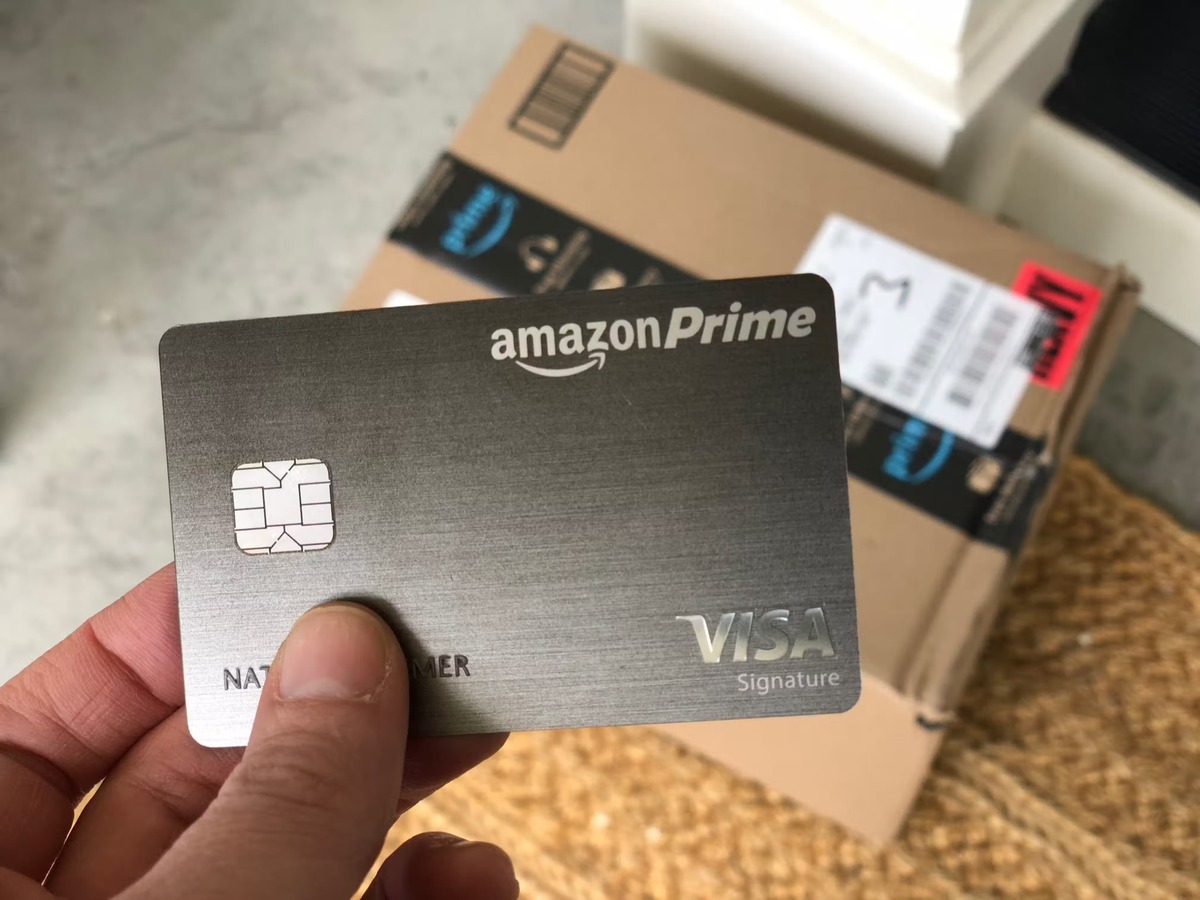
The Amazon Store Card is designed to integrate deeply with the Amazon retail experience, offering promotional financing options and cash-back rewards for qualifying members. Unlike the Amazon Prime Visa card—which operates on the Visa network and can be used anywhere Visa is accepted—the Store Card is a closed-loop credit product. It can only be used on Amazon.com, its digital properties, and specific partner merchants where Amazon checkout options are integrated.
Financial institutions manage these retail products through strict automated underwriting systems. Synchrony Bank reviews incoming applications instantly, cross-referencing applicant data with major credit reporting agencies. Consequently, understanding the structural boundary between the standard Store Card and the Prime-tier version is the first step in assessing which requirements apply to your financial profile.
Distinguishing Between Store Card Tiers
Amazon offers two distinct variations under its store credit umbrella, which influences the rewards structure and the perceived value of the account:
- Amazon Store Card: Designed for standard Amazon customers. It requires no annual fee and provides promotional financing options, but does not include the continuous 5% cash-back reward rate associated with Prime memberships.
- Amazon Prime Store Card: Available exclusively to customers who hold an active Amazon Prime membership (paid monthly or annually, including student and qualifying discounted memberships). This tier unlocks a flat 5% back on all eligible purchases made on Amazon.com.
If your Prime membership lapses, the account typically reverts to the standard non-Prime terms, altering your rewards earning potential. Therefore, membership status acts as an operational requirement for maximizing the card's financial utility.
Detailed Breakdown of Eligibility Requirements
Qualifying for the Amazon Store Card depends on meeting several baseline administrative and financial criteria. Synchrony Bank enforces these standards to mitigate default risk and comply with federal lending regulations.
Personal and Administrative Prerequisites
Before evaluating credit history, applicants must satisfy fundamental identity and residency requirements:
- Age: Applicants must be at least 18 years old (or the age of majority in their respective state of residence, such as 19 in Alabama and Nebraska, or 21 in Mississippi).
- Residency: A permanent U.S. street address is mandatory. P.O. boxes are generally unacceptable for primary residential verification, though mailing addresses can sometimes be updated post-approval.
- Tax Identification: A valid Social Security Number (SSN) or Individual Taxpayer Identification Number (ITIN) is required for credit bureau reporting and identity verification.
- Account Access: A verified Amazon.com account in good standing is required to initiate and manage the digital application flow.
Credit Score and Financial Metrics
While Synchrony Bank does not publish a rigid, mandatory minimum credit score for approval, empirical data and industry standards point toward specific thresholds:
| Credit Tier | FICO Score Range | Approval Likelihood | Typical Credit Limit |
|---|---|---|---|
| Excellent | 740 – 850 | Very High | High ($2,000 – $10,000+) |
| Good | 670 – 739 | Moderate to High | Moderate ($1,000 – $3,000) |
| Fair | 580 – 669 | Low to Moderate | Lower ($400 – $1,000) |
| Poor / Bad | Below 580 | Very Low | Unlikely (Subject to Secured Alternatives) |
Applicants generally need a credit score in the Good to Excellent range (typically 640 or higher) to secure comfortable approval odds. Those with fair or recovering credit may still be evaluated, but approvals may result in lower initial credit limits or referral to secured credit alternatives. Furthermore, Synchrony Bank evaluates debt-to-income (DTI) ratios and recent inquiries. A high volume of hard inquiries within a short window can trigger automated rejections, regardless of an otherwise strong credit score.
The Application Process and Immediate Verification
Applying for the Amazon Store Card is an integrated digital experience designed to yield a decision within seconds. Prospective cardholders can complete the process directly through the Amazon checkout interface or via dedicated promotional landing pages.
Step-by-Step Application Sequence
- Initiation: Navigate to the Amazon Store Card application portal while logged into your active Amazon account.
- Data Entry: Input your full legal name, residential address, annual income, housing payment status, and your SSN or ITIN.
- Terms Review: Read the Truth in Lending Act (TILA) disclosures, detailing the annual percentage rate (APR), late fees, and interest grace periods.
- Submission and Hard Pull: Submitting the application authorizes Synchrony Bank to perform a hard credit inquiry on one or more major credit bureaus (Equifax, Experian, or TransUnion), which may temporarily impact your credit score.
- Instant Decision: The system typically returns an approval, denial, or a request for further verification within 30 to 60 seconds.
Handling Pending Status and Verification Requests
If the automated system cannot immediately verify your identity or financial details, you may receive a pending notice. Synchrony Bank may request documentation such as a utility bill to confirm residency or a government-issued photo ID to confirm identity. Responding promptly through their secure portal prevents application cancellation.
Ongoing Account Management and Financial Responsibilities
Once approved, managing the Amazon Store Card requires strict adherence to payment schedules and terms to avoid significant interest charges. Because retail store cards often carry higher-than-average variable APRs compared to general-purpose bank cards, treating the account with financial discipline is essential.
Understanding Promotional Financing vs. Standard Interest
One of the primary attractions of the Amazon Store Card is promotional financing on qualifying big-ticket items. These promotions typically fall into two categories:
- Special Financing (Equal Pay / Deferred Interest): Allows buyers to spread payments over 6, 12, or 24 months. However, with deferred interest plans, failure to pay the full balance before the promotional window expires results in retroactive interest being charged from the original purchase date.
- Equal Monthly Payments: Spreads the cost over a fixed duration with fixed monthly payments, where interest is not retroactively applied in the same punitive manner if terms are missed, though standard late fees still apply.
For everyday purchases not tied to a promotion, the standard variable APR applies. Paying the balance in full within the grace period each billing cycle avoids interest entirely.
Common Mistakes to Avoid
Navigating retail credit lines involves operational pitfalls that can undermine your financial health. Avoiding these common errors ensures a positive cardholder experience:
- Ignoring the Deferred Interest Trap: Assuming minimum payments are sufficient during a special financing promotional period often leads to massive interest charges when the promotional window closes.
- Overlooking Membership Status Changes: Failing to realize that canceling Amazon Prime removes the 5% cash-back benefit, dropping earnings to standard or zero rewards depending on the exact card terms at that time.
- Applying with High Credit Utilization: Submitting an application when existing credit card balances are near their limits, which spikes your DTI and lowers approval odds.
- Neglecting Statement Monitoring: Failing to set up automatic payments, resulting in missed due dates that trigger steep late fees and negative marks on your credit report.
Frequently Asked Questions
Does applying for the Amazon Store Card hurt your credit score?
Yes. Submitting an application initiates a hard credit inquiry by Synchrony Bank. This typically causes a temporary, minor drop in your credit score (usually a few points), which generally rebounds over subsequent months with responsible account management.
Can you use the Amazon Store Card anywhere outside of Amazon?
No. The Amazon Store Card is a closed-loop credit product. It is restricted to purchases on Amazon.com, its digital subsidiaries, and integrated merchant checkouts. It cannot be used at physical retail stores or other online platforms unless processed through Amazon Pay where supported.
What happens to my account if I cancel my Amazon Prime membership?
If you hold the Amazon Prime Store Card, canceling your Prime membership will result in your account transitioning to the standard Amazon Store Card terms. You will lose the 5% cash-back benefit on eligible purchases, though the account remains open for standard store financing and purchases.
What credit score is generally required for approval?
While Synchrony Bank does not publish a hard cutoff, successful applicants typically possess a FICO score in the Good to Excellent range (640 or higher). Approval also depends on your debt-to-income ratio and overall credit history.
How are rewards paid out on the Amazon Store Card?
Cash-back rewards earned through the card are automatically credited to your Amazon.com account balance. These rewards can then be applied toward future purchases during the standard Amazon checkout process.
Conclusion and Next Actions
The Amazon Store Card is a powerful financial instrument for frequent Amazon shoppers, provided it is managed with strict adherence to payment deadlines and terms. Before applying, review your current credit score, check your debt-to-income ratio, and confirm whether you maintain an active Amazon Prime membership to maximize the card's cash-back potential. If your credit profile aligns with the required thresholds, visit the official Amazon application portal to submit your details securely and evaluate your standing.
Image Gallery