Understanding Sloth Bear Suction Mechanics in Wildlife Studies
Sloth bear suction is a specialized biological mechanism that allows Melursus ursinus to feed efficiently on termites, ants, and other colonial insects. By creating powerful negative pressure through the manipulation of their mobile li...
Sloth bear suction is a specialized biological mechanism that allows Melursus ursinus to feed efficiently on termites, ants, and other colonial insects. By creating powerful negative pressure through the manipulation of their mobile lips and missing front teeth, sloth bears act as biological vacuum cleaners, capable of extracting prey from deep within subterranean mounds and narrow tree cavities.
Contents
The Evolutionary Anatomy of the Sloth Bear
The sloth bear (Melursus ursinus) is a unique ursid species native to the Indian subcontinent. Unlike its relatives, such as the grizzly or black bear, the sloth bear has evolved specifically for myrmecophagy—the diet of ants and termites. Their physical appearance is often described as "shaggy," but their true evolutionary mastery lies in their craniofacial structure, which is perfectly adapted for their suction-feeding behavior.
Specialized Dentition and Oral Morphology
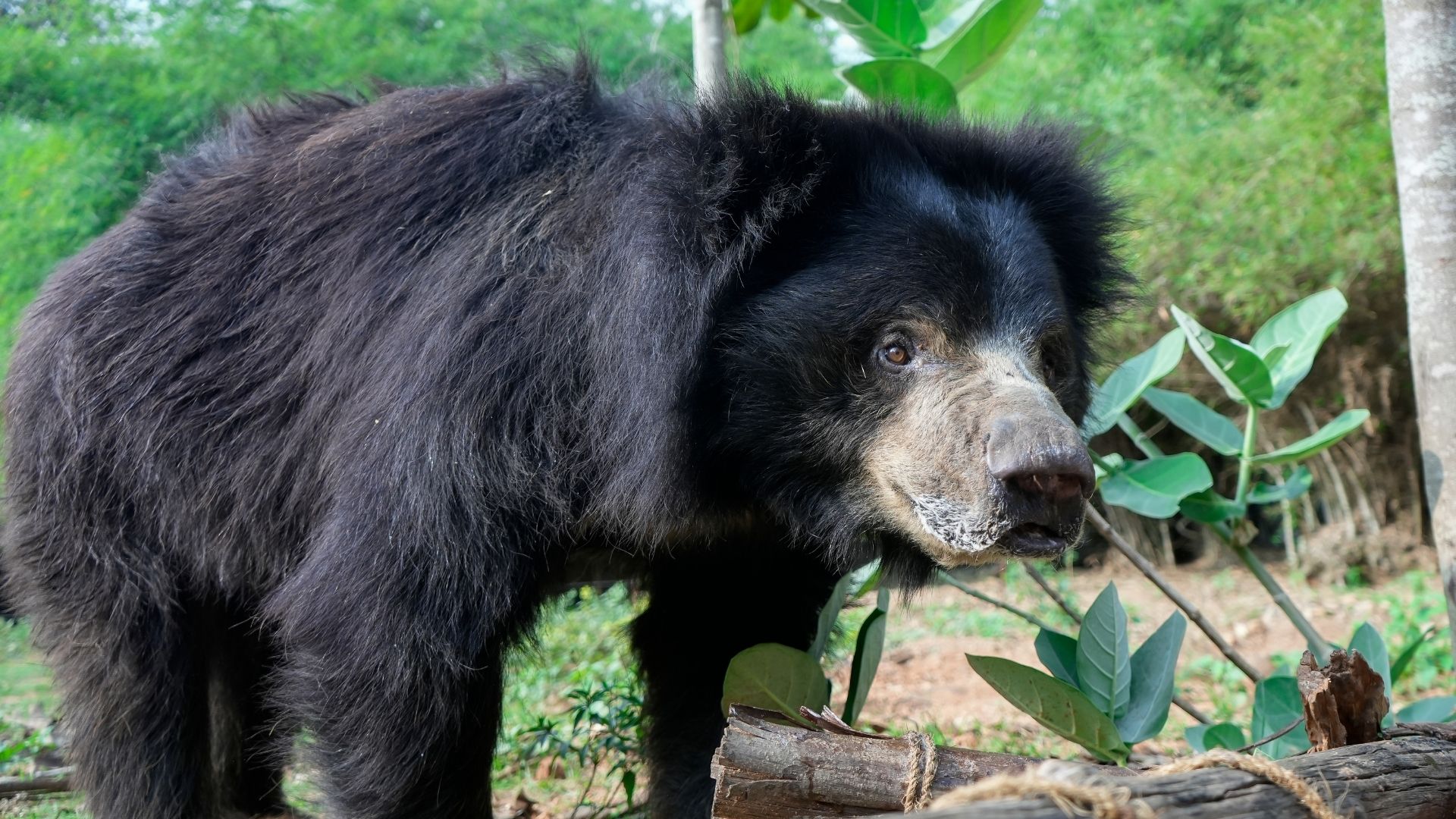
The most striking feature of the sloth bear’s mouth is the intentional lack of upper central incisors. In most mammals, these teeth serve to grasp or cut food. For the sloth bear, this gap serves as a crucial anatomical port. When the bear presses its lips against a termite mound or a log, this gap acts as a vacuum nozzle. By closing its lips tightly against the surface, the bear creates a pressurized seal that minimizes air leakage, maximizing the suction force generated by the contraction of the buccal muscles.
The Role of the Tongue and Palate
Sloth bear suction is not merely about pulling air; it is a coordinated effort involving a long, protrusible tongue. After the bear breaks into a colony using its powerful, sickle-shaped claws, it inserts its muzzle into the opening. The tongue, which is remarkably mobile and coated in thick, sticky saliva, works in tandem with the vacuum created by the oral cavity. While the suction pulls insects and debris into the mouth, the tongue serves as the primary conveyor belt, moving the biomass toward the back of the throat.
How Wildlife Researchers Quantify Suction Mechanics
Studying the mechanics of an animal that feeds in dense, often inaccessible environments requires a combination of field observation and laboratory analysis. Wildlife biologists approach the study of sloth bear suction through three distinct lenses: behavioral ecology, biomechanical modeling, and diet analysis.
Behavioral Observational Studies
Researchers typically utilize motion-activated camera traps and direct observation in protected areas, such as Kanha National Park or Satpura Tiger Reserve. These studies focus on the duration of suction bouts. By measuring the time between a bear breaking into a mound and the audible "vacuuming" sound produced by the bear, scientists have been able to categorize the efficacy of the feeding technique. The suction sound, which can often be heard from over 100 meters away, is a diagnostic feature used by researchers to identify active feeding sites without disturbing the subjects.
Biomechanical Modeling
To understand the "how" behind the force, researchers utilize comparative anatomy. By examining the skull structure of deceased bears or using high-resolution CT scans on museum specimens, scientists can map the musculature of the masseter and pterygoid muscles. These models help determine the maximum negative pressure a bear can theoretically exert. While real-time measurement of suction pressure in the wild is currently impossible due to the bear's temperament and habitat, comparative analysis with other suction feeders—such as anteaters—provides a reliable proxy.
Stable Isotope and Fecal Analysis
Wildlife studies often verify the success of the suction method by analyzing fecal matter. Because the sloth bear consumes massive amounts of soil and organic debris along with its prey, its digestive system must manage a high volume of inert material. Researchers analyze the ratio of insect chitin to soil particles, which helps determine if the suction process is selective or if the bear is consuming the entire substrate of the colony.
Comparison of Myrmecophagous Feeding Adaptations
While several mammals rely on insects for sustenance, the methods of extraction vary. The following table highlights how the sloth bear compares to other notable insectivores.
| Feature | Sloth Bear | Giant Anteater | Aardvark |
|---|---|---|---|
| Primary Tool | Suction via missing incisors | Long, sticky, muscular tongue | Strong claws/long snout |
| Oral Anatomy | Mobile, vacuum-like lips | Narrow, tube-like snout | Narrow, elongated muzzle |
| Habitat Focus | Subterranean and arboreal | Surface mounds | Subterranean tunnels |
| Suction Capability | High (Primary mechanism) | Minimal (Tongue-dependent) | Low (Tongue-dependent) |
Operational Limitations and Environmental Constraints
Despite their efficiency, sloth bear suction is limited by environmental factors. During the monsoon season, when soil and mound material become saturated with water, the structural integrity of a termite mound changes. Wildlife studies conducted between 2020 and 2025 have noted that during these periods, the efficacy of the suction mechanism decreases because the substrate becomes too viscous to be vacuumed effectively.
Furthermore, the "cost" of suction feeding in terms of energy expenditure is high. Breaking through hardened, sun-baked clay mounds requires significant caloric output. Wildlife biologists analyze the "net gain" of this foraging strategy, observing that sloth bears only resort to suction-heavy foraging when prey density is high enough to justify the exertion. If the termite colony is too deep or the mound too hard, the bear may abandon the site in favor of fruit-bearing trees, demonstrating a flexible foraging strategy.
Challenges in Field Data Collection
The study of Melursus ursinus presents significant logistical hurdles. As a highly defensive and potentially dangerous species, close-range telemetry or direct observation of the oral cavity during feeding is extremely rare. Consequently, much of what is understood about their suction mechanics is inferred from secondary evidence:
- Physical Site Inspection: Surveying "blown out" termite mounds to measure the diameter of the vacuum hole.
- Audio Monitoring: Using acoustic sensors to capture the rhythmic, high-frequency sound of air displacement during feeding sessions.
- Genetic Barcoding: Identifying the specific species of termites/ants consumed to understand if the bear targets specific types of colonies that are more susceptible to suction.
Frequently Asked Questions
Why do sloth bears have missing teeth?
The gap in the upper central incisors is an evolutionary adaptation. It allows the bear to create a tight, suction-ready vacuum nozzle when pressing its muzzle against surfaces, facilitating the extraction of insects from narrow holes.
How loud is sloth bear suction?
It is remarkably loud. The sound is often described as a huffing or snorting noise created by the rapid, rhythmic intake of air and debris. It is so distinct that field researchers use it to locate bears in thick brush without visual contact.
Do all bears use suction to feed?
No. While other bears (like the American black bear) may opportunistically eat insects, they do not possess the specialized lip mobility or the dental modifications that allow for the high-pressure suction unique to the sloth bear.
Can sloth bears suction feed through solid wood?
Yes, to an extent. If the wood is decaying or riddled with tunnels, the sloth bear can use its claws to expose the galleries and its lips to suction out the larvae and adult insects dwelling within the wood structure.
Does the suction process harm the bear's internal organs?
No. The bear has evolved specialized palatal and pharyngeal structures to prevent the inhalation of soil and debris into the respiratory tract. They have mastered the ability to swallow the insect matter while filtering out the larger soil particles through their tongue movements.
Conclusion and Recommendations for Further Study
Understanding sloth bear suction is fundamental to conservation efforts, as it dictates the bear's reliance on specific forest habitats where insect colonies thrive. Future studies should prioritize the use of high-frame-rate, infrared-capable camera traps to capture the precise movement of the lips during the suction stroke. Researchers looking to document these behaviors should focus on arid woodland regions during the pre-monsoon season, as this is when the caloric demand for protein is highest and the feeding sites are most frequently accessed.
Image Gallery