Understanding the Military Rank Ladder: A Guide to Service Hierarchies
The military rank ladder is a structured hierarchy that defines authority, responsibility, and the chain of command within armed forces. It serves as the framework through which personnel are organized, tasked, and promoted. Understand...
The military rank ladder is a structured hierarchy that defines authority, responsibility, and the chain of command within armed forces. It serves as the framework through which personnel are organized, tasked, and promoted. Understanding these levels—categorized primarily into enlisted, non-commissioned officers, warrant officers, and commissioned officers—is essential for interpreting the operational and administrative landscape of any modern military organization.
Contents
The Foundation of Military Structure
At its core, military rank is more than a title; it is a legal designation of authority defined by regulation. The hierarchy ensures that in any operational scenario, there is a clear mechanism for decision-making and accountability. The rank ladder is designed to match individuals with appropriate levels of responsibility as they gain experience, training, and leadership capability.
While specific insignia and titles vary significantly between the Army, Navy, Air Force, Marine Corps, and Space Force, the underlying tiers remain consistent. This standardization allows for interoperability between branches and provides a predictable path for career progression.
The Enlisted Tier: The Backbone of the Force
The enlisted ranks represent the largest segment of the military. These individuals are the specialists and practitioners of military operations.
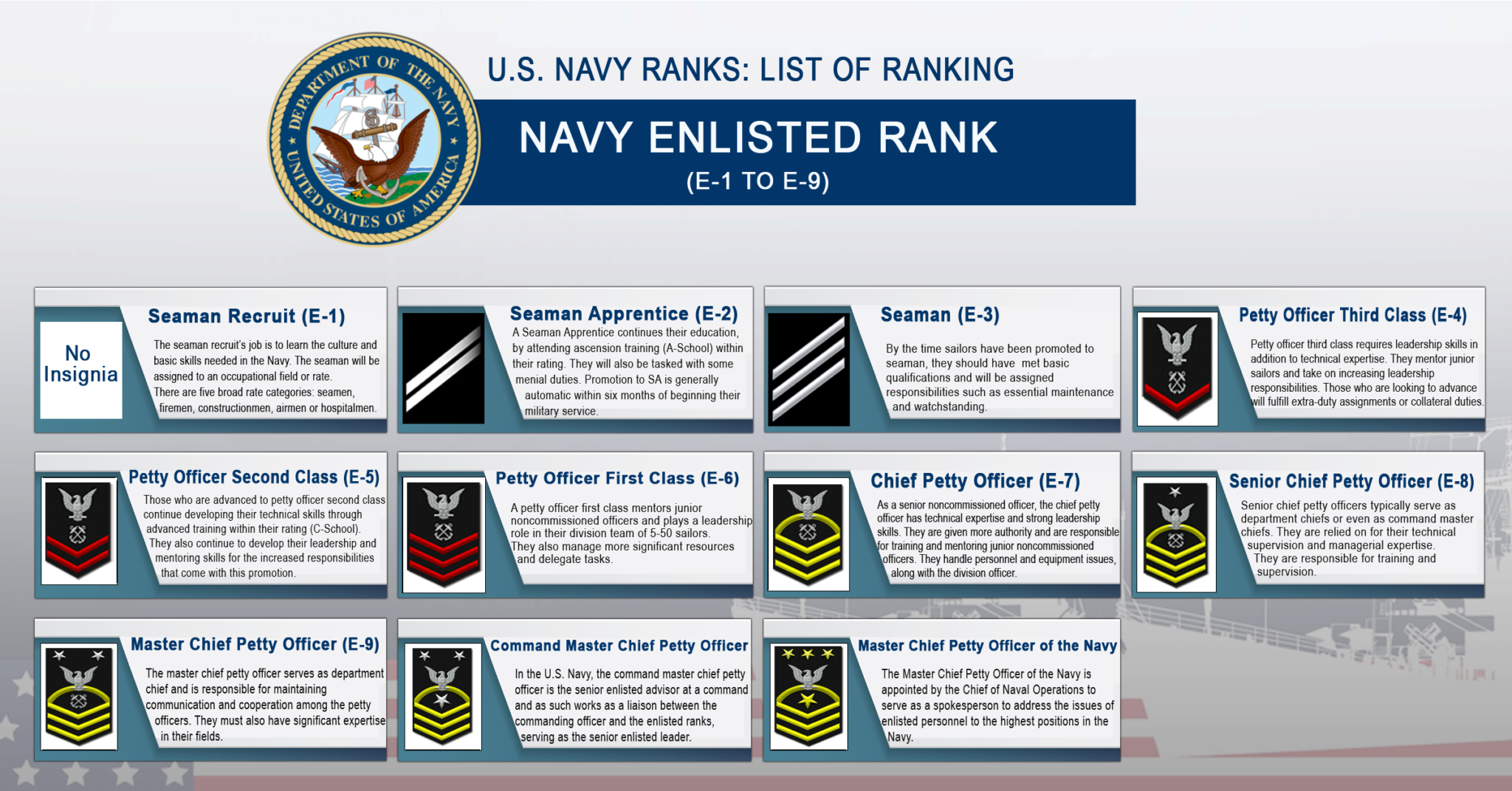
- Junior Enlisted: Often referred to as "entry-level" personnel, these members typically focus on mastering basic technical skills and adhering to orders. They are in the learning phase of their careers, transitioning from civilian life to professional service.
- Non-Commissioned Officers (NCOs): The NCO tier is the pivot point of the military. These individuals have moved beyond basic tasks to assume leadership roles over junior personnel. They are responsible for the morale, discipline, and training of their subordinates. In many branches, the NCO corps is considered the "backbone" because they translate the strategic intent of commissioned officers into daily execution.
Warrant Officers: Technical Specialists
Warrant officers occupy a unique space in the military hierarchy. They are technical experts who have transitioned from the enlisted ranks to focus intensely on a specific trade—such as aviation, intelligence, or engineering.
Unlike commissioned officers who often shift between leadership and staff roles, warrant officers are the subject matter experts who stay in their technical lane throughout their careers. They provide the deep, institutional knowledge required to maintain complex systems and lead specialized teams.
Commissioned Officers: Strategic Leadership
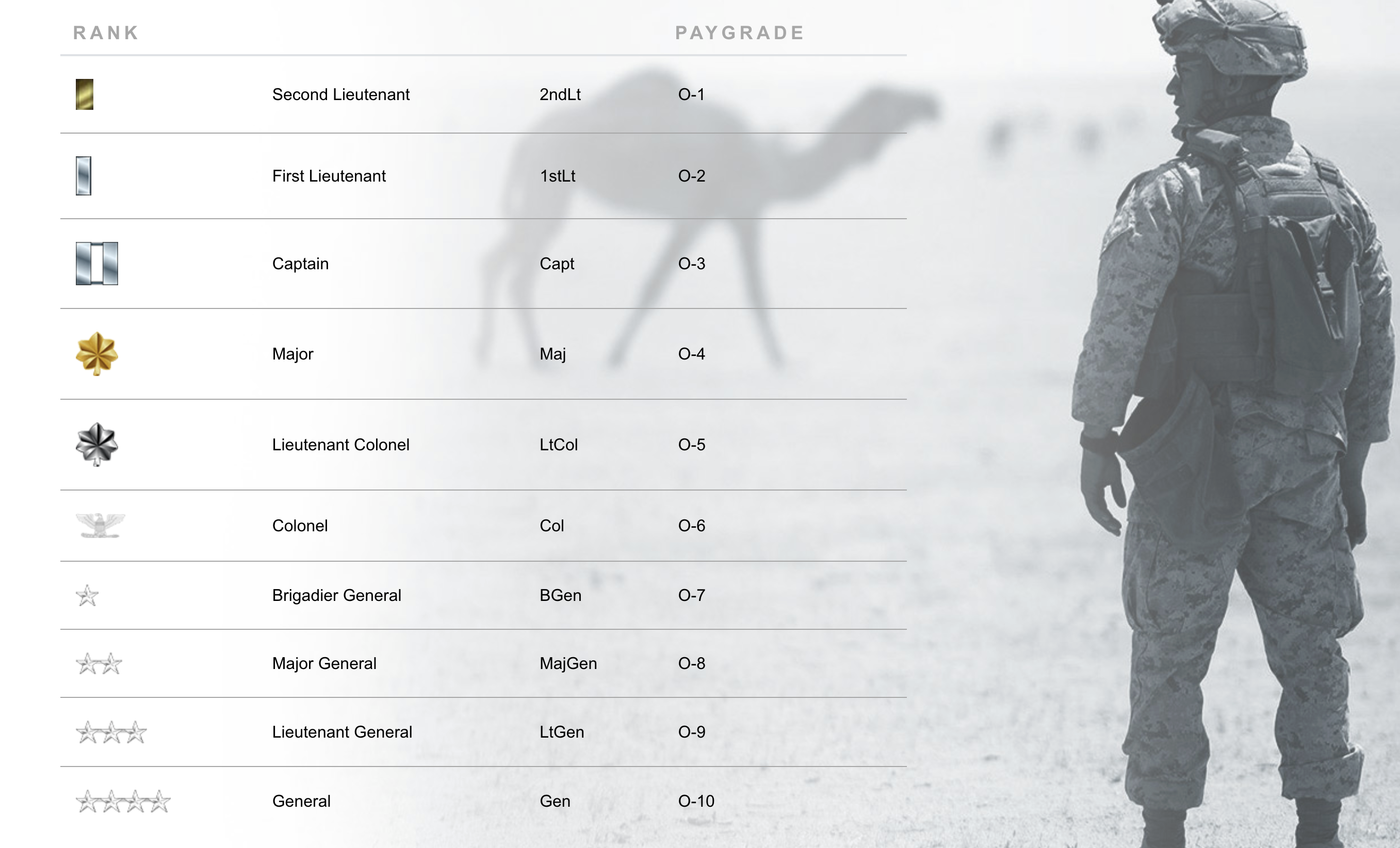
Commissioned officers hold a formal commission from the head of state or a designated authority, granting them the legal power to command. Their progression is divided into three distinct levels:
- Company Grade Officers: These are the junior-level leaders who manage small to mid-sized units. They are frequently found at the operational level, working closely with NCOs to carry out missions.
- Field Grade Officers: These officers hold significant management responsibilities. They command larger units—such as battalions or regiments—and serve as staff members for senior leadership. Their focus shifts from direct task supervision to operational planning and organizational health.
- General/Flag Officers: This is the highest tier of the rank ladder. These officers are responsible for high-level strategy, policy development, and the long-term direction of the armed forces. They coordinate across services, government agencies, and international partners.
Comparative Overview of Rank Structures
While titles differ, the hierarchy follows a universal pattern of increasing responsibility. The following table illustrates the general relationship between these categories.
| Category | Typical Focus | Authority Level | Primary Role |
|---|---|---|---|
| Junior Enlisted | Skill mastery | Entry-level | Execution of tasks |
| NCOs | Team leadership | Mid-level | Mentorship & supervision |
| Warrant Officers | Technical mastery | Specialized | Technical oversight |
| Company Officers | Unit management | Operational | Mission command |
| Field Officers | Organizational leadership | Managerial | Strategic planning |
| General/Flag | Force-wide strategy | Executive | Policy & doctrine |
How Promotion and Progression Work
Promotion through the military rank ladder is rarely automatic. It is a competitive process that evaluates performance, time in service, education, and conduct.
In the early stages, advancement is often based on "time in grade"—the length of time spent at a specific rank—provided the member meets minimum performance standards. As a member moves higher up the ladder, the process becomes more selective. Boards of senior leaders review personnel files to determine who has the potential for greater responsibility.
Key factors evaluated during promotion cycles include:
- Performance Evaluations: Documented evidence of excellence in assigned duties.
- Military Education: Successful completion of mandatory leadership and technical schools.
- Civilian Education: Many senior ranks require or heavily incentivize the completion of undergraduate or graduate degrees.
- Leadership Assignments: Success in positions that demand increased accountability, such as acting as a drill instructor or serving as a staff officer.
The Chain of Command
The rank ladder is the primary component of the "Chain of Command." This principle dictates that every individual has a clear superior to whom they report and a clear subordinate group for which they are responsible. This structure is intended to prevent confusion during high-stress operations.
Under this system, an order issued by a superior is binding, provided it is lawful. However, the chain of command is not just a mechanism for downward control; it is also a system for upward reporting. Junior personnel report challenges and status updates to their immediate supervisors, who then synthesize that information for higher command levels.
Common Misconceptions
A frequent misunderstanding is that higher rank always equals superior intelligence or capability in every field. In reality, a master technician—even at a lower rank—might possess far more knowledge in a specific technical system than a senior officer. The rank structure is a tool for distributing authority, not for measuring individual worth or total knowledge.
Furthermore, "seniority" is often confused with "rank." While a person with higher rank is almost always senior, two individuals at the same rank may have different levels of seniority based on their "date of rank" (the date they were promoted to their current position). This distinction is vital when two individuals of the same rank find themselves in a position where only one can exercise command.
Frequently Asked Questions
What is the difference between a commissioned officer and a warrant officer? Commissioned officers hold a broad mandate of command and serve as generalists who eventually lead large organizations. Warrant officers are highly specialized experts who focus on a single technical field throughout their career, providing the detailed expertise necessary for complex operations.
How is a service member's rank verified? Rank is verified through official service records and physical insignia worn on uniforms. In a professional context, personnel files maintained by the Department of Defense contain the official history of a member's rank, promotions, and current status.
Does rank determine pay? Yes, military pay is dictated by a combination of "pay grade" and "time in service." While a pay grade corresponds to a specific rank (e.g., E-4, O-3), pay scales are standardized across the armed forces to ensure consistency for those with similar levels of responsibility and experience.
What happens if a member is promoted but the position doesn't exist? Promotion systems are designed to match the current force structure. The military periodically adjusts the number of authorized slots for each rank (a process known as force shaping) to ensure that the number of personnel at each level meets the operational requirements of the service.
Can an NCO give an order to a commissioned officer? Generally, no. Authority flows downward from commissioned officers. However, an NCO may provide technical guidance or exercise "delegated authority" in specific situations, such as a drill sergeant in a training environment. In all cases, the commission held by an officer remains the legal foundation for command.
Moving Forward in Service
If you are engaging with the military rank ladder for professional, historical, or administrative research, prioritize the specific branch manual or official government service website. Each branch (Army, Navy, Air Force, Marine Corps, and Space Force) publishes an updated organizational manual annually. These documents provide the definitive breakdown of insignia, pay grades, and the specific chain of command as it exists in 2026. Always confirm the branch-specific nomenclature before drawing conclusions about individual authority or operational responsibilities.
Image Gallery