A Comprehensive Guide on How to File the Workers' Compensation Claims Form in Florida
If you have suffered a work-related injury or occupational illness in Florida, you must notify your employer immediately to initiate the workers' compensation claims process. While the state does not require you to personally file a sp...
If you have suffered a work-related injury or occupational illness in Florida, you must notify your employer immediately to initiate the workers' compensation claims process. While the state does not require you to personally file a specific "form" with the Florida Division of Workers' Compensation, you must formally report the incident to your employer, who is legally obligated to notify their insurance carrier to start the official record.
Contents
Navigating the workers' compensation system in Florida requires an understanding of your rights, the statutory deadlines for reporting, and the responsibilities shared between the injured employee, the employer, and the insurance carrier. This guide provides a detailed walkthrough of the procedures necessary to protect your interests following a workplace accident.
Understanding the Florida Workers' Compensation System
Workers' compensation is a "no-fault" insurance system designed to provide medical benefits and wage replacement to employees injured on the job, regardless of who caused the accident. In exchange for these guaranteed benefits, employees generally waive the right to sue their employer for negligence.
In Florida, most employers with four or more employees are required to carry workers' compensation insurance. If you work in the construction industry, the requirements are even stricter: an employer must provide coverage even if they have only one employee. Understanding your eligibility is the first step in ensuring your claim is processed correctly.
The Role of the Florida Division of Workers' Compensation
The Florida Department of Financial Services (DFS), Division of Workers' Compensation, serves as the regulatory body overseeing the system. It is important to clarify that the Division does not generally process your initial application for benefits directly; rather, they supervise the insurance carriers to ensure they adhere to the requirements set forth in Chapter 440 of the Florida Statutes.
Immediate Steps Following a Workplace Injury
The success of a workers' compensation claim often depends on how promptly and accurately the injury is reported. Delaying your report can provide an insurance carrier with grounds to deny or contest your claim.
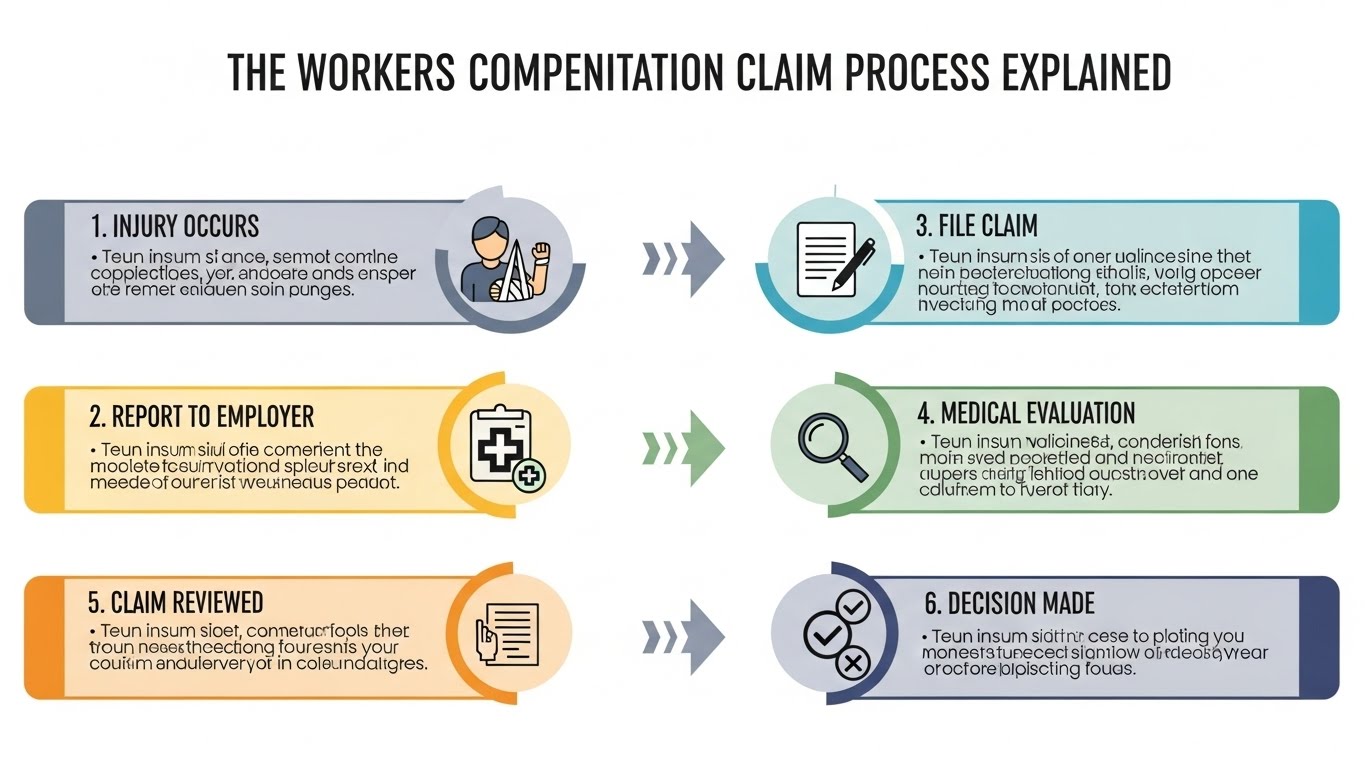
1. Notify Your Employer Promptly
Under Florida law, you have 30 days from the date of the injury to notify your employer. However, delaying the report is highly inadvisable. You should report the injury as soon as it happens, preferably in writing. A written report—such as an email or a formal incident report—creates a verifiable paper trail that includes the date, time, and circumstances of the injury.
2. Seek Medical Attention
Your health should be the priority. When seeking care, it is vital to inform the medical provider that your injury is work-related. In Florida, your employer or their insurance carrier generally has the right to select the medical providers who will treat your work-related injury. If you seek treatment from a provider not authorized by the carrier, you may be responsible for the costs unless it is an emergency.
3. Ensure the Employer Files the First Report of Injury
Once you notify your employer, they are required by law to report the injury to their insurance carrier within seven days of gaining knowledge of the injury or illness. The insurance company then files a "First Report of Injury" (FROI) with the state. You are entitled to a copy of this document; obtaining it is a critical step in verifying that your claim has been officially initiated.
Documentation and Evidence Management
Maintaining organized documentation is essential throughout the duration of your recovery. Because your claim may be subject to review by adjusters, you should keep a dedicated file containing the following:
- Correspondence: Keep copies of all emails, letters, and forms sent to or received from your employer and the insurance adjuster.
- Medical Records: Retain copies of all physician notes, work status reports, and diagnostic test results.
- Benefit Statements: If you are receiving lost-wage benefits (Indemnity Benefits), track all payments received to ensure they match the calculations dictated by your average weekly wage.
- Communication Logs: Document the dates, times, and names of individuals you speak with regarding your claim, including a summary of what was discussed.
Comparative Overview: Reporting vs. Filing
A common point of confusion is the distinction between "filing a claim" and "reporting an injury." The following table clarifies the responsibilities of the parties involved.
| Action Item | Responsible Party | Statutory Deadline |
|---|---|---|
| Injury Notification | Injured Employee | Within 30 days of incident |
| Notice to Insurance | Employer | Within 7 days of notice |
| First Report of Injury | Insurance Carrier | Within 14 days of employer notification |
| Claim Statute of Limitations | Injured Employee | Generally 2 years from date of injury |
What to Do If Your Claim Is Denied
Not every claim is approved automatically. Insurance carriers may deny a claim for various reasons, such as disputes over whether the injury occurred during the scope of employment or disagreements regarding the necessity of medical treatment.
If your claim is denied, you will receive a Notice of Denial from the insurance carrier. This document must state the specific reason for the denial. If you disagree with the determination, you have the right to file a Petition for Benefits with the Office of the Judges of Compensation Claims (OJCC). This initiates a formal legal process. Given the complexity of litigation, many employees find it beneficial to consult with a qualified Florida workers' compensation attorney to navigate the mediation and hearing process.
Frequently Asked Questions
Does Florida have a standardized "claim form" I must complete? No. There is no singular "Workers' Compensation Application Form" that an employee must file with the state. The legal process is triggered by your notification to your employer, which then mandates the employer to notify their insurance provider.
Can I choose my own doctor? In most cases, no. Florida law permits the employer and their insurance carrier to direct your medical care. They are required to provide authorized medical providers. If you are dissatisfied with the authorized care, you may request a one-time change of physician, which the carrier must facilitate within five days of your request.
What are "Indemnity Benefits"? Indemnity benefits are payments made to replace a portion of your wages if you are unable to work due to your injury. These generally commence after a waiting period if you are disabled for more than 21 days.
What happens if I miss the 30-day reporting deadline? Missing the 30-day window can result in the forfeiture of your right to claim benefits. While there are narrow exceptions in specific circumstances, failing to report the incident on time is one of the most common reasons claims are denied in Florida.
Can my employer fire me for filing a claim? Florida law prohibits retaliation against an employee for attempting to claim workers' compensation benefits. If you believe you have been terminated or harassed for reporting an injury, you may have grounds for a separate civil action for retaliatory discharge.
Practical Next Actions
If you have been injured, your immediate next step is to ensure that your employer has officially documented your injury and reported it to their insurance carrier. Do not rely on verbal assurances alone. Follow up in writing, request the contact information for the insurance adjuster assigned to your case, and confirm that your "First Report of Injury" has been submitted.
If you encounter resistance from your employer or if your medical treatment is being denied, contact the Florida Division of Workers' Compensation Employee Assistance and Ombudsman Office. They provide free information and assistance to help injured workers understand their rights and resolve disputes without necessarily requiring formal legal intervention.
Image Gallery