Comprehensive Guide to Blackhead Extraction Videos in 2026
Blackhead extraction videos in 2026 continue to dominate digital platforms like YouTube, TikTok, and Instagram, blending hypnotic visual satisfaction with dermatological education. These productions range from macro-lens aesthetic trea...
Blackhead extraction videos in 2026 continue to dominate digital platforms like YouTube, TikTok, and Instagram, blending hypnotic visual satisfaction with dermatological education. These productions range from macro-lens aesthetic treatments performed by licensed estheticians to medical-grade excisions captured by board-certified dermatologists, offering viewers a mix of sensory relaxation and skin-care insights.
Contents
The Cultural and Psychological Appeal of Comedone Removal Media
The mass appeal of visual content centered on pore cleansing and comedone removal relies on deeply rooted psychological and physiological responses. Viewers frequently report experiencing autonomous sensory meridian response (ASMR), a phenomenon characterized by a tingling sensation that begins on the scalp and moves down the back of the neck, accompanied by profound mental relaxation.
Dermatological visual media taps into a fundamental human drive for order, cleanliness, and restoration. Watching obstructed sebaceous units being cleared of oxidized keratin and sebum provides a clean slate effect. Furthermore, the rise of high-definition macro cinematography allows audiences to observe skin topography at a microscopic level, transforming ordinary clinical procedures into captivating visual narratives.
Beyond mere entertainment, these productions serve an educational function. By observing professionals tackle various types of follicular impactions, viewers learn to distinguish between open comedones, closed comedones, sebaceous filaments, and milia. This visual literacy helps consumers identify their own skin concerns and recognize when professional intervention is required rather than harsh at-home manipulation.
Professional Techniques Documented in Modern Dermatology Content
Modern digital media showcases a variety of clinical extraction instruments and methodologies designed to clear pores without inducing trauma to the surrounding dermal matrix. Understanding these techniques separates safe clinical practice from dangerous at-home experimentation.
Standard Clinical Extraction Tools
Licensed skincare professionals rely on specialized instruments crafted from surgical-grade stainless steel. These tools are systematically sterilized between uses to prevent microbial contamination.
- Loop Extractors (Comedone Extractors): These feature a flat, rounded wire loop at the end of a handle. The practitioner applies balanced, even downward pressure around the perimeter of the pore, forcing the core of the blackhead to emerge through the center of the loop.
- Lancets and Needle-Nose Extractors: Used primarily for closed comedones or stubborn open comedones with restricted pore openings, a sterile, micro-sharp needle creates a microscopic incision in the stratum corneum to facilitate safe extraction.
- Ultrasonic Skin Scrubbers: Utilizing high-frequency sound waves, these metal spatulas vibrate at approximately 28,000 hertz, vaporizing water on the skin surface to dislodge loosened sebum and dead skin cells through cavitation.
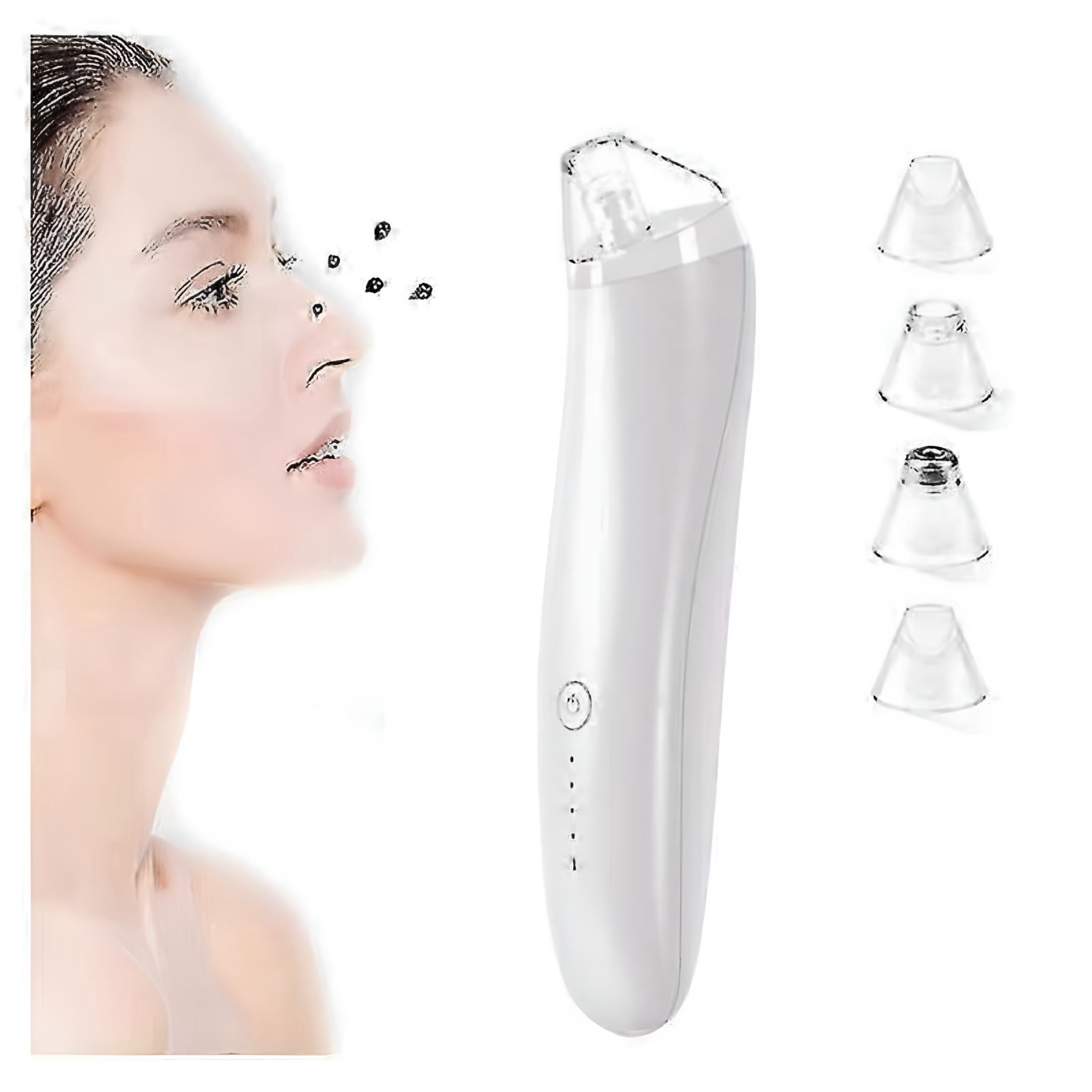
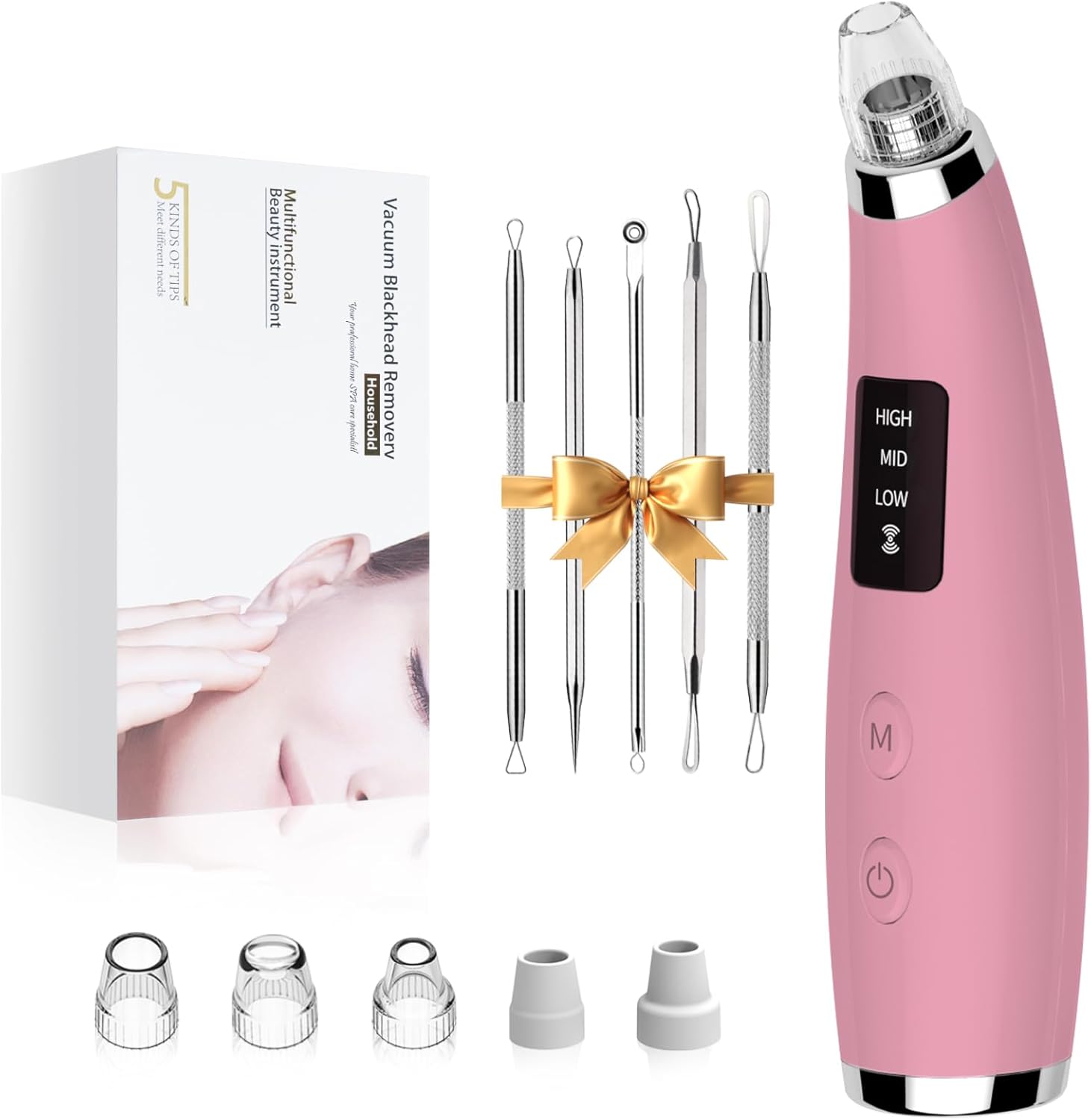
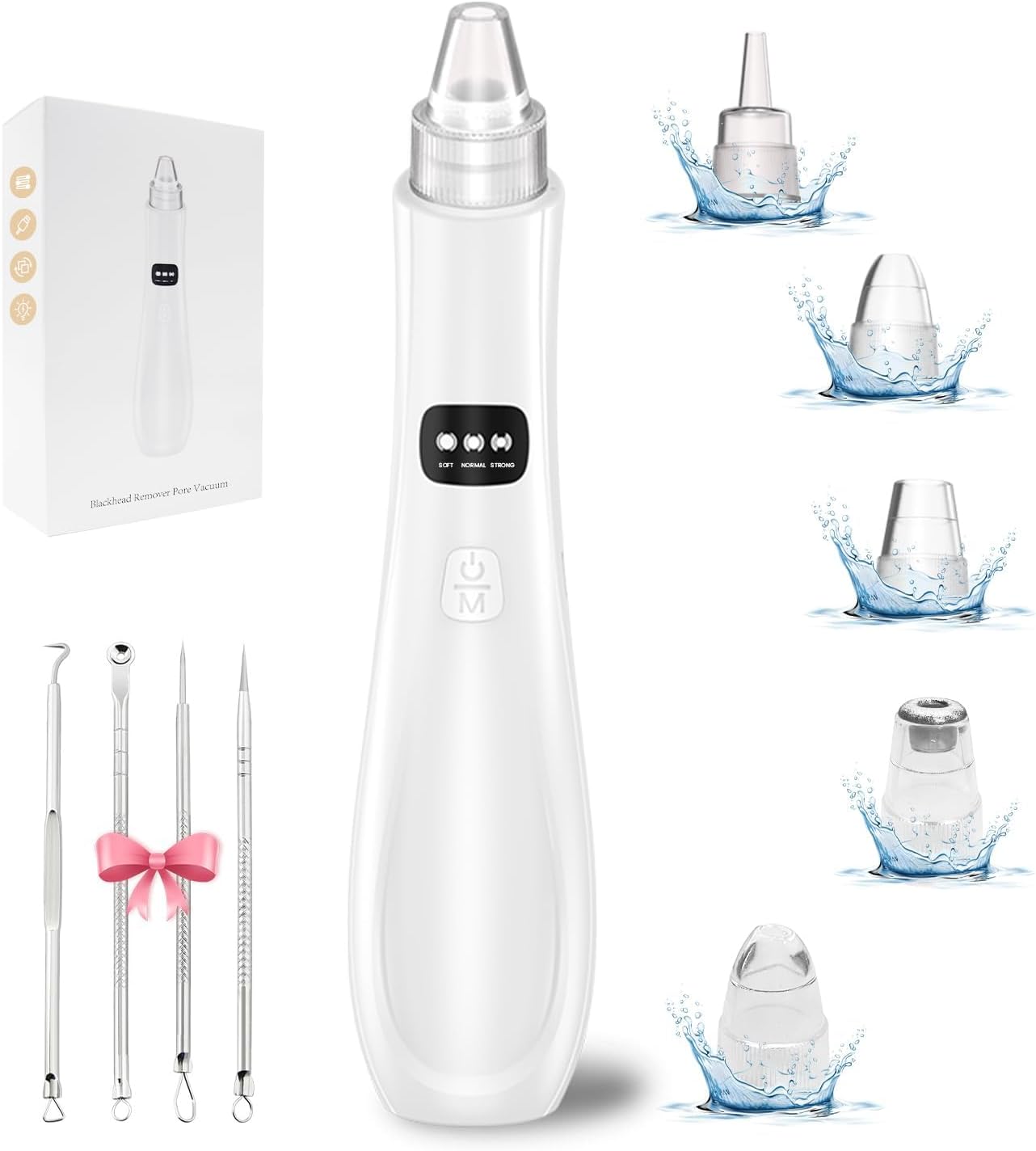
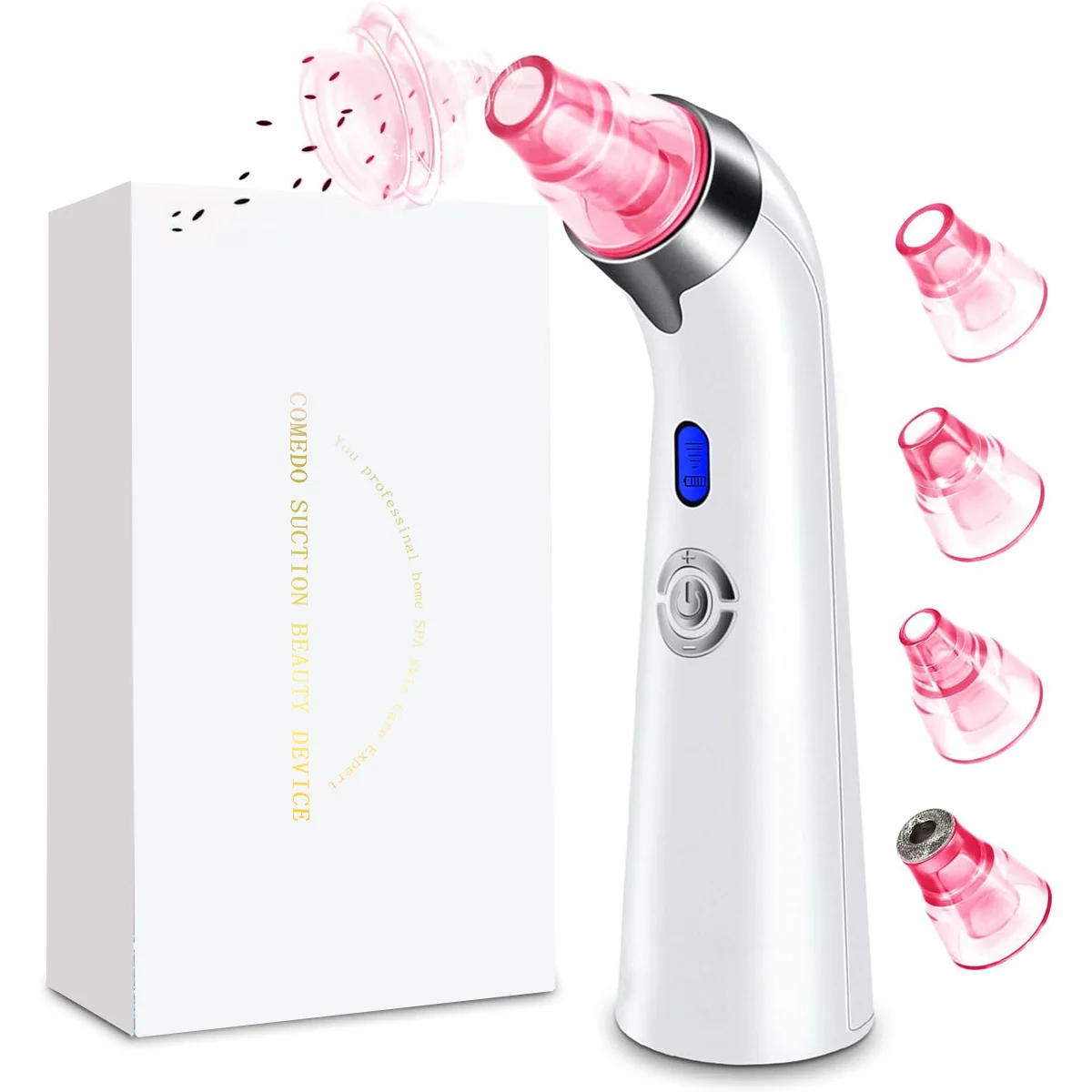
- Vacuum Suction Devices: While heavily featured in viral videos, medical-grade suction is calibrated precisely to clear debris without rupturing superficial capillaries, unlike unverified consumer-grade devices.
Pre-Extraction Preparation Protocols
Effective extractions require thorough skin preparation to soften keratin plugs and dilate the follicular ostium. Clinical settings typically employ multi-step protocols before applying mechanical pressure.
- Double Cleansing: Removing surface oils, makeup, and airborne particulate matter using oil-based cleansers followed by gentle surfactant washes.
- Chemical Exfoliation: Applying alpha-hydroxy acids (AHAs) like glycolic acid or beta-hydroxy acids (BHAs) such as salicylic acid. Salicylic acid is lipophilic, meaning it penetrates oil-filled pores to dissolve the cellular bonds holding comedones together.
- Vaporization and Thermal Compress: Utilizing controlled steam or warm, antimicrobial-infused towels to relax the stratum corneum and increase local microcirculation, making the extraction process smoother.
- Emollient Application: Applying specialized softening serums containing ingredients like triethanolamine to saponify hardened sebum.
Safety Standards and Dermatological Risks of Improper Extractions
While digital platforms overflow with DIY popping content, dermatologists consistently warn against unregulated mechanical extraction performed without professional training. Improper technique carries significant physiological risks that can permanently alter skin architecture.
| Extraction Method | Risk Level | Potential Complications | Professional vs. At-Home Reality |
|---|---|---|---|
| Manual Finger Pressure | High | Dermal tearing, hyperpigmentation, bacterial spreading, scarring | Fingers exert uneven, excessive force; professionals rely on calculated, directional vectors using tools. |
| Metal Loop Extractor | Moderate to High | Bruising (ecchymosis), broken capillaries, broken skin barrier | Improper angle or excessive pressure leads to post-inflammatory erythema and permanent indentations. |
| Sterile Lancet Incision | High (Critical) | Nerve damage, deep infection, hypertrophic scarring | Strictly reserved for licensed medical professionals with deep anatomical knowledge of facial structures. |
| Chemical Peel + Prep | Low | Temporary dryness, mild peeling, transient sensitivity | Safe when formulated to correct pH levels and neutralized correctly by trained aestheticians. |
Forcing a blackhead incorrectly often pushes the follicular wall to rupture beneath the skin surface. When this occurs, keratin, sebum, and Propionibacterium acnes bacteria spill into the surrounding dermis, triggering an aggressive inflammatory immune response. This turns a simple non-inflammatory comedone into a painful inflammatory papule, pustule, or cystic nodule that heals slowly and frequently leaves behind post-inflammatory hyperpigmentation (PIH) or pitted icepick scars.
Evolution of Skincare Content Creation and Platform Trends
The production quality of dermatological media has undergone a massive transformation. Creators now utilize specialized macro lenses, ring lights, and polarized cross-lighting to capture the exact moment a stubborn sebaceous plug releases from the follicular canal.
Platforms have also adapted to audience demands by emphasizing educational overlays. Top-tier creators integrate anatomical diagrams, real-time commentary explaining skin physiology, and clear disclaimers warning viewers against replicating high-risk procedures at home. This shift toward responsible content creation helps bridge the gap between pure entertainment and clinical dermatological advocacy.
Furthermore, viewers in 2026 expect transparency regarding post-procedure care. Content that demonstrates the immediate extraction without showing the application of soothing agents, antibacterial washes, and non-comedogenic sun protection is increasingly viewed as incomplete or reckless by skincare enthusiasts.
Long-Term Management Strategies for Comedones
Relying solely on physical extractions offers only a temporary fix. True clearance of blackheads requires a consistent, scientifically backed preventative regimen targeting the root causes of follicular hyperkeratinization and excess sebum production.
- Daily Salicylic Acid Integration: Incorporating a leave-on 2% BHA exfoliant 3 to 4 times a week helps keep the lining of the pore clear, preventing dead skin cells from binding together and forming new plugs.
- Retinoid Therapy: Utilizing topical retinoids such as adapalene, tretinoin, or retinol accelerates cellular turnover rates, normalizing the shedding process within the follicular duct and stopping microcomedones from forming.
- Non-Comedogenic Hydration: Avoiding heavy, occlusive oils (such as coconut oil or isopropyl myristate) in favor of lightweight, water-based hydrators containing hyaluronic acid, glycerin, and niacinamide to regulate sebum output.
- Professional Maintenance: Scheduling periodic clinical facials or chemical peels every 4 to 6 weeks to manage stubborn buildup that home routines cannot fully address.
Frequently Asked Questions
Why do blackheads return in the exact same spot after being extracted?
Blackheads reform because physical extraction only removes the current plug without altering the underlying biological behavior of the pore. Without active ingredients like retinoids or salicylic acid to regulate cellular shedding and sebum production, the follicle will continue to fill with keratin and oil over time.
Are vacuum suction pore tools safe to use at home?
Consumer-grade vacuum suction tools frequently cause localized bruising, broken capillaries, and skin stretching if held in one place too long or set to high intensity. Dermatologists generally advise against using them, as they fail to clear the root of the impaction while damaging fragile surface blood vessels.
What is the difference between a blackhead and a sebaceous filament?
Blackheads are oxidized plugs of sebum and dead skin cells trapped inside a blocked pore, representing a form of acne. Sebaceous filaments are normal, tube-like structures that channel sebum to the skin surface to keep it moisturized; they are naturally occurring, reappear quickly after removal, and do not cause inflammation.
Can a blackhead turn into an inflamed pimple if left alone?
Yes, an open comedone can transition into an inflammatory lesion if the trapped plug expands enough to rupture the delicate wall of the hair follicle. This rupture releases bacteria and debris into the surrounding skin tissue, triggering an immune response characterized by redness, swelling, and tenderness.
How can I safely minimize the appearance of enlarged pores?
While pore size is primarily determined by genetics, you can minimize their appearance by keeping them clear of debris using chemical exfoliants like BHA and protecting your collagen matrix with daily broad-spectrum sunscreen. When pores are free of oxidized plugs and surrounded by firm collagen, they appear significantly smaller.
Strategic Skincare Consultation
Achieving clear, resilient skin requires a balance of professional clinical oversight and a tailored daily maintenance routine. If you struggle with persistent congestion or recurring breakouts, consult a board-certified dermatologist or licensed medical esthetician to design a personalized regimen tailored to your unique skin type and lifestyle.
Image Gallery