Why the Subaru Outback Ventilated Seats Matter: Thermal Comfort, Tech, and Trim Selection
Ventilated seats in the Subaru Outback transform long-distance highway driving and summer road trips by actively drawing heat and moisture away from the occupant’s body. Available primarily on top-tier trims like the Touring and Tourin...
Ventilated seats in the Subaru Outback transform long-distance highway driving and summer road trips by actively drawing heat and moisture away from the occupant’s body. Available primarily on top-tier trims like the Touring and Touring XT, this feature prevents sweat accumulation on leather upholstery, significantly reduces driver fatigue, and enhances year-round cabin climate regulation.
Contents
How Subaru’s Ventilated Seat System Functions
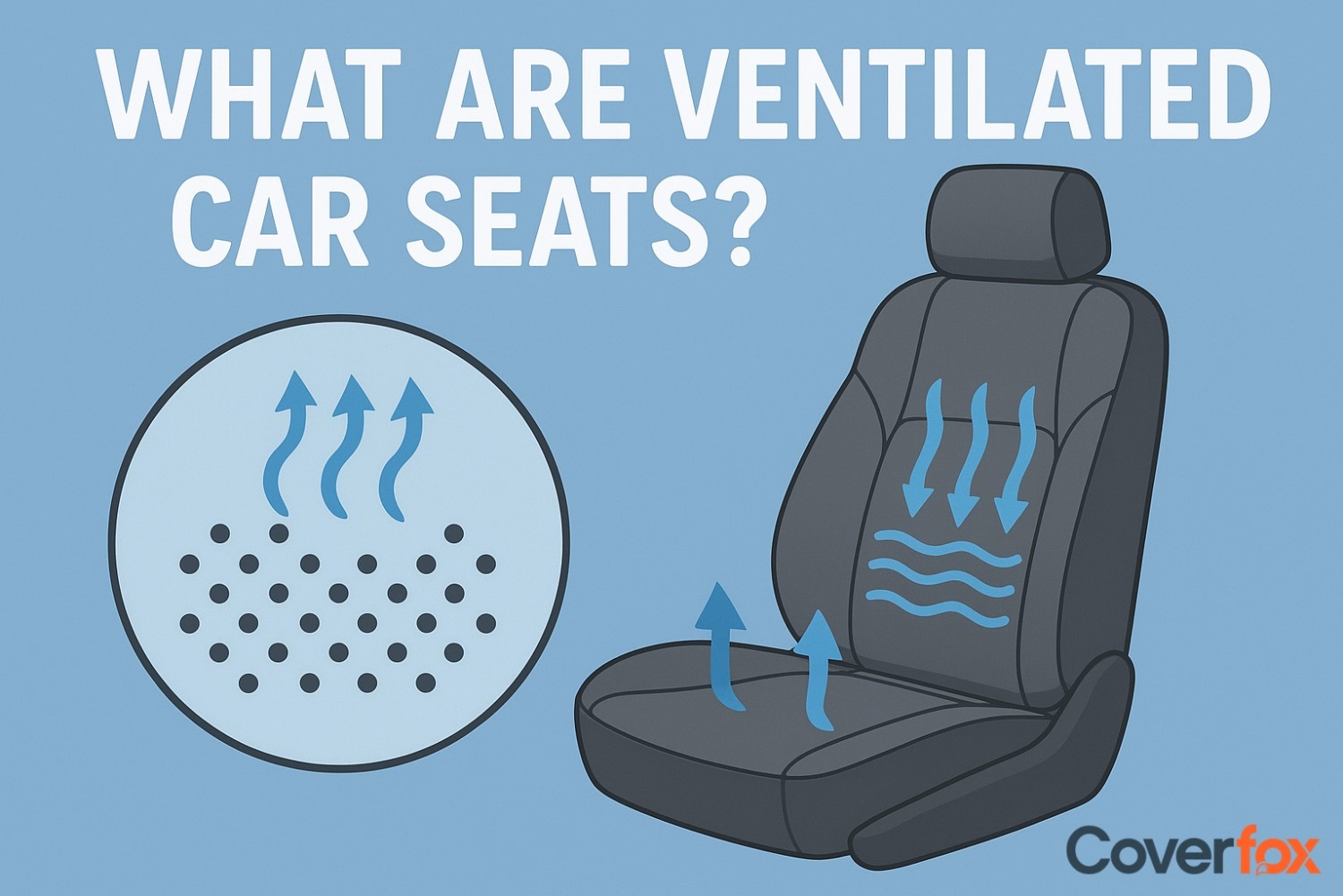
Subaru’s ventilated seat technology relies on a targeted airflow system built directly into the front seat frames. Unlike simple heated seats—which use resistive electrical coils to generate thermal energy—ventilated seats rely on low-noise internal electric blower fans housed within the seat cushion and seatback. These fans draw air through tiny micro-perforations in the leather upholstery, establishing continuous air movement across the driver and front passenger's body contact points.
- Cabin Air Intake / Under-Seat Channels
- Integrated Internal Blower Fans
- Perforated Nappa / Premium Leather
- Evaporative Cooling Across Occupant's Back & Thighs
The system operates primarily through evaporative cooling. When an occupant sits on non-permeable material like solid leather or vinyl, body heat and perspiration become trapped between the clothing and the seat surface. By pulling ambient cabin air through the perforated upholstery, the system accelerates sweat evaporation. This process lowers the surface temperature at the skin-seat boundary without requiring localized refrigeration units inside the seat structure.
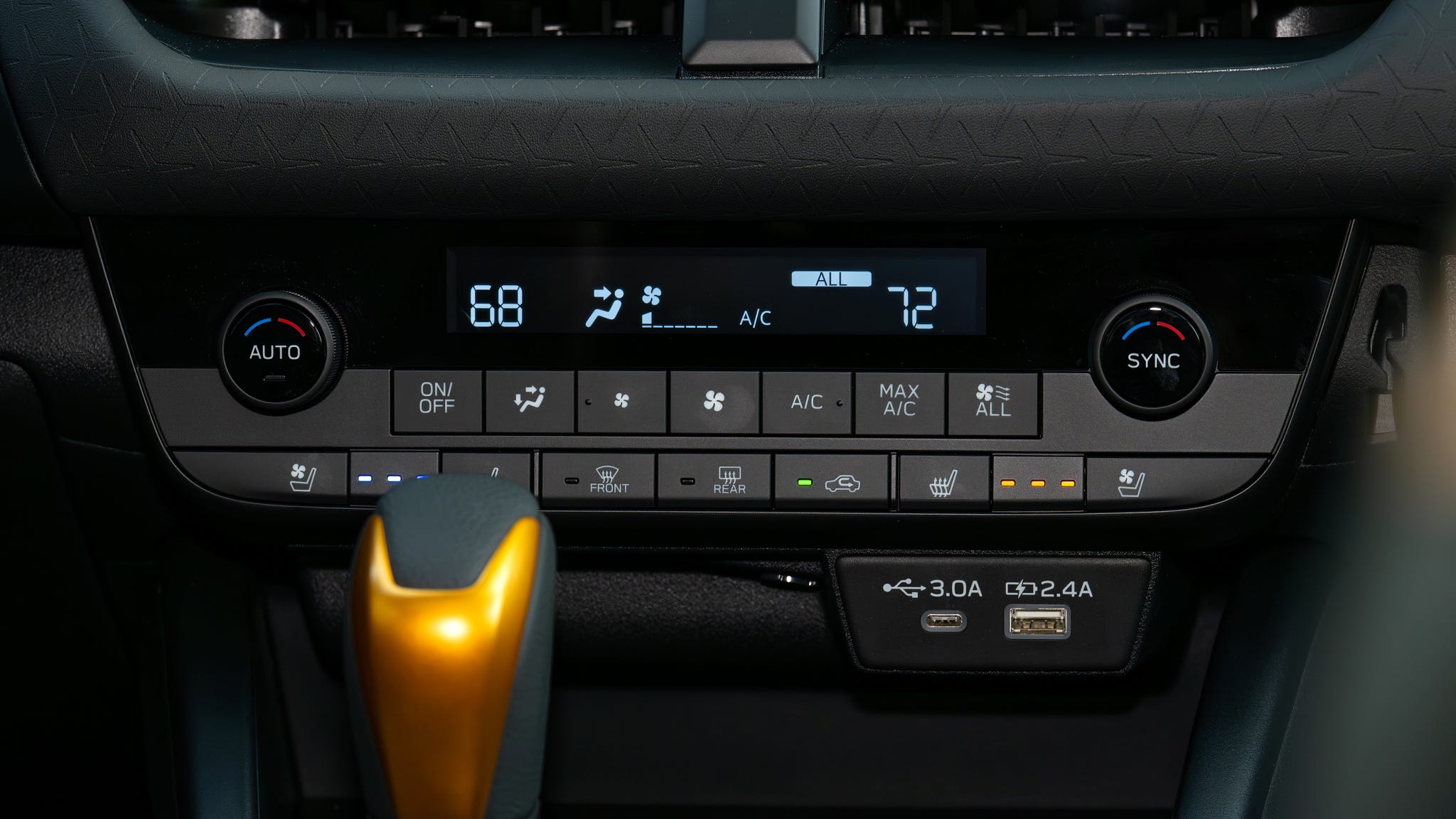
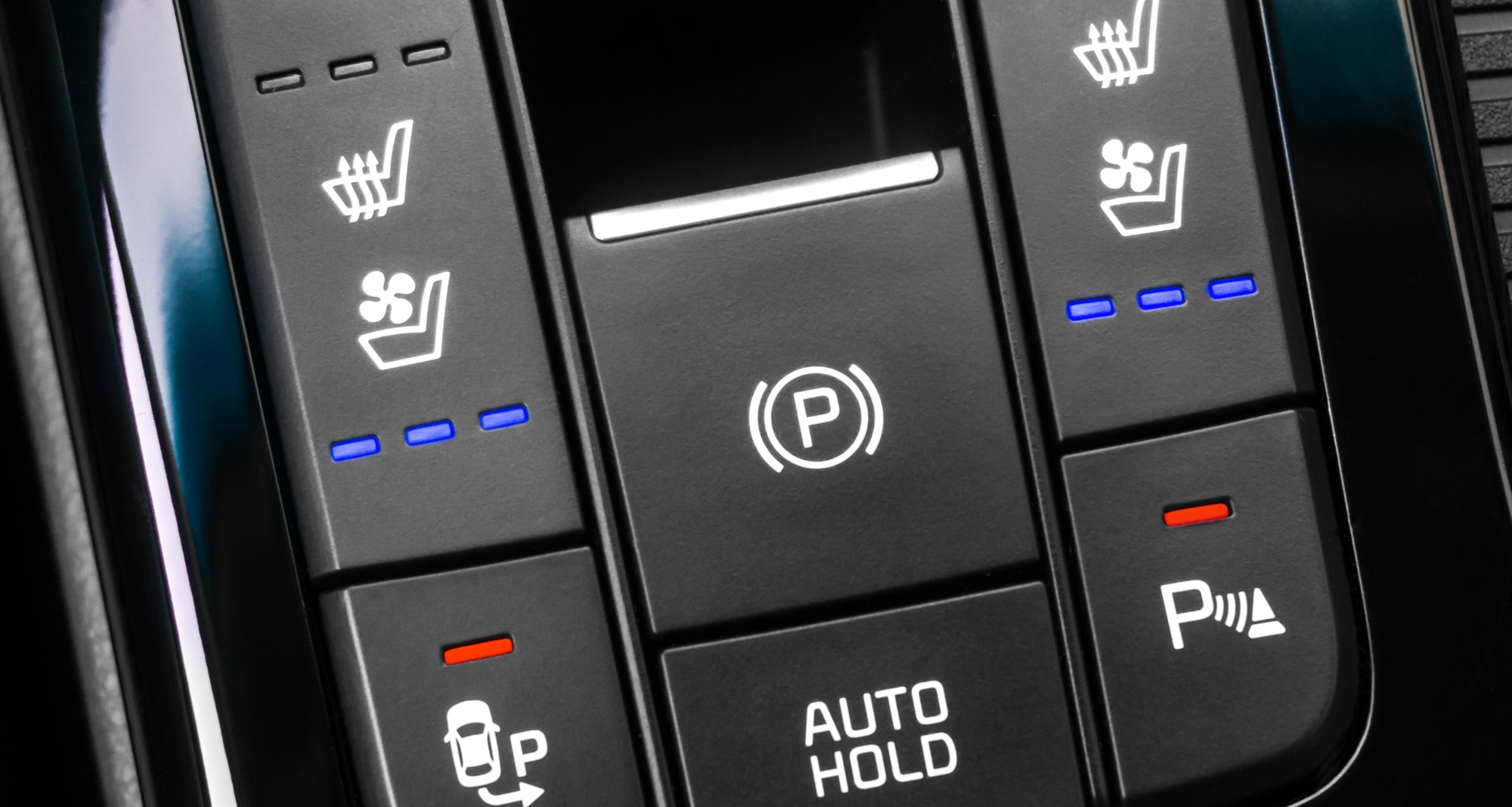
Subaru integrates controls for the ventilated seats directly into the STARLINK touchscreen infotainment interface or physical console switches, depending on model year refinements. Drivers can select from multiple speed settings (typically low, medium, and high) to match current ambient temperatures. Because the system draws air directly from the vehicle interior, its performance scales alongside the primary dual-zone automatic climate control system. When the cabin AC is running, the seat fans pull cooled, dehumidified air across the occupant's back and lower body for rapid thermal relief.
Why Seat Ventilation Matters in the Subaru Outback Experience
The Subaru Outback occupies a distinct space in the modern vehicle market, bridging the gap between a family crossover and a rugged outdoor adventure wagon. Understanding why seat ventilation matters in this specific model requires evaluating how Outback owners actually use their vehicles.
1. Active Lifestyle Recovery
Outback drivers frequently engage in outdoor recreation—such as hiking, trail running, mountain biking, kayaking, or camping. Returning to a vehicle after physical exertion in warm weather often leads to discomfort when sitting against smooth seating surfaces. Standard leather or synthetic upholstery can trap sweat against clothing, creating an damp, uncomfortable environment. Ventilated seats quickly evaporate moisture from damp clothing, allowing occupants to dry off comfortably during the drive home.
2. Long-Distance Highway Ergonomics
The Outback is widely used for long-distance road trips across diverse climates. During extended drives lasting three hours or more, localized heat build-up against the lower spine and thighs increases physical restlessness and discomfort. By maintaining constant airflow across primary pressure points, ventilated seats help keep the driver cooler and more alert, directly mitigating thermal fatigue over long stints behind the wheel.
3. Rapid Solar Heat Dissipation
Dark leather interiors act as heat sinks when parked under direct sunlight. Even if the main air conditioning system cools the ambient cabin air quickly after startup, dense seat foam retains thermal energy for extended periods. Ventilated seats actively exhaust this trapped heat from within the cushion, accelerating the time it takes for the seating surface to reach a comfortable temperature.
Subaru Outback Trim Breakdown: Where Are Ventilated Seats Available?
Subaru reserves ventilated seats for its upper-tier trim levels, positioning the feature as a premium luxury and comfort upgrade. Understanding trim availability helps prospective buyers weigh the financial step-up required to obtain this feature versus aftermarket alternatives or lower trim lines.
- Note: Availability may vary slightly by market region and specific model option packages.
| Trim Level | Seating Material | Front Heated Seats | Front Ventilated Seats | Rear Heated Seats |
|---|---|---|---|---|
| Base | Standard Cloth | Not Available | Not Available | Not Available |
| Premium | High-Grade Cloth | Standard (All-Weather Pkg) | Not Available | Not Available |
| Onyx Edition | StarTex® Water-Repellent | Standard | Not Available | Optional / Standard |
| Limited | Perforated Leather-Trimmed | Standard | Not Available | Standard |
| Limited XT | Perforated Leather-Trimmed | Standard | Not Available | Standard |
| Wilderness | StarTex® Water-Repellent | Standard | Not Available | Not Available |
| Touring | Perforated Nappa Leather | Standard | Standard | Standard |
| Touring XT | Perforated Nappa Leather | Standard | Standard | Standard |
Why Isn't Ventilation Offered on the Wilderness Trim?
A common query among prospective buyers is why the off-road-focused Outback Wilderness lacks ventilated seats. The Wilderness trim utilizes StarTex®, a synthetic, non-porous polyurethane seating material engineered for water resistance, mud protection, and easy washing. Because StarTex® is non-porous and designed to repel fluids completely, perforating it for air ventilation would compromise its water-resistant integrity, allowing water and grime to penetrate deep into the underlying seat foam.
Material Performance Comparison: Ventilated Leather vs. Cloth vs. StarTex
Evaluating seat comfort requires comparing how different Subaru seat materials handle temperature and airflow.
Upholstery Heat & Moisture Performance Profiles
- Standard Leather: Traps Heat High; Requires Ventilation
- StarTex Synthetic: Non-Porous; Easy Clean / Holds Heat
- Standard Cloth: Naturally Breathable; Lacks Active Fan
- Perforated Nappa: Active Ventilation; Optimal Cooling
1. Standard Leather (Limited Trim)
Standard perforated leather without active ventilation provides premium aesthetics and supportive structure, but its thermal dissipation remains passive. In high humidity or extreme heat, it retains body warmth, which can lead to mild discomfort over long journeys.
2. StarTex® Upholstery (Onyx & Wilderness Trims)
StarTex® excels at durability and moisture resistance. Damp towels, mud, and spilled water wipe off effortlessly. However, because it is an impermeable material, it offers minimal natural breathability. In summer heat, StarTex® can feel warm against the body without the active airflow that perforated setups provide.
3. Ventilated Nappa Leather (Touring Trims)
Nappa leather is softer and more pliable than standard automotive leather. When paired with micro-perforations and active blower fans, it delivers superior thermal management. The natural softness of the Nappa hide combined with continuous airflow makes this configuration the most comfortable option for long-distance driving in hot climates.
Maintenance and Care for Perforated Ventilated Seats
Maintaining ventilated seats requires specific techniques to avoid blocking micro-perforations or damaging the internal blower assemblies.
Proper Perforated Seat Cleaning Technique
- Vacuum Micro-Perforations with Brush Attachment
- Apply Leather Cleaner directly to Cleaner Brush
- Work Light Foam Gently Across Leather Surface
- Wipe Microfiber Towel Clean; Air Dry Fully
Cleaning Protocol to Prevent Clogged Perforations
- Dry Vacuuming First: Use a soft-bristle brush attachment on a vacuum cleaner to remove dust, dirt, and debris from the micro-perforations. Never press hard, which can push dirt deeper into the holes.
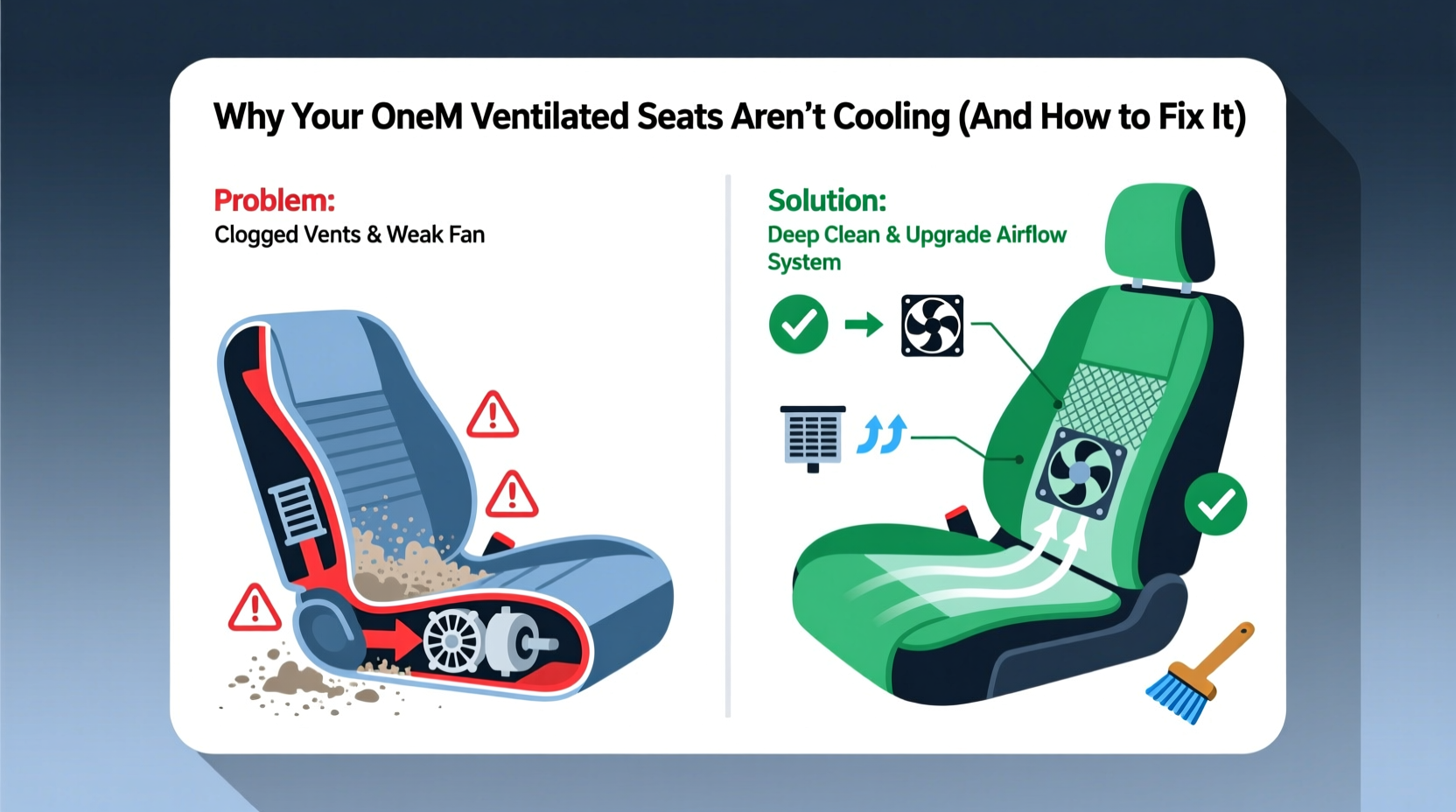
- Avoid Spraying Liquids Directly: Never spray liquid cleaners directly onto perforated leather. Liquid can seep through the perforations, saturating the foam backing and damaging the internal electric fans or heating elements.
- Use Dedicated Foam Cleaner: Apply a dedicated leather cleaner to a microfiber towel or horsehair brush first. Work the product into a light lather before gently wiping the seating surface.
- Avoid Thick Waxes and Pastes: Paste waxes, heavy creams, and thick conditioners can clog micro-perforations. Once dry, these products leave white residue plugs inside the holes that restrict airflow. Use light, liquid-based leather conditioners formulated specifically for perforated surfaces.
Frequently Asked Questions
Do Subaru Outback ventilated seats blow refrigerated cold air?
No. Subaru’s ventilated seat system uses internal electric fans to pull ambient cabin air through micro-perforations in the leather seat cushions. While the air is not independently refrigerated within the seat frame, directing cooled air from the main air conditioning system toward the floor vents allows the seat fans to circulate refreshed, cool air around the occupant.
Can you retrofit factory ventilated seats onto an Outback Limited or Premium?
Retrofitting factory ventilated seats into a trim level that did not come equipped with them is technically complex and cost-prohibitive. It requires replacing the complete seat assembly, installing original wiring harnesses, and updating system software or control modules. For buyers seeking seat ventilation, purchasing a Touring trim directly from the factory is far more practical.
Are ventilated seats available on the Outback Wilderness?
No. The Outback Wilderness comes exclusively with StarTex® water-repellent synthetic upholstery. Because StarTex® is non-porous to prevent moisture penetration into the seat cushion, it cannot be perforated for airflow without losing its primary fluid-resistant properties.
Do ventilated seats drain the car battery or noticeably reduce fuel economy?
The low-voltage electric fans used in Subaru’s ventilated seat system draw minimal power, comparable to standard interior accessories. Unlike heavy mechanical loads like the A/C compressor, seat fans do not create a measurable impact on fuel efficiency or engine load.
How do you unblock clogged perforations in ventilated seats?
If dried conditioner or dirt clogs the ventilation holes, gently flex the leather around the area to break up the dry material. Use a wooden toothpick or a plastic detailing pick to clear the blockage carefully, taking care not to puncture or tear the leather edges. Follow up with a vacuum using a soft brush attachment.
Final Verdict: Is Upgrading to an Outback Trim with Ventilated Seats Worth It?
Choosing an Outback trim equipped with ventilated seats comes down to regional climate, daily usage habits, and personal comfort priorities.
For drivers living in regions with long summers, high humidity, or frequent high temperatures, upgrading to the Touring or Touring XT trim provides clear functional value. The combination of supple Nappa leather and active ventilation noticeably improves cabin comfort, reduces fatigue on long road trips, and resolves the issue of heat retention on warm leather seats.
Conversely, buyers prioritizing heavy off-road use, water resistance, and rugged durability may find the Wilderness or Onyx Edition trims more practical. While these trims lack ventilated seats, their synthetic StarTex® surfaces are optimized for heavy outdoor utility and easy cleaning.
For buyers focused on long-distance comfort, highway commuting, and premium cabin appointments, the inclusion of ventilated seats makes the Outback Touring a compelling, high-value choice.
Image Gallery