Is The Message Bible a Good Translation? Understanding Its Role and Reliability
The Message is widely considered an excellent contemporary paraphrase rather than a literal, word-for-word translation. It is highly effective for grasping the emotional weight and narrative flow of Scripture in modern idiom, but it is...
The Message is widely considered an excellent contemporary paraphrase rather than a literal, word-for-word translation. It is highly effective for grasping the emotional weight and narrative flow of Scripture in modern idiom, but it is not intended for technical theological study or doctrinal analysis without being paired with a formal equivalent translation.
Contents
In the landscape of Biblical literature as of 2026, few versions of the Bible remain as polarizing or as popular as The Message: The Bible in Contemporary Language. Created by Eugene H. Peterson, a scholar, pastor, and poet, this version has spent over three decades influencing how English speakers engage with the text. However, the question of whether it is a "good" translation depends entirely on how "good" is defined within the context of biblical hermeneutics and the specific needs of the reader.
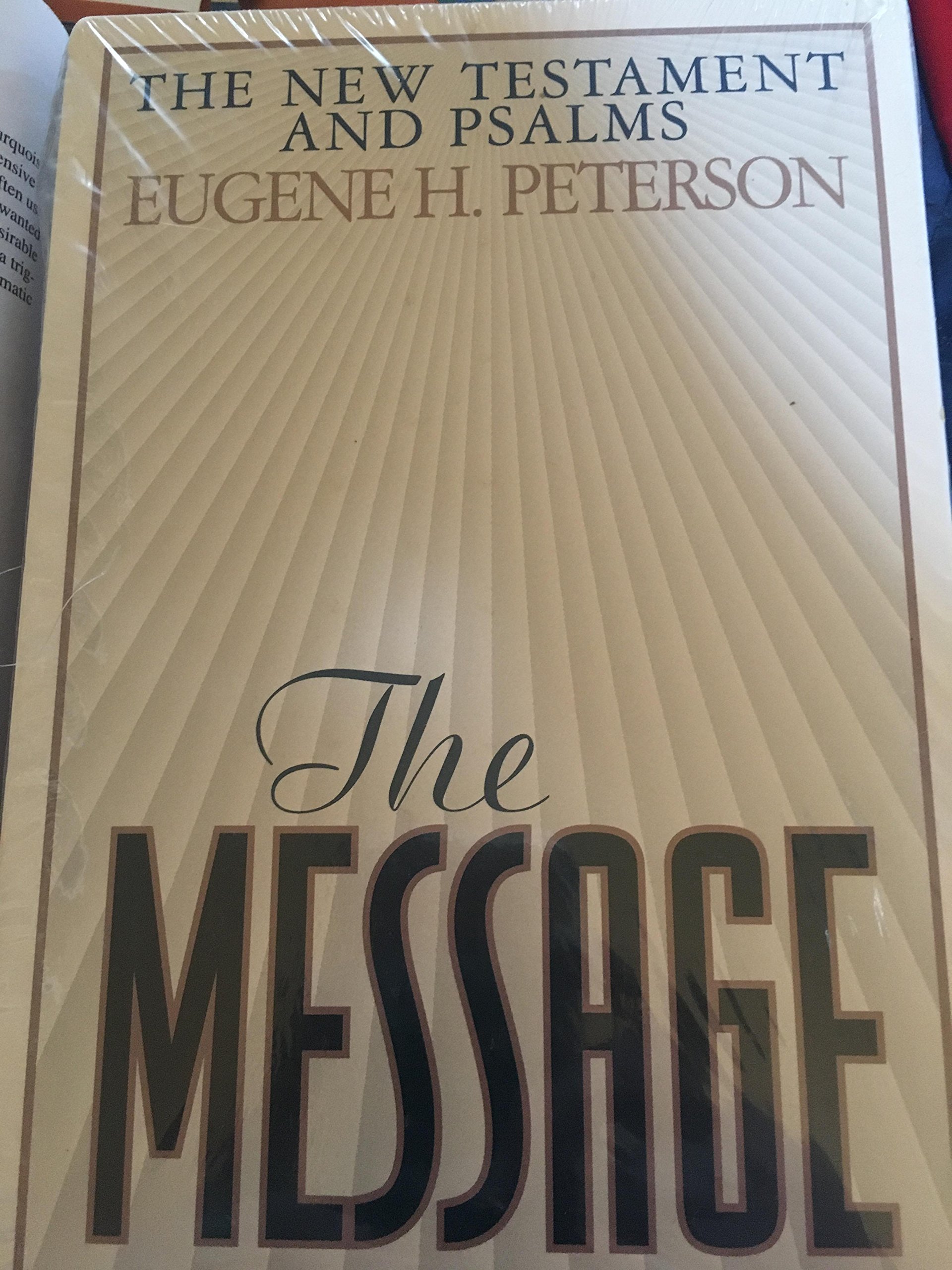
The Origin and Intent of The Message
To evaluate The Message, one must first understand its genesis. Eugene Peterson, serving as a pastor in the late 20th century, observed that his congregants found the traditional language of the Bible—even in modern versions like the NIV—to be "stale" or distant. He believed that the original "Koine" Greek of the New Testament was not a high-liturgical language, but the common, "street" language of the marketplace.
Peterson’s primary goal was to recapture the "earthiness" of the original texts. He did not set out to create a study Bible; rather, he intended to create a "reading Bible" that would make the scriptures feel as immediate and urgent as a letter from a friend or a contemporary news report. Working directly from the original Hebrew and Greek, Peterson spent years crafting what would eventually become The Message, which was released in segments starting in 1993 and completed as a full Bible in 2002.
Translation Philosophy: Paraphrase vs. Formal Equivalence
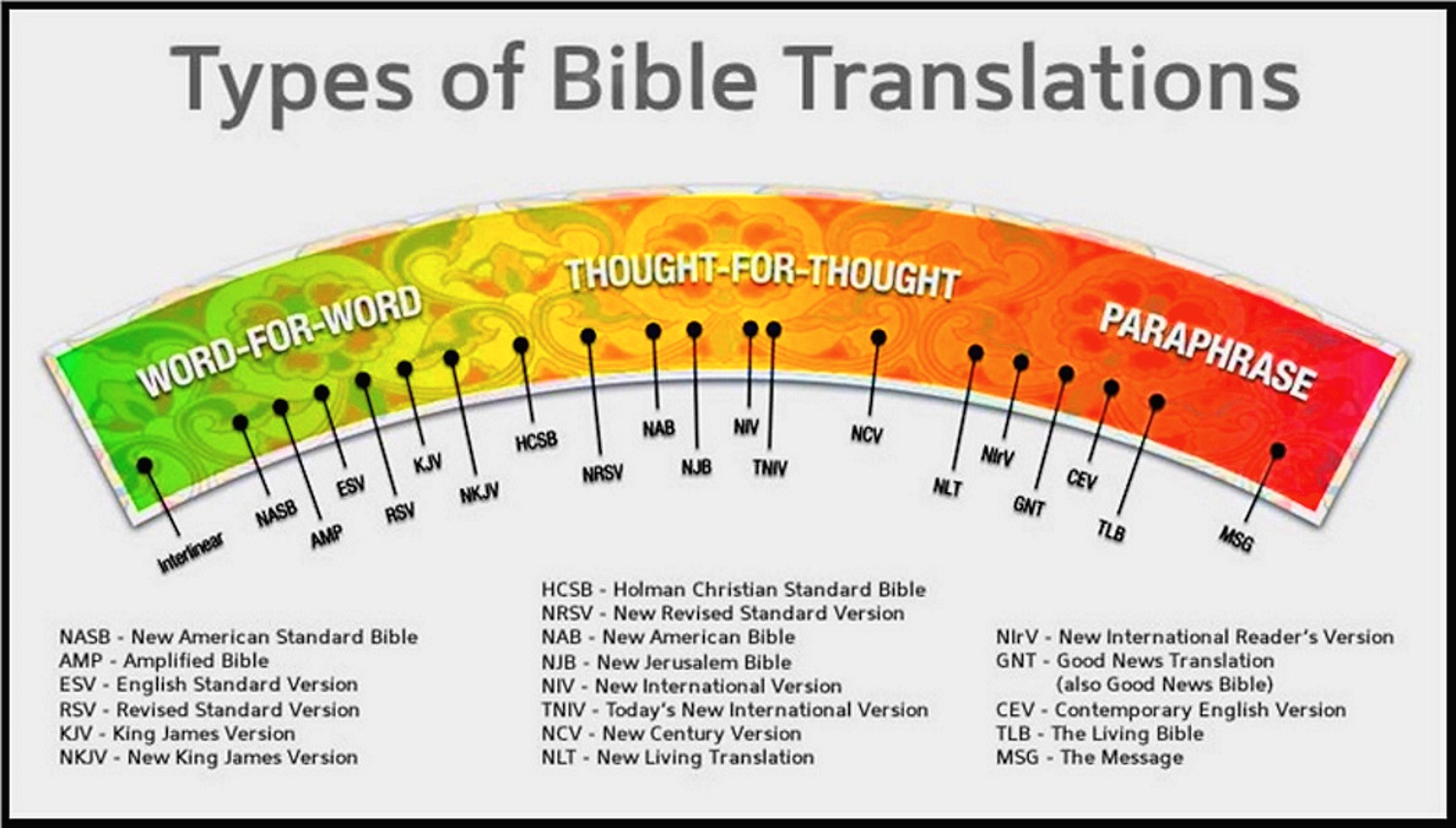
In the world of biblical translation, versions are generally categorized along a spectrum of translation philosophy. Understanding where The Message falls on this spectrum is critical for any reader trying to determine its utility.
Formal Equivalence (Word-for-Word)
Translations like the New American Standard Bible (NASB) or the English Standard Version (ESV) prioritize formal equivalence. These versions attempt to translate the original Greek and Hebrew words and grammar as literally as possible into English. These are excellent for deep study and understanding the specific vocabulary used by the original authors.
Dynamic Equivalence (Thought-for-Thought)
The New International Version (NIV) and the New Living Translation (NLT) utilize dynamic or functional equivalence. These versions prioritize the "thought" or "meaning" of a sentence over the literal word-for-word structure. The goal is to ensure the modern reader understands the point the author was making, even if the sentence structure is rearranged for clarity.
Paraphrase
The Message sits at the far end of the spectrum as a paraphrase. While Peterson worked from the original languages, he took significant liberties with the text to convey the "spirit" and "tone" of the passage. He often used modern idioms, metaphors, and slang that did not exist in the ancient world to bridge the cultural gap between the first and twenty-first centuries.
The Strengths of The Message: Why It Is "Good"
For many readers, The Message is considered "good" because it breaks down the barriers of religious jargon. It excels in several specific areas that make it a valuable tool in 2026 for both new and long-time Christians.
Narrative Flow and Engagement
One of the most significant hurdles for modern readers is the dense, often repetitive nature of ancient literature. The Message smooths these edges, turning the epistles of Paul into conversational letters and the prophecies of the Old Testament into vivid, rhythmic poetry. This makes it easier to read large sections of the Bible at once, helping the reader see the "big picture" of the biblical narrative.
Emotional Resonancy
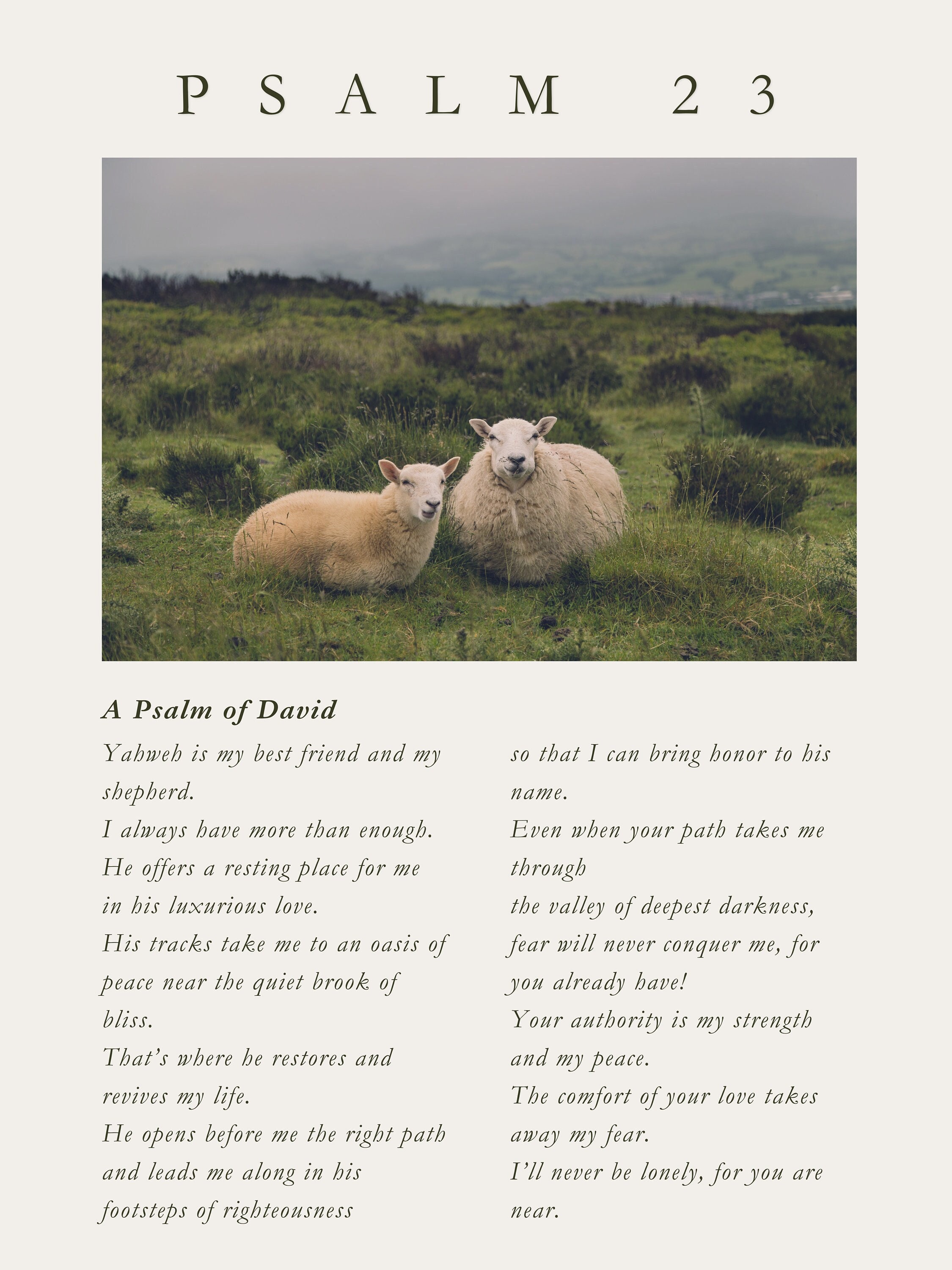
Because Peterson was a poet at heart, he captured the emotional stakes of the biblical characters in a way that formal translations often miss. When reading the Psalms in The Message, the raw desperation and exuberant joy are palpable. For individuals struggling with "Bible fatigue," this version can breathe new life into familiar passages, forcing the brain to process the meaning rather than glazing over familiar, "holy-sounding" words.
Accessibility for Seekers
For those with no religious background, traditional Bibles can feel like a foreign language. The Message provides a low-barrier entry point. It speaks the language of the contemporary world, making the teachings of Jesus and the history of Israel feel relevant to modern life.
The Limitations of The Message: Where It Falls Short
While The Message has many benefits, it also has significant limitations that prevent it from being a primary or "standalone" Bible for many believers. These limitations are the source of most criticisms directed at the work.
Loss of Technical Precision
Because Peterson used modern idioms, the specific nuances of theological terms—such as "justification," "sanctification," or "propitiation"—are often obscured or replaced with descriptive phrases. While this helps with general understanding, it makes it impossible to perform a word study or to understand the specific legal and sacrificial frameworks that the original authors were referencing.
Subjectivity of Interpretation
Every translation involves some level of interpretation, but a paraphrase involves much more. When you read The Message, you are seeing the Bible through the specific lens of Eugene Peterson’s theological and cultural perspective. While Peterson was a respected scholar, any single-translator version lacks the checks and balances of a multi-denominational committee, which is the standard for versions like the NIV or ESV.
Contemporary Slang and Dating
Language evolves rapidly. Some of the idioms used in the early 1990s already feel dated in 2026. Because The Message leans so heavily on contemporary "street language," it risks becoming a period piece. What was "fresh" in 2002 might feel awkward or "cringe" to a Gen Z or Gen Alpha reader today.
Comparison of Translation Styles
The following table compares The Message with other popular translations to help readers understand its place in their library.
| Translation | Category | Best Use Case | Reading Level (Grade) |
|---|---|---|---|
| NASB 2020 | Formal Equivalence | Inductive Study / Word Studies | 11+ |
| ESV | Formal Equivalence | Church Liturgy / Serious Study | 10 |
| NIV | Dynamic Equivalence | General Reading / Memorization | 7-8 |
| NLT | Thought-for-Thought | Devotional / Youth Groups | 6 |
| The Message | Paraphrase | Narrative Immersion / Perspective | 4-5 |
Is It Accurate? Addressing the Controversy
The question of "accuracy" is the most frequent criticism leveled against The Message. Critics often point to specific verses where Peterson’s phrasing seems to alter the meaning. For example, in the Lord’s Prayer (Matthew 6), Peterson translates "Hallowed be thy name" as "Reveal who you are." While this captures the intent of God’s name being made known and honored, it loses the specific concept of "holiness" (hallowed).
However, Peterson himself was always clear that The Message was not intended to replace the original text. He frequently encouraged readers to use it alongside a more literal translation. In this light, "accuracy" in The Message should be measured by its ability to convey the impact of the original message to a modern audience, rather than its adherence to Greek syntax. It is "accurate" to the heart of the message, but "inaccurate" to the literal words.
Expert Recommendations for Use in 2026
If you are wondering if The Message is right for you, consider these best practices for using it effectively:
- The "Second Bible" Approach: Use The Message as a secondary resource. Read a passage in a literal version (like the ESV or CSB) first to understand the structure and specific wording, then read the same passage in The Message to see it from a fresh perspective.
- Narrative Reading: Use it for reading long stretches of the Old Testament history (like 1 & 2 Kings) or the Gospels. The storytelling format helps you stay engaged with the plot.
- Devotional Reflection: The Message is excellent for personal morning devotions where the goal is to be stirred emotionally or challenged ethically by the text rather than to analyze grammar.
- Avoid for Doctrine: Do not use The Message as your primary source for arguing fine points of theology or establishing church doctrine. Its language is too fluid for that purpose.
FAQs
Is The Message a "real" Bible?
Yes, it is a translation of the full text of the Old and New Testaments. Unlike some paraphrases that only summarize parts of the Bible, Eugene Peterson translated the entire work from the original Hebrew and Greek manuscripts. However, because of its style, it is categorized as a paraphrase.
Who was Eugene Peterson, and was he qualified?
Eugene Peterson (1932–2018) was a Presbyterian pastor, a scholar of Biblical languages, and a professor of Spiritual Theology at Regent College. He was highly respected in both academic and pastoral circles. His background in Greek and Hebrew provided the technical foundation for The Message, even though the final product is informal.
Can I use The Message for Bible study?
It is not recommended as a primary study Bible. Because it prioritizes contemporary idiom over literal word-for-word accuracy, you may miss important linguistic links and theological nuances. It is, however, a helpful supplement to see a different angle on a difficult passage.
Does The Message remove verses?
No, The Message does not intentionally remove verses. However, because it is a paraphrase, several verses are often grouped together into a single paragraph of text. This can make it difficult to find a specific verse number within a chapter compared to a traditional verse-by-verse layout.
Is The Message better for kids or adults?
It is useful for both. Its lower reading level and modern language make it accessible for children and teenagers. For adults, it is often used to break through "over-familiarity" with the text, helping them hear the words as if for the first time.
Final Recommendation: A Tool, Not a Foundation
Is The Message Bible a good translation? If you are looking for a rigorous, academic tool to dissect the Greek middle voice or the Hebrew waw-consecutive, then no—it is not a good translation for that purpose. However, if you are looking for a version that makes the Bible feel alive, helps you understand the overarching story of God’s relationship with humanity, and makes the text "speak" to you in a language you use at the kitchen table, then The Message is an exceptional resource.
In 2026, the best way to use The Message is as part of a multi-translation approach. By balancing the technical precision of a formal translation with the vibrant, evocative language of Peterson’s paraphrase, readers can achieve a well-rounded and deeply impactful understanding of the Christian scriptures.
Image Gallery