Choosing the Best Bitcoin Alternative: A Strategic Guide for 2026
Choosing the best Bitcoin alternative requires identifying your specific objectives—whether seeking smart contract functionality, enhanced privacy, or lower transaction costs—and evaluating a project’s consensus mechanism, developer ac...
Choosing the best Bitcoin alternative requires identifying your specific objectives—whether seeking smart contract functionality, enhanced privacy, or lower transaction costs—and evaluating a project’s consensus mechanism, developer activity, and tokenomics. By prioritizing security and utility over speculative hype, you can select digital assets that offer sustainable value within a diversified 2026 portfolio.
Contents
While Bitcoin remains the "digital gold" and the foundational asset of the cryptocurrency market, the landscape in 2026 has matured significantly. Investors and users no longer view the thousands of available "altcoins" as mere clones of the original blockchain. Instead, the market is segmented into specialized ecosystems that solve the "Scalability Trilemma"—the challenge of balancing security, decentralization, and speed.
To choose the best alternative, you must look past price charts and understand the underlying architecture of these digital assets. This guide provides a framework for evaluating the most prominent Bitcoin alternatives, focusing on technical viability, market position, and practical utility.
Understanding the Taxonomy of Bitcoin Alternatives
The term "altcoin" is a broad umbrella. To make an informed choice, you must first categorize alternatives based on their primary function. In 2026, the most successful projects fall into four distinct categories:
1. Smart Contract Platforms
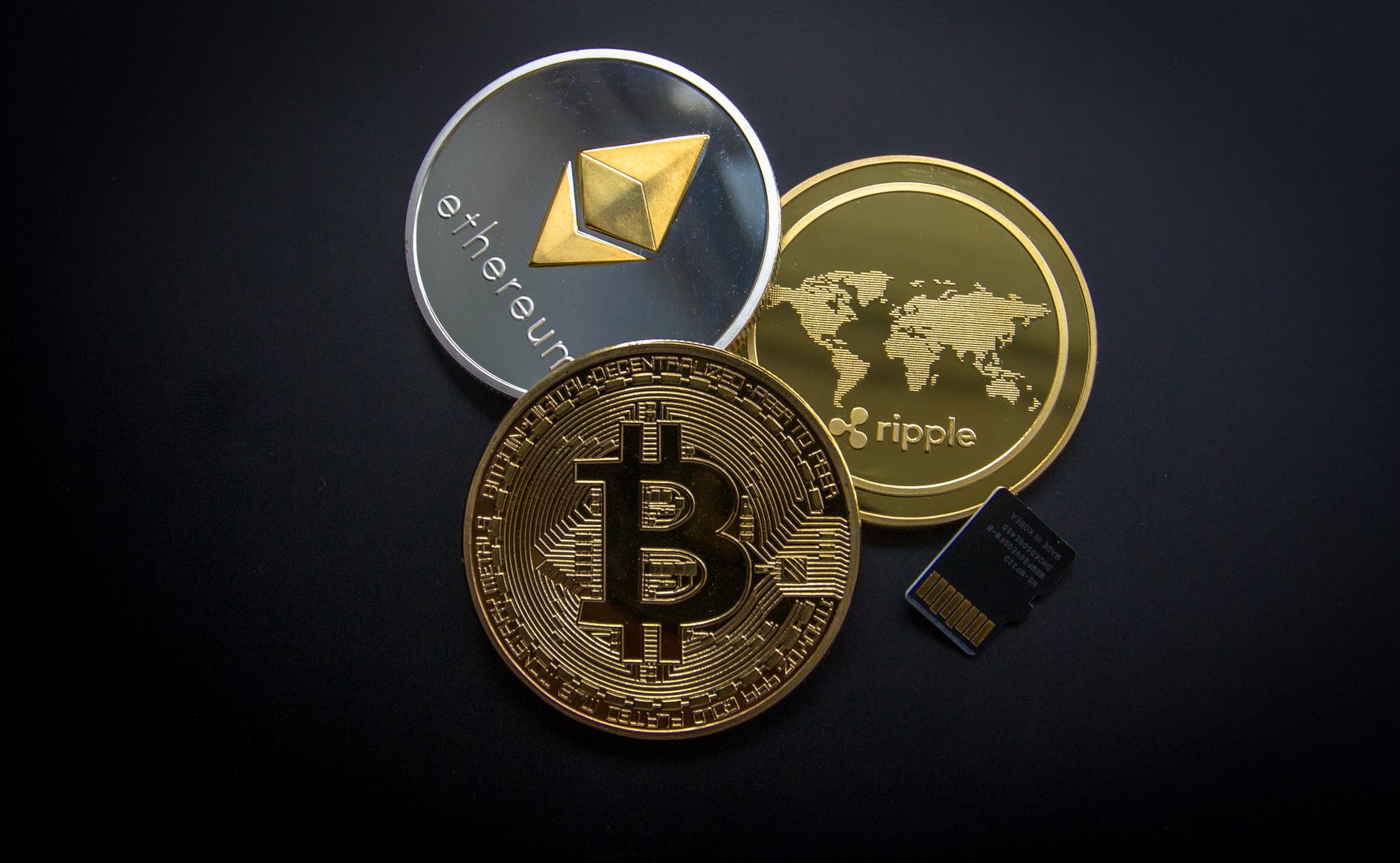
These are the most prominent alternatives to Bitcoin. Unlike Bitcoin, which is primarily a store of value and a simple payment network, platforms like Ethereum and Solana act as decentralized operating systems. They allow developers to build Decentralized Applications (dApps), automate financial agreements through smart contracts, and issue new tokens.
2. Privacy-Centric Coins
As global surveillance and blockchain analytics have become more sophisticated, assets like Monero (XMR) have carved out a niche for users prioritizing anonymity. These coins obfuscate sender, receiver, and transaction amounts, offering a level of financial privacy that Bitcoin’s transparent ledger cannot provide.
3. Utility and Exchange Tokens
These tokens provide specific benefits within a particular ecosystem. For example, tokens used to pay for discounted trading fees on major exchanges or tokens required to participate in decentralized autonomous organization (DAO) governance.
4. Layer 2 Scaling Solutions
While not always "alternatives" in the sense of being separate blockchains, Layer 2 assets (like those built on Arbitrum or Optimism) represent a major segment of the market. They process transactions off the main Bitcoin or Ethereum chains to provide faster, cheaper transfers while still inheriting the security of the underlying layer.
Key Technical Criteria for Evaluation
Choosing an alternative involves more than just checking market capitalization. You must audit the technical health of the protocol. In 2026, professional analysts focus on the following pillars:
Consensus Mechanisms and Energy Efficiency
Bitcoin uses Proof of Work (PoW), which is highly secure but energy-intensive. Most modern alternatives have transitioned to Proof of Stake (PoS) or hybrid models. PoS allows users to "stake" their tokens to secure the network, consuming 99% less energy than PoW. When choosing an alternative, consider the environmental impact and the barrier to entry for participating in network security.
Transaction Throughput and Latency
If your goal is to use cryptocurrency for daily payments or complex financial trading, speed is paramount. You should examine the Transactions Per Second (TPS) and the "time to finality"—how long it takes for a transaction to become irreversible. While Bitcoin might take 10 to 60 minutes for full confirmation, alternatives like Solana or various Layer 2s achieve finality in seconds.
The Scalability Trilemma Status
Every project makes trade-offs. A chain that claims 100,000 TPS may be highly centralized, meaning a few powerful nodes control the network. Conversely, a highly decentralized chain might be slow. The best alternatives in 2026 are those that have successfully implemented sharding or modular architectures to increase speed without sacrificing the censorship resistance that makes crypto valuable.
Analyzing Tokenomics and Supply Dynamics
A technologically superior coin can still be a poor investment if its economic design (tokenomics) is flawed. Before committing capital, verify the following:
- Total and Circulating Supply: Is there a hard cap on the number of coins that will ever exist (like Bitcoin’s 21 million), or is the supply infinite?
- Inflation vs. Deflation: Does the network "burn" a portion of transaction fees to reduce supply (like Ethereum’s EIP-1559 mechanism)? Assets with deflationary pressures often hold value better over long periods.
- Allocation and Vesting: Investigate how much of the initial supply was kept by the developers or venture capital firms. Large "unlocks" of tokens can lead to significant price drops when early investors sell their holdings.
Top Bitcoin Alternatives: 2026 Market Comparison
The following table compares the primary contenders for those looking to diversify away from Bitcoin.
| Asset Name | Primary Use Case | Consensus Mechanism | Avg. Transaction Cost | Native Feature |
|---|---|---|---|---|
| Ethereum (ETH) | Smart Contracts/dApps | Proof of Stake (PoS) | Moderate ($0.50 - $5.00) | Largest Developer Ecosystem |
| Solana (SOL) | High-Speed Finance | Proof of History (PoH) | Very Low (<$0.01) | High Throughput (65k+ TPS) |
| Monero (XMR) | Private Transactions | Proof of Work (PoW) | Low ($0.02 - $0.10) | Mandatory Privacy Features |
| Cardano (ADA) | Research-Led dApps | Ouroboros (PoS) | Low ($0.15 - $0.30) | Formal Verification Focus |
| Polkadot (DOT) | Interoperability | Nominated PoS | Low ($0.10 - $0.50) | Connects Multiple Blockchains |
Risk Management and Regulatory Compliance
By 2026, the regulatory environment has become a decisive factor in an asset's longevity. When choosing a Bitcoin alternative, consider the jurisdiction of the development team and the asset's status with major regulators.
SEC and Global Classifications
In the United States, the Securities and Exchange Commission (SEC) has historically scrutinized whether certain altcoins should be classified as securities. Assets that underwent initial coin offerings (ICOs) with heavy marketing are often at higher risk. Conversely, assets that are sufficiently decentralized may be treated as commodities.
Security Audits
Never choose an alternative that hasn't undergone rigorous third-party security audits of its code. In the 2026 landscape, "smart contract risk" is a leading cause of capital loss. Platforms like CertiK provide public databases of audited projects. If a project refuses to publish its audit results, it should be treated as a high-risk venture.
Liquidity and Exchange Support
Ensure the alternative you choose is listed on reputable, regulated exchanges. High liquidity ensures that you can enter or exit a position without "slippage"—where the price changes significantly during the execution of your trade. Assets listed only on obscure, offshore exchanges carry higher counterparty risk.
Frequently Asked Questions
Is Ethereum a better alternative than Bitcoin?
The "better" choice depends on your goal. Bitcoin is superior as a long-term store of value due to its simplicity and fixed supply. Ethereum is superior if you want to participate in decentralized finance (DeFi), use Non-Fungible Tokens (NFTs), or earn "yield" through staking. Most modern portfolios include both to balance stability with utility.
Can I still mine Bitcoin alternatives in 2026?
Mining is largely restricted to Proof of Work coins like Monero or Litecoin. Most modern alternatives use Proof of Stake, where you "mine" by holding and locking your coins in a wallet to validate transactions. This process, known as staking, is far more accessible to the average user than traditional hardware mining.
Are privacy coins like Monero legal?
Legality varies by jurisdiction. While Monero itself is a technology, some countries have pressured exchanges to delist privacy coins to comply with Anti-Money Laundering (AML) and "Travel Rule" regulations. Always check your local financial regulations before acquiring privacy-centric assets.
What is the most "stable" Bitcoin alternative?
If you are looking for price stability rather than growth, Stablecoins like USDC or USDT are the best choice. These are pegged 1:1 to the US Dollar. However, if you are looking for a decentralized asset with its own value, Ethereum is generally considered the second most stable asset in the crypto market due to its massive institutional adoption and liquidity.
How do I store my Bitcoin alternatives safely?
Avoid keeping significant amounts of any alternative on an exchange. Use a "cold" hardware wallet that supports the specific blockchain of your chosen asset. In 2026, many hardware wallets offer multi-chain support, allowing you to manage Bitcoin and multiple alternatives within a single secure interface.
Strategic Next Steps
To choose the best Bitcoin alternative for your needs, start by narrowing your focus to one specific utility—such as low-cost transfers or smart contract interaction. Once you have identified a category, perform a "deep dive" into the project's Whitepaper and GitHub repository. Look for consistent update cycles and a transparent roadmap.
Finally, diversify. The cryptocurrency market is volatile, and even the most technically sound alternative can face unforeseen hurdles. By spreading your involvement across 2-3 high-quality alternatives, you mitigate the risk of a single project's failure while positioning yourself to benefit from the broader innovation occurring outside the Bitcoin network.
Image Gallery