Colorado Life Insurance License Fingerprinting: What You Need to Know
Obtaining a life insurance license in Colorado requires a mandatory criminal history background check through fingerprinting, a process regulated by the Colorado Division of Insurance (DOI) and administered via approved third-party ven...
Obtaining a life insurance license in Colorado requires a mandatory criminal history background check through fingerprinting, a process regulated by the Colorado Division of Insurance (DOI) and administered via approved third-party vendors to verify applicant eligibility, protect consumers, and maintain industry integrity.
Contents
Understanding the Colorado Life Insurance Fingerprint Requirement
The Colorado Division of Insurance mandates that every individual applying for a resident insurance producer license—including life, accident, and health lines—submit fingerprints for a state and federal background check. This procedure is designed to protect consumers by ensuring that individuals handling financial products, fiduciary funds, and sensitive client data do not possess disqualifying criminal histories.
Regulatory compliance is a foundational step in the broader licensing pathway. Before the state can issue a permanent license, the Colorado Bureau of Investigation (CBI) and the Federal Bureau of Investigation (FBI) must review the applicant's criminal records. Understanding how this process works prevents costly delays, scheduling errors, and application rejections.
Prerequisites and Preparation Before Scheduling
Before you can complete your fingerprint appointment for a Colorado life insurance license, several foundational steps must be completed. Attempting to submit fingerprints before completing these prerequisites will result in processing delays or rejected submissions.
Pre-Licensing Education and Examination
In Colorado, applicants for a life insurance producer license must typically complete state-approved pre-licensing education hours or demonstrate equivalent qualifications, followed by passing the official licensing exam administered by Pearson VUE. While you can schedule your fingerprint appointment concurrently with or shortly after passing your exam, your background check results must ultimately align with an active license application submitted through the National Insurance Producer Registry (NIPR) or Sircon.
Gathering Required Identification
When you arrive for your fingerprinting session, you must present valid, government-issued photo identification. Acceptable forms of ID typically include:
- A valid driver’s license issued by any U.S. state.
- A current U.S. passport or passport card.
- A state-issued identification card.
- Military identification cards.
Ensure that the name on your identification matches the legal name used on your license application and appointment registration exactly. Any discrepancies can halt the fingerprinting process and require rescheduling.
The Fingerprint Submission Process Step-by-Step
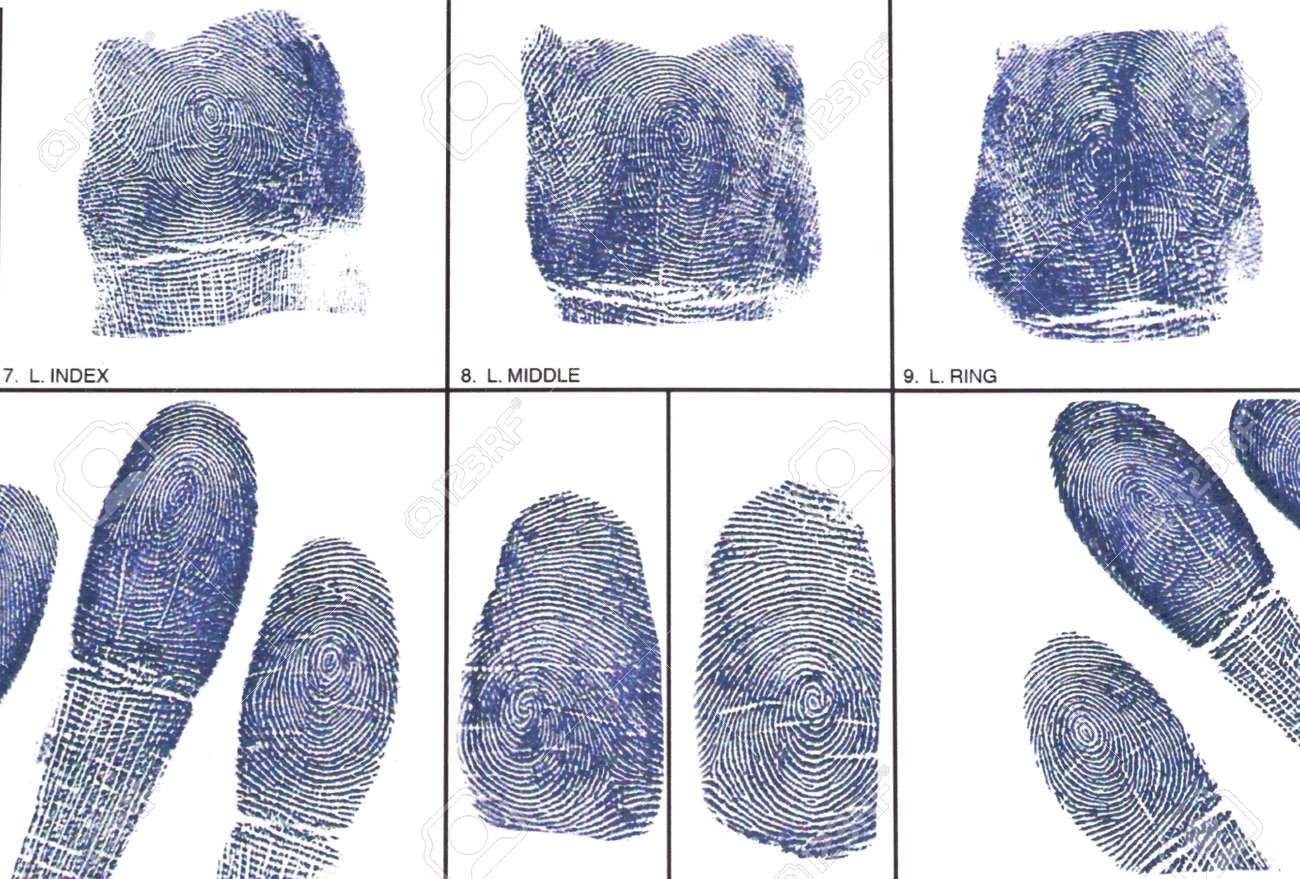
Colorado utilizes an approved vendor network to capture and transmit digital fingerprints electronically. Electronic fingerprinting (often referred to as Live Scan) significantly accelerates the background check turnaround time compared to traditional paper-and-ink cards.
Step 1: Register for the Appointment
Applicants must register for a fingerprinting appointment through the state's designated vendor website. In Colorado, vendor services are currently coordinated through IdentoGO, which is operated by IDEMIA. When registering online or via phone, you will need to provide an appropriate service code or ORI (Originating Agency Identifier) number supplied by the Colorado Division of Insurance to ensure your records are routed to the correct regulatory body.
Step 2: Attend the Appointment
Report to your selected IdentoGO or authorized vendor location at your scheduled time. Bring your government-issued photo identification and your payment method. The technician will capture your fingerprints digitally using optical scanning technology—no messy ink is required. The appointment typically takes between 10 to 15 minutes.
Step 3: Fee Payment
You are responsible for paying the fingerprint processing fees directly to the vendor at the time of your appointment. These fees cover the cost of capturing the prints as well as processing fees charged by the CBI and the FBI.
| Fee Component | Description | Responsible Party |
|---|---|---|
| Vendor Capture Fee | Cost for the physical or digital collection of fingerprints by the technician. | Paid directly to the vendor (e.g., IdentoGO) at appointment. |
| CBI State Record Check | Fee assessed by the Colorado Bureau of Investigation for searching state criminal databases. | Bundled into total vendor fee during registration. |
| FBI Federal Record Check | Fee assessed by the Federal Bureau of Investigation for national criminal history database checks. | Bundled into total vendor fee during registration. |
Handling Criminal History Disclosures
A common concern among applicants is how past criminal offenses affect their ability to secure a Colorado life insurance license. The fingerprinting process will reveal all arrest records, convictions, and pending charges, including those that have been sealed or expunged in certain contexts, though FBI and state guidelines dictate what is reportable.
Full Disclosure is Mandatory
When completing your license application through NIPR or Sircon, you must fully disclose any past misdemeanor or felony convictions, even if you believe they have been resolved or dismissed. Failing to disclose a criminal history is viewed by the Colorado Division of Insurance as a material misrepresentation on an application, which serves as independent grounds for license denial, regardless of whether the underlying offense would have disqualified you.
Review Process by the Division of Insurance
If your fingerprint background check reveals criminal history, the Colorado Division of Insurance does not issue an automatic denial. Instead, the application enters an administrative review phase. The DOI evaluates applications on a case-by-case basis, considering factors such as:
- The nature and severity of the offense.
- The amount of time that has elapsed since the conviction or completion of the sentence.
- Evidence of rehabilitation.
- The direct relevance of the crime to insurance practices and fiduciary responsibilities.
Troubleshooting Common Fingerprint Issues
While electronic fingerprinting is highly efficient, applicants occasionally encounter technical hurdles or processing bottlenecks.
Rejected Fingerprints
In some cases—due to worn ridges, dry skin, or technical scanning errors—the CBI or FBI may reject a fingerprint submission for poor quality. If this happens, the vendor will typically notify you to schedule a secondary appointment for reprint services at no additional capture cost. To minimize rejection risks, keep your hands moisturized and follow all technician instructions during scanning.
Processing Delays
Standard electronic submissions are usually processed within a few business days, but delays can occur if records require manual review due to a common name match or incomplete background records. You can check the status of your application through the Colorado Division of Insurance online portal or the NIPR attachments tracking tool.
Frequently Asked Questions
Can I use fingerprints from a previous background check for my Colorado insurance license?
No. Fingerprints are agency-specific and governed by strict privacy and security regulations. Fingerprints submitted for a concealed carry permit, employment in healthcare, or a real estate license cannot be cross-transferred to the Colorado Division of Insurance. You must complete a new digital fingerprint session tied specifically to the insurance regulatory service code.
What happens if I fail to submit my fingerprints?
Your life insurance license application cannot be approved without a completed background check. If you pass your licensing exam but fail to complete the fingerprinting requirement within the state's designated application window, your application will eventually be abandoned, requiring you to restart the licensing process.
Are non-residents required to submit fingerprints to Colorado?
Yes. Non-resident applicants seeking a non-resident life insurance license in Colorado may also be subject to background check requirements depending on reciprocity agreements, though many non-residents utilize home-state background verifications if recognized under uniform licensing standards. Always verify your specific status via the NIPR guidelines for non-resident filings.
How long are fingerprint results valid?
Fingerprint results are tied to an active license application cycle. If your application lapses or expires before your license is issued, you may be required to submit a new set of fingerprints and pay processing fees again.
Next Actions and Recommendations
Once you have scheduled and completed your fingerprint appointment, monitor your email and the NIPR portal for updates regarding your license application status. Ensure that your pre-licensing exam scores, application fees, and background check results are fully synchronized. For specific inquiries regarding complex background disclosures or regulatory compliance, consult the official Colorado Division of Insurance website or contact their licensing division directly before submitting application materials.
Image Gallery