How to Apply for Workers’ Compensation for Hearing Loss at a Past Job
Applying for workers’ compensation for occupational hearing loss after leaving an employer requires navigating specific statutes of limitations and medical evidentiary standards. Because hearing loss is often progressive, you must prov...
Applying for workers’ compensation for occupational hearing loss after leaving an employer requires navigating specific statutes of limitations and medical evidentiary standards. Because hearing loss is often progressive, you must prove the impairment is work-related through diagnostic testing and official documentation. The process hinges on filing a timely claim with the relevant state board or insurance commission while meeting established clinical thresholds for hearing damage.
Contents
Understanding Occupational Hearing Loss Claims
Occupational hearing loss, also known as noise-induced hearing loss (NIHL), is a chronic condition that often develops over several years of exposure to hazardous noise levels. Unlike a sudden traumatic injury—such as a fall or an equipment accident—hearing loss is considered a latent condition. This distinction is critical because many jurisdictions have different "date of injury" rules for cumulative conditions compared to acute incidents.
When you are no longer employed by the company where the exposure occurred, you are filing what is known as an occupational disease or cumulative trauma claim. The primary challenge in these cases is establishing a causal link between the specific decibel levels of your past work environment and your current clinical diagnosis, especially if you have since worked in other noisy environments or have been exposed to non-work-related noise (such as hobbies or age-related degeneration).
Prerequisites: Eligibility and Documentation
Before initiating a formal claim, you must verify that your situation meets the legal requirements for a workers’ compensation filing in the jurisdiction where you were employed.
- Exposure Documentation: You must be able to demonstrate that you were exposed to hazardous noise levels during your period of employment. This typically involves identifying the specific machinery, work areas, or duration of shifts.
- Clinical Diagnosis: A medical professional, typically an otolaryngologist (ENT) or an audiologist, must perform a standardized hearing test. The results must indicate a sensorineural hearing loss pattern consistent with noise exposure rather than other causes like infections, trauma, or heredity.
- The Statute of Limitations: This is the most critical hurdle. Every state has a specific timeframe during which you can file a claim after leaving the employer or after discovering the hearing loss. While some states have extended windows for occupational diseases, others impose strict deadlines that begin the moment you end your employment or receive a medical diagnosis.
Step-by-Step Application Process
The application process for workers’ compensation involving a past employer generally follows a structured legal pathway.
1. Obtain Medical Records
Contact the healthcare provider who performed your hearing test. You need a formal audiogram and a medical report that explicitly states the provider’s opinion regarding the cause of your hearing loss. If the report links the loss to your specific workplace noise exposure, it becomes the cornerstone of your claim.
2. Identify the Employer’s Insurance Carrier
You must locate the workers’ compensation insurance carrier that covered your past employer during the time you were employed. If the business is still operating, you can request this information directly from their Human Resources department. If the business has closed or merged, you may need to search state records or contact your state’s Workers’ Compensation Board to determine which carrier held the policy during your period of service.
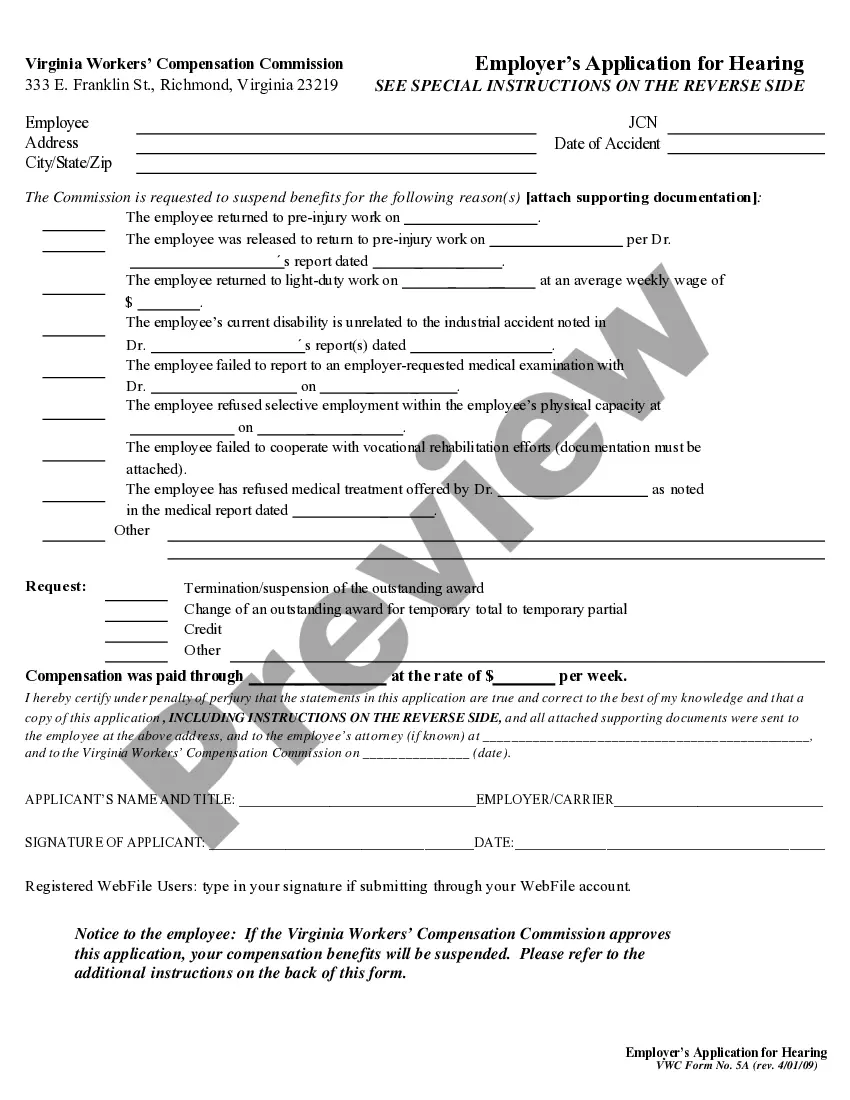
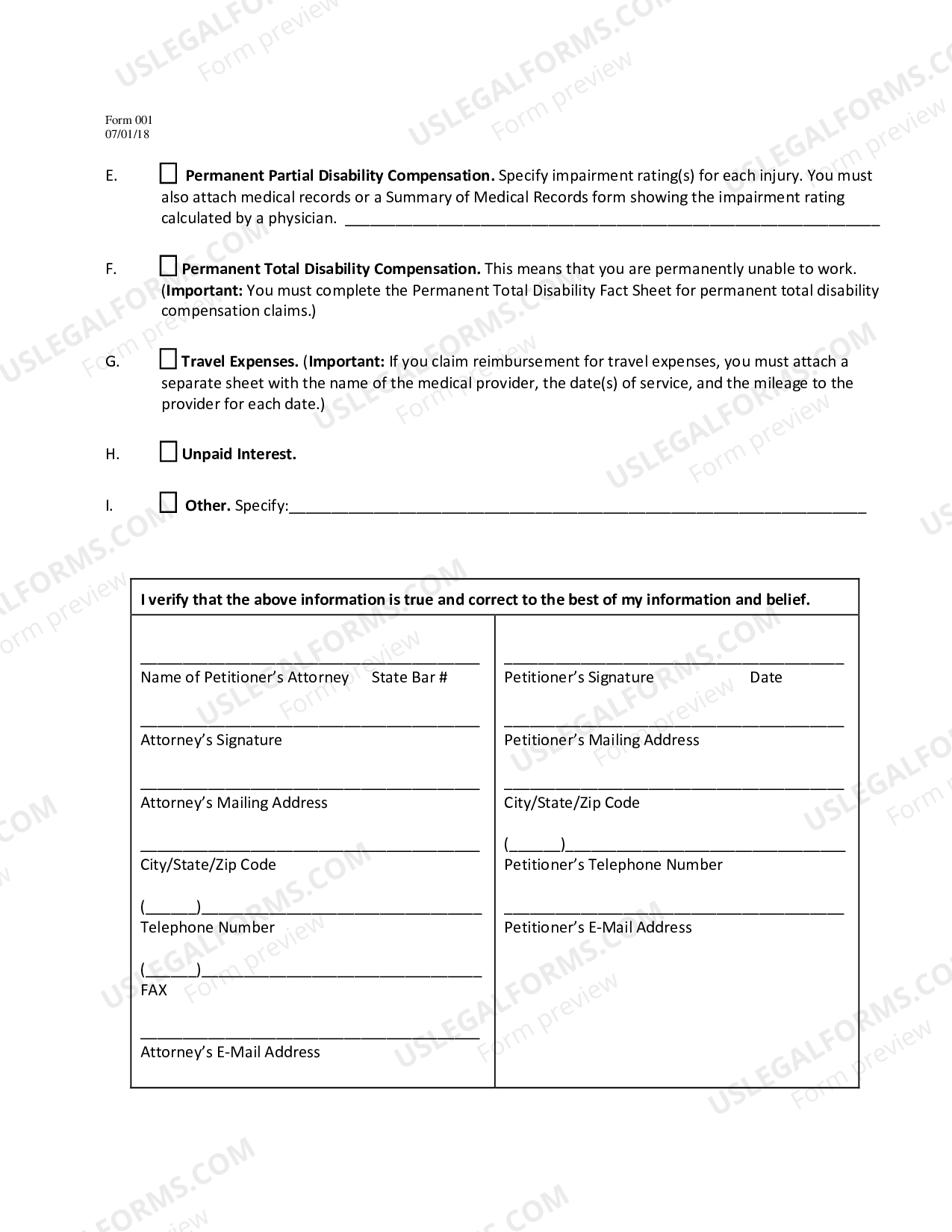
3. Submit the Official Claim Form
Each state uses a specific form (often called a "Form C-3" or "Employee Claim Form") for filing for benefits. You must fill this out accurately, ensuring the "Date of Injury" is listed correctly as the date of last exposure or the date you were formally diagnosed, depending on state requirements.
4. The Response Period
Once the insurance carrier receives your claim, they have a set number of days to accept, deny, or contest it. They may request an "Independent Medical Examination" (IME) to verify the results provided by your doctor. This is standard procedure and does not necessarily indicate a denial of your claim.
Comparison of Claim Components
| Feature | Acute Injury Claim | Occupational Hearing Loss Claim |
|---|---|---|
| Onset | Sudden and observable | Cumulative and latent |
| Evidence | Incident report/Witnesses | Audiogram/Medical history |
| Statute of Limitations | Usually starts on date of injury | Often starts on date of diagnosis or separation |
| Liability | Clearly linked to one event | May involve multiple employers |
Common Challenges and Troubleshooting
One of the most frequent roadblocks in these claims is the "last exposure" rule. If you worked for multiple employers in loud environments, the insurance company might argue that your hearing loss was caused by your most recent employer or an employer prior to the one you are suing.
- Apportionment: In some cases, liability for your hearing loss may be apportioned across multiple employers. This can significantly complicate the legal process and often requires the assistance of an attorney experienced in workers’ compensation law.
- Medical Evidence Discrepancies: If the insurance company’s doctor disputes the findings, you are entitled to present your own medical evidence. Always keep copies of your baseline hearing tests, if available, from when you first started the job, as these can serve as powerful proof of the change in your hearing capacity over time.
- Settlement vs. Ongoing Care: You may be offered a lump-sum settlement. Before accepting, evaluate whether you will need ongoing treatment, such as hearing aids, and whether the settlement covers the future costs associated with that technology.
Frequently Asked Questions
Does the age of my claim affect my eligibility? Yes. If you wait too long after discovering your hearing loss, your claim may be barred by the statute of limitations. However, in many jurisdictions, the clock does not start until a doctor informs you that your hearing loss is work-related. Consult your state’s labor department for the exact statute.
Do I need a lawyer for this? While you are not legally required to have an attorney, hearing loss claims are technically complex and frequently contested. If your claim involves significant medical costs or potential loss of future wages, an attorney can help ensure that the "date of injury" is established correctly and that medical evidence is presented effectively.
What if my former employer has gone out of business? If the company has dissolved, you may still be able to file a claim against their insurance carrier. State records often track the insurance history of defunct businesses. You can contact your state’s Workers’ Compensation Board or Division of Labor to search for the historical coverage of the company.
Can I claim for hearing aids? Yes. If your hearing loss is recognized as a work-related occupational disease, medical benefits—which include the cost of hearing aids, related batteries, and audiologist fittings—are often part of the compensation package, even if you are not seeking wage-replacement benefits.
What is the "last injurious exposure" rule? This is a legal principle used in many states to assign liability to the last employer that exposed you to the conditions that caused your injury. This is meant to simplify the process for workers who have changed jobs, though it can sometimes lead to disputes between insurance carriers.
Next Actions
To move forward, start by gathering your personnel file and any medical documentation you currently possess. Request a comprehensive audiometric evaluation from a board-certified ENT or audiologist and specifically ask them to document whether the impairment is consistent with noise exposure. Once you have this clinical foundation, visit the official website of your state’s workers' compensation agency to find the correct claim form and confirm the current filing deadlines for occupational diseases.
Image Gallery