Understanding Gotcha Paper Mugshots and Arrest Records in Danville, VA
Navigating local arrest records and public booking photographs in Danville, Virginia, involves understanding Virginia’s Freedom of Information Act (FOIA) policies, regional law enforcement procedures, and the legal implications of onli...
Navigating local arrest records and public booking photographs in Danville, Virginia, involves understanding Virginia’s Freedom of Information Act (FOIA) policies, regional law enforcement procedures, and the legal implications of online publication websites often referred to as "gotcha paper" networks. These third-party sites aggregate public booking data from local agencies, presenting unique challenges regarding personal privacy, reputation management, and data removal.
Contents
The Reality of Public Records and Arrest Photos in Danville, Virginia
Public access to government data forms the cornerstone of open governance in the Commonwealth of Virginia. In Danville, local law enforcement agencies, including the Danville Police Department and the Pittsylvania County Sheriff's Office, generate arrest records and booking photographs (mugshots) as a routine part of criminal justice administration. Under the Virginia Freedom of Information Act (VAFOIA), these records are generally classified as public documents, meaning citizens, journalists, and private data brokers can request and obtain them.
However, a fundamental distinction exists between official government transparency and commercial enterprise exploitation. While the Danville Police Department maintains records to ensure public safety and accountability, third-party publishing entities scrape this data to build independent archives. These platforms often monetize the distress associated with an arrest by charging exorbitant removal fees, exploiting the exact information intended for civic oversight.
Key Entities Responsible for Danville Public Records
- Danville Police Department: Primary municipal law enforcement agency handling city-limits arrests and initial booking documentation.
- Pittsylvania County Sheriff's Office: Manages regional county detentions and works closely with Danville municipal entities for surrounding area records.
- Danville Adult Detention Center: The primary correctional facility where local arrengements, processing, and initial housing occur before court dispositions.
How Third-Party Mugshot Aggregators Operate
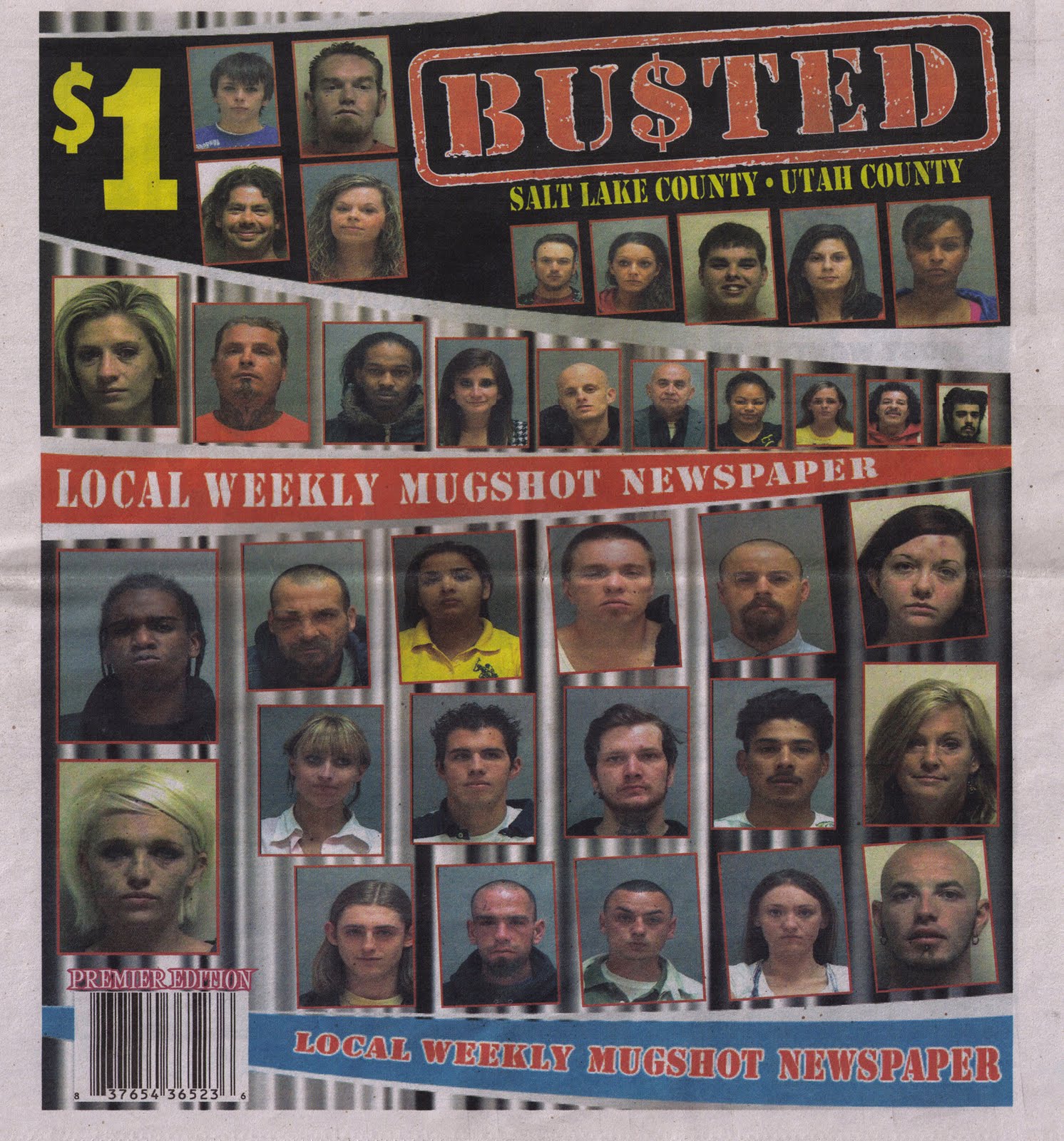
The term "gotcha paper" typically describes print or digital publications that specialize in publishing mugshots, arrest logs, and criminal charge details without providing context regarding the final disposition of a case. These networks utilize automated web scrapers or manual public record requests to harvest raw data from Virginia law enforcement databases daily.
Once collected, the information is published rapidly online. Because search engine optimization (SERP) algorithms favor fast-loading public records, these pages frequently rank prominently when someone searches a local resident's name. This creates immediate, lasting reputational damage, regardless of whether the individual was ultimately found not guilty, had charges dropped, or completed an expungement process.
Operational Mechanics of Data Harvesting
- Data Acquisition: Automated scripts or manual reporters pull daily arrest logs from Danville municipal and county jail rosters.
- Indexing and Hosting: The records are uploaded to commercial domains structured specifically to display mugshots alongside prominent advertisements or pay-to-remove offers.
- Exploitation Loops: Victims of this practice find that even if a local Danville court dismisses their charges, the third-party archive persists unless aggressive, specialized removal protocols are executed.
Legal Framework and Virginia Legislation Regarding Mugshot Publication
Legislative bodies have increasingly recognized the predatory nature of commercial mugshot websites. In Virginia and across federal jurisdictions, lawmakers have targeted the practice of extortionate removal fees—charging subjects money to take down photos of unconvicted individuals.
Under Virginia law, individuals possess specific rights regarding their criminal history records, particularly concerning expungement. If a charge in Danville General District Court or Circuit Court results in an acquittal, a nolle prosequi (formal dismissal by the prosecutor), or an absolute pardon, the defendant is generally eligible to petition the court for an expungement under Virginia Code § 19.2-392.2.
Comparison of Official Government Records Versus Commercial Aggregators
| Feature | Danville Police / Courts | Third-Party "Gotcha" Sites |
|---|---|---|
| Legal Authority | Governed strictly by Virginia state law and VAFOIA mandates. | Commercial entities operating for private profit. |
| Data Accuracy | Updated regularly to reflect case dispositions, dismissals, and expungements. | Frequently stagnant; often fails to update when charges are dropped. |
| Removal Policy | Records are sealed or expunged strictly via official court order. | Typically demand payment fees to remove or blur images. |
| Primary Intent | Public safety, judicial accountability, and legal transparency. | Financial extortion, ad revenue generation, and clickbait traffic. |
Step-by-Step Guide to Removing Mugshots from the Internet
Successfully removing an arrest photo and associated record from a commercial "gotcha paper" site requires a methodical approach. Simply waiting for search engines to naturally deindex the content is rarely effective due to the high domain authority these scraper sites maintain.
Step 1: Verify the Legal Disposition of Your Case
Before pursuing data removal, obtain certified documentation from the Danville Clerk of Court confirming the current status of the case. If the charges were dismissed, reduced, or resulted in an acquittal, secure certified copies of the final order. If eligible, immediately file for an official expungement through the Danville Circuit Court to ensure state databases reflect the clean record.
Step 2: Identify the Exact URL of the Publication
Never rely on a general name search. Locate the specific, direct URL of the page hosting the mugshot and personal details. Most third-party publishers require the precise web link to process takedown requests.
Step 3: Review the Site's Takedown Policy and Compliance Form
Navigate to the publisher's contact or removal page. Many states have enacted laws prohibiting publishers from charging fees to remove booking photos if the subject was not convicted. Review whether the site provides a free removal option for dismissed cases by submitting court documentation.
Step 4: Submit Formal Removal Requests with Supporting Evidence
Provide the required documentation, such as official court dismissal orders or proof of expungement, alongside a formal, written demand for removal. Maintain a paper trail of all communications sent to the site administrators.
Step 5: File Content Removal Requests with Search Engines
Once the offending web page removes the content—or if the site refuses to comply while you pursue legal remedies—submit removal requests directly to major search engines like Google. Search engines maintain specific guidelines for removing personally identifiable information, non-consensual mugshots, and outdated public records that cause severe harm.
Managing Reputational Fallout and Digital Footprints
Beyond forcing third-party sites to take down content, proactive online reputation management (ORM) is essential for Danville residents affected by searchable arrest records. When negative content temporarily resists removal, suppressing the links through positive or neutral digital assets is a standard industry countermeasure.
Reputational Best Practices: Focus heavily on building legitimate personal or professional digital properties. Active profiles on verified professional networks, personal portfolio sites, and community involvement pages help push adverse search results deeper into secondary search engine pages where prospective employers or landlords are unlikely to look.
Frequently Asked Questions
Can Danville police or local authorities force websites to take down mugshots?
No, local law enforcement agencies in Danville lack the legal jurisdiction to force private third-party websites to remove public records they have already harvested. Once information enters the public domain via legitimate FOIA requests, private publishers operate independently of municipal control, requiring individuals to deal directly with the site operators or utilize legal removal channels.
Are mugshot removal websites legally allowed to charge fees?
Legality varies by state jurisdiction, but many states have enacted strict consumer protection laws classifying fee-based mugshot removal as illegal extortion. Even where state laws are ambiguous, federal and state privacy initiatives continuously target commercial entities that profit by refusing to take down unconvicted booking photos without payment.
Does an expungement in Danville automatically clear Google search results?
An expungement seals official government and police records in Danville, but it does not automatically scrub private third-party caches or search engine indexes. You must separately request removal from individual web publishers and submit outdated URL removal requests to search engine providers to cleanse your digital footprint entirely.
What should I do if a third-party publisher ignores my takedown request?
If a publisher ignores lawful removal requests for dismissed or expunged cases, consult with a legal professional specializing in internet defamation, cyber law, or digital privacy. Attorneys can issue formal cease-and-desist letters citing applicable state statutes and consumer protection violations, which often compels compliance from stubborn site operators.
Can I prevent the Danville Police Department from releasing my mugshot initially?
Generally, no. Under Virginia public records law, booking photographs and initial arrest logs generated by agencies like the Danville Police Department are classified as public records open to inspection upon request. Law enforcement agencies are legally obligated to provide these records unless a specific statutory exemption applies to protect an active, sensitive investigation or a juvenile.
Protecting Your Digital Privacy Moving Forward
Dealing with commercial mugshot aggregators and "gotcha paper" networks in Danville, Virginia, demands persistence, legal awareness, and strategic action. By verifying your official court dispositions, leveraging Virginia expungement statutes where applicable, and systematically submitting takedown requests to both publishers and search engines, you can reclaim control over your digital reputation and mitigate the impact of publicly available arrest records.
Image Gallery